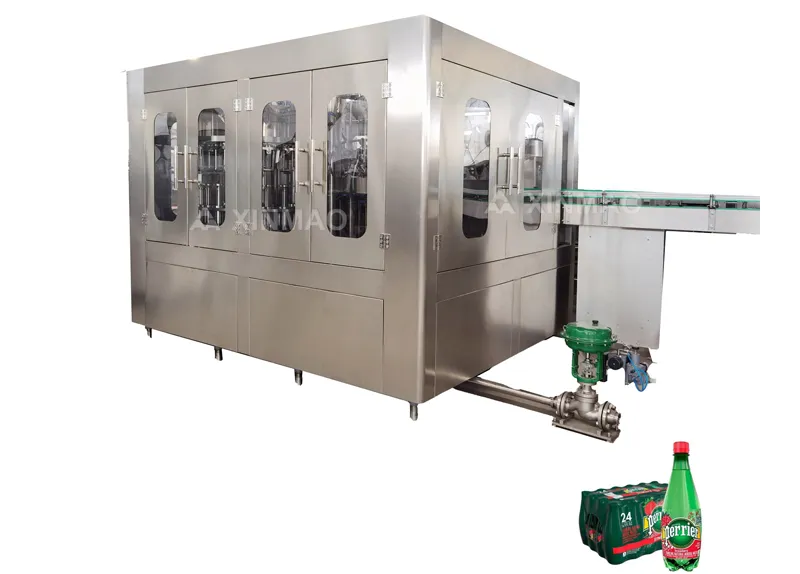
Where to Buy a Beverage Filling Machine with CE Certified Quality? A buyer compared two beverage filling machine quotes and picked the cheaper one stamped "CE." On delivery, the declaration named a directive that did not apply, the manual was a loo...
VIEW MORE
Why Counter-Pressure Filling Is Essential for Carbonated Drink Filling Machines The physics of CO₂ retention: How How to Choose a Carbonated Drink Filling Machine for a New PET Bottle Plant? A new PET plant sized its carbonated drink filling machin...
VIEW MORE
Why Does a Carbonated Drink Filling Machine Keep Fizz from Escaping During Capping? A craft soda plant fought a familiar problem: every capped bottle hissed, foamed, and lost a gram or two of product. The team slowed the capper's vent step and rais...
VIEW MORE
Before You Sign the PO: Five Factors That Make or Break a Beverage Production Line Machinery Investment A beverage production line machinery purchase is not a one-time transaction. It is a 10–15-year operational commitment that will determine...
VIEW MORE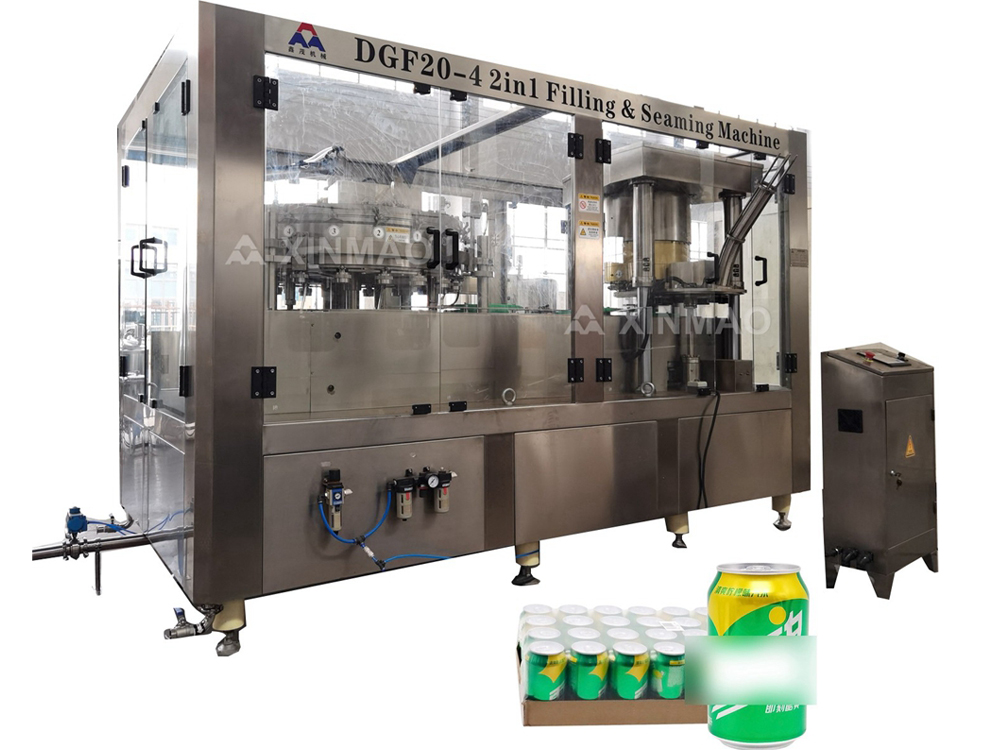
Manual Bottling vs. Automated Systems for Gazlangan Ichimliklar: The Waste Gap Walk into a small-scale gazlangan ichimliklar operation using manual filling — a pressurized tank, a hand-operated filling nozzle, an operator timing each fill by ...
VIEW MORE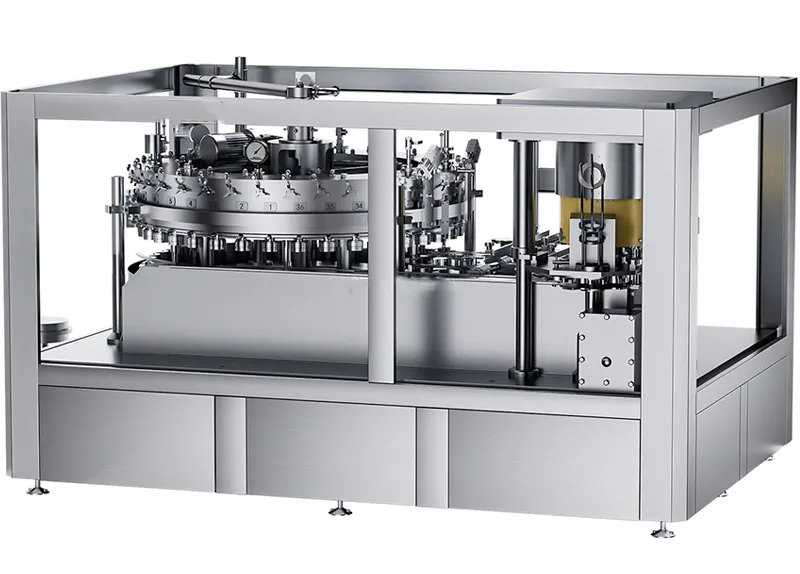
How to Stop Gazlangan Ichimliklar from Going Flat Between the Filler and the Cap Gazlangan ichimliklar — the Uzbek term for carbonated drinks, encompassing sparkling water, soda, energy drinks, and carbonated soft drinks — lose their de...
VIEW MORE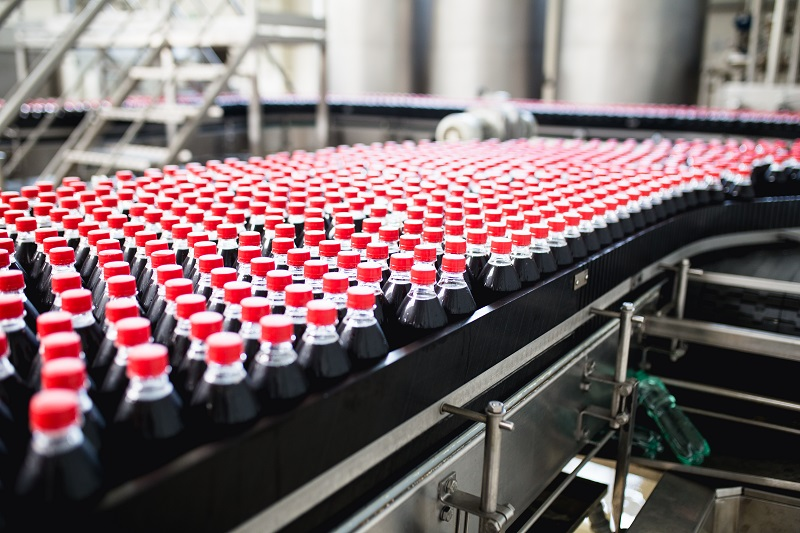
Why Smart Buyers Choose Advanced Mesin Filling Botol Over Budget Alternatives A mesin filling botol — the Indonesian and Malaysian term for a bottle filling machine — represents a capital investment that determines a beverage producer's...
VIEW MORE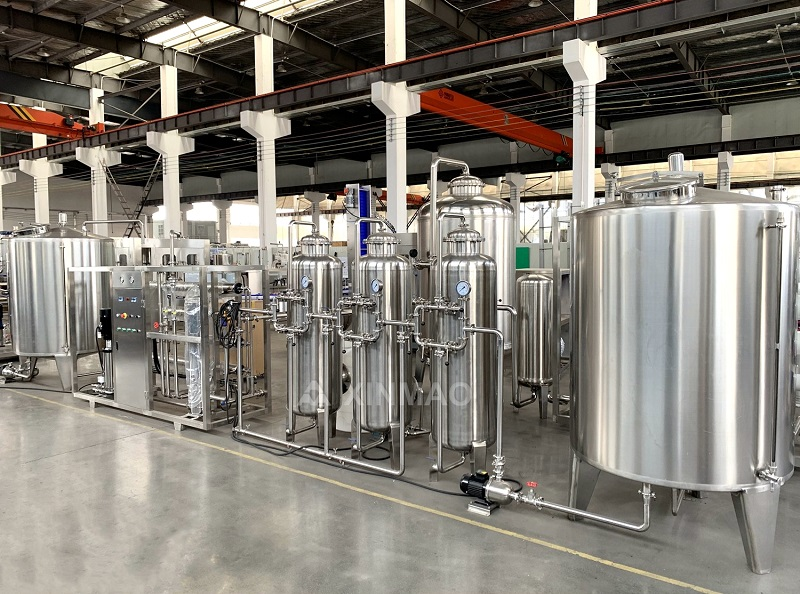
Why a Bad Bottling Plant Layout Costs More Than the Equipment Inside It A beverage factory that installed a 24,000 BPH filling line but routes bottles through a 90-degree corner between the rinser and the filler, adds a 15-meter conveyor loop becau...
VIEW MORE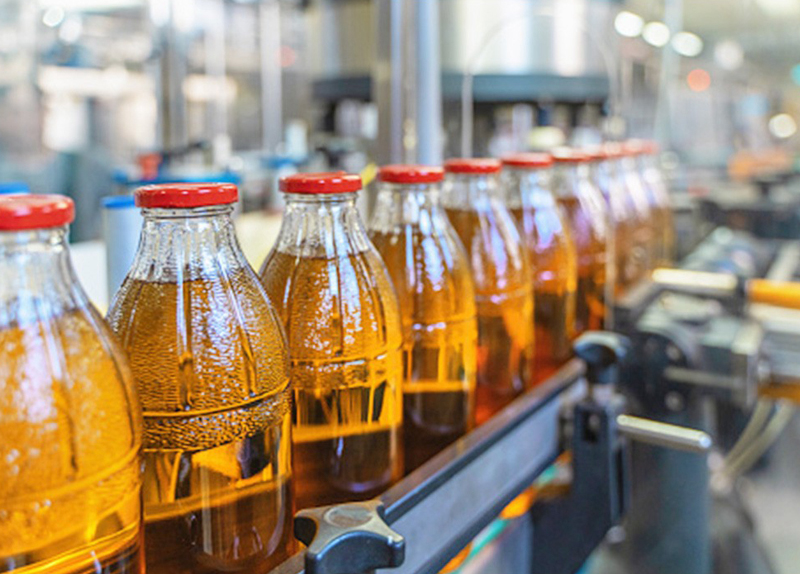
The Engineering of High-Speed Bottling A water bottle filling machine above 20,000 BPH represents a fundamentally different engineering challenge than 3,000–8,000 BPH regional systems. At 36,000 BPH — filling 10 bottles per second &mdas...
VIEW MORE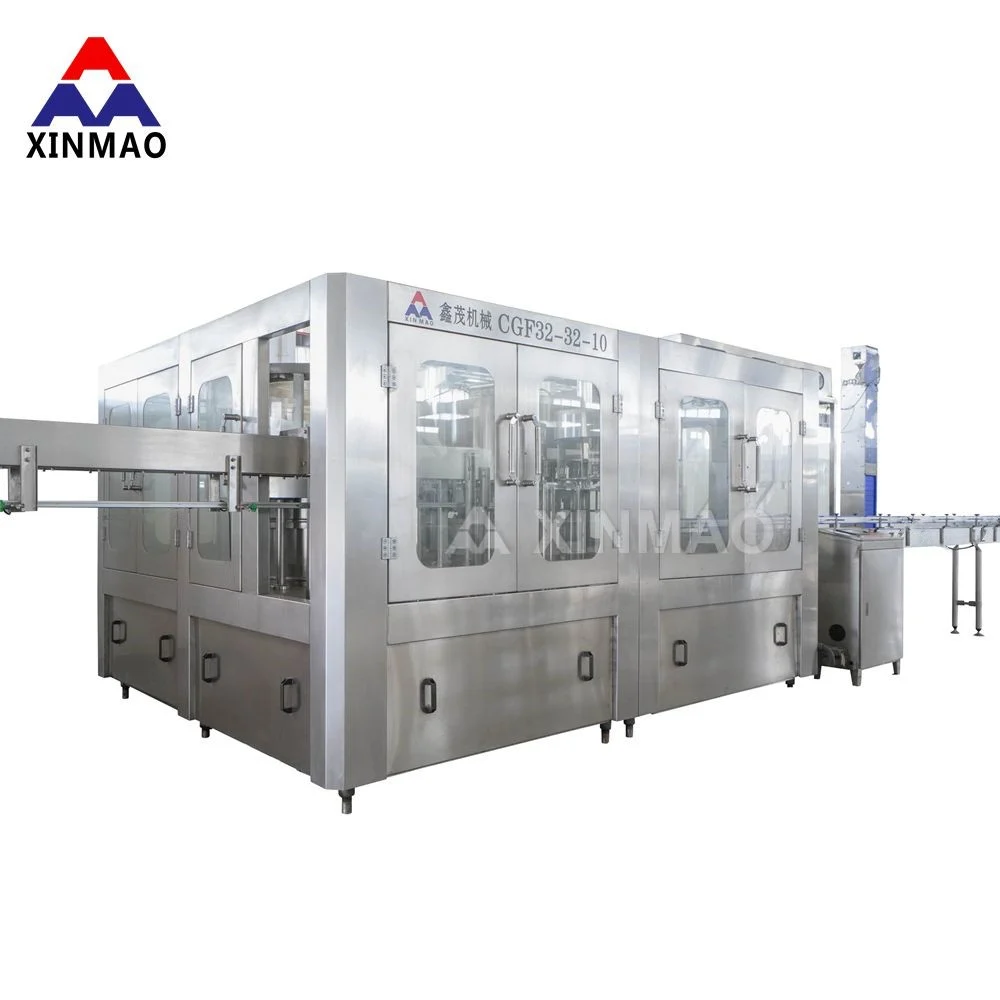
Why Pre-Shipment Inspection Matters A water bottle machine operating 16 hours daily accumulates roughly 5,000 hours annually. Filling valves cycle 500,000+ times per year, conveyor bearings rotate continuously, pneumatic cylinders actuate with each...
VIEW MORE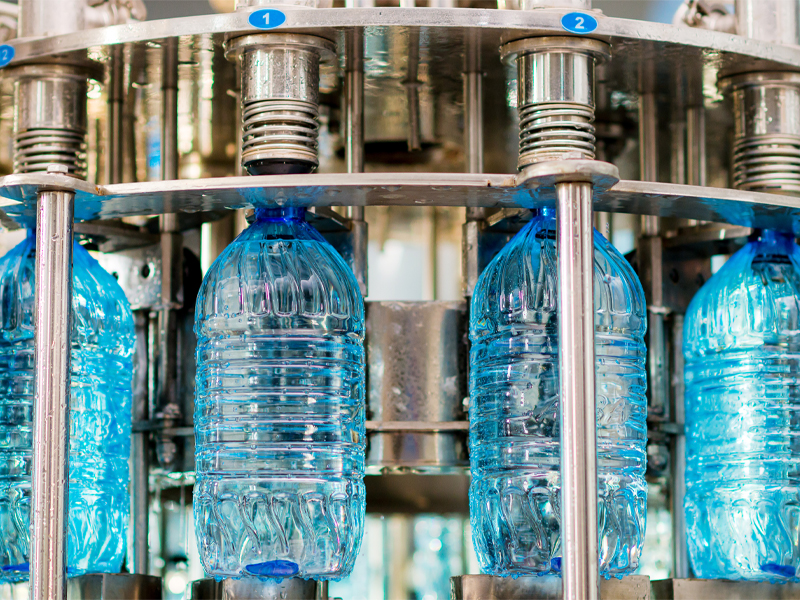
The Automation Decision Point A manual water bottle machine producing 200–500 BPH with two operators versus a fully automatic 3-in-1 monoblock producing 2,000–5,000 BPH with one operator — the throughput difference is obvious. The...
VIEW MORE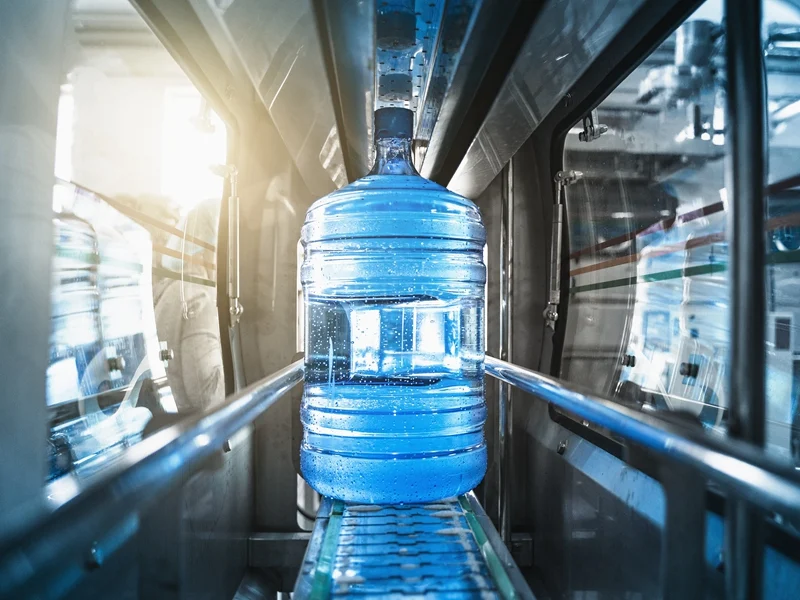
The Mechanical Distinction A linear water filling machine moves bottles along a straight conveyor, stopping them at filling stations where valves descend, fill, and retract before indexing the next set. A rotary system mounts valves on a continuous...
VIEW MORE EN
EN