How to Select a Water Bottle Packing Machine for a Bottling Line
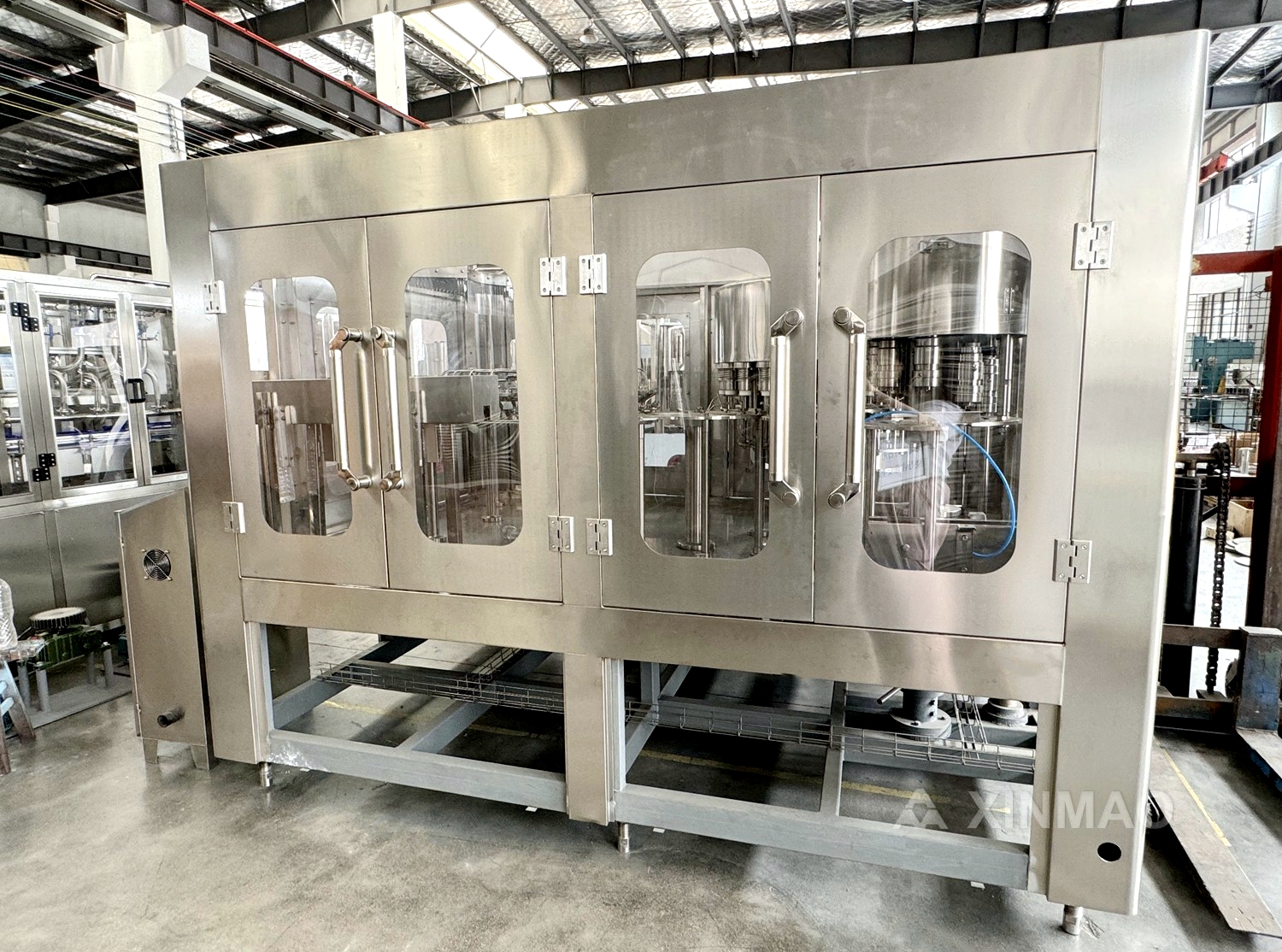
A water bottle packing machine sits at the end of production where filled bottles become saleable cases, and the choice made there decides throughput, labour, and damage rates. Buyers who match the water bottle packing machine to the bottle filling line upstream avoid the bottlenecks that ruin a shift. The guidance below covers field cases, failure modes, the engineering that matters, and a buyer checklist.
Real-World Industry Case / Scenario
A Regional Brand That Outgrew Manual Packing
A regional packaged drinking water brand ran manual case packing on a growing bottle filling line and lost output every time demand spiked. Installing an automatic packer with a bottle filling line rated to the same speed removed the labour ceiling and cut breakage. The owner reported that cases per hour rose without adding shifts, and the packer paid back within a year. The case shows that packing capacity must track line speed, not guesswork.
Format flexibility decides whether one machine serves a mixed contract, because a packer built for a single bottle shape strands a service business. Adjustable tooling and change parts protect the margin across clients who bring different packs to the same line on different days of the week.
Specified against the real duty, water bottle packing machine pays back through fewer failures and longer service.
Commissioning with the supplier present catches integration faults before full production begins.
A Contract Filler That Needed Format Flexibility
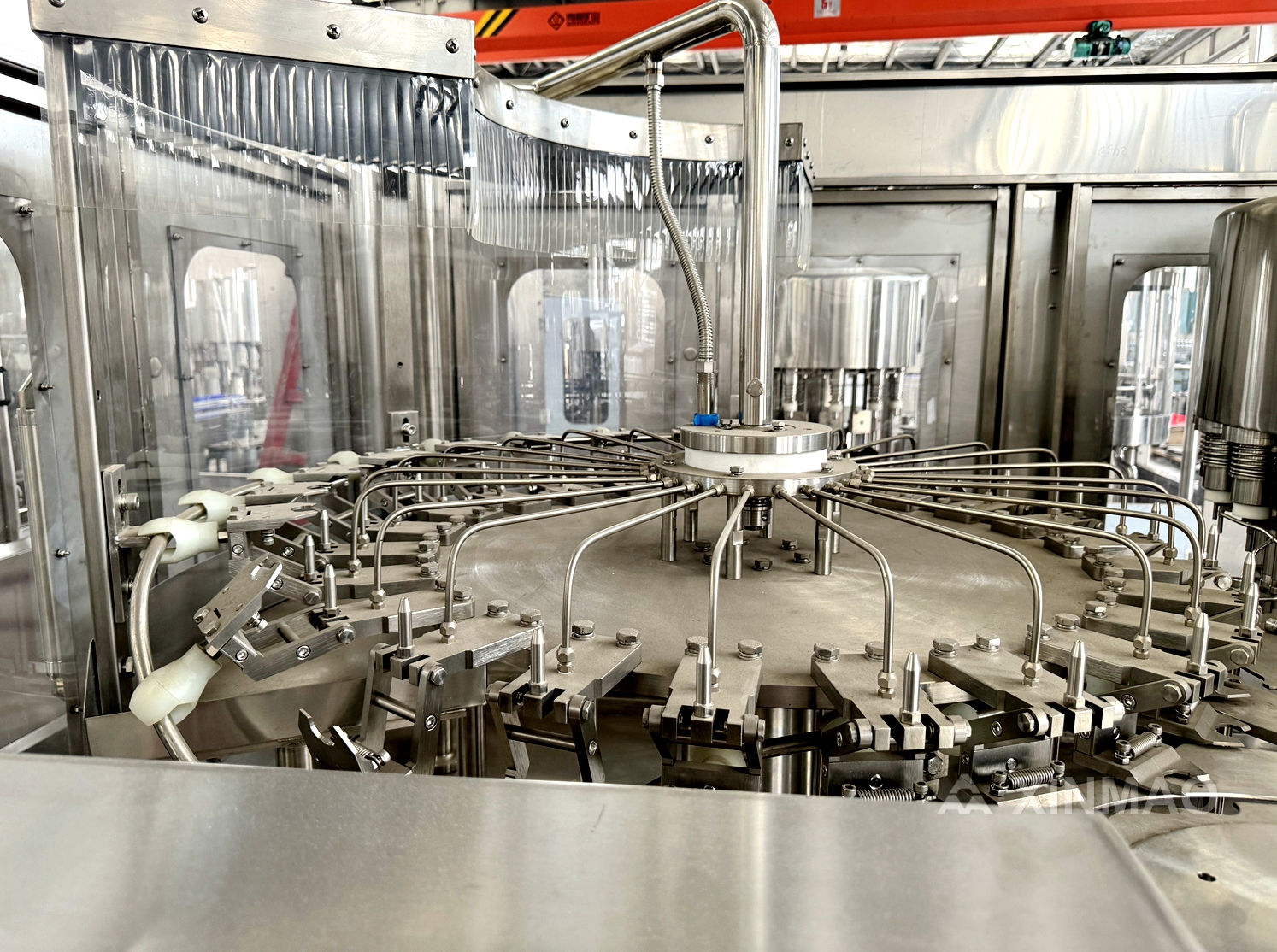
A contract filler served clients on PET and glass with changing bottle sizes, and a rigid packer forced long changeovers. Switching to an adjustable PET bottle filler paired with a format-change packing unit cut setup from hours to minutes. The buyer learned that a packer built for one bottle shape strands a service business, while flexible tooling protects margin across clients.
Bottle handling is where most jams originate, because an infeed that does not present the container squarely starves the filler and the packer downstream. The conveyor, the timing screw, and the guide rails should be specified together rather than bought as three separate decisions from three suppliers.
Operator interface quality affects output, because clear alarms and a visible cycle state reduce the mistakes that create scrap. A capable machine with a confusing panel loses throughput to human error on every shift, and the loss never appears in the specification.
Operators trained on the full sequence make fewer errors than those who learn one station at a time.
Risk & Failure Mode Analysis
Mismatched Speed Causes Bottlenecks
When a packer runs slower than the bottle filling line, bottles accumulate and the line stalls or runs starved. The mismatch wastes the investment in upstream capacity and stresses operators. The fix is to size the packer to peak line output with buffer, and to choose a PET bottle filler and packer from one integrated plan. A packaged drinking water line planned as separate islands fails at the seams.
Changeover time is a real operating cost, because a line that takes hours to switch format loses the throughput the machine was bought to deliver. Buyers should time the changeover on the actual formats they run rather than accept a brochure figure measured on the easiest pack in the range.
Reject and rework handling should be designed in, because a jam that stops the line is cheaper than one that produces a case of mis-packed bottles. Specify the reject gate and the fault path with the machine rather than improvising them on the floor.
Poor Changeover Wastes Production
Frequent format changes expose weak tooling. A packer with manual adjustments invites misalignment that jams or crushes bottles. The risk grows with SKU count, so the buyer should specify quick-change parts and clear setup guides. A bottle filling line that needs an engineer for every changeover loses the time the packing machine was meant to save.
Cleaning and hygiene follow the product, because a bottled water line needs a wash-down regime that a soft drink line does not. The wash-down rating, the guard design, and the drain layout all belong in the specification rather than being resolved after the machine arrives on site.
Buyers who log each unit of water bottle packing machine after every shift catch small faults before they become safety issues.
Technical Principles & Standard Compliance
Speed, Format Range, and Integration
A dependable packer is specified by bottles per minute, container material, and case pattern. Integration with the PET bottle filler and conveyor logic keeps spacing correct so the packer never starves or floods. Servo control and vision checks reduce misfeeds, and a clean electrical design simplifies fault finding. For packaged drinking water, the packer should meet food-contact standards and run with the same control platform as the bottle filling line.
Service and spares decide the uptime, because a packer waiting weeks for a change part costs more than the saving on the purchase price. Confirm the spare part stock holding and the response time in writing before the order is placed rather than after the first stoppage.
A pre-installation site survey confirms the utilities, floor load, and access the line needs before delivery.
Actionable Buyer & Maintenance Guide
Specifying and Maintaining the Packing Machine
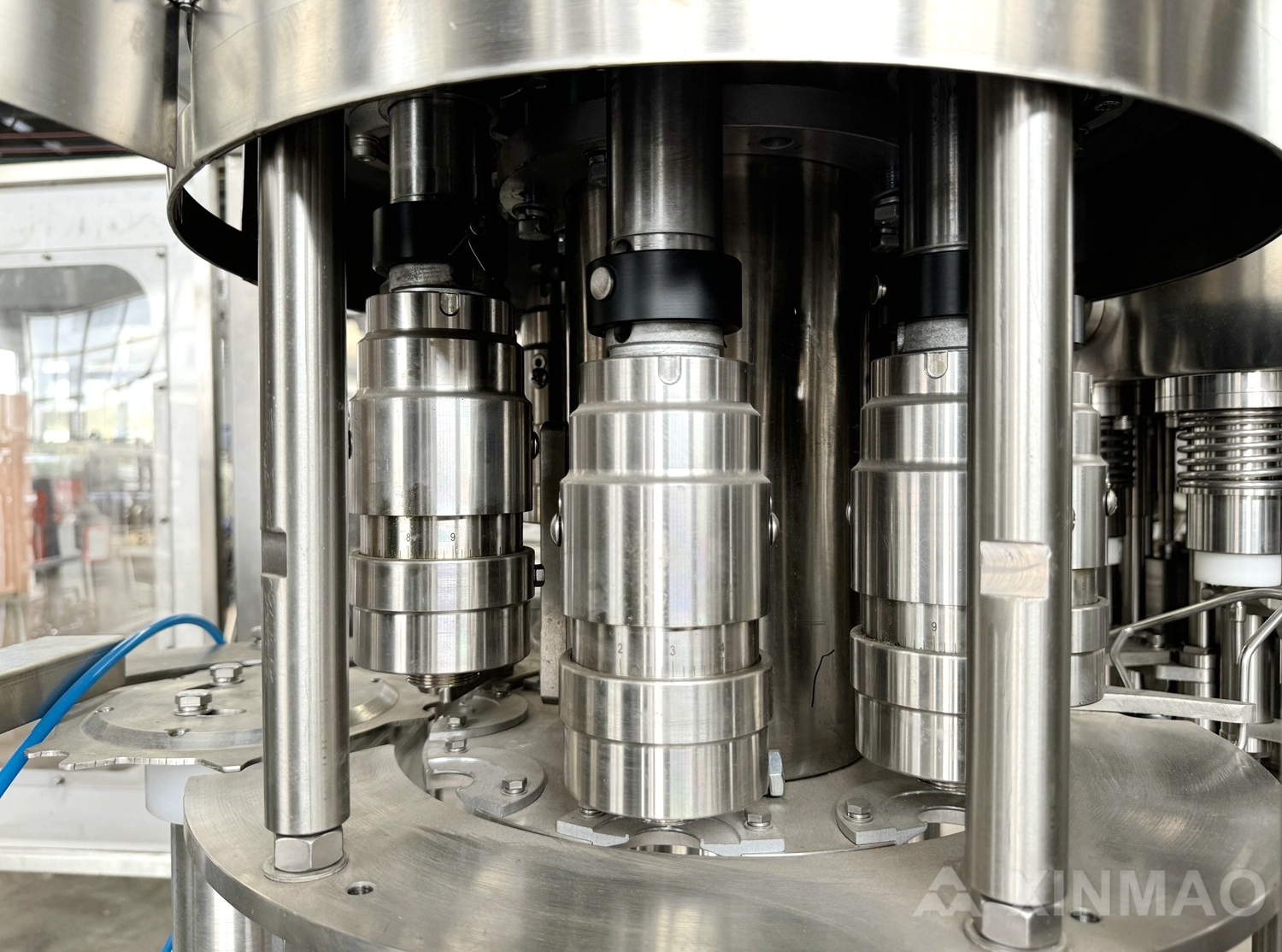
Buyers should size the water bottle packing machine to line peak, confirm format range, and ask for integration drawings with the bottle filling line. Suppliers of water bottle packing machines such as XM Filler return a layout that shows conveyor and packer sync so the buyer can verify throughput. Maintenance is straightforward: keep sensors clean, lubricate guides on schedule, and log changeovers. A PET bottle filler and packer serviced together keep packaged drinking water flowing without surprise stoppages.
Energy and air consumption are running costs that rarely appear in the machine quote, because the packer draws compressed air continuously and the compressor sits outside the comparison. Ask for the consumption figures so the operating model reflects the real cost of the shift.
Utilities such as power, air, and water should be specified with margin so the line runs without trips.
Frequently Asked Questions
Question 1: What speed should a water bottle packing machine have?
Answer: Speed should match or exceed the bottle filling line peak, not the average, so the packer absorbs demand spikes. A water bottle packing machine rated below line top speed becomes the bottleneck and forces the filling line to slow. Buyers should size to peak bottles per minute with a small buffer for stable packaged drinking water output.
Question 2: Can one machine handle PET and glass?
Answer: Only with adjustable tooling and change parts. A rigid water bottle packing machine built for PET will not grip glass safely, while a flexible unit with format change handles both at the cost of setup time. Pairing the packer with a PET bottle filler designed for multi-format reduces changeover and protects margin on mixed contracts.
Question 3: How is the packing machine integrated with filling?
Answer: Integration uses conveyor timing and control logic so bottles arrive spaced and the packer never starves or floods. The water bottle packing machine and bottle filling line should share a control platform and sensors for sync. A packaged drinking water line planned as separate islands needs manual buffering that wastes labour and floor space.
Question 4: What maintenance does a packing machine need?
Answer: Maintenance focuses on sensors, guides, and lubrication on a calendar. A water bottle packing machine that logs changeovers catches wear before it jams, and keeping the PET bottle filler and packer serviced together avoids cascade failures. Routine checks keep packaged drinking water output steady and extend the machine's working life.