How to Choose a Juice Bottling Machine for Stable Output
Choosing a juice bottling machine requires a different approach than selecting equipment for bottled water. Juice is a sensitive, reactive product where heat, oxygen, and microbial exposure directly dictate shelf life.
Matching your juice bottling machine to the correct fill method prevents costly product spoilage, quality degradation, and brand recalls. This guide covers real-world field cases, unique failure modes, essential engineering standards, and a comprehensive buyer and maintenance checklist.
Real-World Industry Scenarios
Case 1: Restoring Shelf Life for a Chilled Juice Brand
A chilled juice brand using an open filling setup experienced frequent early spoilage complaints. By upgrading to a controlled hot fill juice process with capped environmental exposure, the company restored product shelf life and dramatically reduced returns. The owner noted that the cost of upgrading the juice filling line was less than the expense of a single month of wasted product—proving that a bottling machine is a food-safety device first and a speed device second.
Case 2: Unlocking Export Markets via Aseptic Filling
An exporter targeting overseas markets faced long shipping routes without a reliable cold chain. By switching to a machine engineered for aseptic juice filling, the line maintained juice quality at ambient temperatures without refrigeration. The investment demonstrated that while aseptic filling requires higher initial capital, it unlocks ambient distribution channels worldwide.
Risk & Failure Mode Analysis
| Risk Factor | Root Cause | Impact | Mitigation Strategy |
| Microbial Contamination | Open filling paths or poorly cleaned lines | Recalls, brand damage, product spoilage | Implement validated Clean-In-Place (CIP) systems and tight temperature holding. |
| Flavor & Color Degradation | Excess heat exposure or product splashing (oxygen insertion) | Dulle, unappealing product; reduced shelf appeal | Select exact fill method (Hot Fill vs. Aseptic) matched to the sensory target. |
Technical Principles & Standard Compliance
A reliable juice bottling machine is built on three core pillars:
-
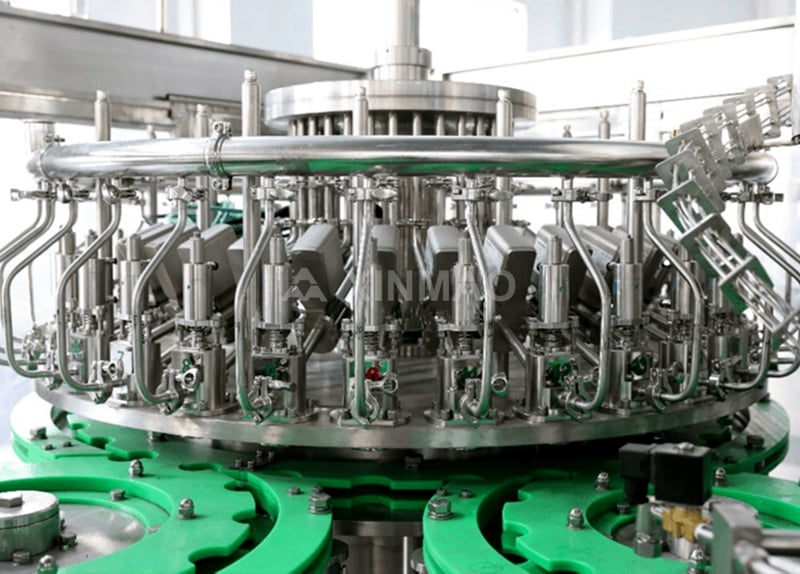
Fill Method Precision: Hot fill requires strict temperature management and headspace control. Aseptic fill requires a fully sterilized path and enclosed transfer environment.
-
CIP & Sanitation Validation: Validated CIP cycles with documented logs satisfy food safety compliance audits and ensure zero residue between flavor changes.
-
Food-Grade Material Contact: All product-contact surfaces must use inert, sanitary-grade materials to eliminate contamination hazards.
Actionable Buyer & Maintenance Checklist
When purchasing a line, buyers should evaluate their product characteristics, target shelf life, and distribution strategy. Suppliers of
Phase 1: Selection, Layout & Site Preparation
-
Site Survey: Perform a pre-installation site survey to confirm power, air, water, floor load capacity, and line access routes before delivery.
-
Utility Margin: Specify utility capacities with safety margins to prevent unexpected trips during peak production.
-
Line Layout: Minimize transfer distances to avoid excessive product handling. Respect the overall footprint, safety aisles, and cable/pipe routes for easy troubleshooting.
-
Integration: Balance upstream and downstream equipment to ensure smooth product flow across the entire line.
Phase 2: Commissioning & Operator Empowerment
-
Supplier-Led Commissioning: Have supplier technicians present during commissioning to resolve integration faults early.
-
Product Trial Runs: Conduct trial runs using actual juice formulations to identify setting gaps before full-scale production.
-
End-to-End Operator Training: Train operators on the complete line sequence—rather than isolated stations—and establish a second trained operator to eliminate single points of failure.
-
Standardized Documentation: Enforce clear SOPs, startup/shutdown checklists, control labeling, and structured shift-handover logs (including photo documentation of setup state).
Phase 3: Preventive Maintenance & Hygiene
-
Scheduled CIP & Gasket Checks: Execute calendar-based CIP cycles and regular gasket inspections to protect hygiene and machine life.
-
Sensors & Meter Calibration: Calibrate sensors according to supplier-recommended intervals rather than estimates.
-
Preventive Upkeep: Conduct vibration and noise monitoring to spot bearing wear early, backed by annual professional deep-inspections.
-
Spare Parts & Consumables: Keep critical wearing parts, rolls, and certified seals in stock to convert potential multi-day downtime into same-day repairs.
-
Remote Support: Ensure remote diagnostic access is configured so suppliers can assist with minor software or operational adjustments instantly.
Frequently Asked Questions
Q1: Which fill method is best suited for juice production?
Answer: It depends on your shelf-life target and distribution network:
-
Hot Fill Juice: Ideal for high-acid, ambient-stable beverages using controlled thermal processing.
-
Aseptic Juice Filling: Ideal for delicate, heat-sensitive juices or long-distance shipping without refrigeration.
Q2: How is hygiene maintained across a juice filling line?
Answer: Hygiene relies on automated Clean-In-Place (CIP) routines, food-grade contact surfaces, and recorded validation logs. Choosing a machine designed for easy cleaning access prevents microbial buildup during flavor changes.
Q3: Does juice bottling always require refrigeration?
Answer: No. Both hot fill and aseptic filling enable ambient shelf-life stability. Cold filling, however, requires an uninterrupted cold chain from factory to consumer.
Q4: Which maintenance practices are most critical for stable output?
Answer: The most critical practices include routine CIP logging, prompt gasket/seal replacement, sensor calibration, and scheduled preventive maintenance (PPM) to prevent unexpected mid-run failures.