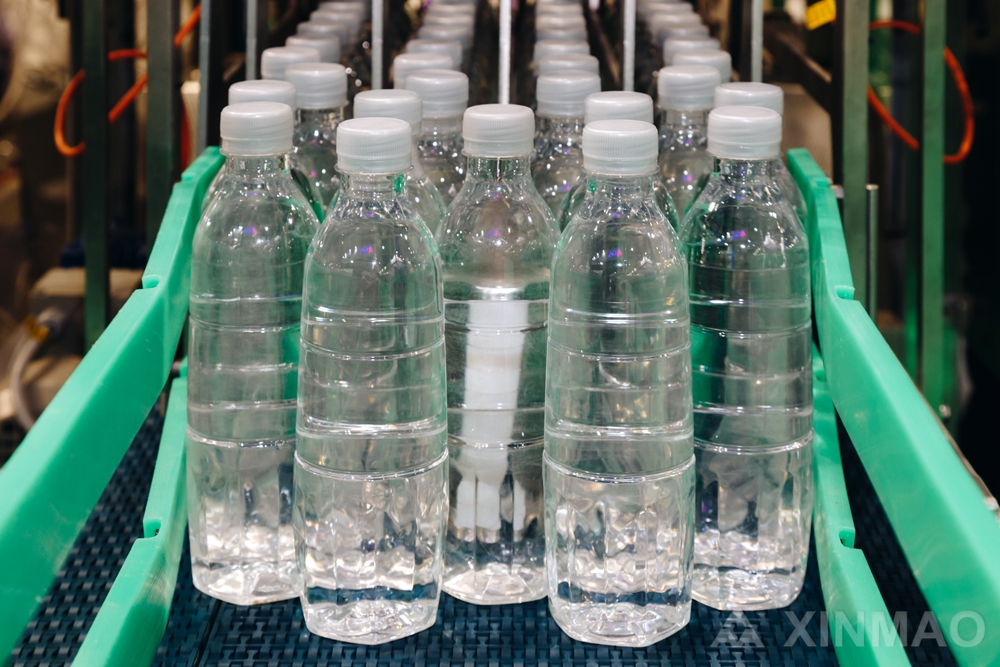
What Drives Mineral Water Plant Cost for a New Bottling Setup
Mineral water plant cost is rarely a single number because the figure moves with capacity, source treatment, and automation level. Buyers who separate the mineral water plant cost into clear blocks avoid the surprises that stall a project. The sections below use real cases, the cost risks that bite, the technical choices that change the bill, and a buyer checklist for a bottling plant setup.
Real-World Industry Case / Scenario
A Start-Up That Underspent on Treatment
A new brand set a low mineral water plant cost by skipping robust source treatment, then failed microbiology tests and recalled stock. Adding proper filtration and a bottling plant setup with monitoring raised the water plant investment but saved the licence. The owner learned that cutting mineral water machinery at the treatment stage trades a small saving for a large risk, and that compliance cost belongs in the first budget.
The budget begins with the scope, because a line that includes treatment, filling, capping, labelling, and packing costs several times one that stops at the filler. List every station the product must pass through before requesting a price so the comparison is made on the same boundary.
Training and documentation determine the ramp, because a plant that arrives with clear manuals and structured operator training reaches rated output in days rather than months. The training package is part of the purchase decision rather than an afterthought once the line is installed.
A documented standard operating procedure keeps output consistent across shifts and crews.
A Mid-Size Plant That Right-Sized Capacity
A mid-size operator quoted a huge mineral water plant cost for maximum speed, then ran the line at half load for a year. Rescoping to a matched bottling plant setup with phased expansion cut the water plant investment by a third and freed cash for distribution. The buyer found that mineral water machinery sized to realistic demand beats peak fantasy, and that modular lines protect the budget.
Capacity bought beyond demand sits idle while finance and depreciation run, so the sizing should follow the market that exists today with a defined growth path. A phased investment that adds lines as volume grows keeps the capital working instead of stranded in equipment that waits for orders.
Spares holding is a working-capital decision, because the critical wear items must be on the shelf before the line runs rather than on order after it fails. Budget the initial spares package with the plant so the first year is not spent waiting for parts.
Spare wearing parts on the shelf turn a weekend breakdown into a same-day repair.
Risk & Failure Mode Analysis
Hidden Utility and Civil Costs
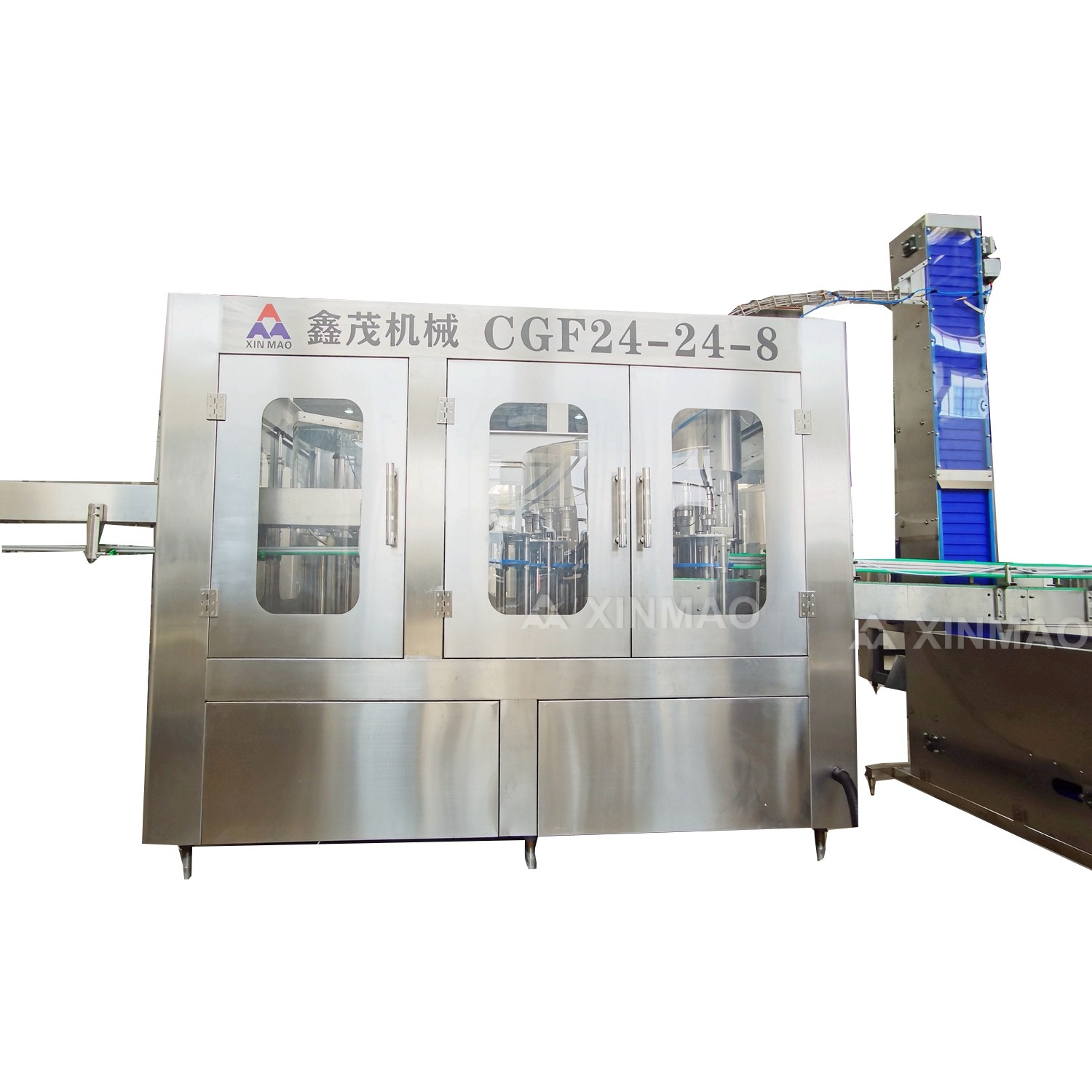
The quoted mineral water plant cost often excludes civil works, power, and water connections. A bottling plant setup on a poor site needs trenches, transformers, and drainage that rival the mineral water machinery price. Buyers who omit these see the water plant investment double during build. The fix is a site survey and a full scope from the supplier before signing, so the mineral water plant cost reflects the real ground.
Utilities and building works are the most commonly omitted costs, because compressed air, water treatment, drainage, and power upgrades all sit outside the machine quote. Budget them explicitly or the plant arrives complete and still cannot run on the day of the commissioning visit.
A pre-installation site survey confirms the utilities, floor load, and access the line needs before delivery.
A planned preventive maintenance calendar prevents the failures that strike at peak demand.
Oversized Capacity Strands Capital
Capacity bought beyond demand sits idle while finance and depreciation run. A bottling plant setup specified for a market that arrives in five years strands cash today. The risk is acute where the mineral water plant cost is financed, because interest compounds on unused mineral water machinery. A phased water plant investment that adds lines as volume grows keeps capital working.
Installation and commissioning consume both time and money, because a line that arrives before the services are ready waits in crates. Plan the delivery against the building programme and hold a commissioning window in the schedule rather than assuming the machine can be started on arrival.
Utilities such as power, air, and water should be specified with margin so the line runs without trips.
Line layout should shorten transfer distances so product is not handled more than needed.
Technical Principles & Standard Compliance
Treatment, Filling, and Automation Levels
A credible mineral water plant cost is built from source treatment, the filling block, and the automation chosen. Higher automation cuts labour but raises the water plant investment, and the right level follows local wage and volume. Mineral water machinery must meet food and water safety standards, with documentation the regulator expects. A bottling plant setup that skips treatment or traceability saves money once and pays for it in audits.
The operating model matters more than the capital figure, because labour, consumables, energy, and reject rates decide the cost per bottle. Build the model before the order so the choice is made on landed cost per unit rather than on the machine price that appears first in the quotation.
Commissioning with the supplier present catches integration faults before full production begins.
Actionable Buyer & Maintenance Guide
Budgeting and Specifying the Plant
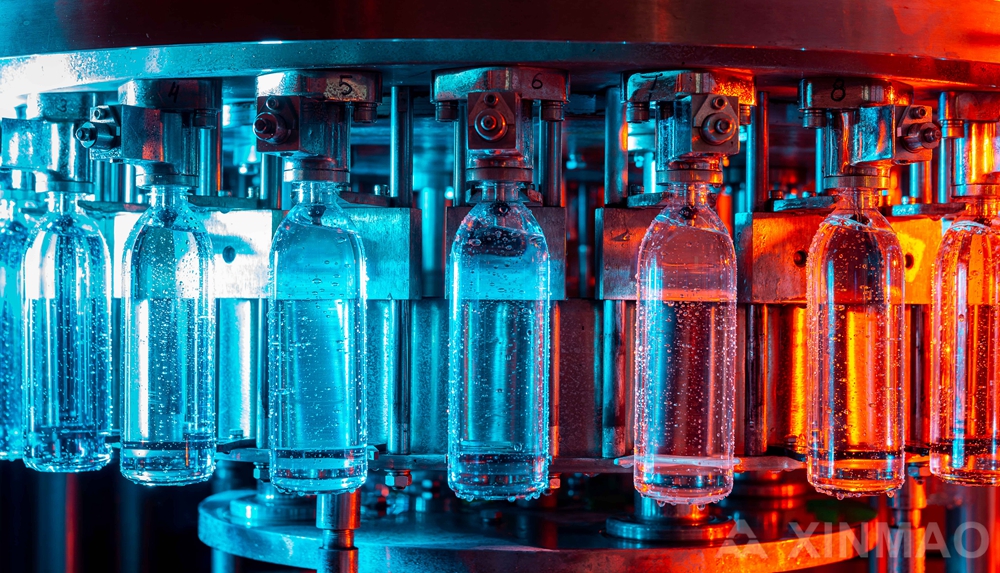
Buyers should request a mineral water plant cost broken into treatment, filling, packing, and civil works, then confirm capacity against a demand study. Suppliers of mineral water machinery such as XM Filler provide a bottling plant setup scope that lists utilities and expansion slots. The water plant investment should include commissioning and training, not just equipment. A phased plan lets the operator add mineral water machinery as volume proves out, protecting cash flow.
Reject and rework rates are a cost line in their own right, because a plant that loses three percent of production to bad seals or mislabels pays that percentage for the life of the line. Build the expected reject rate into the cost model rather than assuming it away at the enquiry stage.
Operators trained on the full sequence make fewer errors than those who learn one station at a time.
Frequently Asked Questions
Question 1: What makes up mineral water plant cost?
Answer: The figure combines source treatment, the filling and packing block, automation, and civil works. A realistic mineral water plant cost also includes utilities, commissioning, and training, which quotes often omit. Buyers should ask for a bottling plant setup scope that separates equipment from site works so the water plant investment is clear.
Question 2: How can the plant cost be reduced safely?
Answer: Reduce by right-sizing capacity to real demand and phasing expansion rather than buying peak speed upfront. A water plant investment that adds mineral water machinery as volume grows protects cash, and choosing proven treatment avoids recall risk. Cutting corners on safety or compliance is not a saving.
Question 3: Does automation raise or lower cost?
Answer: Automation raises the mineral water plant cost upfront but lowers labour over time, so the right level follows volume and local wages. A bottling plant setup with moderate automation often pays back fastest for mid-size runs. Buyers should model the water plant investment against saved shifts, not the sticker alone.
Question 4: What is often missed in the budget?
Answer: Civil works, power, water connections, and drainage are the common omissions that double a mineral water plant cost during build. A bottling plant setup quote that excludes the site hides the true water plant investment. A pre-build survey and full supplier scope prevent the surprise.