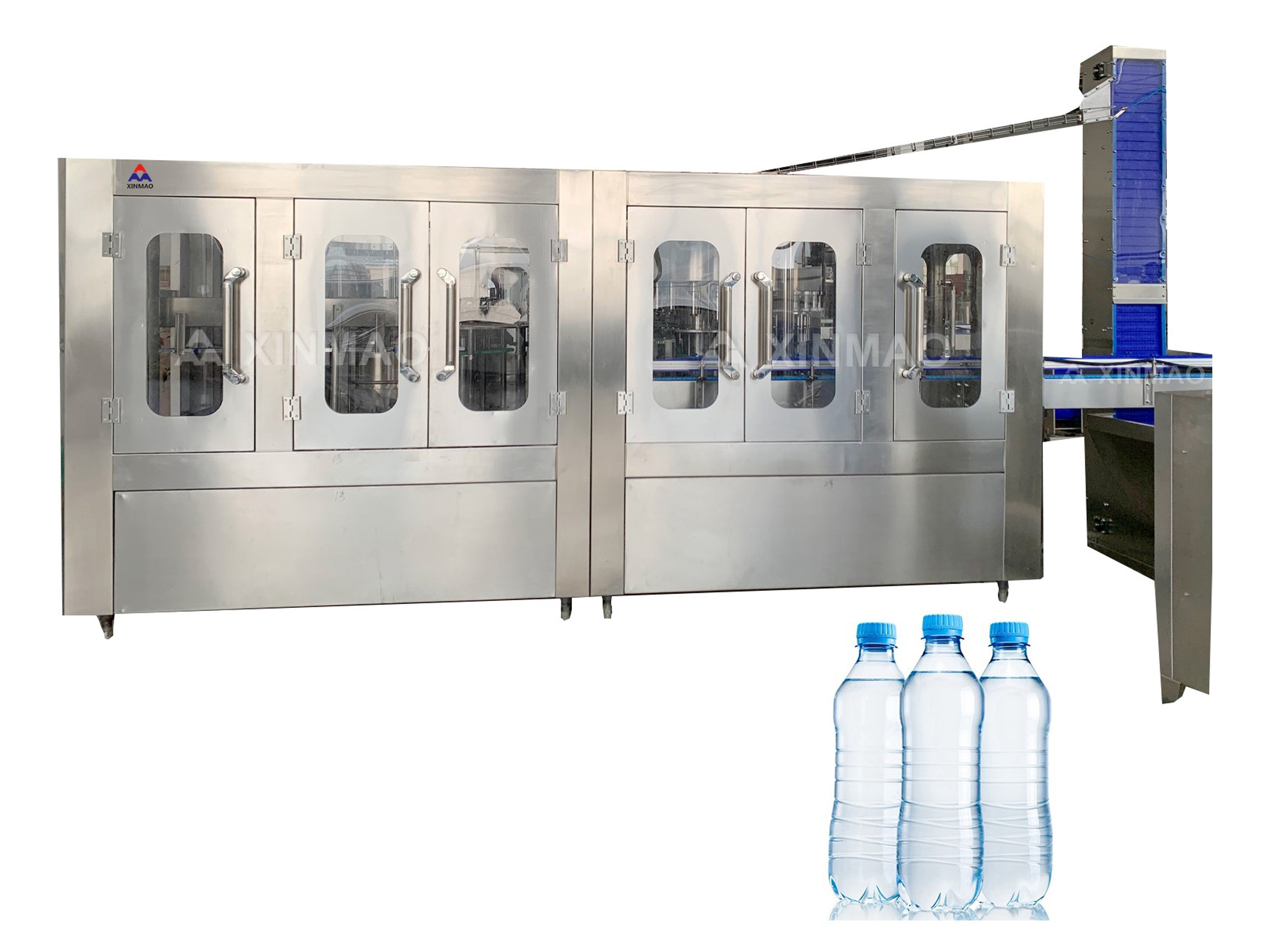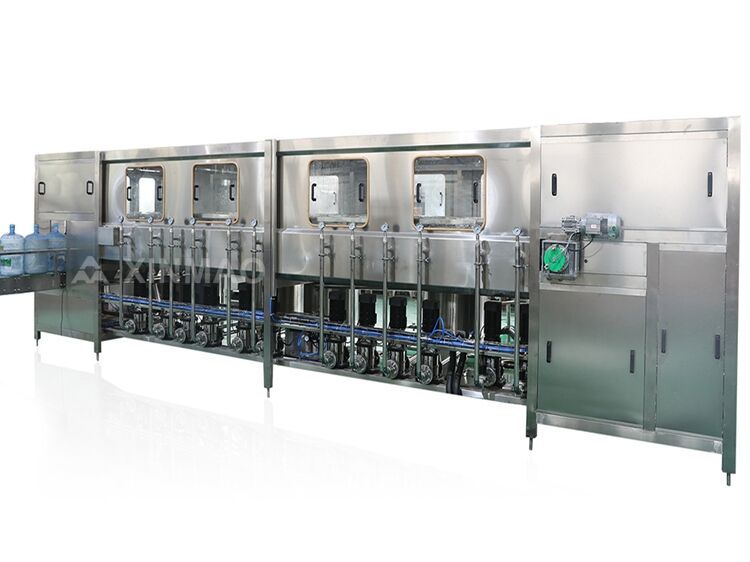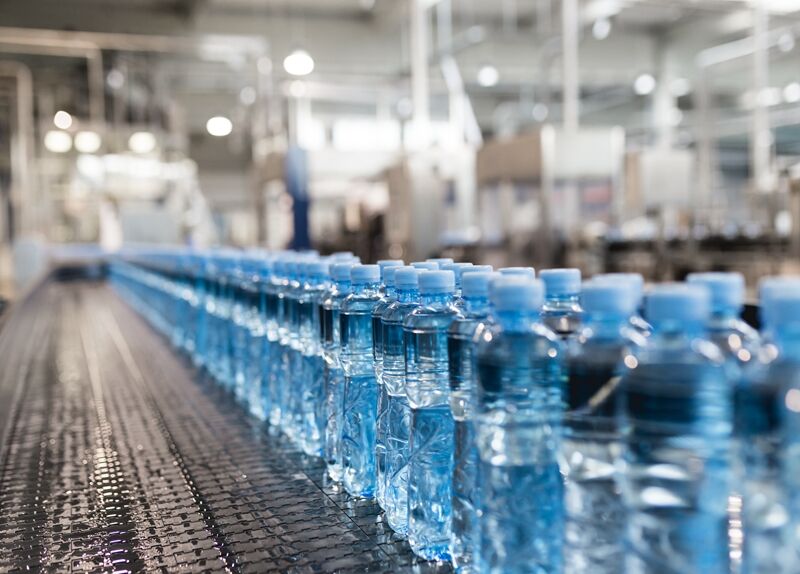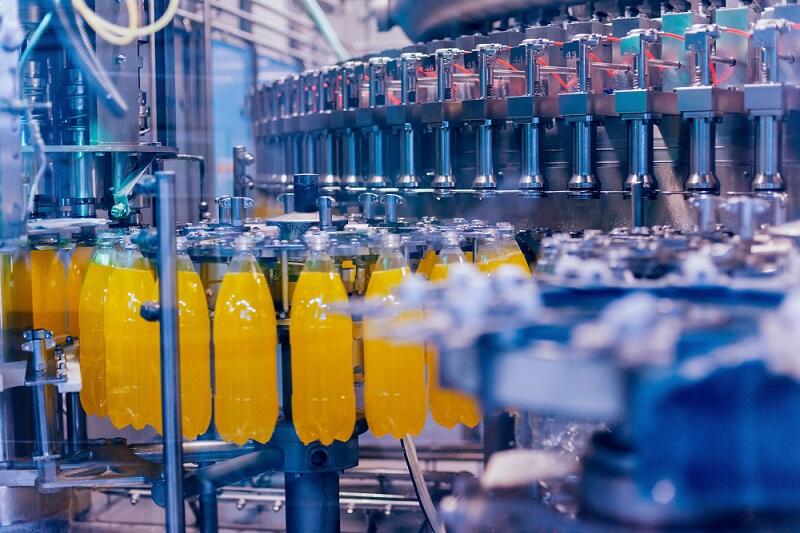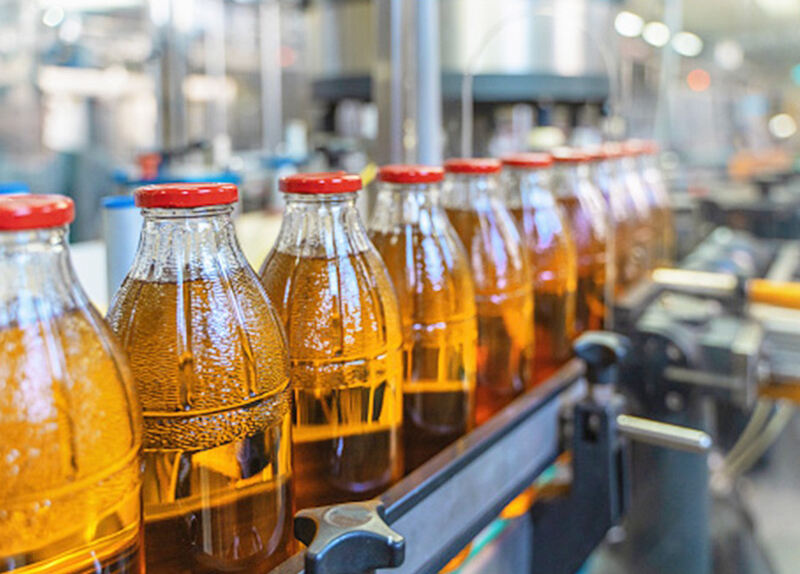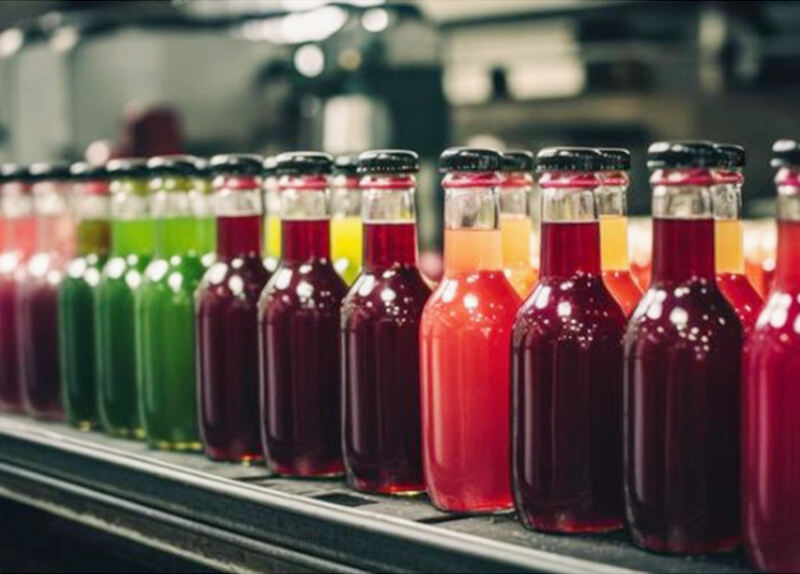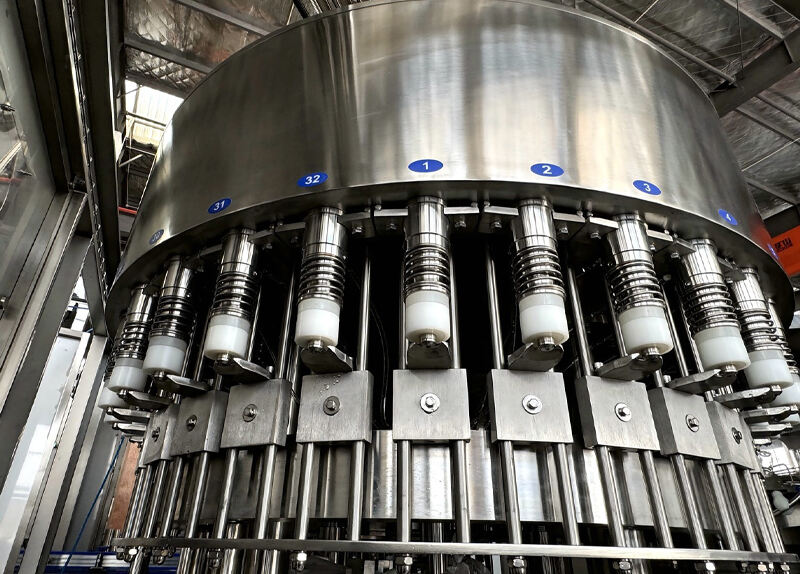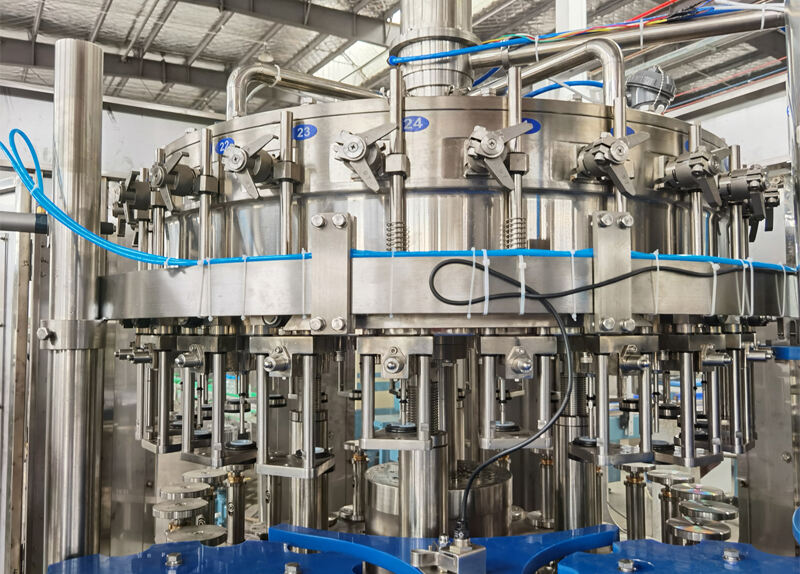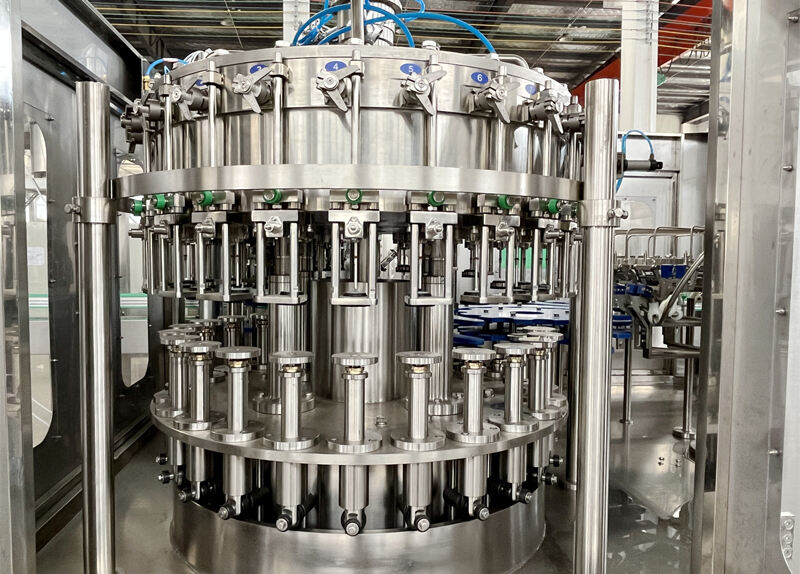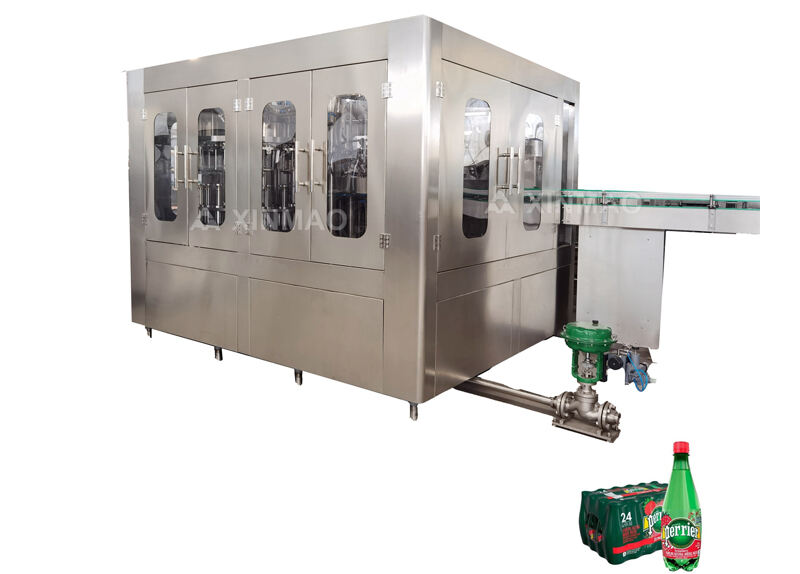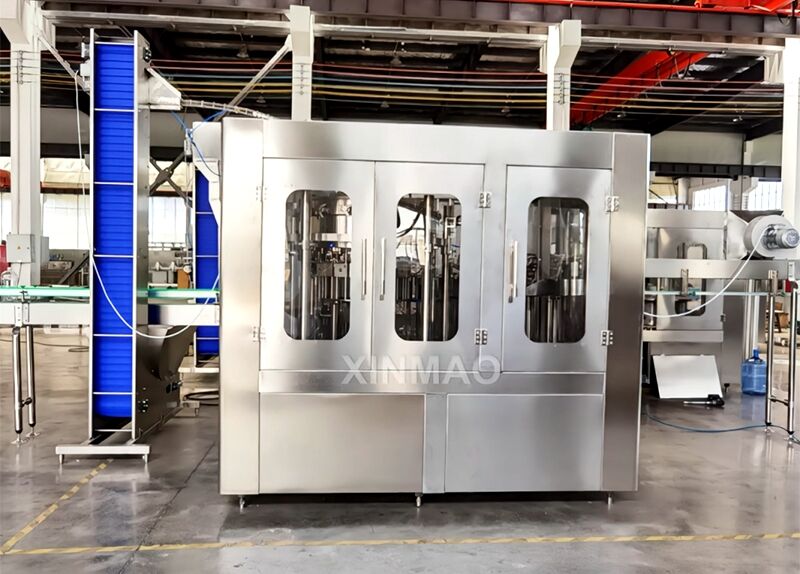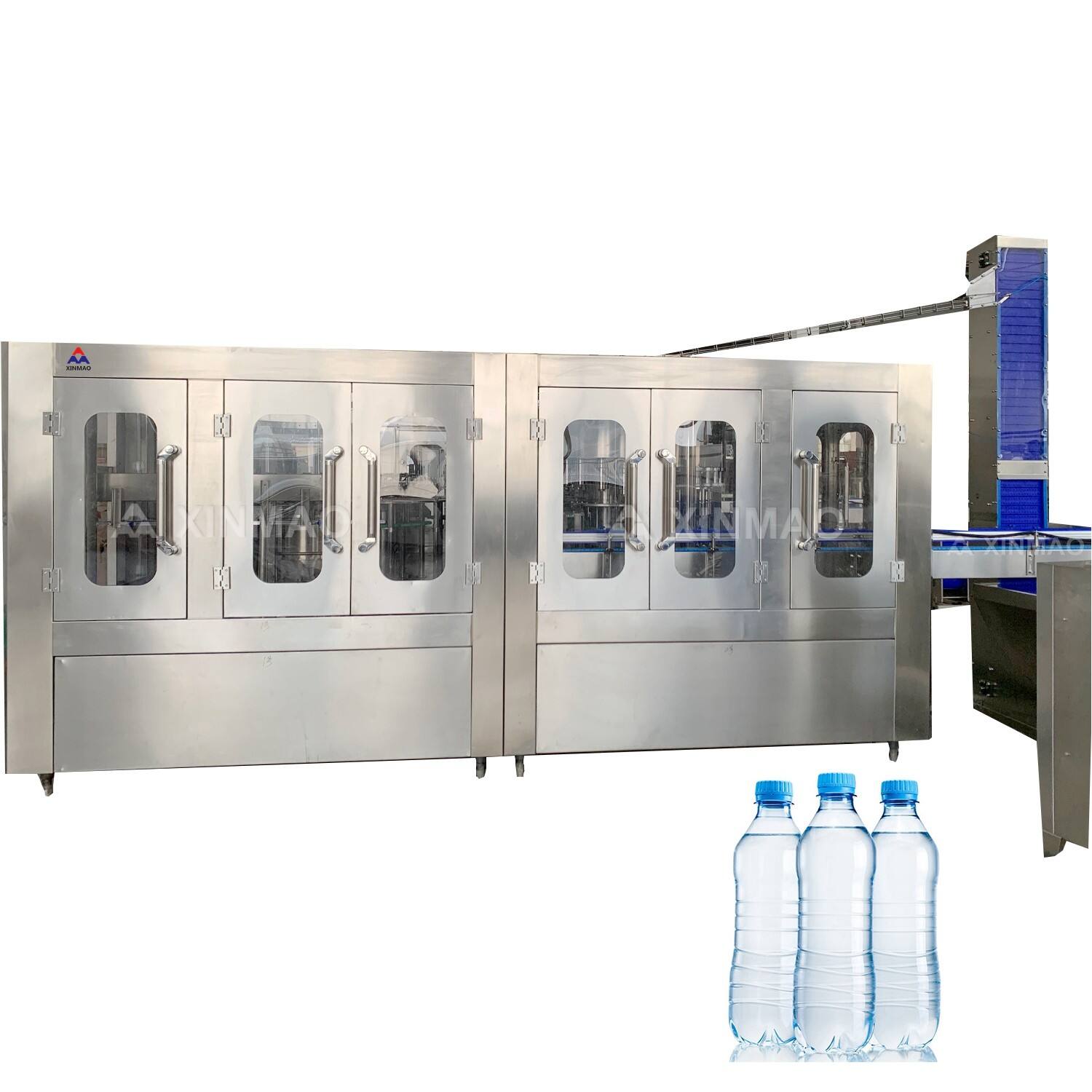
Water filling machines are designed to handle different types of filling methods to meet the specific requirements of various water sources and bottle materials. The most common filling methods used in water filling machines include gravity filling, normal pressure filling, and vacuum filling. Gravity filling is a simple and cost-effective filling method that relies on the force of gravity to fill the bottles. In a gravity filling machine, the water is stored in a tank above the filling nozzles. When the bottles are placed under the nozzles, the water flows down into the bottles due to gravity. This method is suitable for filling bottles with low-viscosity liquids, such as purified water and mineral water. Gravity filling machines are easy to operate and maintain, and they are often used in small-scale and low-capacity production facilities. Normal pressure filling, also known as atmospheric filling, is another widely used filling method. In a normal pressure filling machine, the water is filled into the bottles at atmospheric pressure. The filling process is controlled by valves that open and close to regulate the flow of water. This method is suitable for filling bottles with a wide range of liquids, including water, juices, and soft drinks. Normal pressure filling machines offer good filling accuracy and are relatively easy to clean and sanitize. They are commonly used in medium-scale production facilities. Vacuum filling is a filling method that creates a vacuum inside the bottle before filling. This helps to remove any air from the bottle, reducing the risk of oxidation and contamination. In a vacuum filling machine, the bottle is first evacuated to create a vacuum, and then the water is drawn into the bottle under the pressure difference. Vacuum filling is suitable for filling bottles with volatile or oxygen-sensitive liquids, such as some types of flavored water and premium mineral water. Vacuum filling machines offer high filling accuracy and can ensure the quality and stability of the bottled water. In real-world applications, the choice of filling method depends on the characteristics of the water source, bottle material, and production requirements. For example, if a manufacturer is producing bottled water with a high mineral content, they might choose a vacuum filling machine to prevent the minerals from oxidizing and affecting the taste of the water. If a manufacturer is producing large volumes of purified water for the mass market, a gravity filling or normal pressure filling machine might be more suitable due to their cost-effectiveness and ease of operation.
12
Dec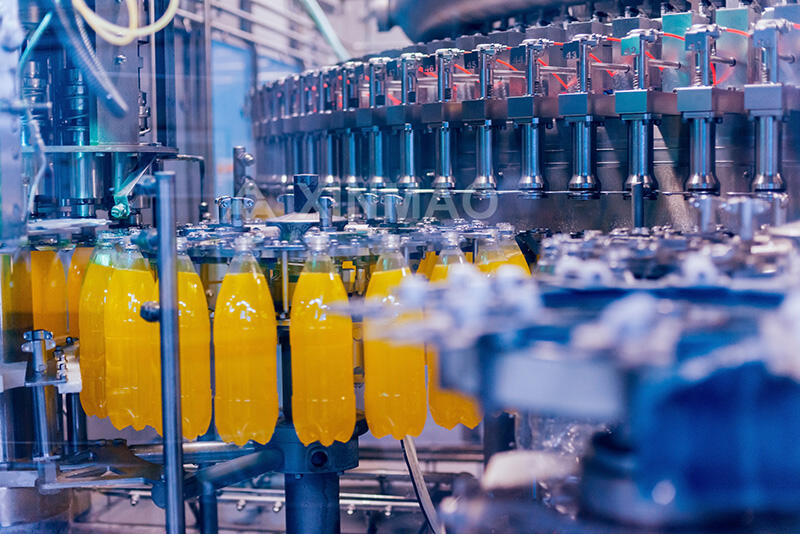
12
Dec
12
Dec
12
Dec
 EN
EN