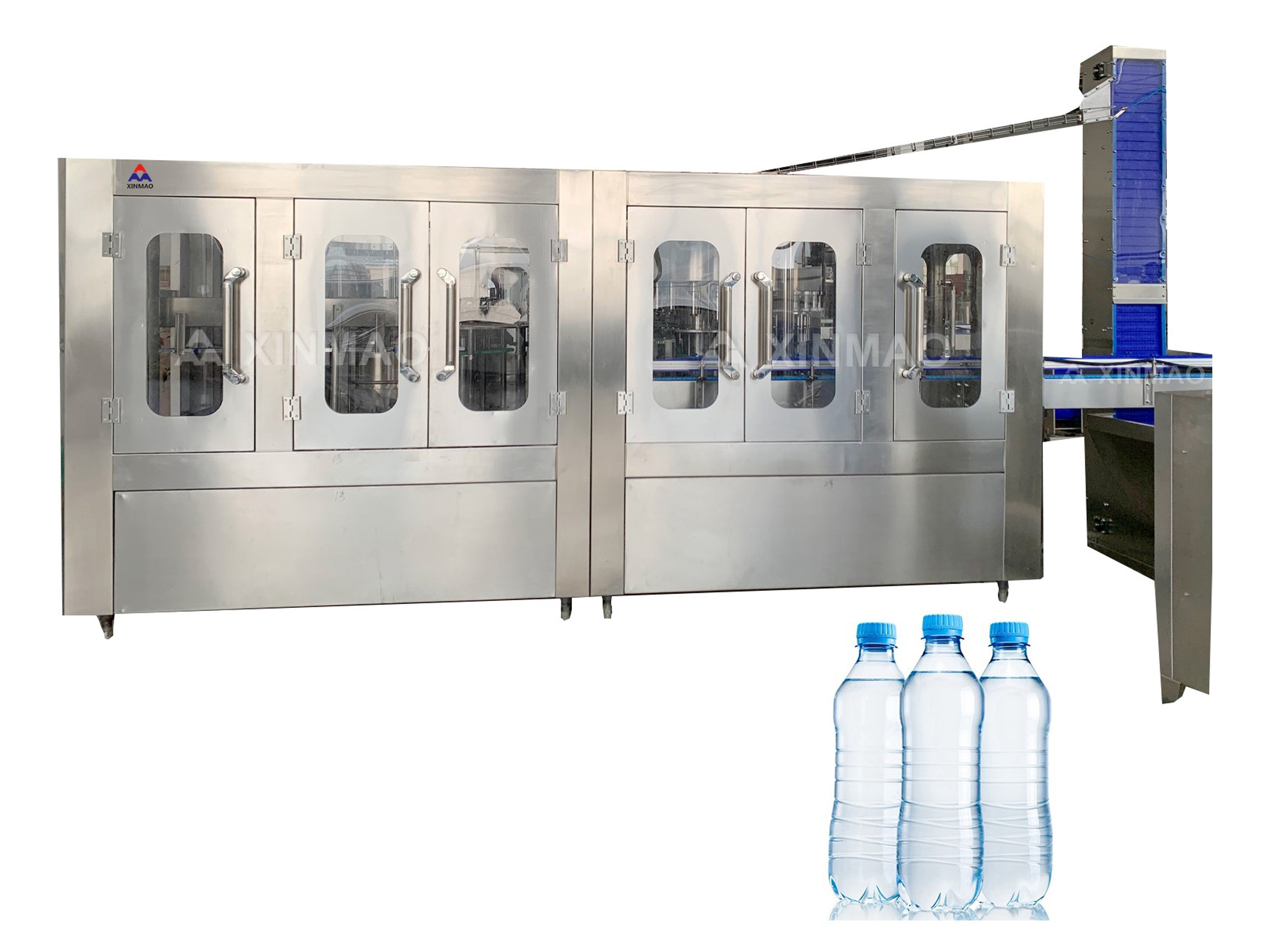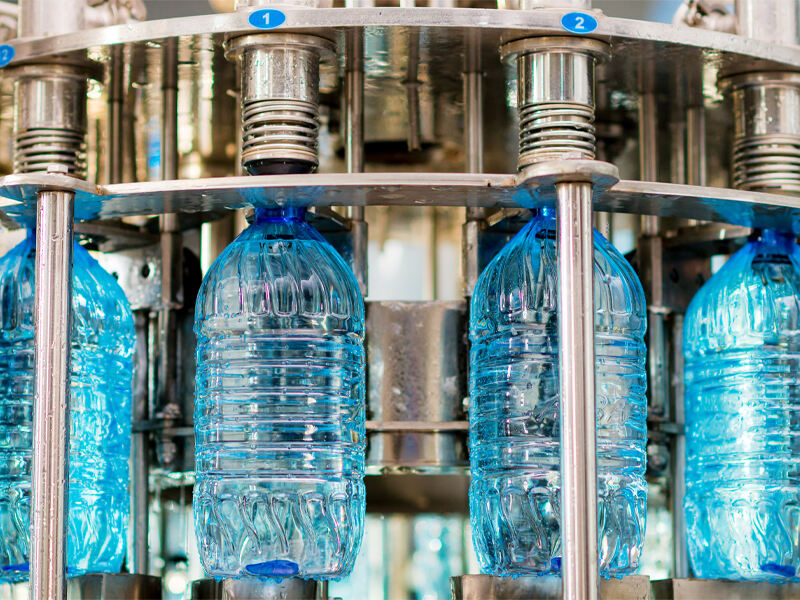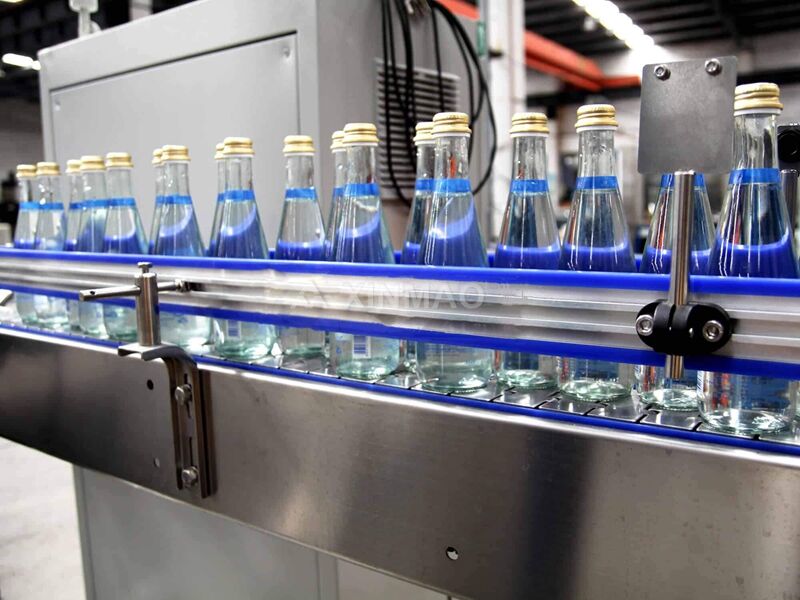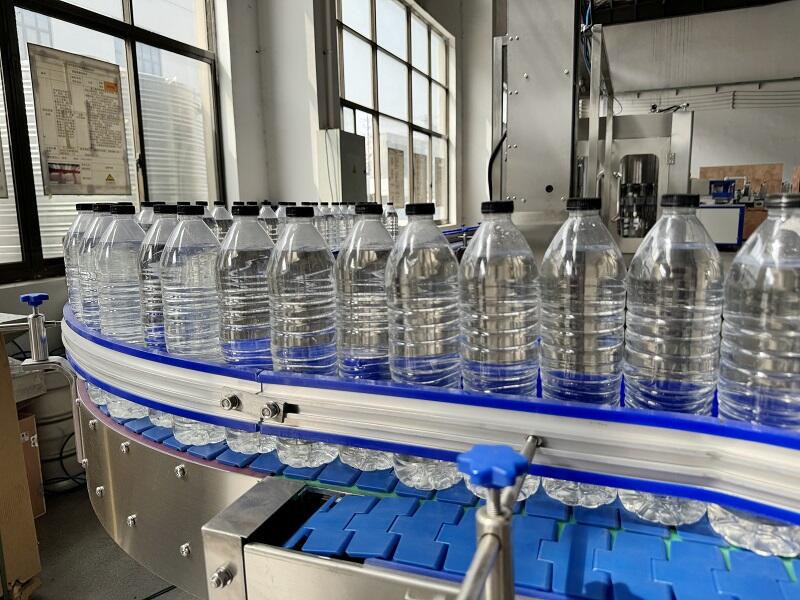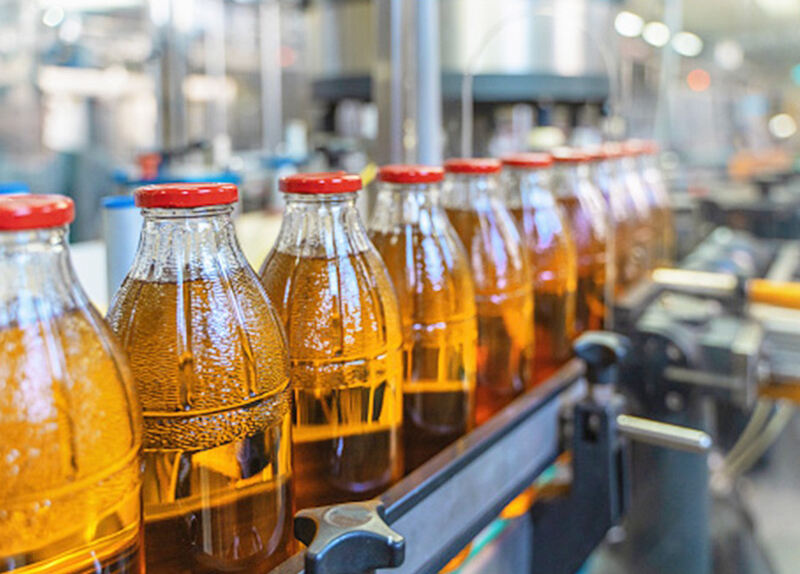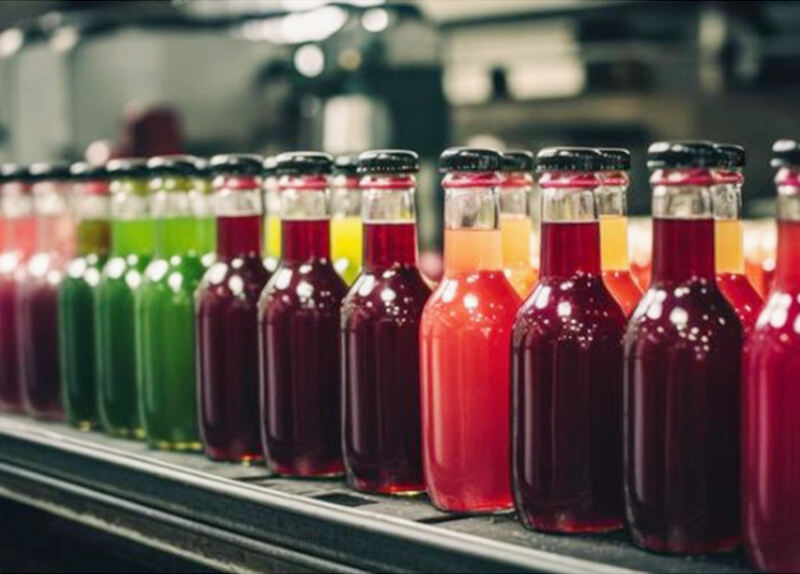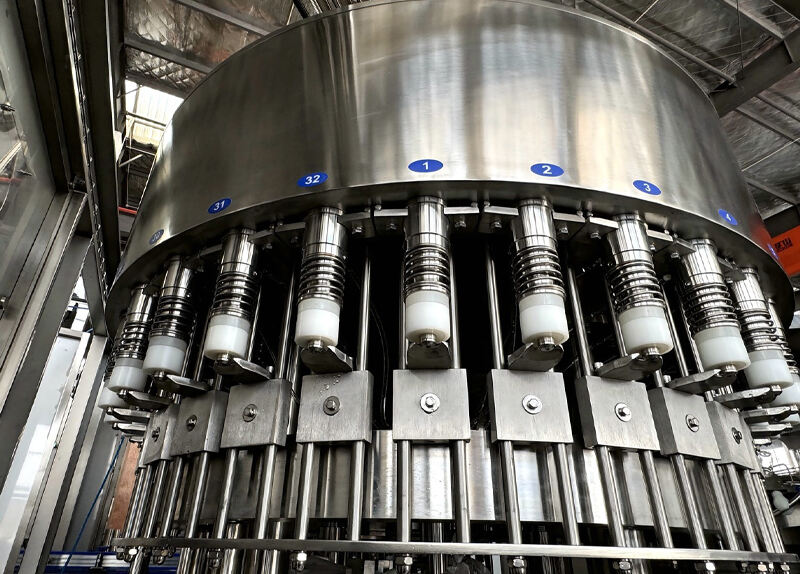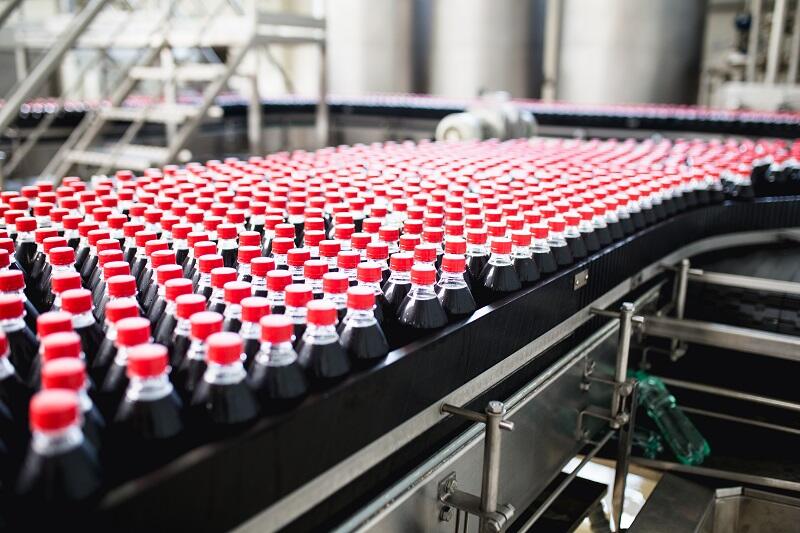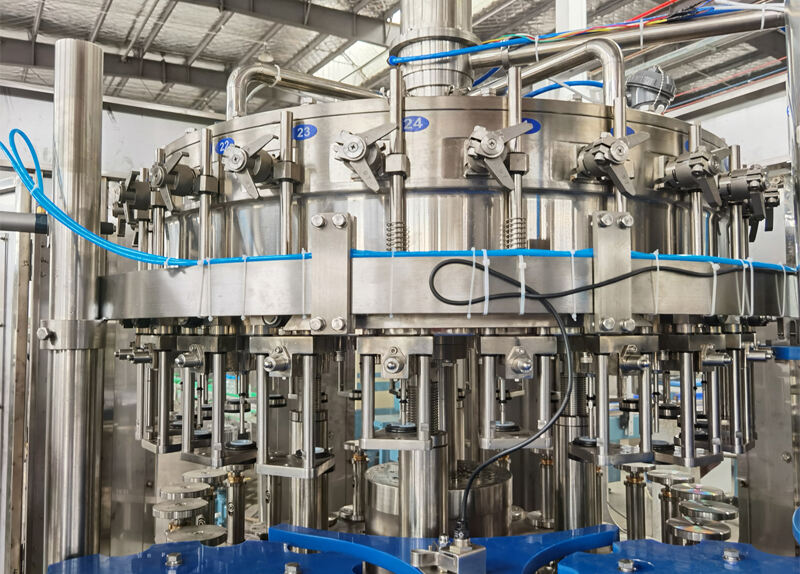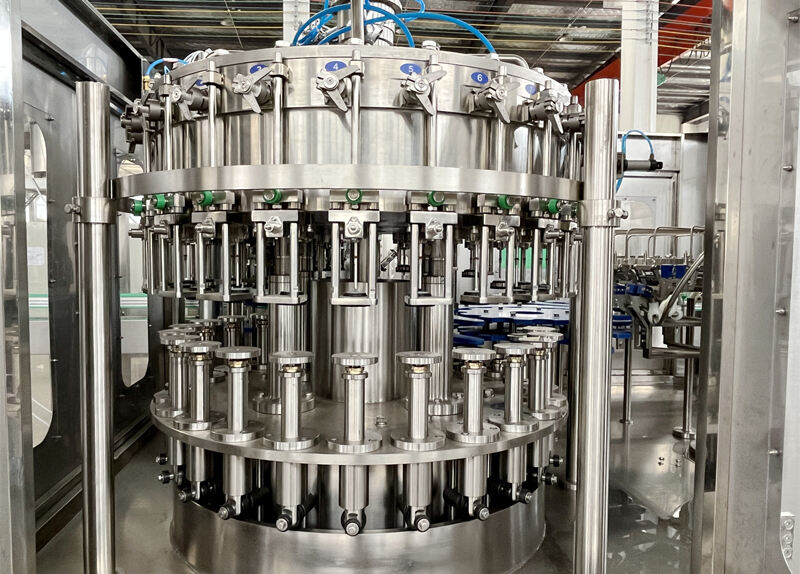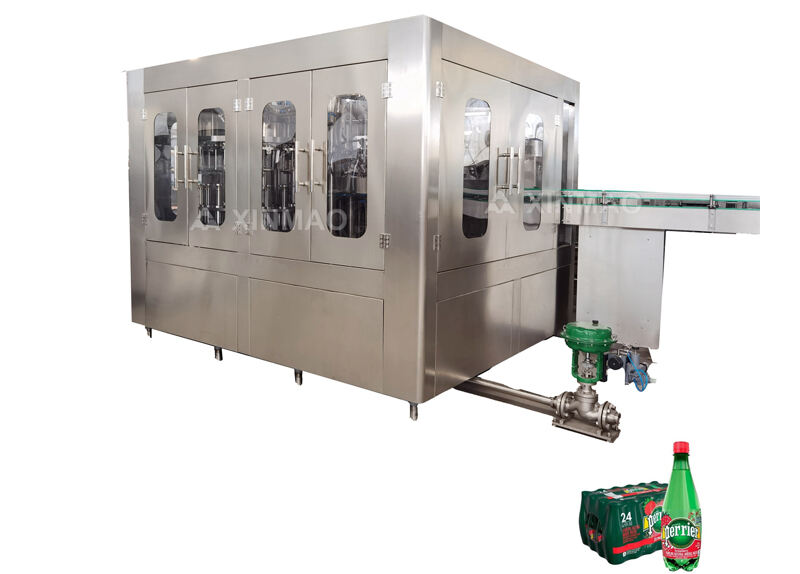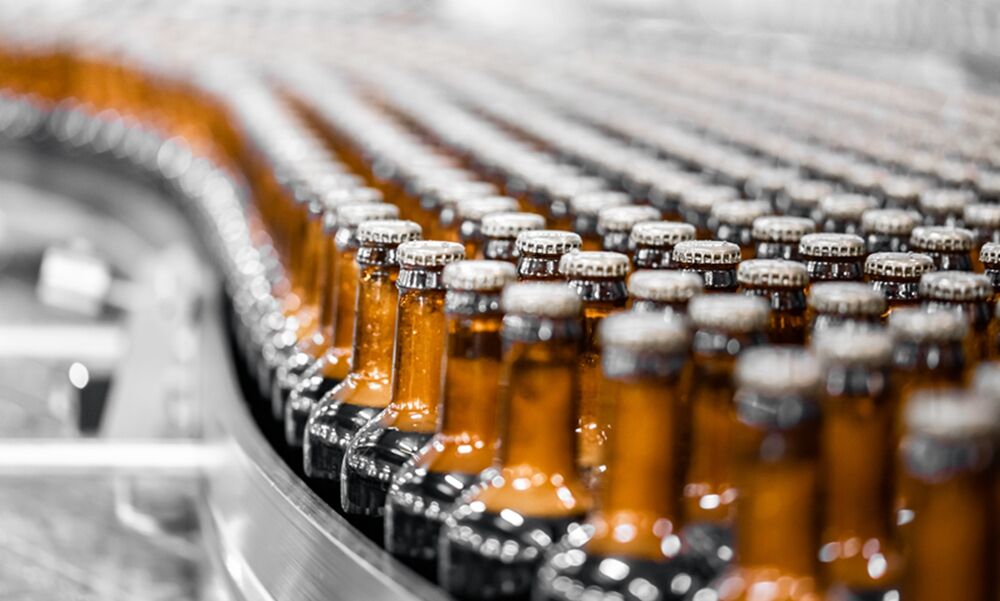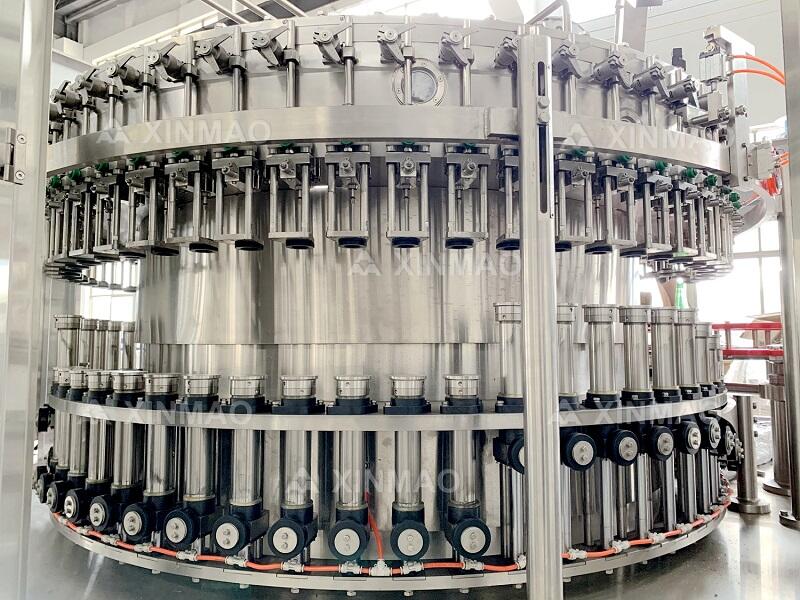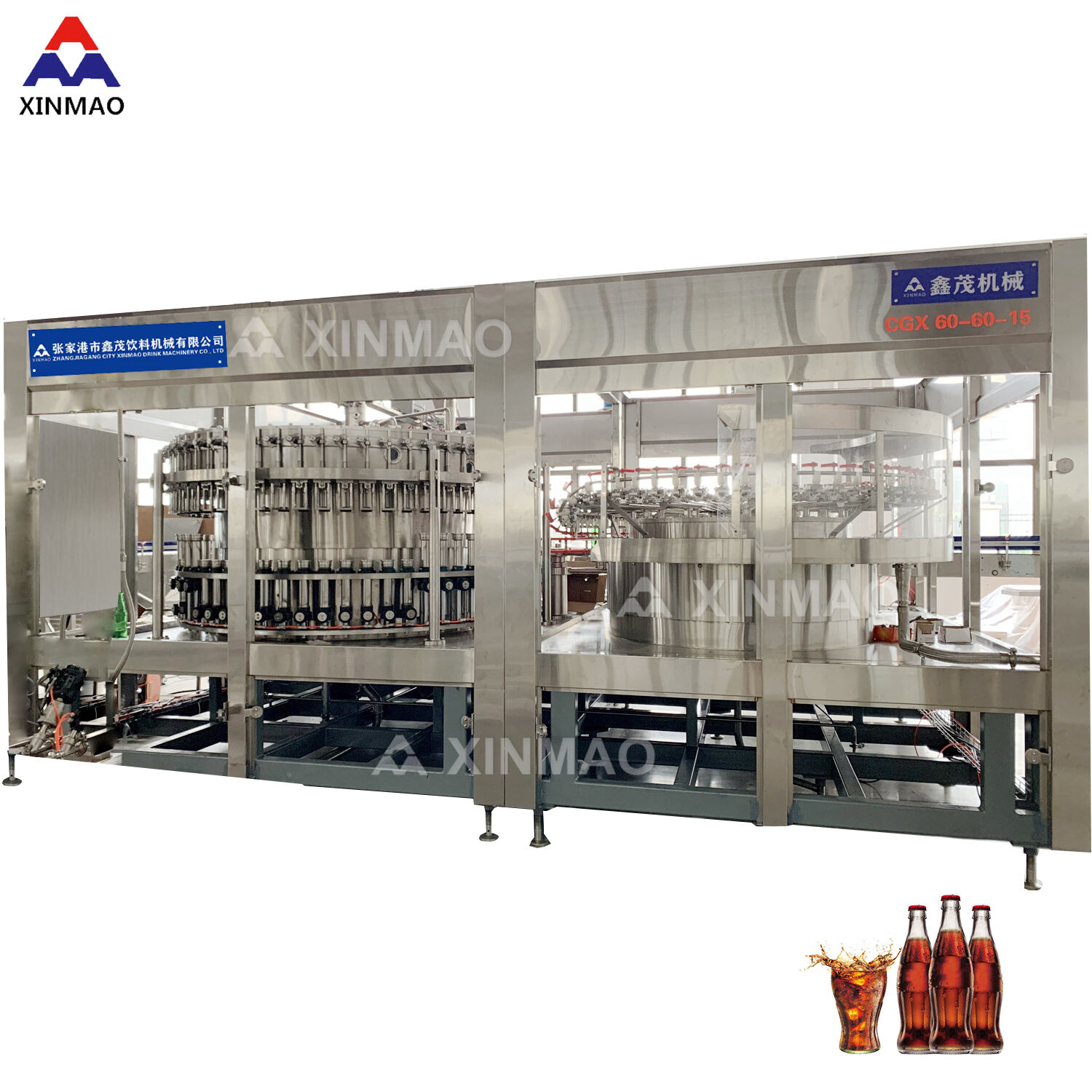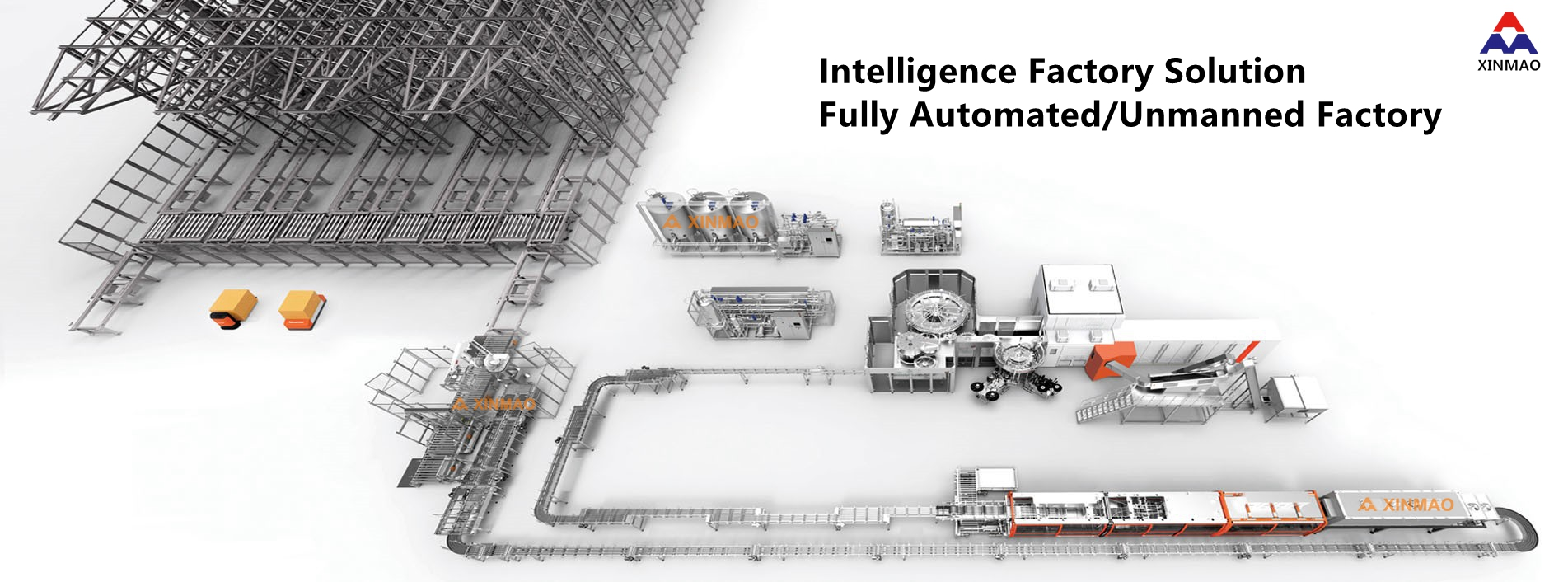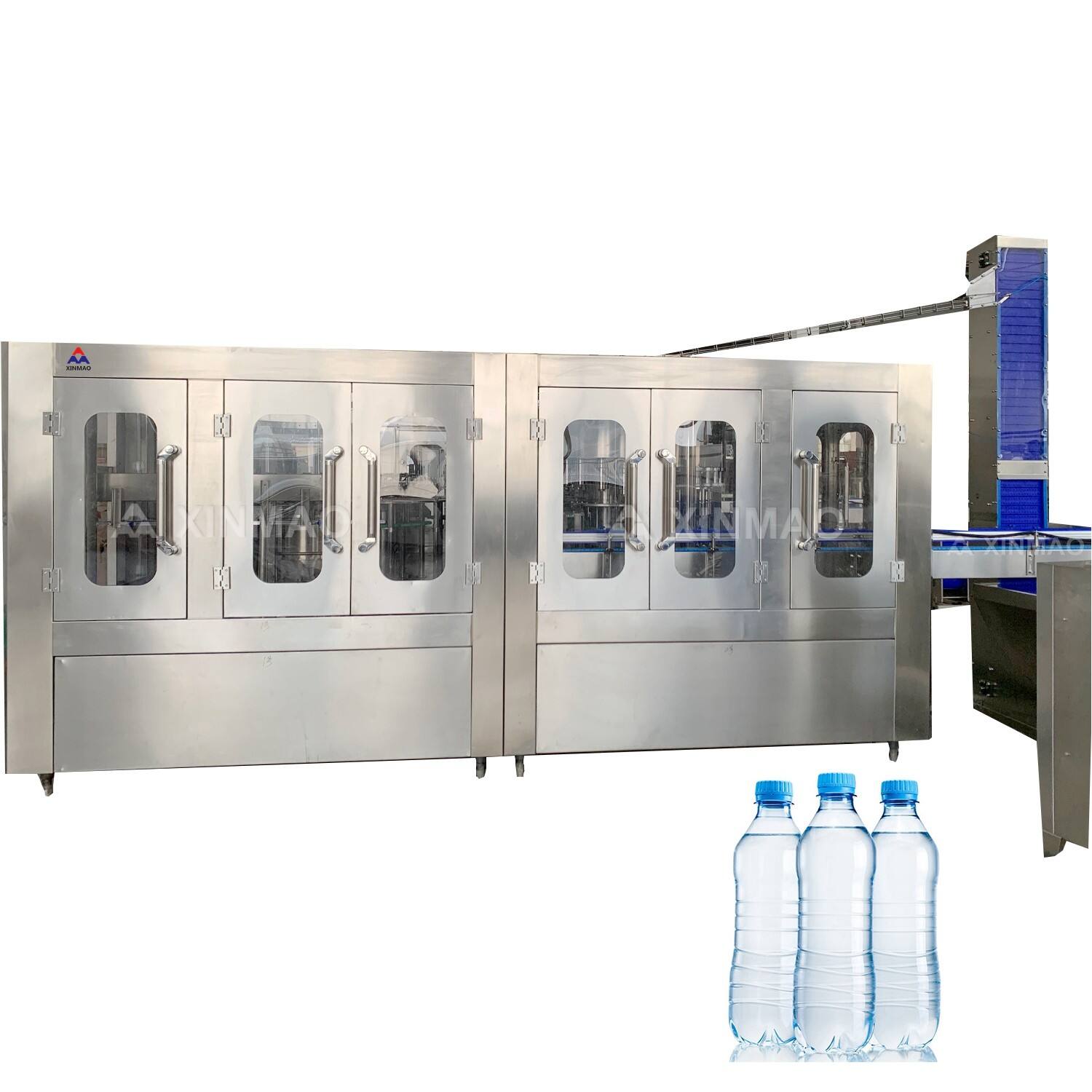
Water filling machines play a vital role in ensuring the efficient and hygienic production of bottled water. They are engineered to handle different types of water sources, including purified water, mineral water, and spring water. One of the key features of a high-quality water filling machine is its ability to maintain the purity of the water during the filling process. This is achieved through the use of advanced filtration systems and sterile filling environments. For example, in a sterile filling line, the entire filling area is kept under positive pressure and is regularly sanitized to prevent contamination. The bottles are also pre-sterilized before filling, ensuring that the final product meets the highest quality standards. In terms of application, water filling machines are widely used in various industries, from small local water bottling plants to large multinational beverage companies. A small local plant in a developing country might use a basic water filling machine to serve the local market. This machine may have a lower production capacity but is still capable of producing safe and clean drinking water for the community. In contrast, a large beverage company with a global presence would require a more sophisticated and high-capacity water filling machine to meet the demands of its international customers. These machines are often integrated into a complete production line, which includes bottle blowing, labeling, and packaging equipment. Another important aspect of water filling machines is their versatility. They can be customized to handle different bottle sizes and shapes, from small 300ml bottles to large 2L containers. This flexibility allows manufacturers to offer a wide range of products to cater to different consumer preferences. For instance, a sports drink brand might use a water filling machine to fill its bottles with a specially formulated electrolyte-rich water, targeting athletes and fitness enthusiasts.
 EN
EN