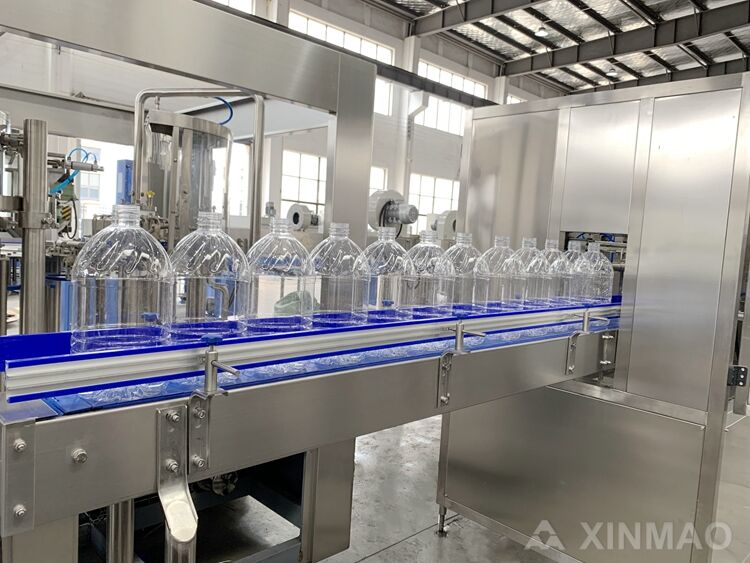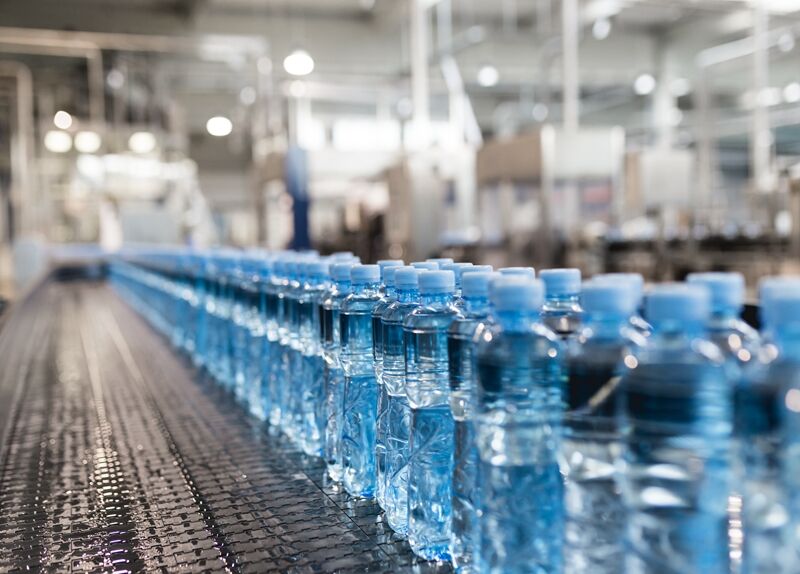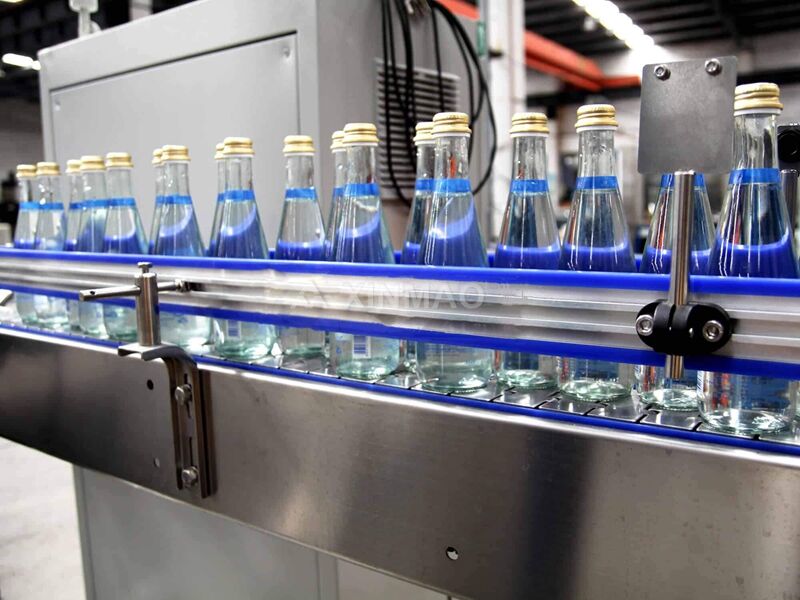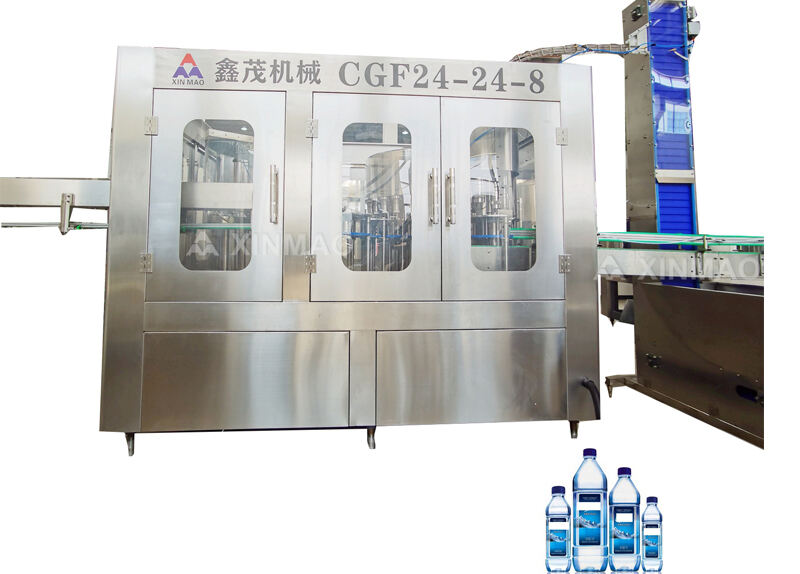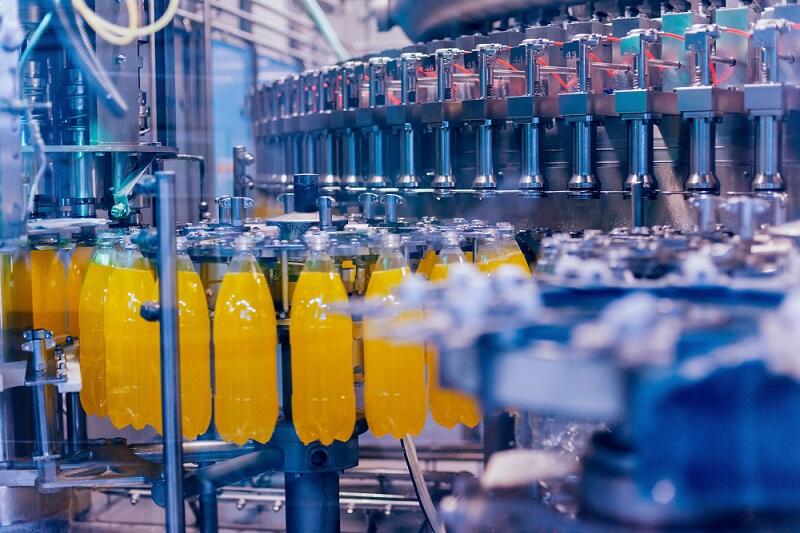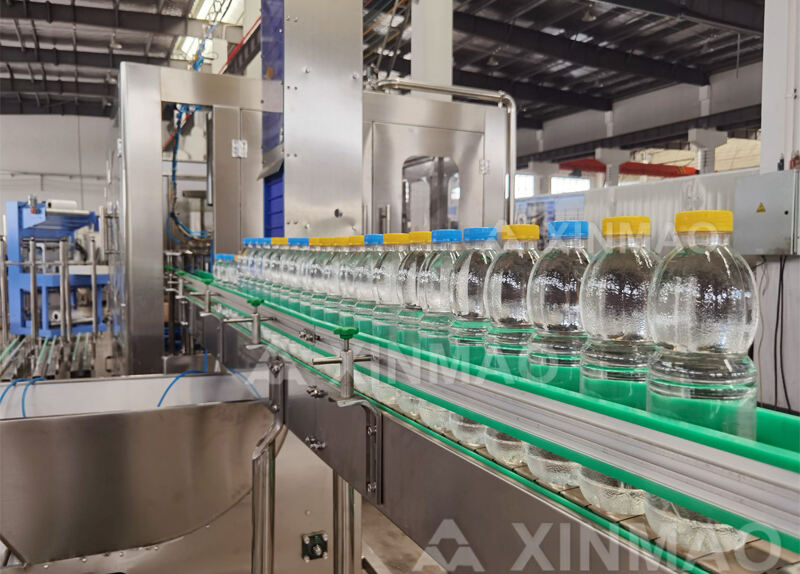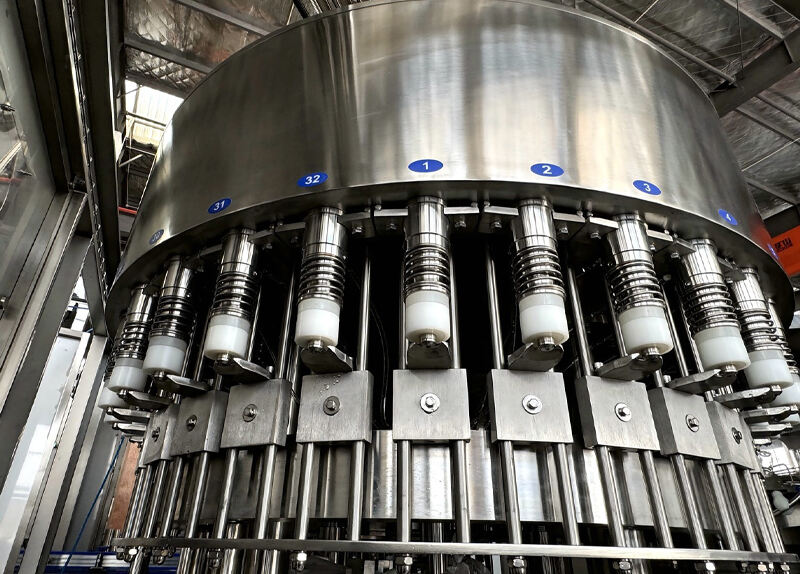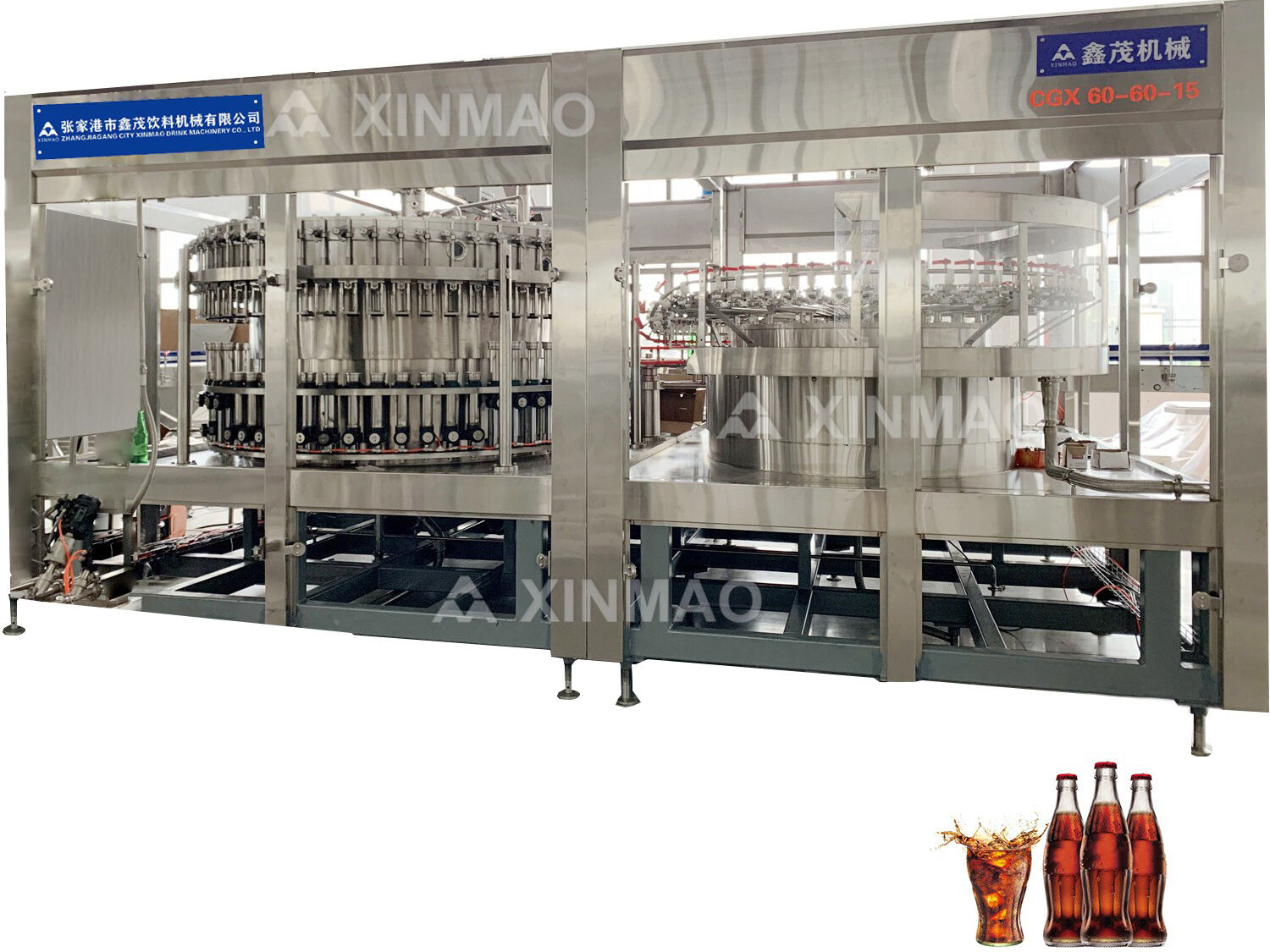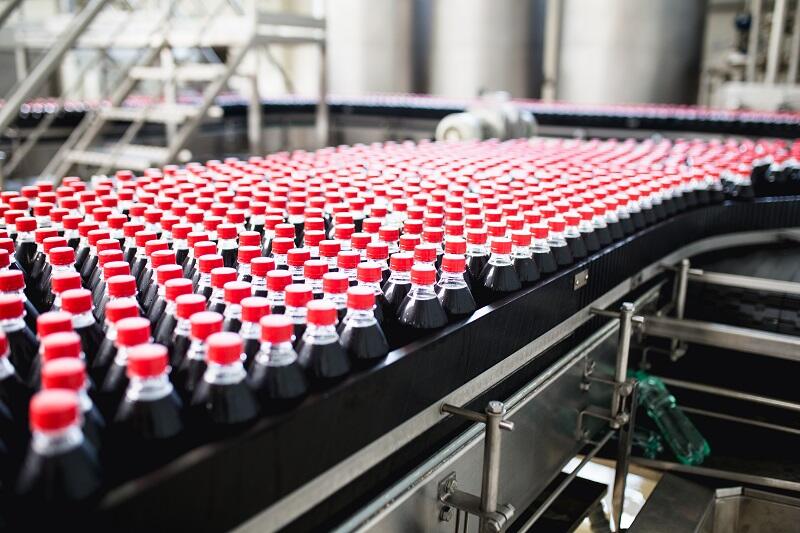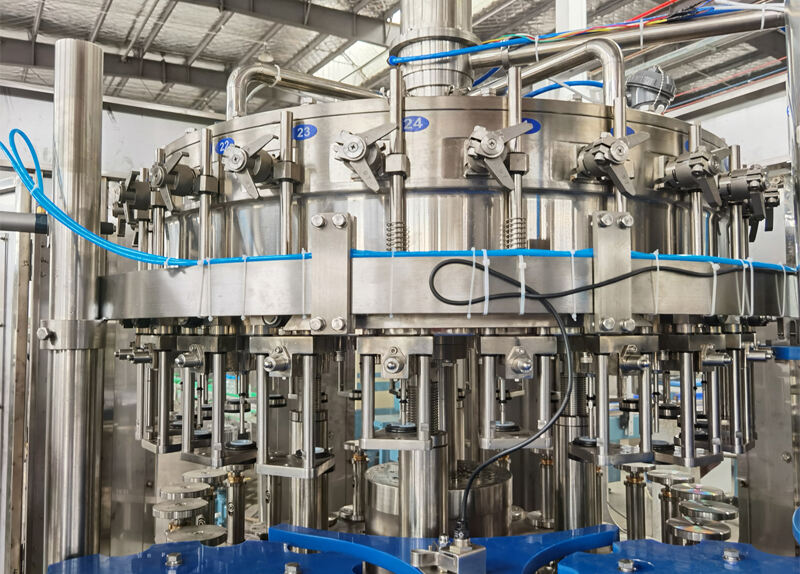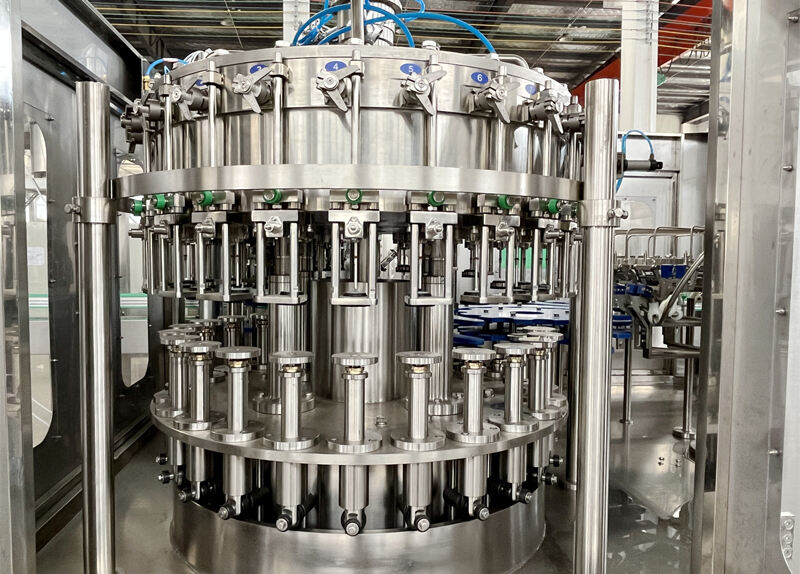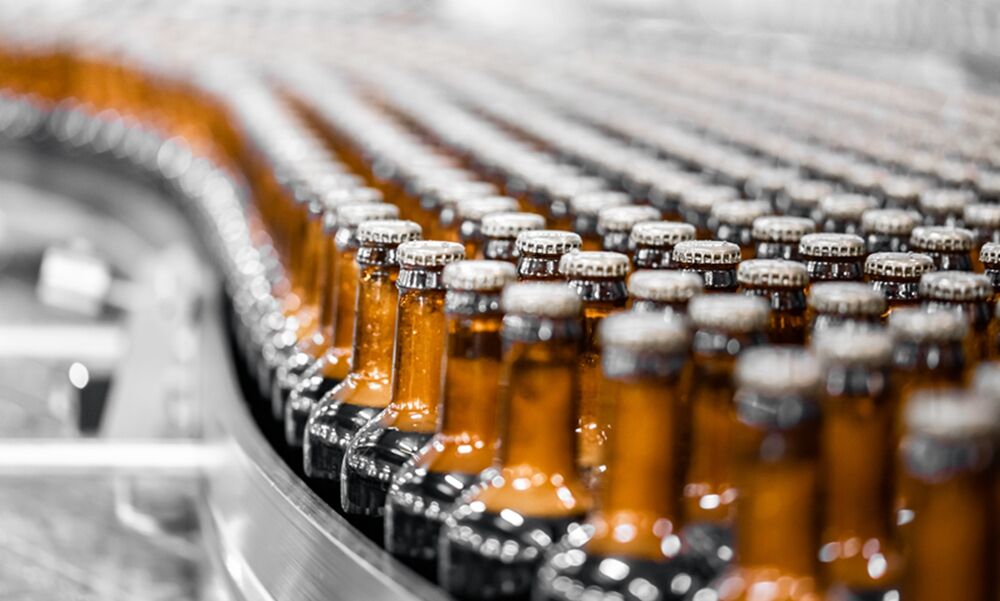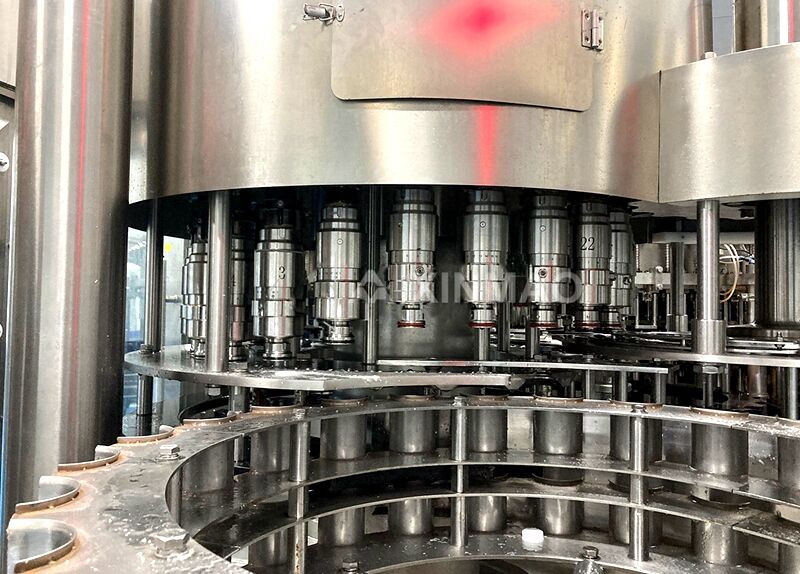
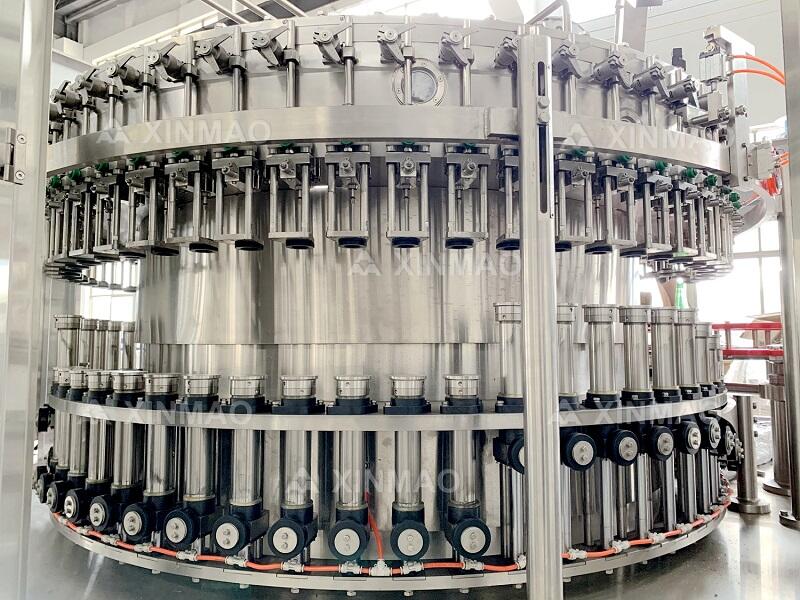
The integration of water filling machines into complete beverage production lines is a common practice in the industry, as it offers several advantages in terms of efficiency, cost-effectiveness, and product quality. A complete beverage production line typically includes several key components, such as bottle blowing machines, bottle washing machines, water filling machines, capping machines, labeling machines, and packaging machines. Each component plays a crucial role in the overall production process, and their seamless integration ensures a smooth and efficient workflow. For example, in a bottled water production line, the bottle blowing machine first produces the PET bottles from preforms. These bottles are then transported to the bottle washing machine, where they are cleaned and sanitized to remove any impurities. After washing, the bottles are sent to the water filling machine for filling with the desired type of water. The filled bottles are then capped using a capping machine, labeled with product information using a labeling machine, and finally packaged into cartons or pallets using a packaging machine. The integration of these machines is achieved through a well-designed conveyor system that transports the bottles between each stage of the production process. The conveyor system should be able to handle different bottle sizes and shapes and ensure a consistent and reliable flow of bottles. For instance, a high-speed conveyor system can transport bottles at a speed that matches the filling capacity of the water filling machine, minimizing bottlenecks and maximizing production efficiency. In addition to the physical integration of the machines, the control systems of each component should also be integrated to enable centralized monitoring and control. This allows operators to monitor the production parameters of each machine, such as filling speed, temperature, and pressure, from a single control panel. It also enables the machines to communicate with each other and adjust their operations automatically based on the production requirements. For example, if the water filling machine detects a change in the bottle size, it can send a signal to the capping machine to adjust the capping parameters accordingly. The integration of water filling machines into complete production lines is used in various application scenarios, from small-scale local bottling plants to large multinational beverage companies. For a small local plant, a compact and integrated production line might be the ideal choice, as it requires less space and investment. For a large company, a high-capacity and fully automated production line can meet the demands of a global market and improve its competitiveness.
12
Dec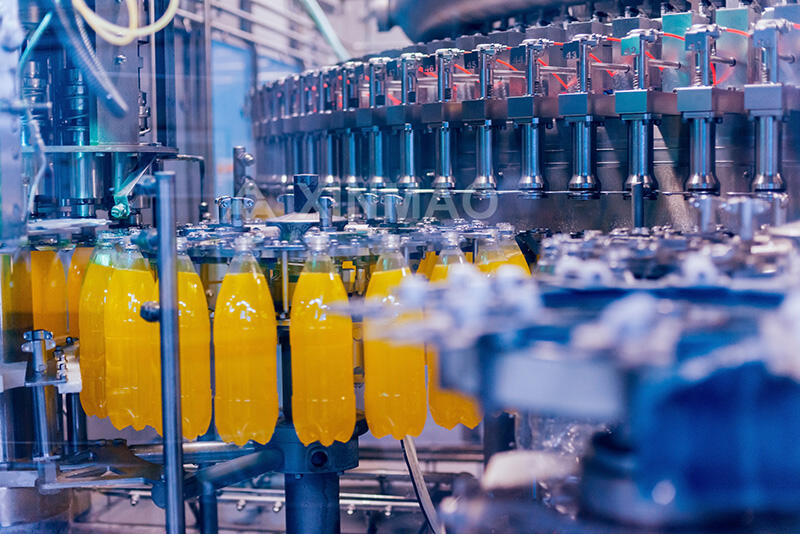
12
Dec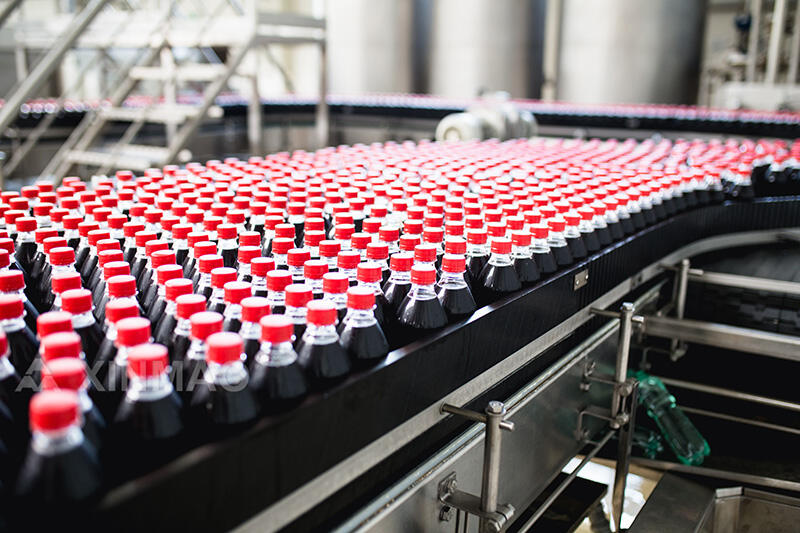
12
Dec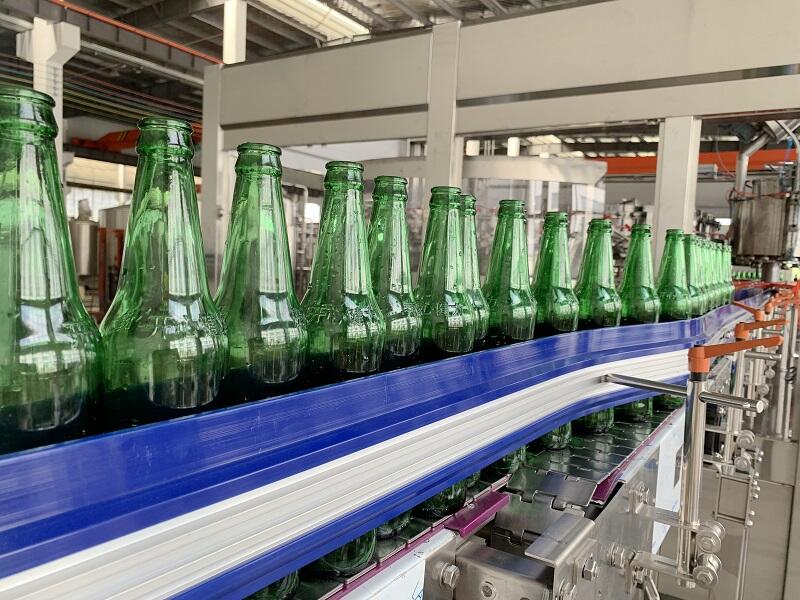
12
Dec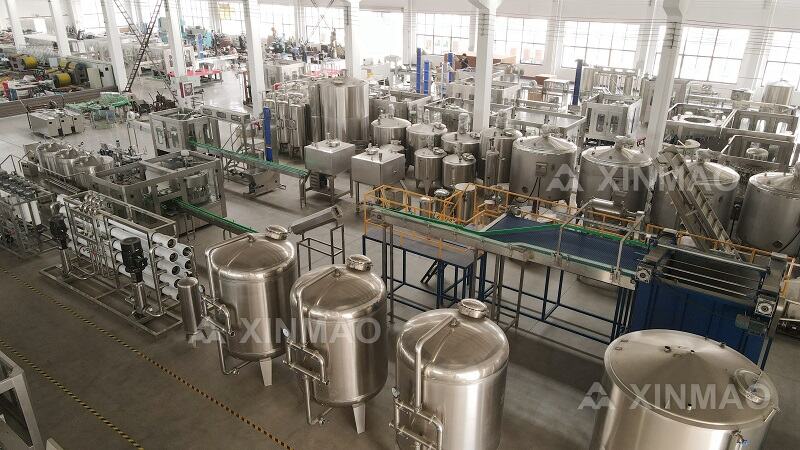
 EN
EN