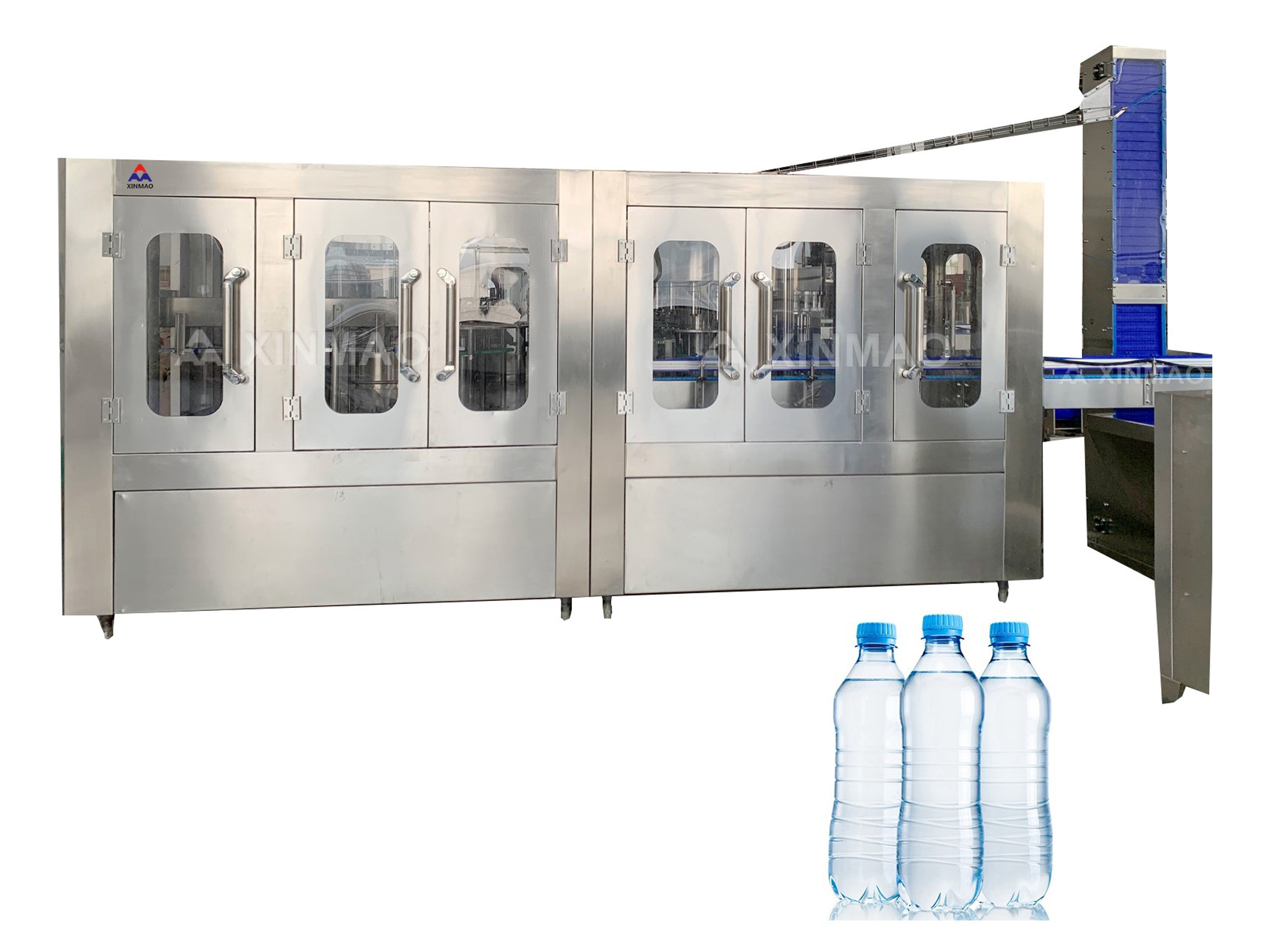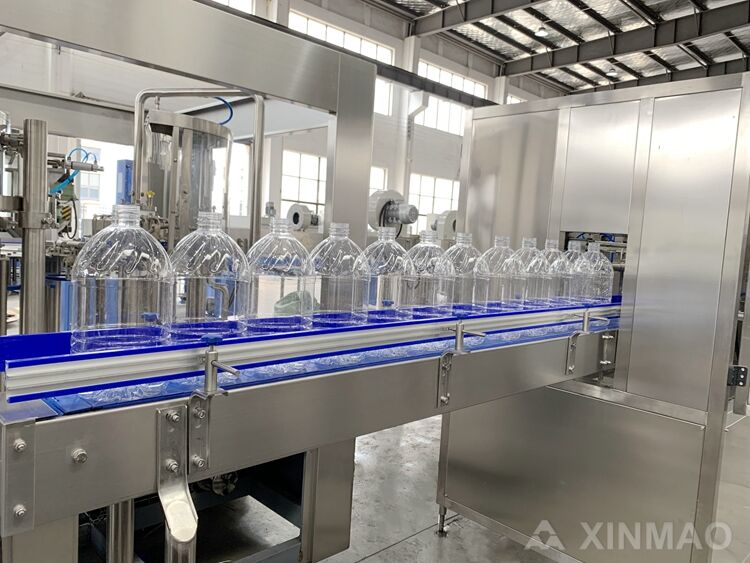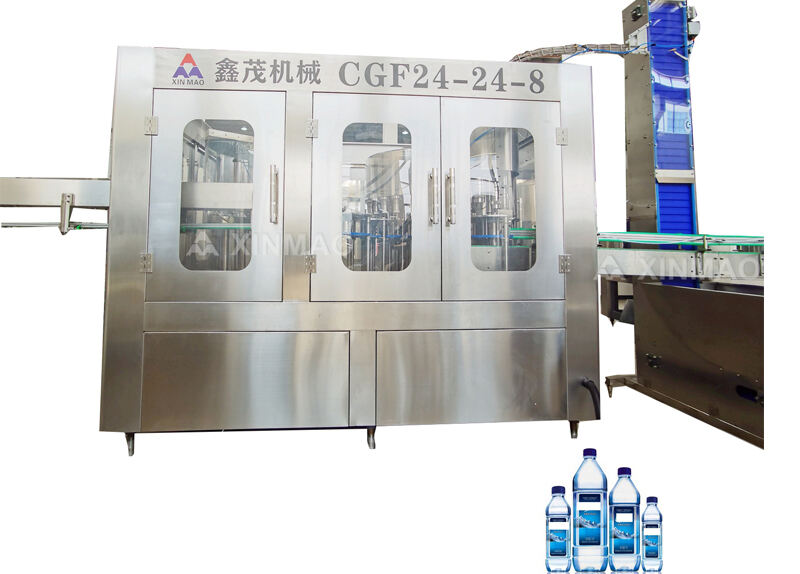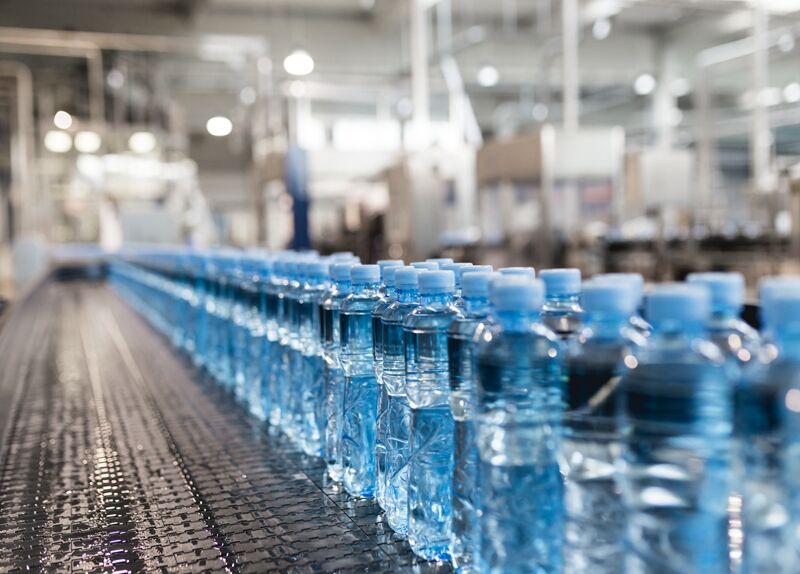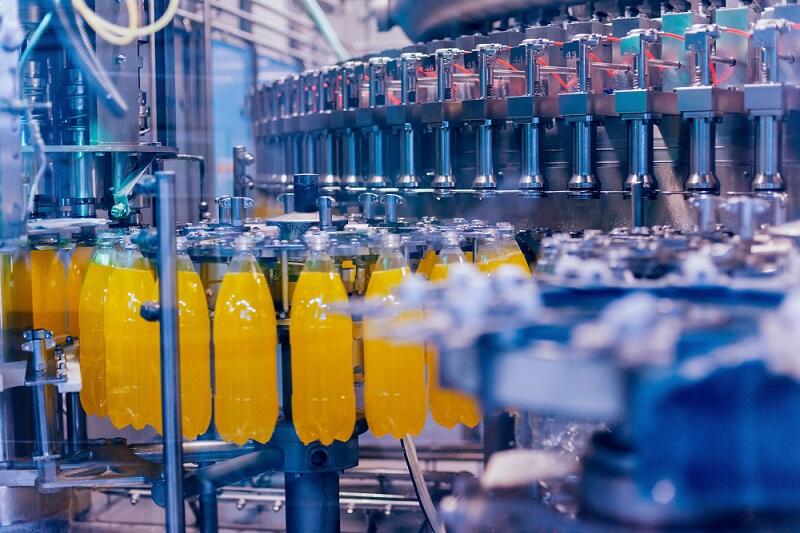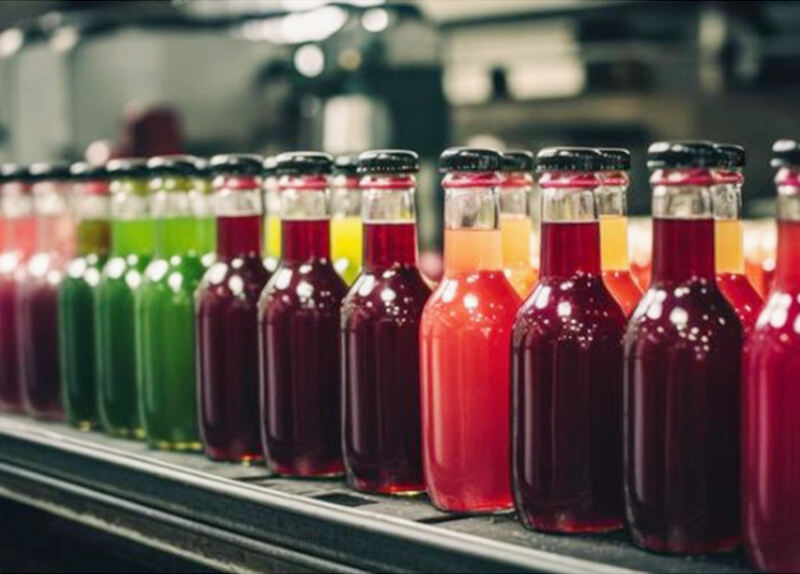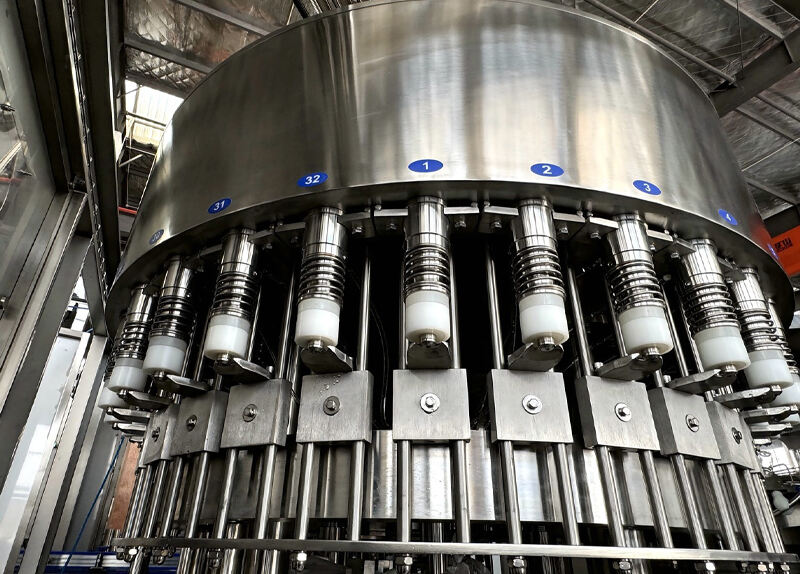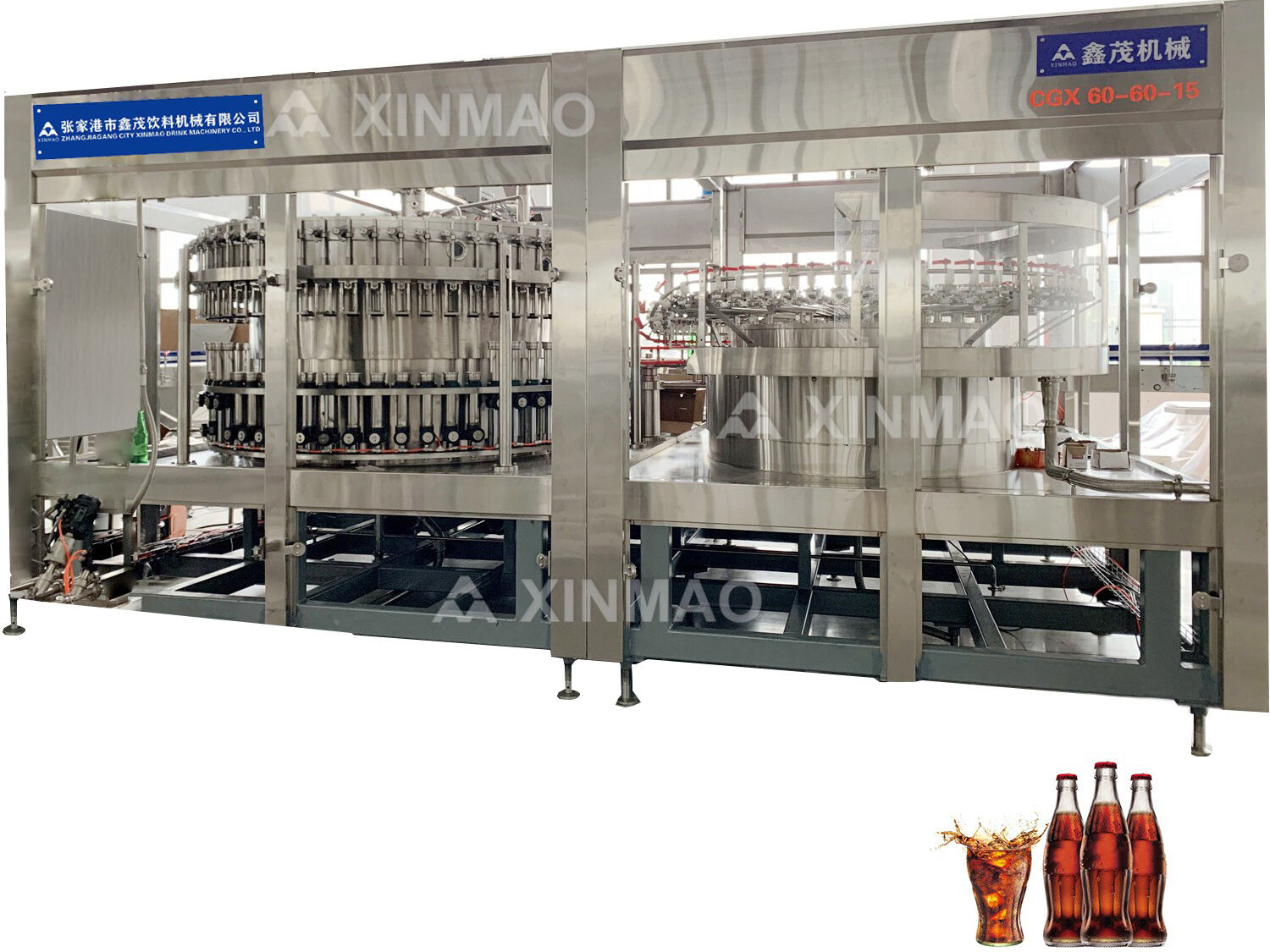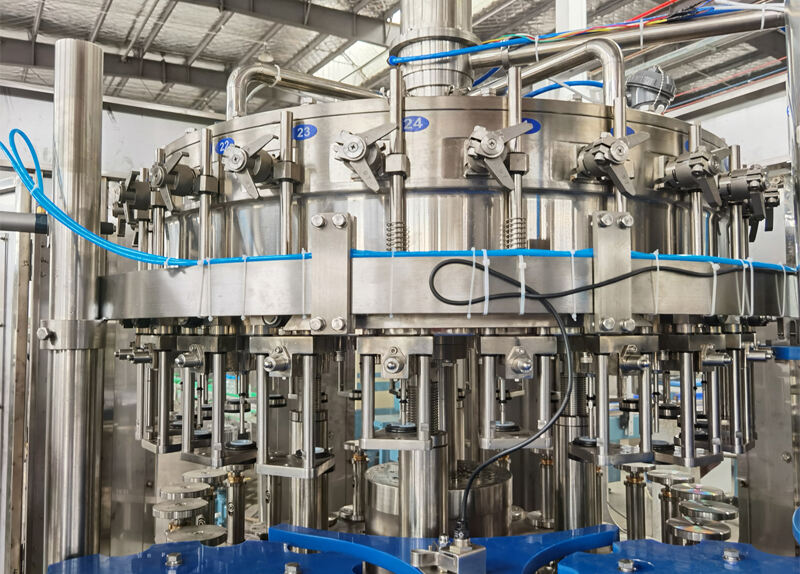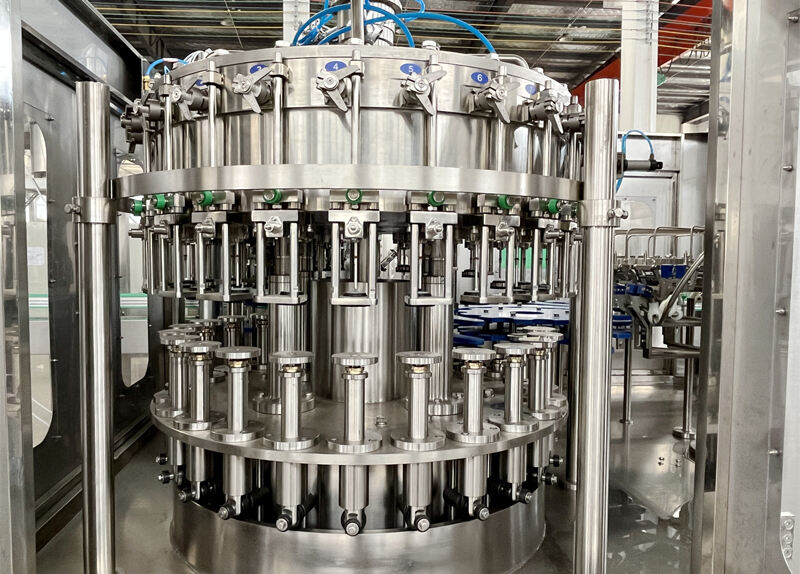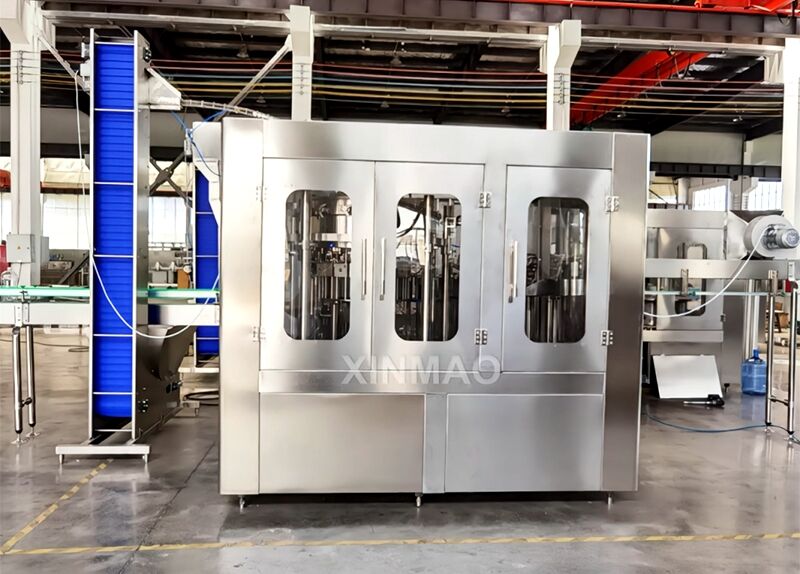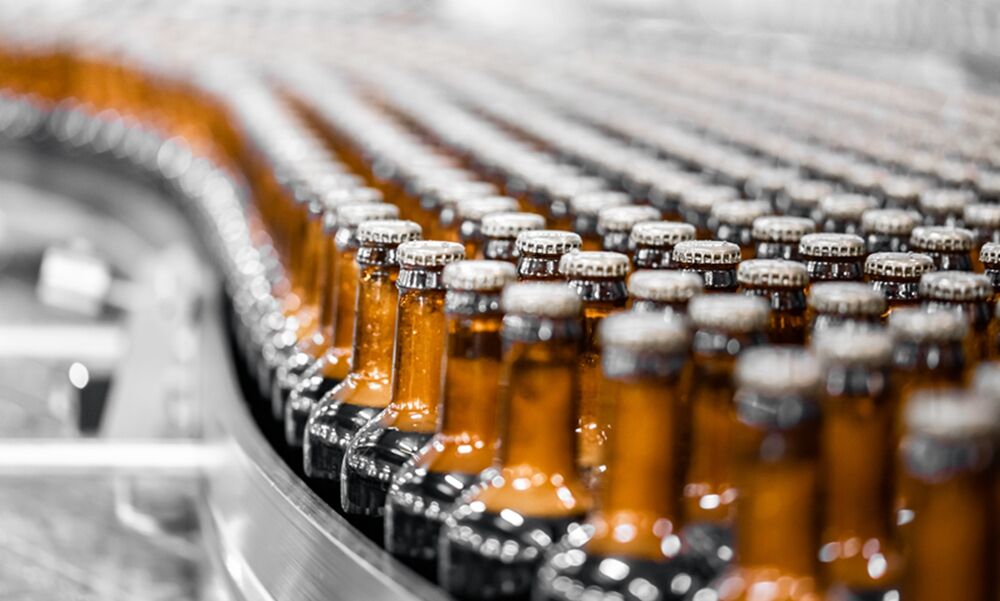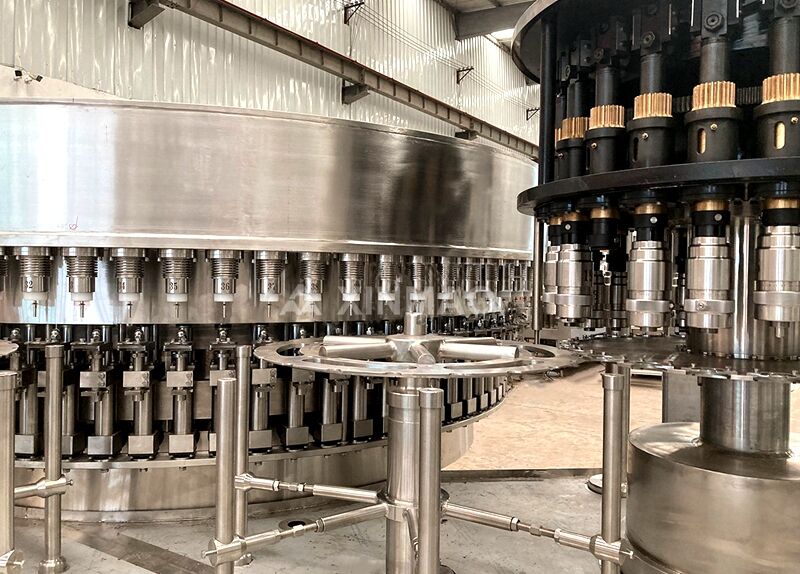
Water filling machines are constantly evolving to meet the changing needs and demands of the beverage industry. Technological advancements are driving the development of more advanced and efficient water filling machines, offering manufacturers new opportunities to improve their production processes and product quality. One of the significant technological advancements in water filling machines is the use of robotics. Robotic water filling machines are equipped with robotic arms that can handle various tasks, such as bottle picking, placing, and capping. These robots are highly precise and can operate at high speeds, reducing the need for manual labor and improving production efficiency. For example, a robotic water filling machine can pick up bottles from a conveyor belt, place them accurately under the filling nozzles, and then cap them after filling, all in a seamless and automated process. Another technological trend is the application of artificial intelligence (AI) in water filling machines. AI-powered water filling machines can analyze production data in real-time, identify patterns and trends, and make intelligent decisions to optimize the production process. For instance, an AI-based water filling machine can adjust the filling parameters based on the characteristics of the water source, bottle material, and production environment, ensuring optimal filling accuracy and quality. It can also predict potential equipment failures by analyzing sensor data and alert operators in advance, reducing downtime and maintenance costs. The Internet of Things (IoT) is also playing a crucial role in the development of smart water filling machines. IoT-enabled water filling machines are connected to the internet, allowing for remote monitoring and control. Manufacturers can access real-time data on the machine's performance, such as filling speed, volume, and energy consumption, from anywhere in the world using a mobile device or computer. This enables them to make timely adjustments to the production process and troubleshoot any issues remotely. For example, if a water filling machine in a remote production facility experiences a problem, the operator can diagnose the issue and provide instructions for repair without having to travel to the site. In terms of application, these technological advancements are being adopted by beverage manufacturers of all sizes. Small-scale manufacturers can benefit from the increased efficiency and accuracy of robotic and AI-powered water filling machines, allowing them to compete more effectively in the market. Large-scale manufacturers can use IoT-enabled water filling machines to manage their global production networks more efficiently, improving overall productivity and reducing costs.
12
Dec
12
Dec
12
Dec
12
Dec
 EN
EN