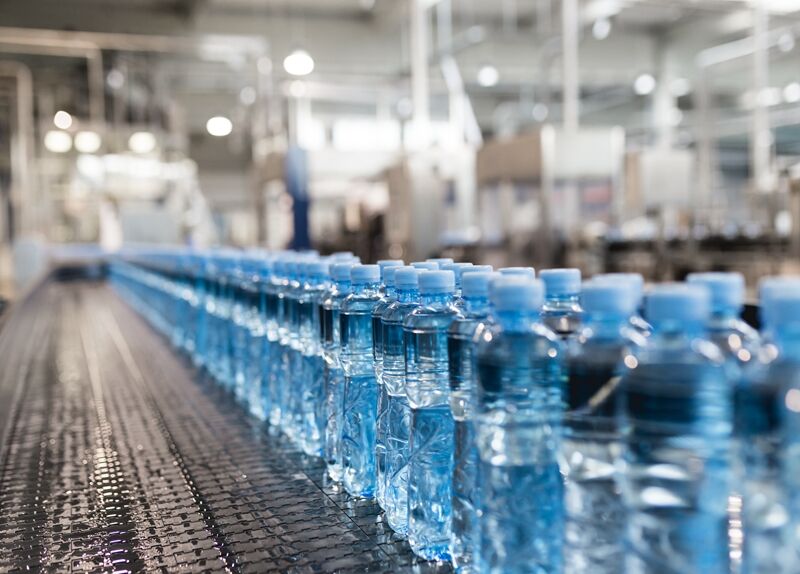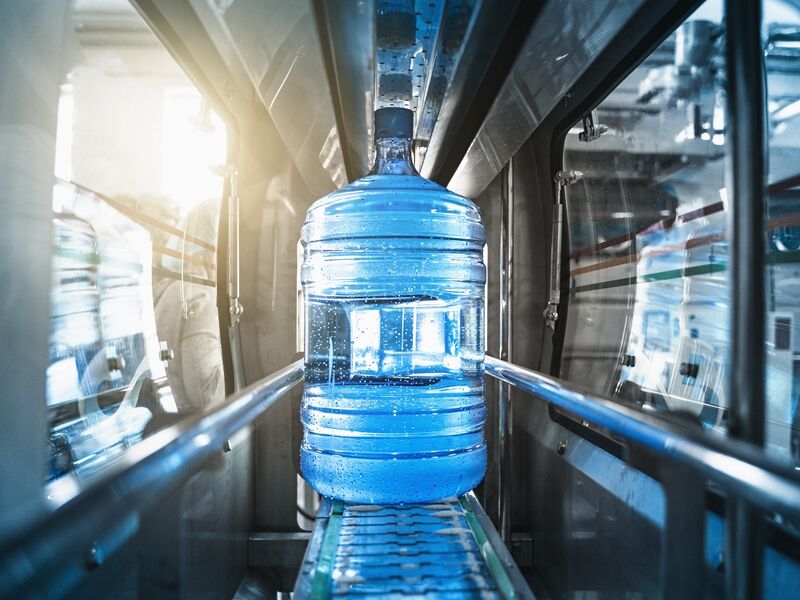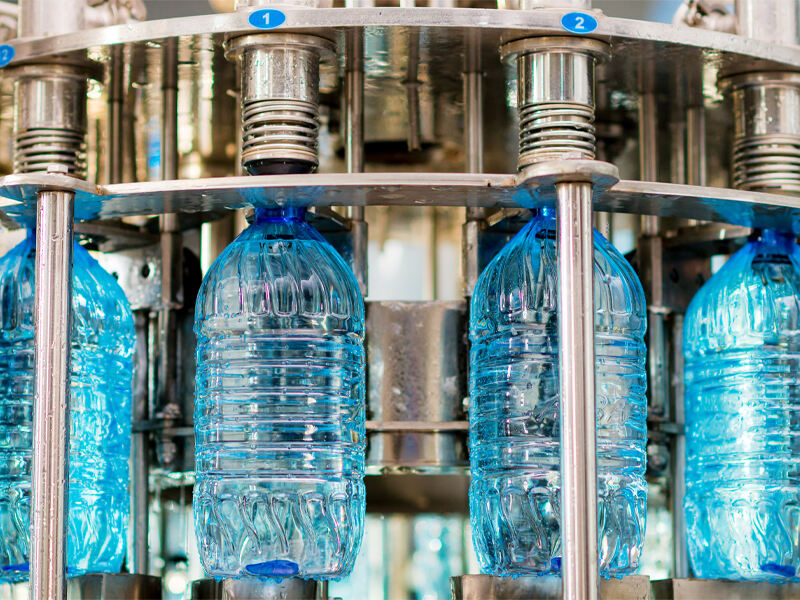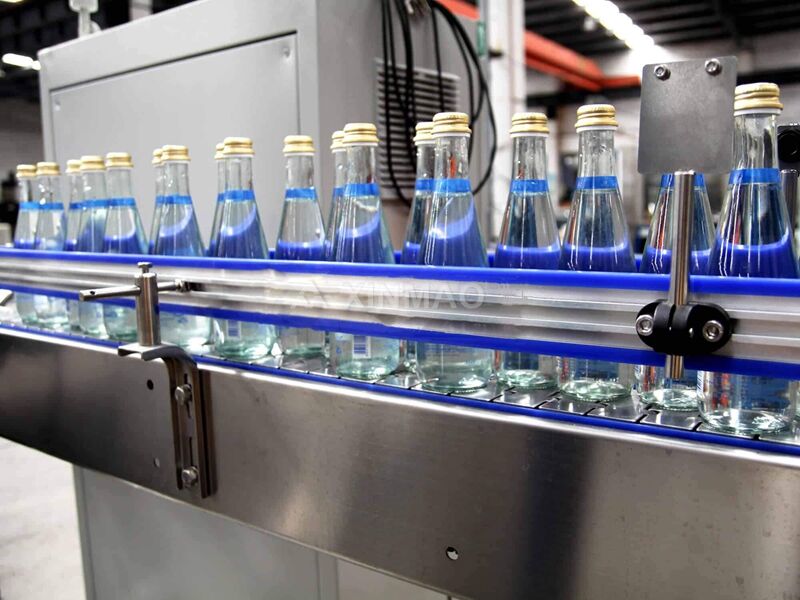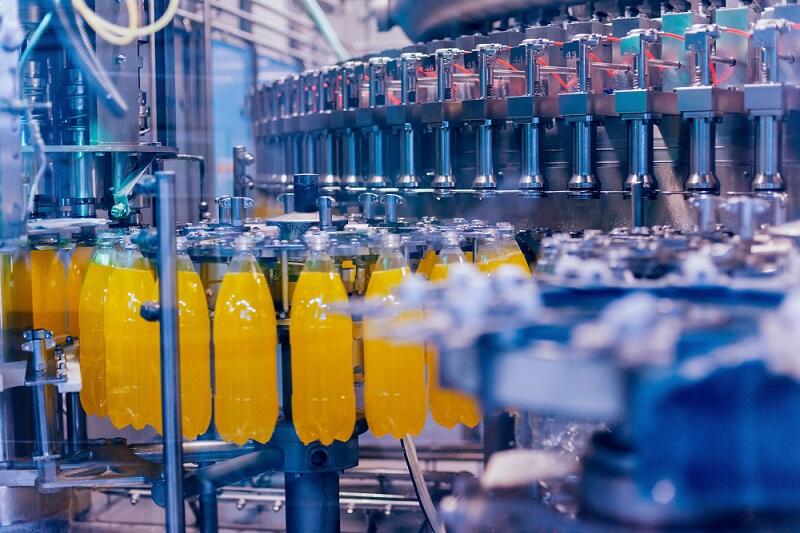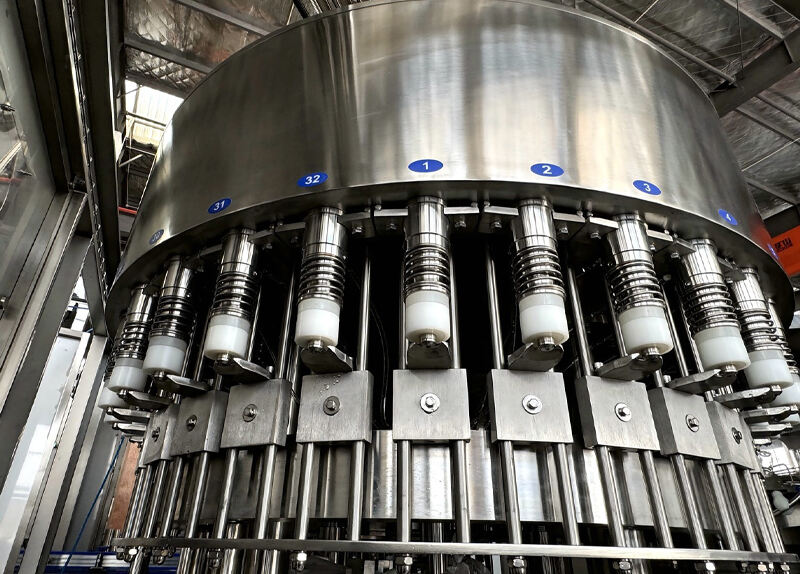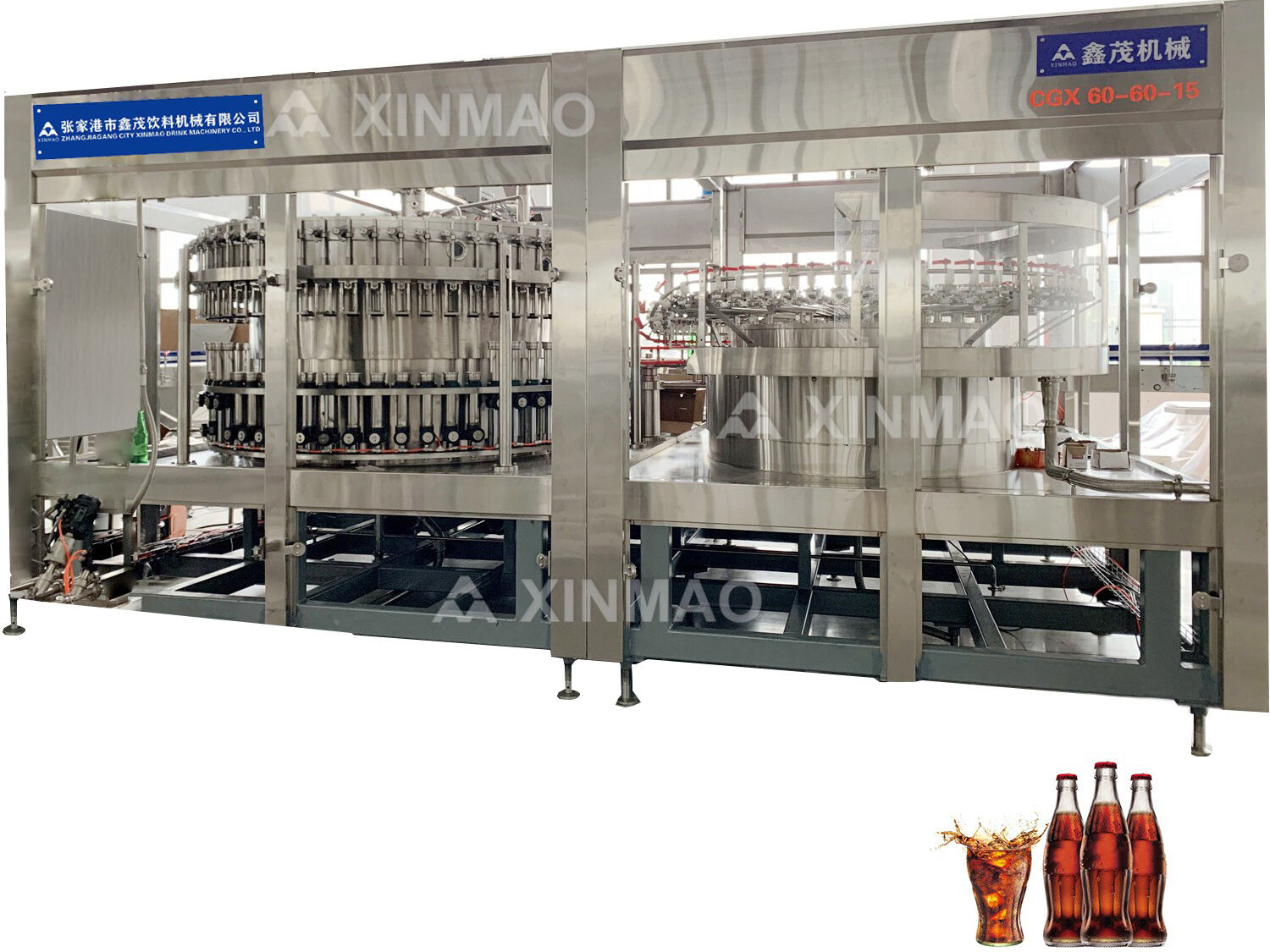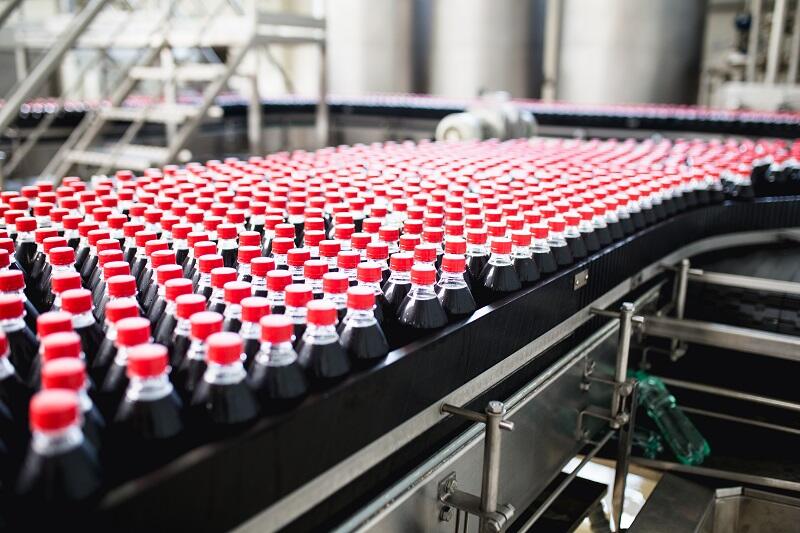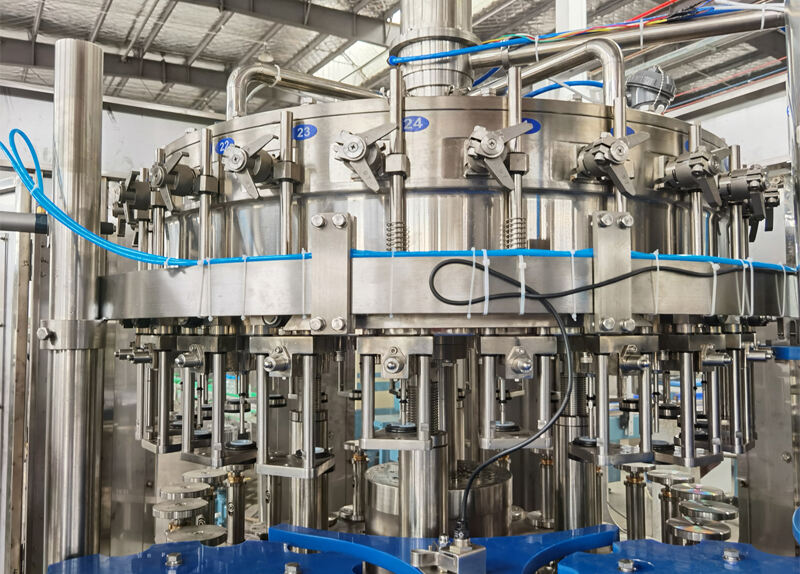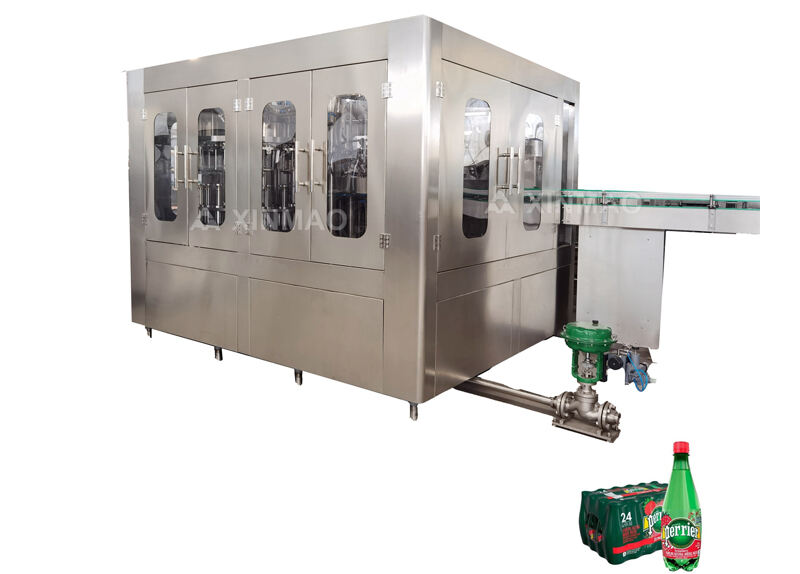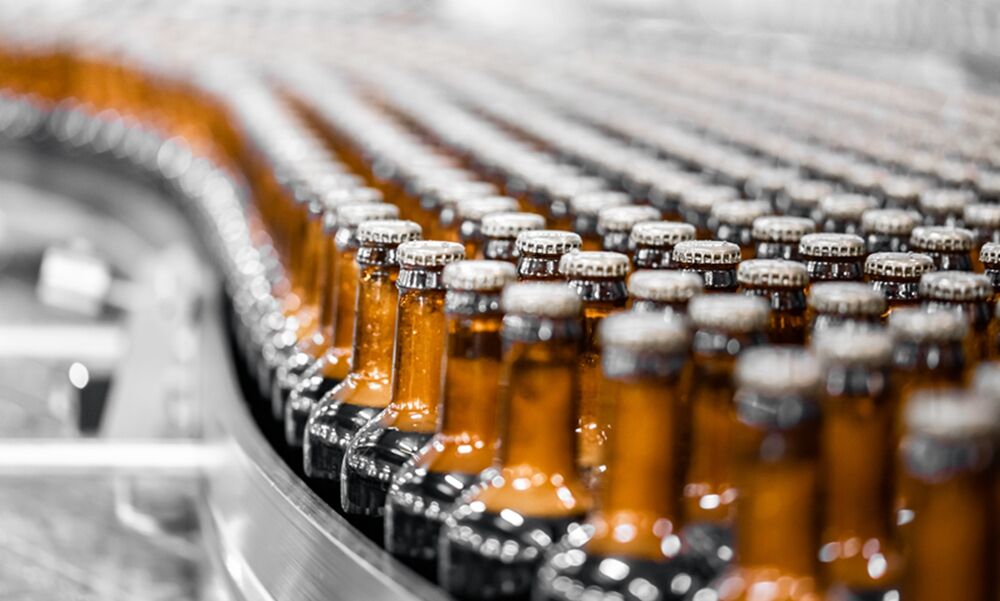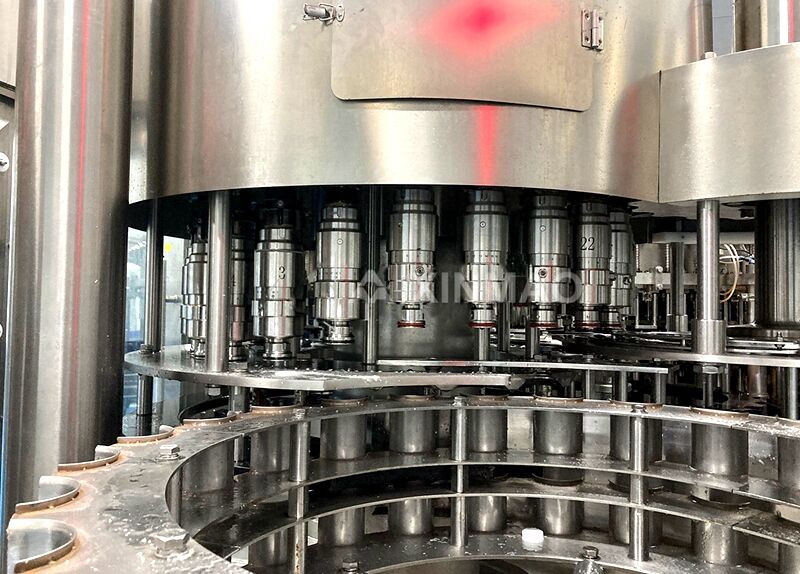
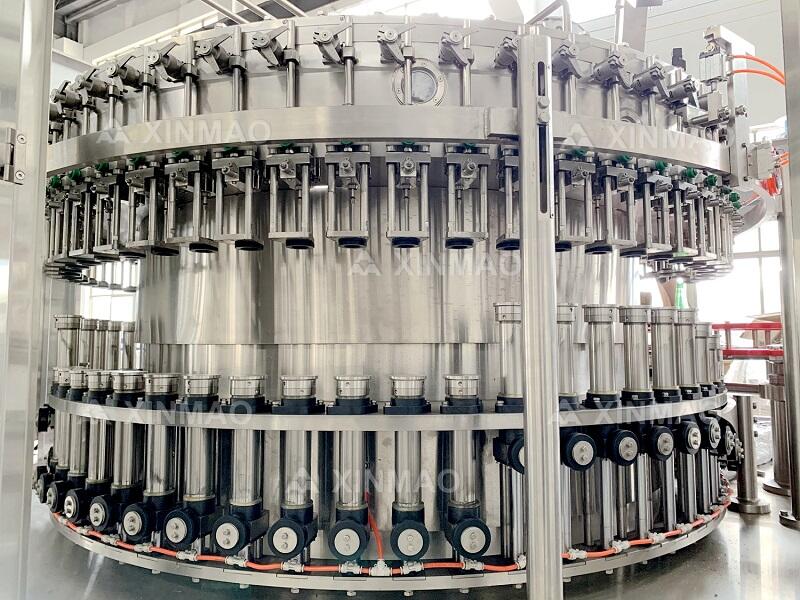
The development of water filling machines has been driven by the increasing demand for bottled water worldwide. As consumers become more health-conscious and prefer convenient and safe drinking water options, the need for efficient and reliable water filling machines has grown. Modern water filling machines incorporate advanced technologies to improve their performance and functionality. For example, some machines use servo motors for precise filling control, which can adjust the filling speed and volume according to the bottle size and product requirements. This not only ensures accurate filling but also reduces the risk of spillage and product waste. In the food and beverage industry, compliance with strict hygiene and safety standards is crucial. Water filling machines are designed to meet these standards by using food-grade materials for all contact parts and implementing regular cleaning and maintenance procedures. For instance, a water filling machine used in a pharmaceutical-grade water production facility would undergo rigorous testing and validation to ensure that it meets the highest purity and safety requirements. The machine's design would also include features such as a closed-loop filling system to prevent any external contamination. The application of water filling machines extends beyond the traditional bottled water market. They are also used in the production of other water-based beverages, such as flavored water, vitamin water, and energy drinks. These machines can be easily adapted to handle different types of liquids by adjusting the filling parameters and using appropriate nozzles and seals. For example, a company that produces a line of fruit-infused water might use a water filling machine with a special filling nozzle that can handle the viscous nature of the fruit puree without clogging.
12
Dec
12
Dec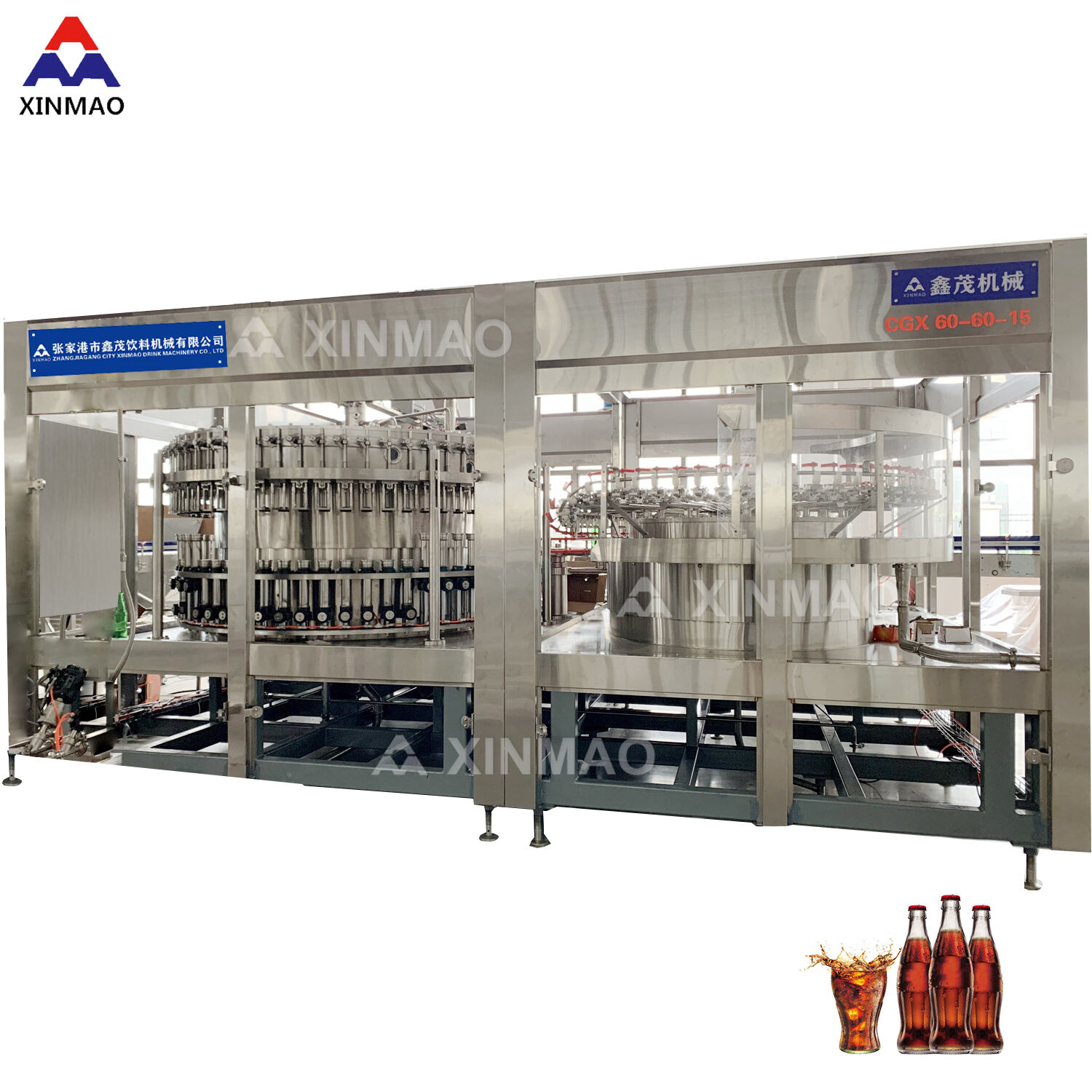
12
Dec
28
Oct
 EN
EN