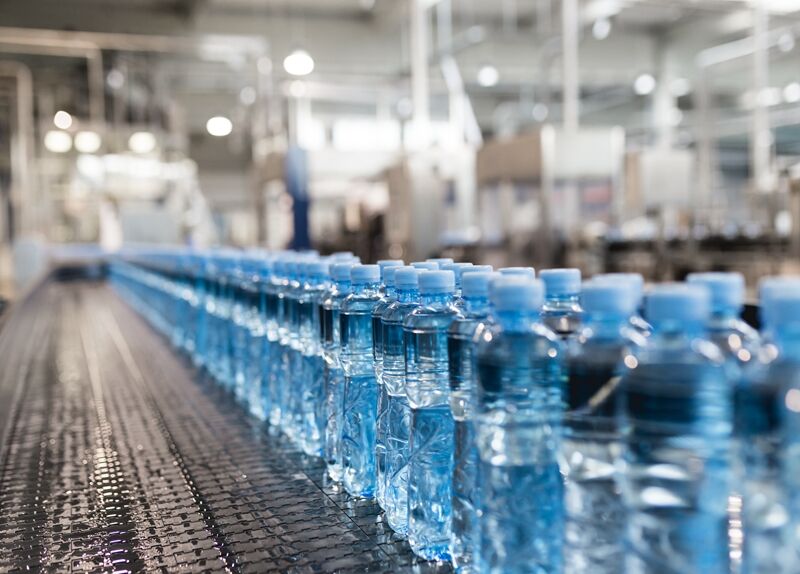
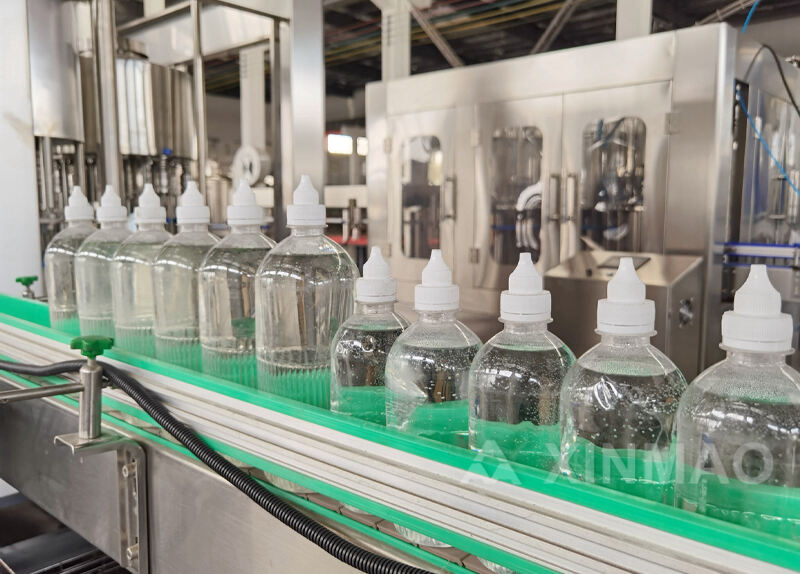
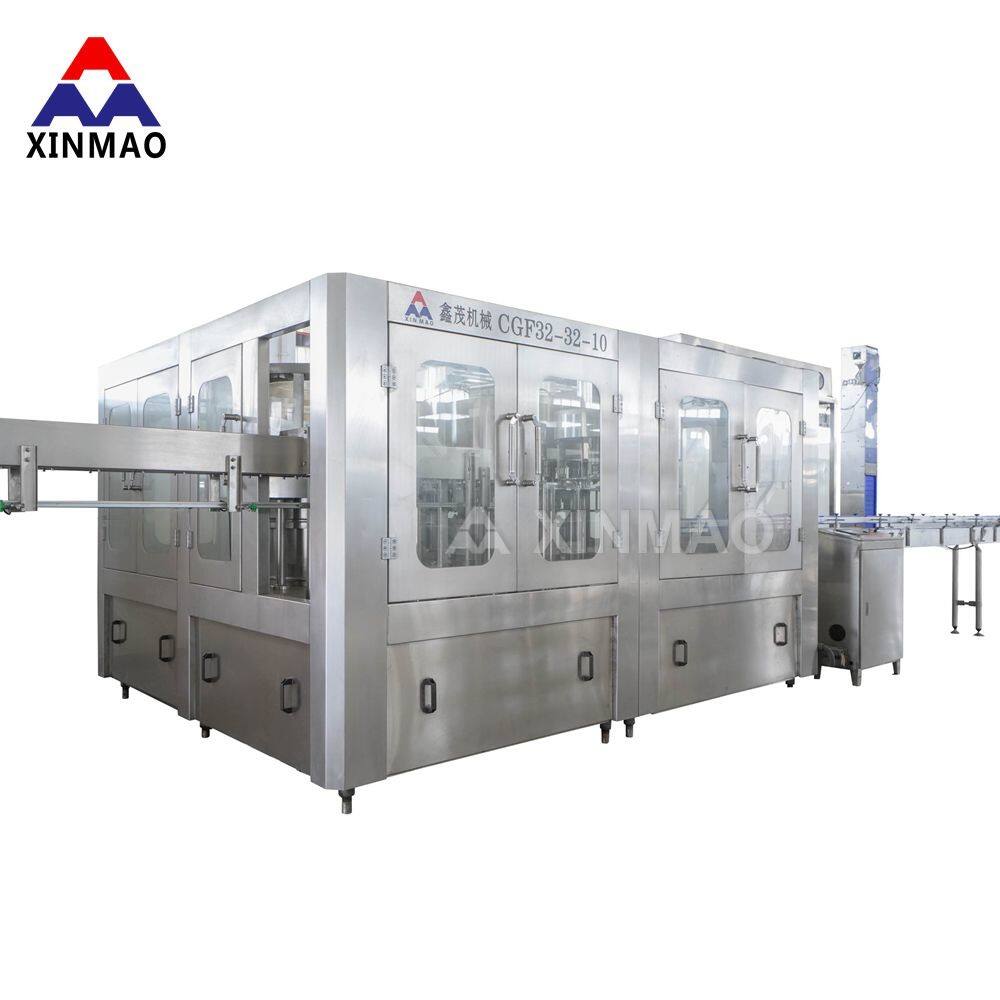
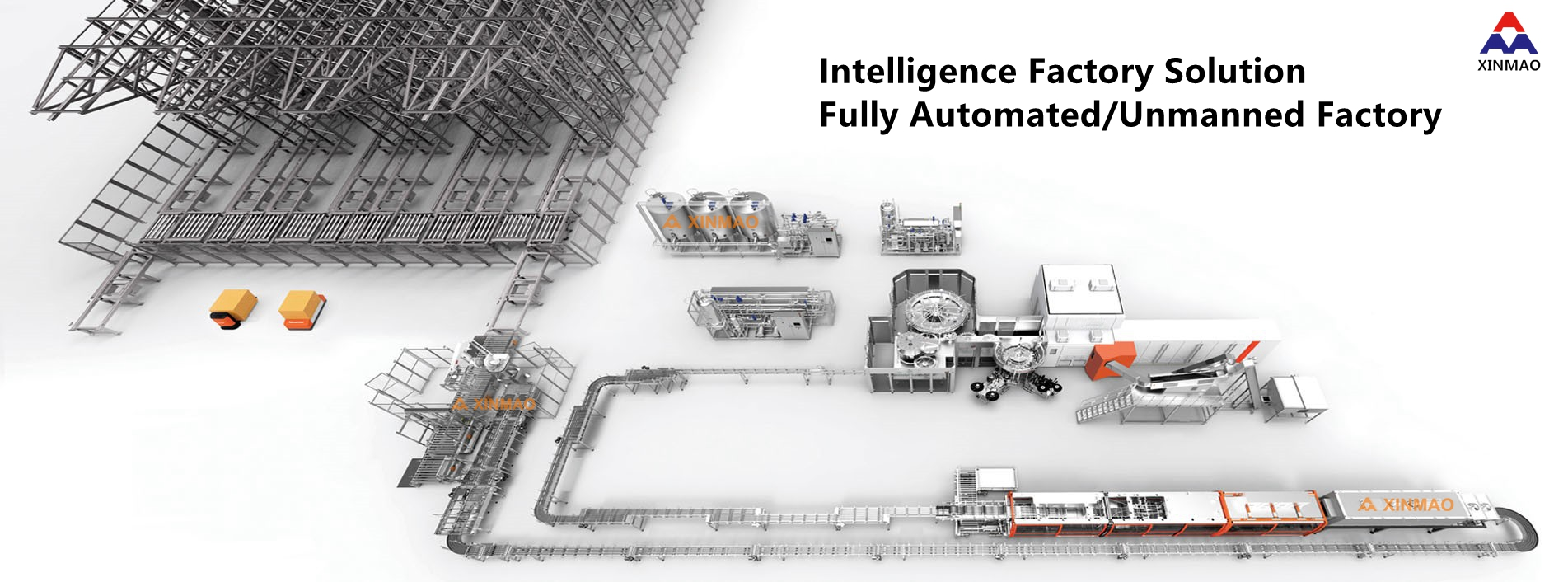
The continuous expansion of the global bottled water market has become the core driving force behind the development of the bottled water filling machine industry. As consumers increasingly prioritize health and prefer convenient, safe drinking water options, the demand for efficient, reliable filling machines has also surged. Against this backdrop, bottled water filling machines are constantly iterating and upgrading—by integrating advanced technologies, adhering to strict hygiene standards, and expanding application scenarios, they are gradually transforming from traditional filling equipment into intelligent production solutions with multi-functionality, high precision, and full-scenario adaptability.
In recent years, the explosive growth in global bottled water demand is essentially a direct reflection of consumers' awakening health awareness and changing lifestyles. Modern consumers pay more attention to the purity and safety of drinking water, while their demand for portable packaging and diversified flavors is increasingly prominent. This requires bottled water enterprises not only to ensure product quality but also to improve production efficiency and optimize cost structures. The shortcomings of traditional filling machines in precision, efficiency, and flexibility have gradually become apparent, and the market is in urgent need of new-type filling equipment that can adapt to multi-specification packaging, meet high-capacity production needs, and balance cost and quality.
This upgrade in market demand has directly driven the technological innovation of bottled water filling machines. Enterprises are no longer limited to a single filling function but focus on three core demands—"precision control, high efficiency and energy saving, and intelligent adaptability"—integrating cutting-edge technologies into equipment R&D to meet the diversified needs of bottled water enterprises for large-scale production and customized processing, helping enterprises seize opportunities in the fierce market competition.
To respond to the market's dual pursuit of efficiency and precision, modern bottled water filling machines extensively integrate cutting-edge technologies, achieving comprehensive breakthroughs in performance and functionality:
-
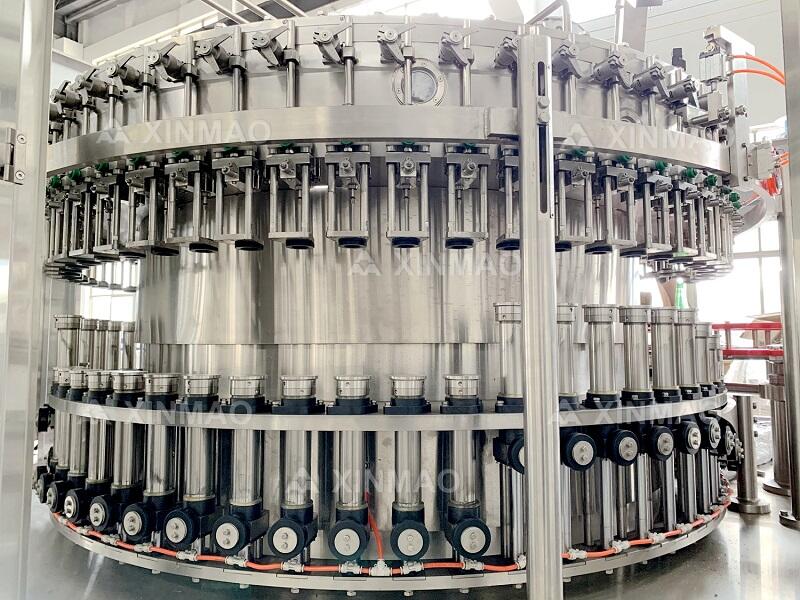
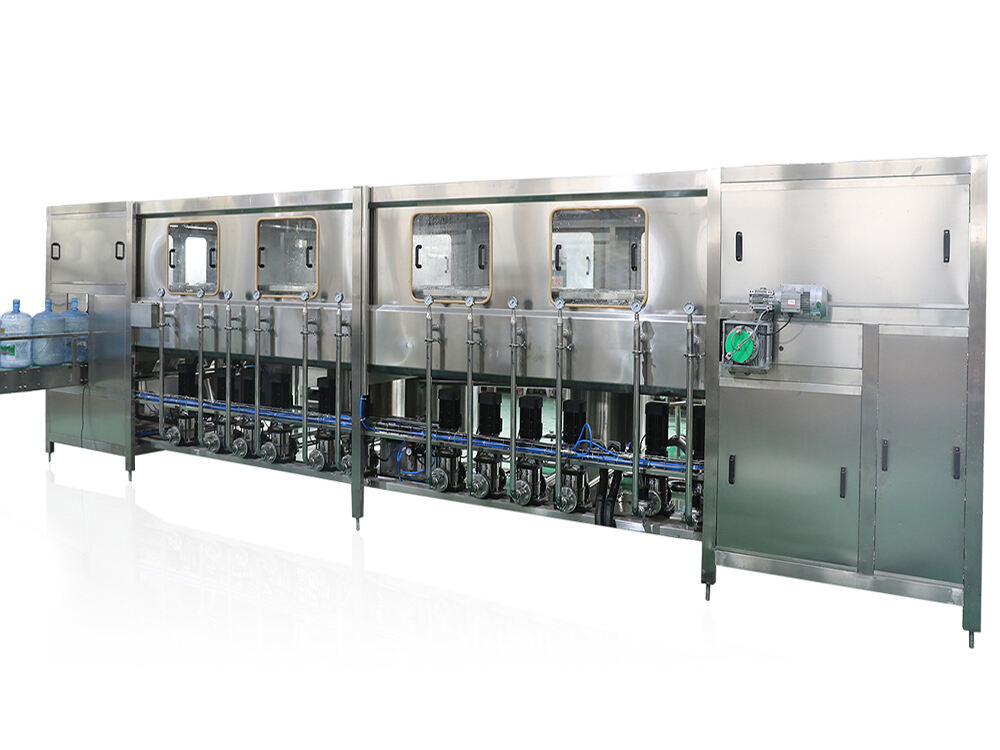
Precision Control Technology: Adopting servo motor drive systems instead of traditional mechanical control methods, they can real-time adjust filling speed and volume according to bottle specifications (from mini bottles to large-capacity barrels) and liquid characteristics (purified water, mineral water, etc.), with filling precision error controllable within ±0.5%. This high-precision control not only ensures the consistency of each bottle's capacity, effectively enhancing brand reputation but also significantly reduces liquid overflow and product waste, lowering enterprise production costs.
-
Intelligent Operation and Maintenance System: Equipped with IoT (Internet of Things) and intelligent monitoring modules, operators can real-time view key information such as equipment operation status, filling parameters, and capacity data through a central control platform, realizing remote control and fault early warning. Meanwhile, the equipment features automatic counting, batch parameter storage, and other functions, supporting rapid line changeover and greatly improving the flexibility and efficiency of production scheduling.
-
Energy-Saving and Consumption-Reduction Design: Optimizing the equipment's power system and fluid path, adopting energy-saving motors and high-efficiency sealing technologies, it reduces energy consumption and material loss while improving filling speed. Some high-end equipment also has functions such as automatic shutdown and no-load energy saving, further reducing enterprises' long-term operating costs.
In the food and beverage industry, hygiene and safety are insurmountable red lines. The design and production of bottled water filling machines have always taken strict industry standards as the core criterion:
-
Application of Food-Grade Materials: All components in direct contact with liquids (such as filling nozzles, pipelines, water tanks, etc.) are made of food-grade 304/316 stainless steel, food-grade silica gel, and other materials that meet international standards, with no odor or harmful substance precipitation, ensuring that drinking water is not contaminated during the filling process.
-
Full-Process Aseptic Design: For high-demand scenarios (such as pharmaceutical-grade bottled water and high-end mineral water production), the equipment adopts a closed-loop filling system. Through sealed conveying, sterile air protection, online sterilization, and other technologies, it isolates external pollutants such as air, dust, and bacteria, ensuring product purity from the source. Meanwhile, the equipment supports CIP (Clean-in-Place) and SIP (Sterilize-in-Place) functions, enabling automated cleaning and sterilization, avoiding the risk of secondary pollution caused by manual cleaning, and significantly shortening cleaning time to improve production efficiency.
-
Strict Testing and Certification: Bottled water filling machines produced by regular manufacturers must pass international certifications such as ISO and CE. Some high-end equipment also undergoes hygiene and safety testing by third-party authoritative institutions, ensuring that the equipment meets food safety production standards in different regions around the world and providing compliance guarantee for enterprises' export trade.
The application boundaries of bottled water filling machines are constantly expanding, having long surpassed the traditional filling scope of purified water and mineral water, and successfully adapted to the production needs of various water-based beverages. Its core advantage lies in strong flexibility and adaptability—through simple adjustment of filling parameters and replacement of special nozzles and seals, it can achieve precise filling of liquids with different characteristics:
- For liquids containing slight particles or functional ingredients such as flavored water and vitamin water, special anti-clogging nozzles are adopted to ensure smooth filling without residue;
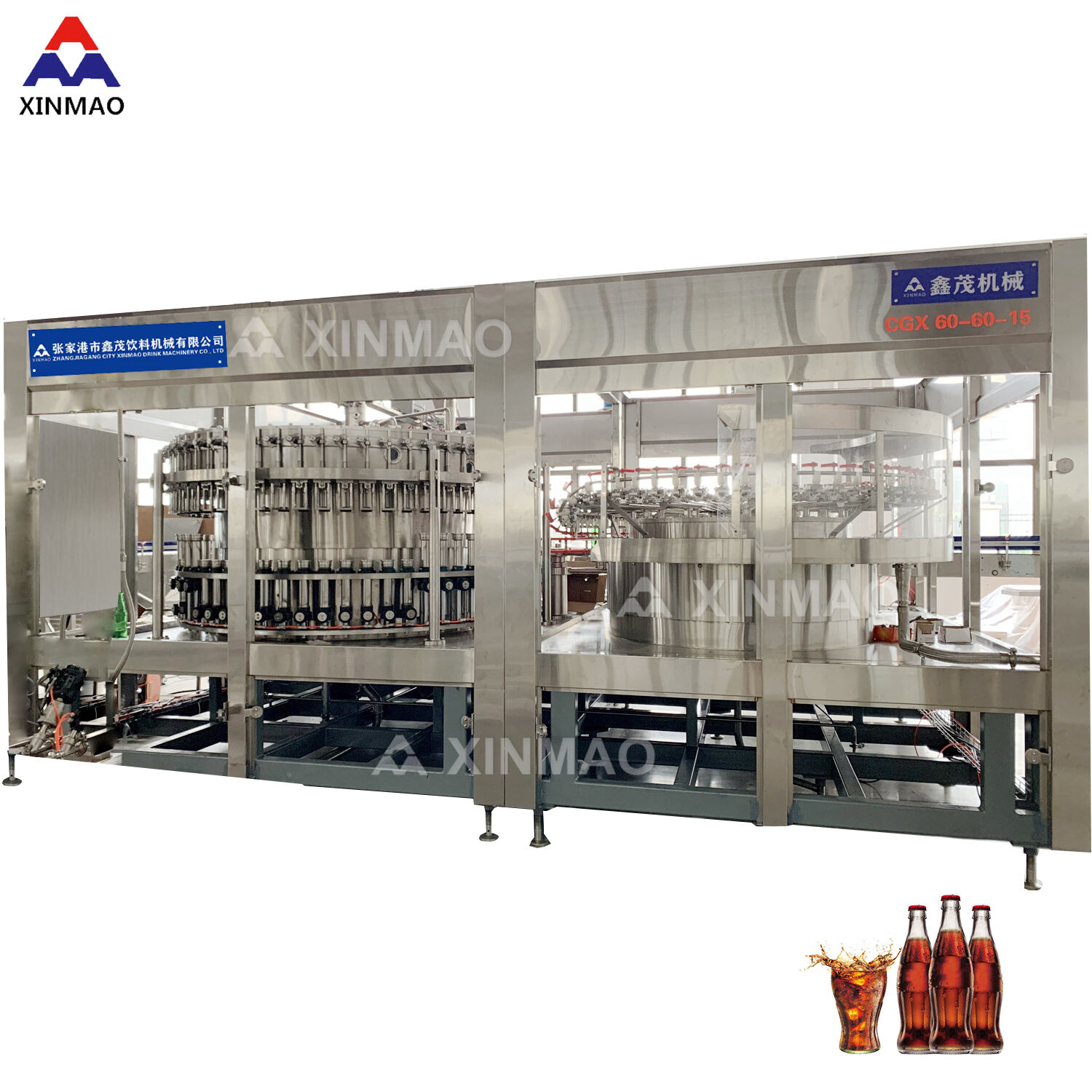
- For carbonated liquids such as energy drinks and sports drinks, filling pressure and speed are optimized to reduce bubble generation and avoid overflow after filling;
- For high-viscosity liquids such as fruit water and fruit puree mixed drinks, the power system and fluid channel design are upgraded to ensure that filling efficiency and precision are not affected.
This diversified adaptability makes bottled water filling machines a "multi-functional production tool" for food and beverage enterprises. Whether it is small and medium-sized enterprises focusing on a single product category or large groups deploying multi-product lines, they can meet the production needs of multiple products with one piece of equipment, significantly reducing equipment investment costs and improving the comprehensive utilization rate of production lines.
From demand-driven to technological empowerment, from single-function to multi-adaptability, the development track of bottled water filling machines has always been in sync with market demand. In the future, with the in-depth integration of artificial intelligence, big data, and other technologies, as well as the continuous improvement of global requirements for food safety, green energy conservation, bottled water filling machines will continue to move towards a more intelligent, efficient, environmentally friendly, and safe direction. They will provide strong equipment support for the high-quality development of the global bottled water and water-based beverage industry, helping enterprises achieve sustainable growth in the ever-changing market.
 EN
EN