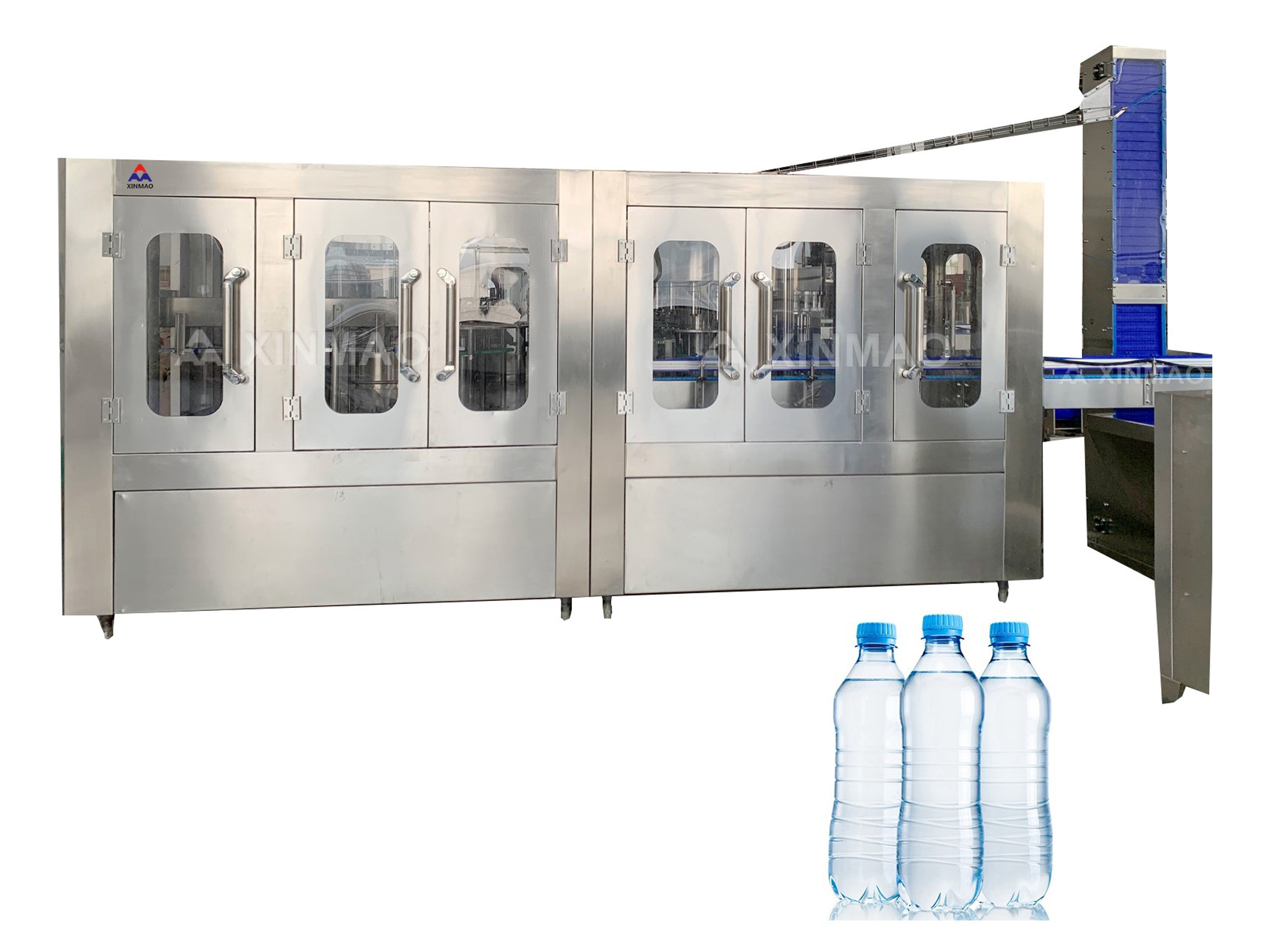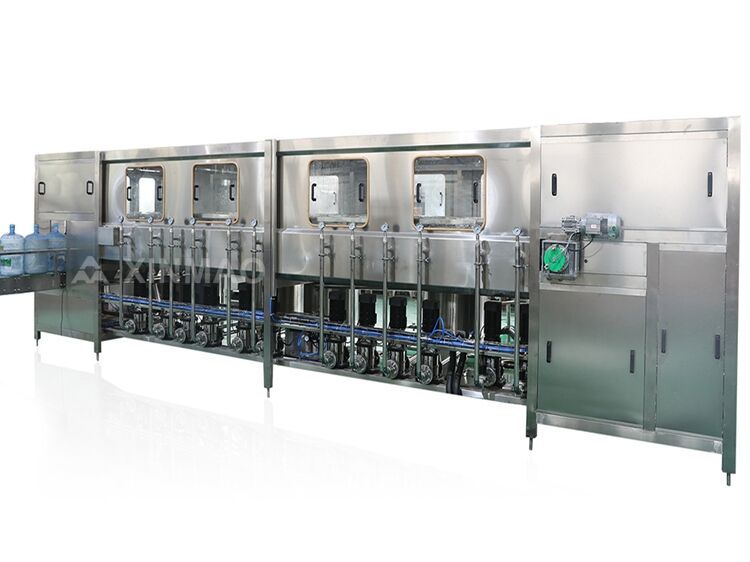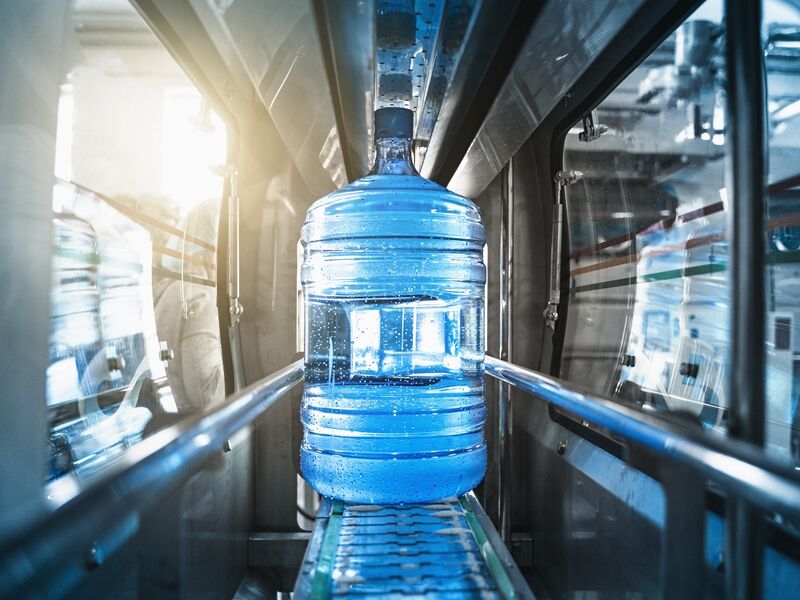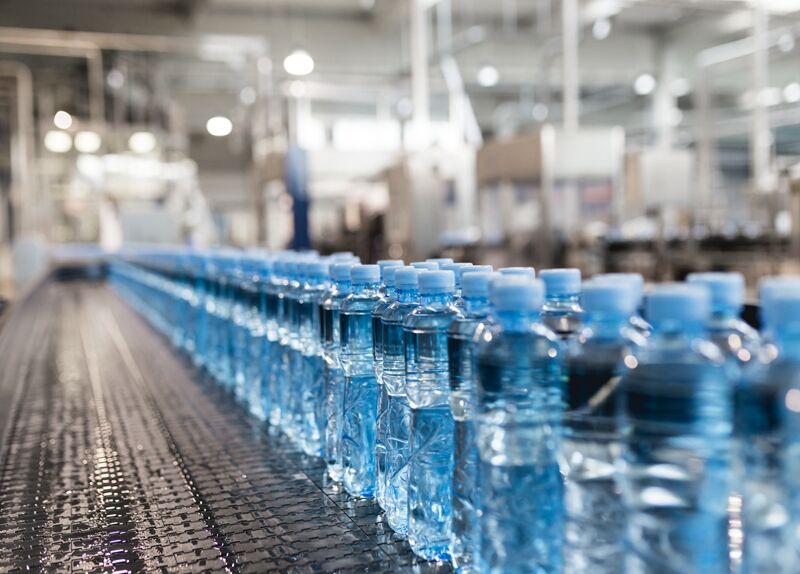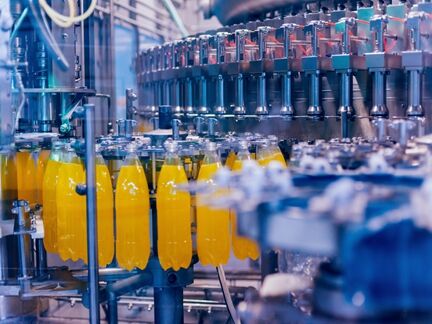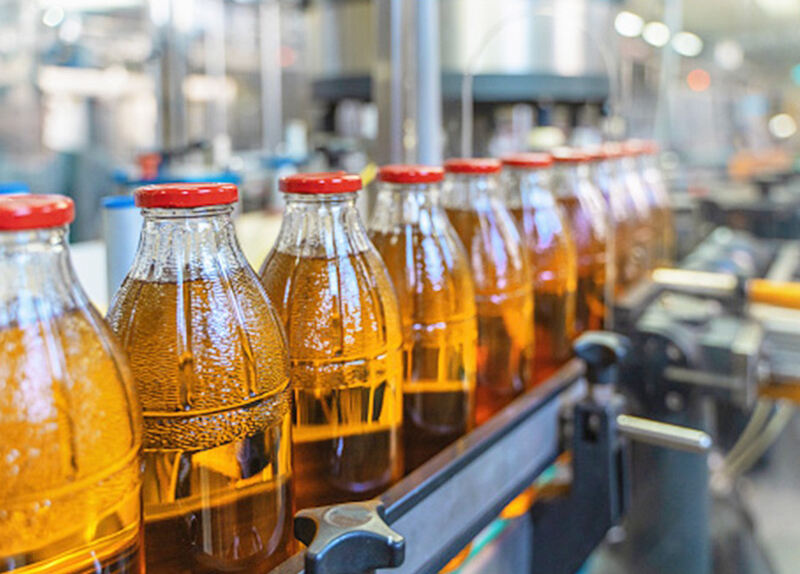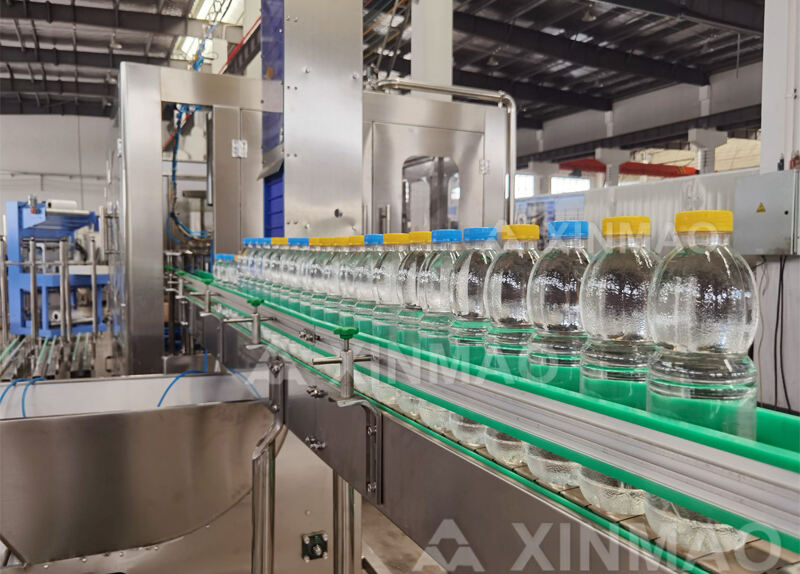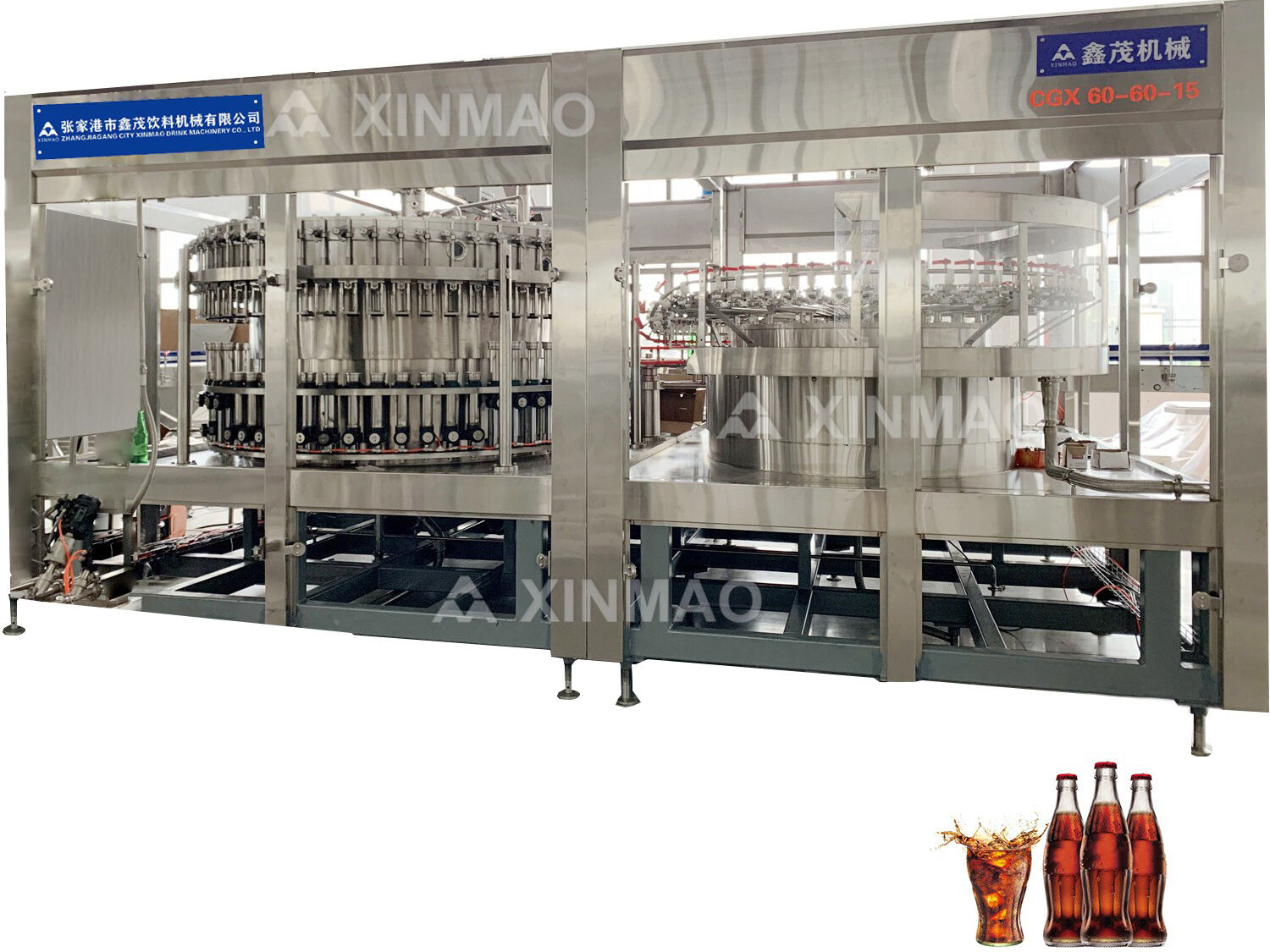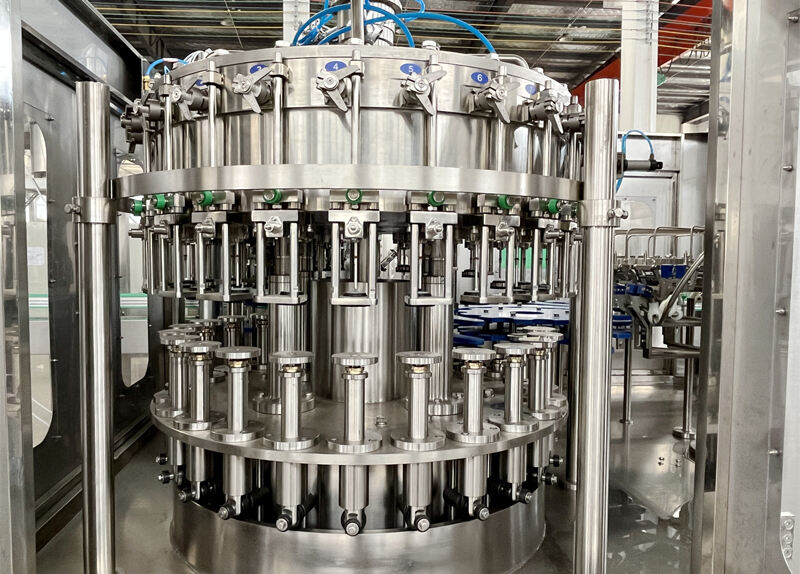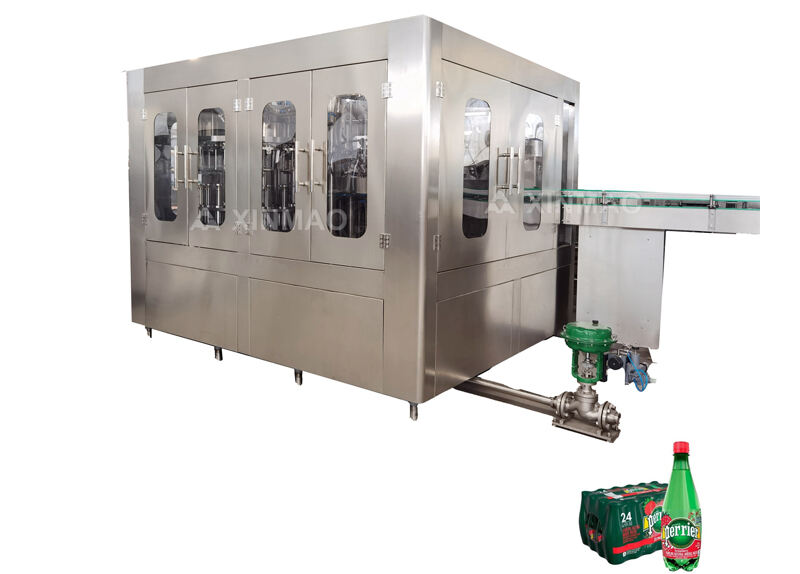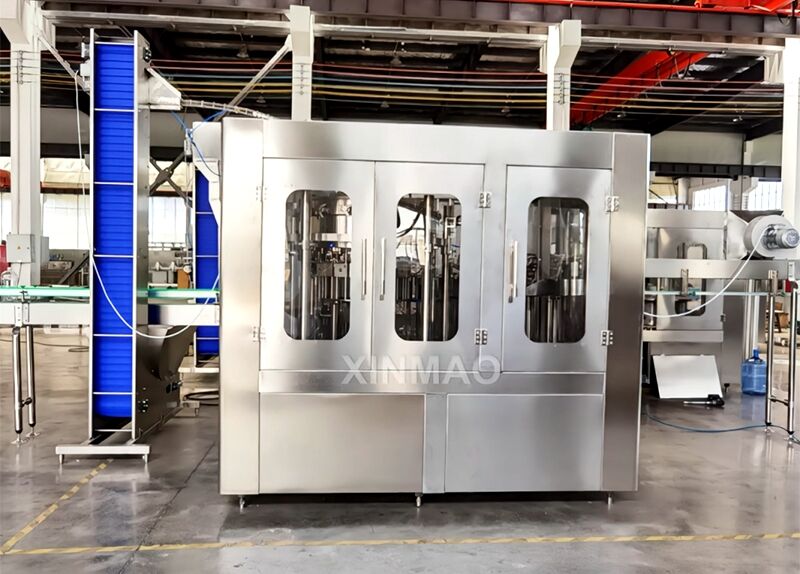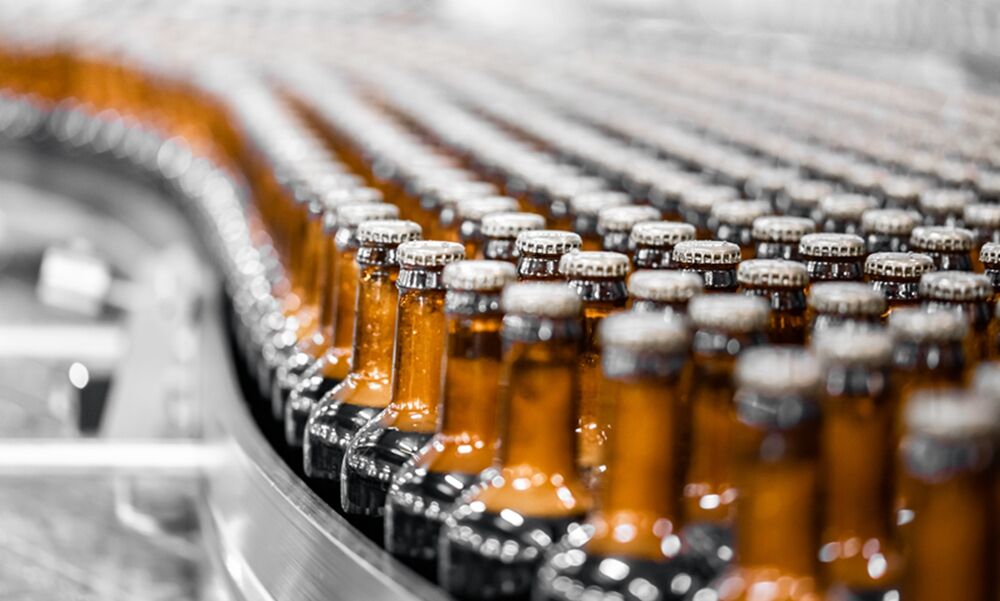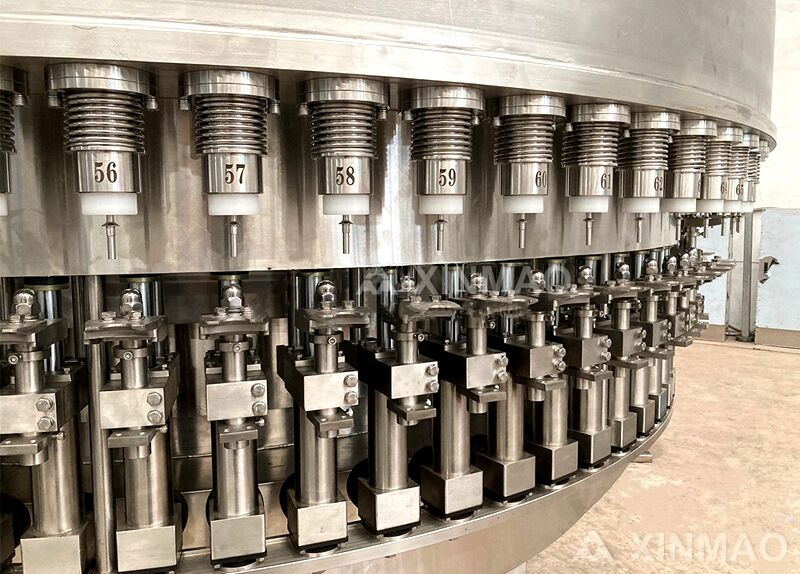
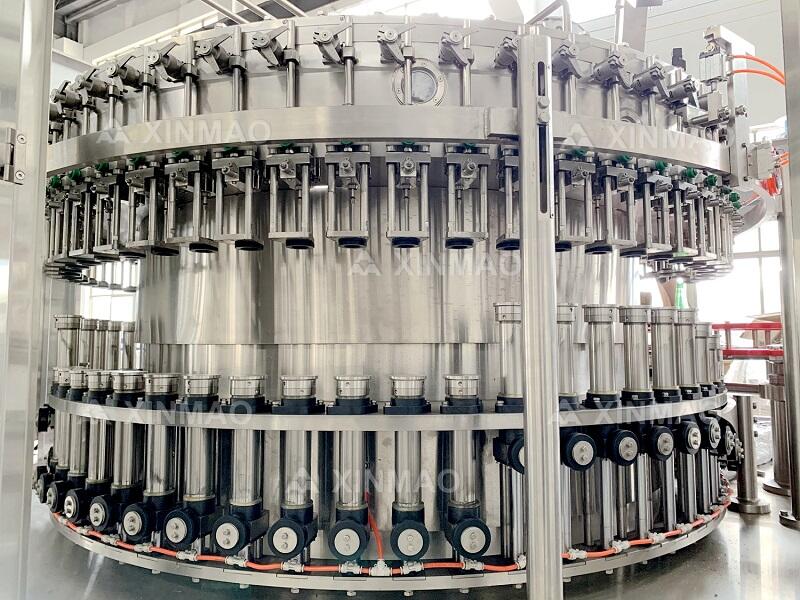
The global market for water filling machines has witnessed significant growth in recent years, driven by the increasing consumption of bottled water and the expansion of the beverage industry. As consumers become more aware of the importance of hydration and the convenience of bottled water, the demand for water filling machines has surged. This has led to the development of a wide range of water filling machines with different features and capabilities to meet the diverse needs of manufacturers. One of the emerging trends in the water filling machine market is the adoption of smart technologies. Smart water filling machines are equipped with advanced sensors, control systems, and connectivity features that allow for real-time monitoring and remote control. These machines can collect data on production parameters, such as filling speed, volume, and quality, and transmit it to a central control system for analysis. This enables manufacturers to optimize their production processes, identify potential issues early, and make data-driven decisions. For example, a smart water filling machine can automatically adjust its filling parameters based on the type of bottle being filled, ensuring optimal performance and product quality. Another trend is the increasing focus on sustainability in water filling machine design. Manufacturers are developing machines that are more energy-efficient, use less water during the cleaning process, and are made from recyclable materials. This is in response to growing environmental concerns and the need to reduce the carbon footprint of the beverage production industry. For instance, a water filling machine with a water-saving feature can recycle and reuse the water used for bottle washing, reducing water consumption and waste. In terms of application, water filling machines are used in various industries, including food and beverage, pharmaceuticals, and cosmetics. In the food and beverage industry, they are used to fill bottles with different types of water, such as purified water, mineral water, and spring water. In the pharmaceutical industry, water filling machines are used to produce sterile water for injection and other medical applications. In the cosmetics industry, they are used to fill bottles with water-based products, such as toners and lotions.
12
Dec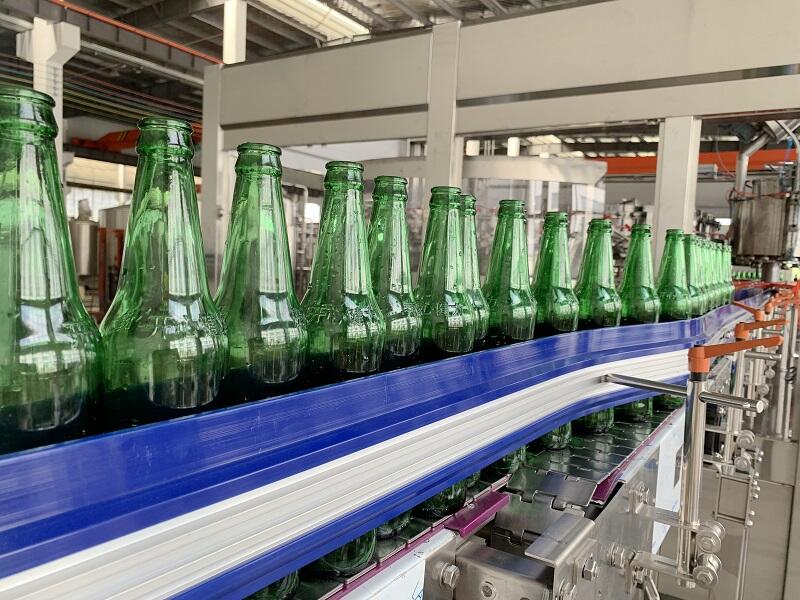
12
Dec
28
Oct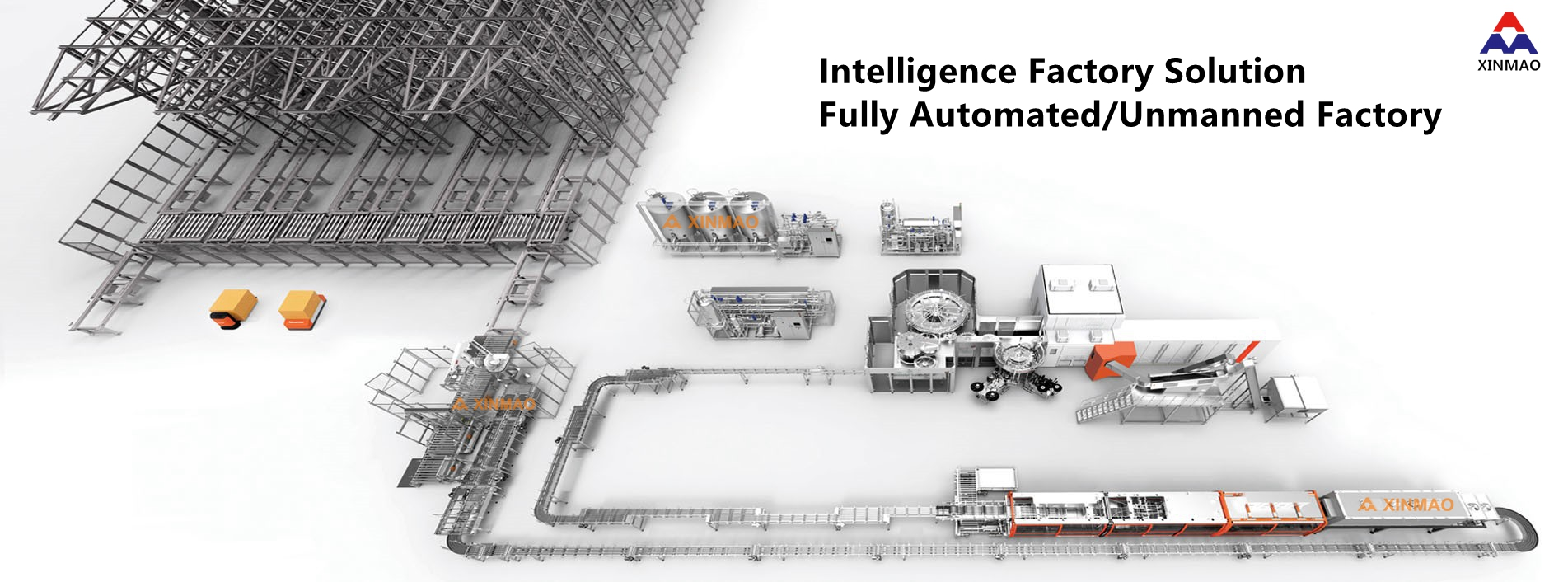
05
Feb
 EN
EN