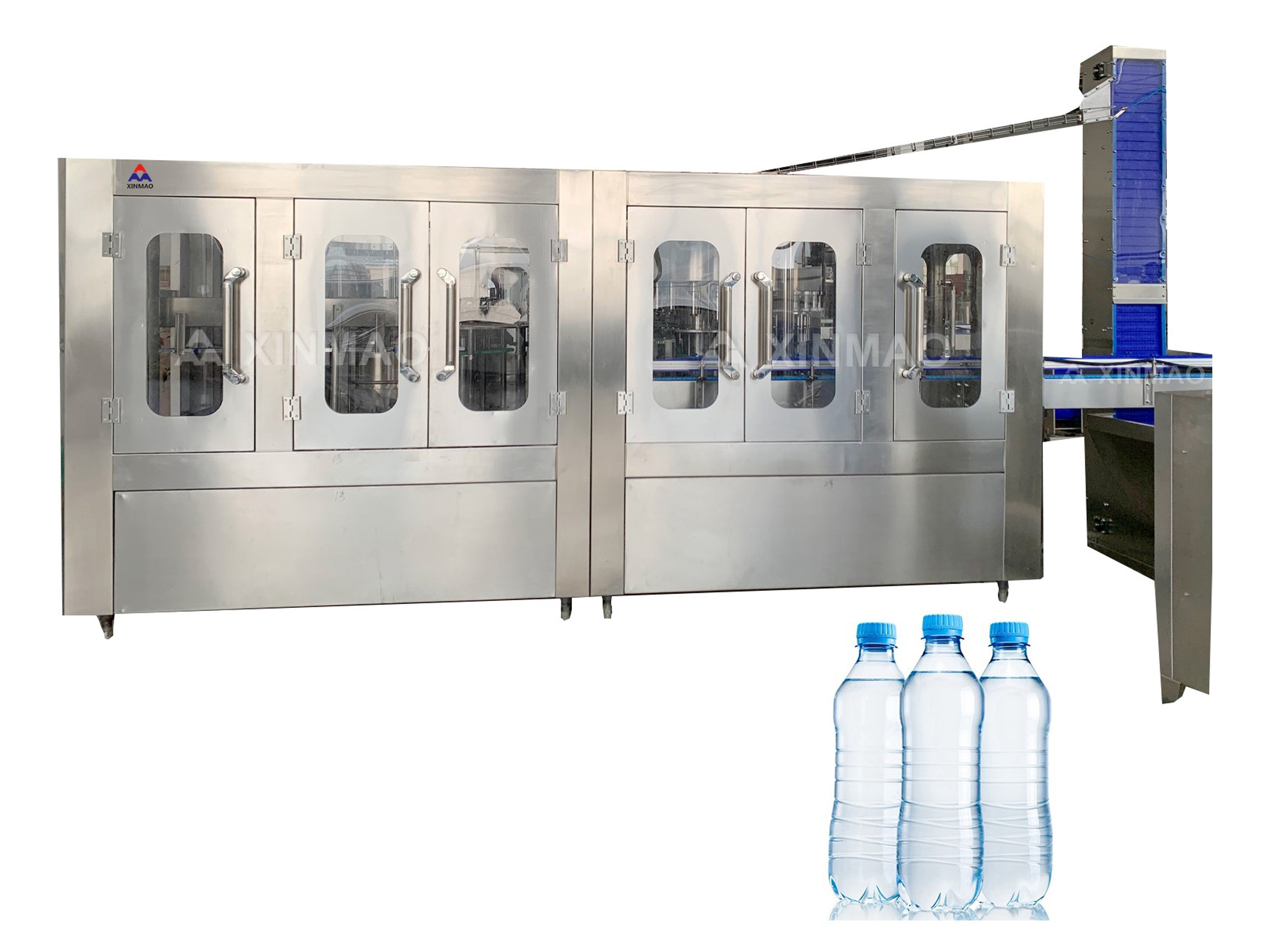
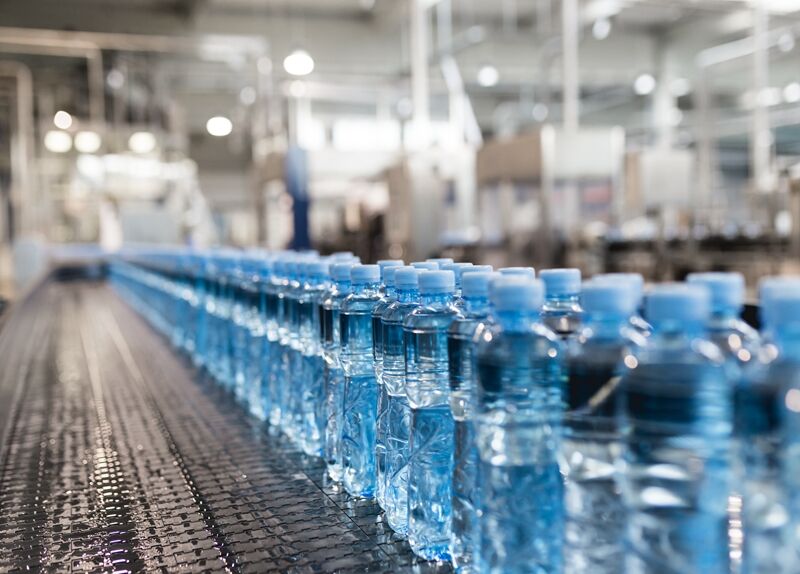
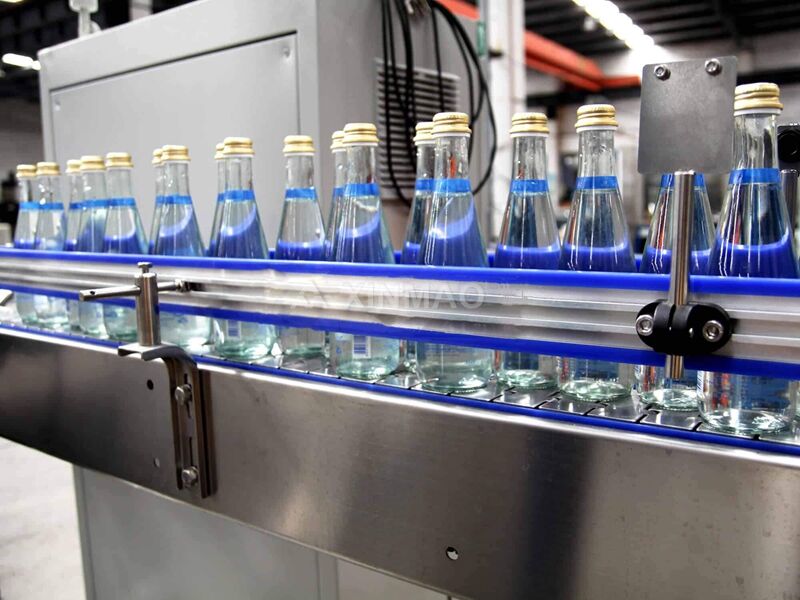
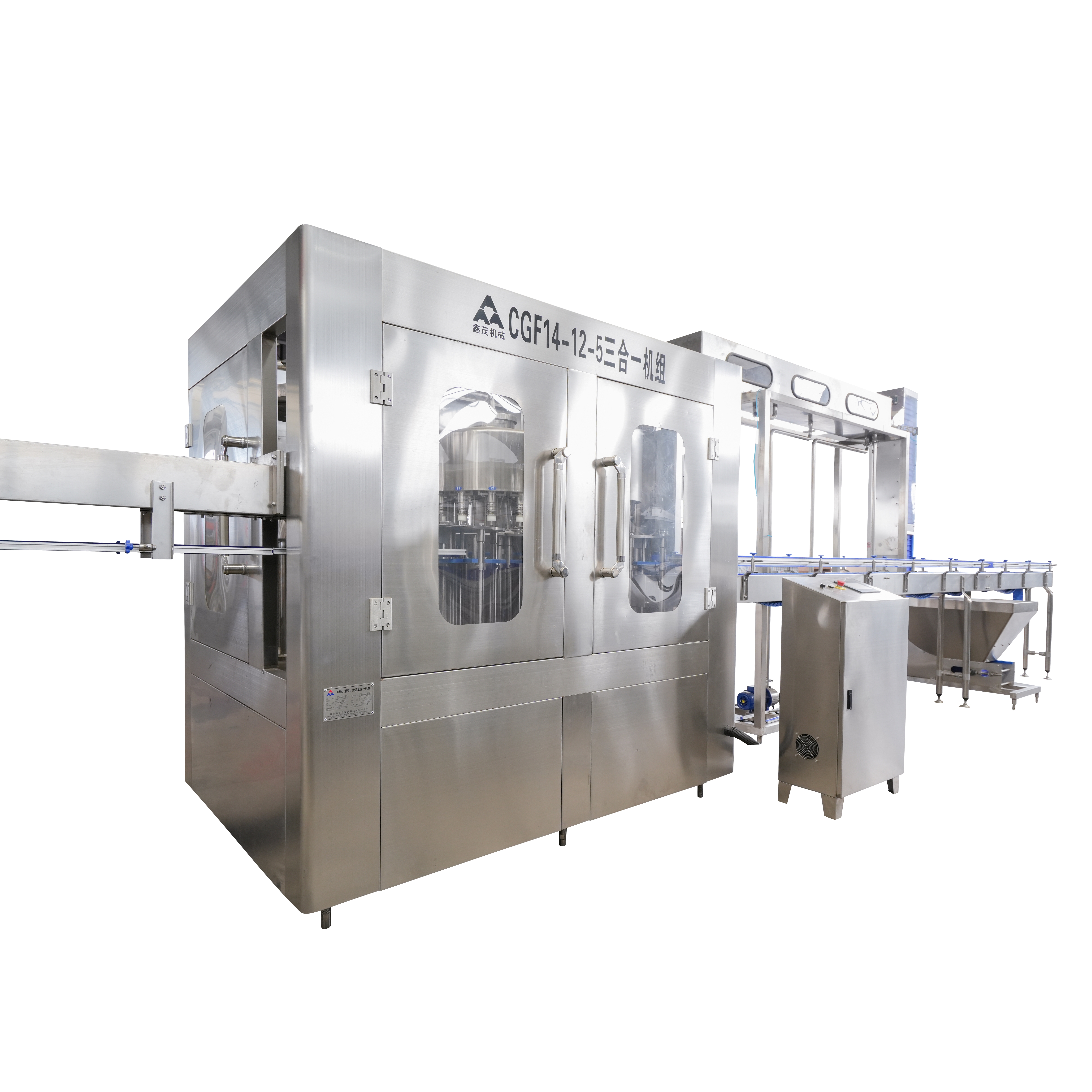
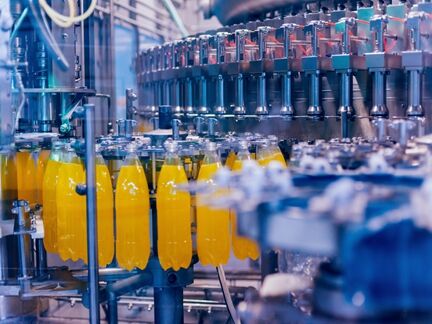
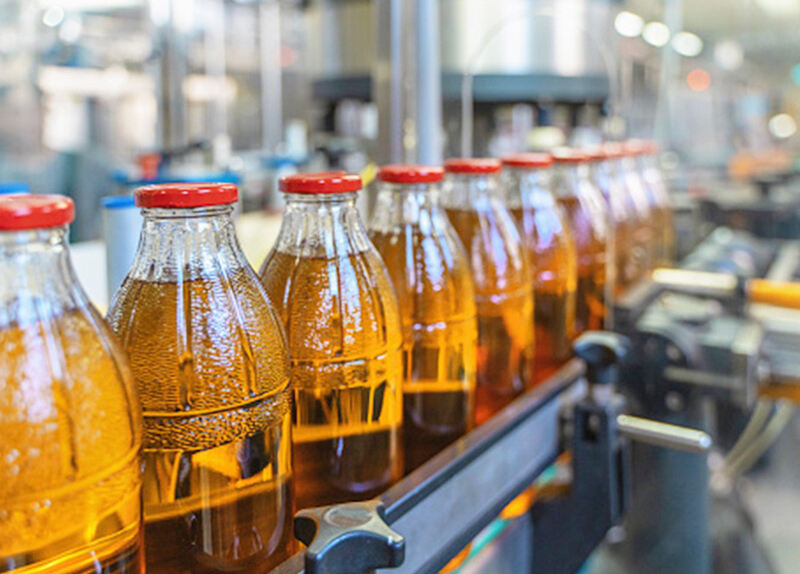
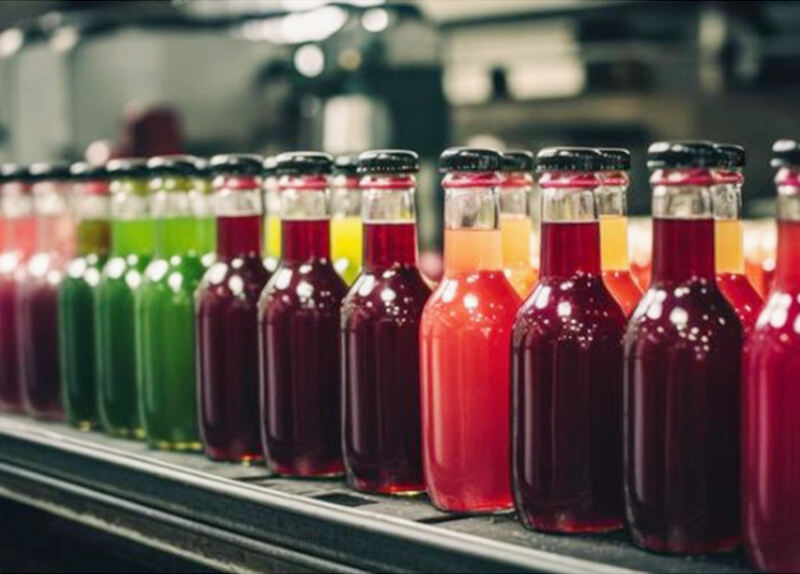
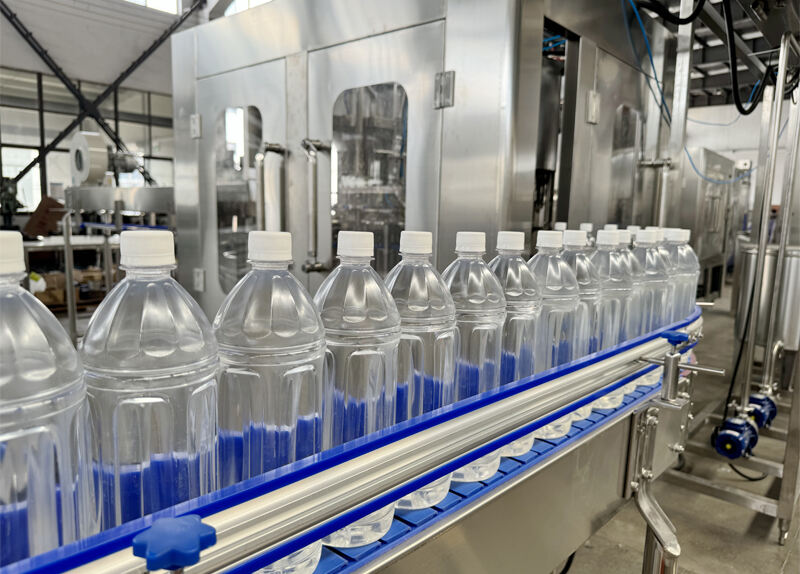
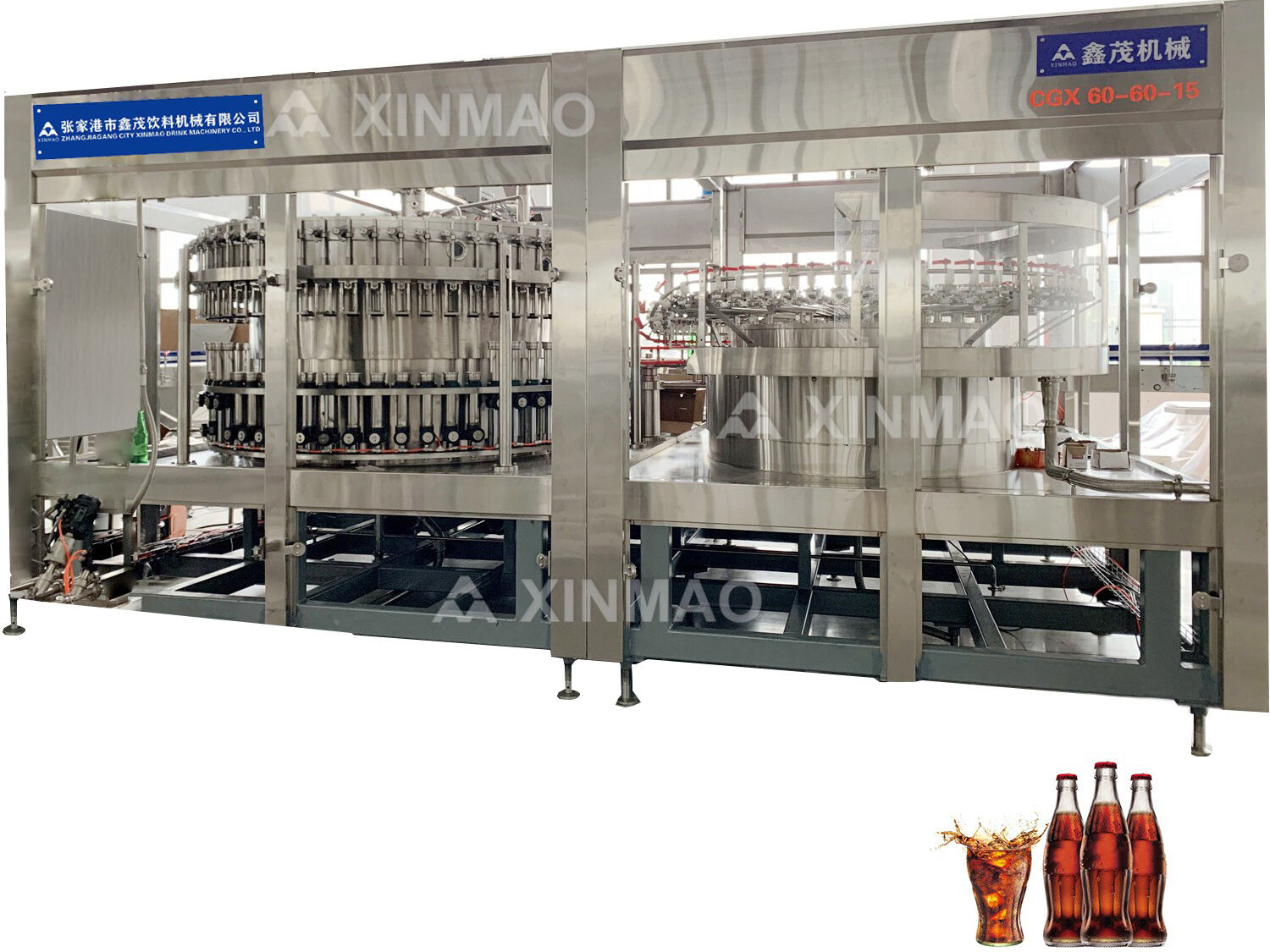
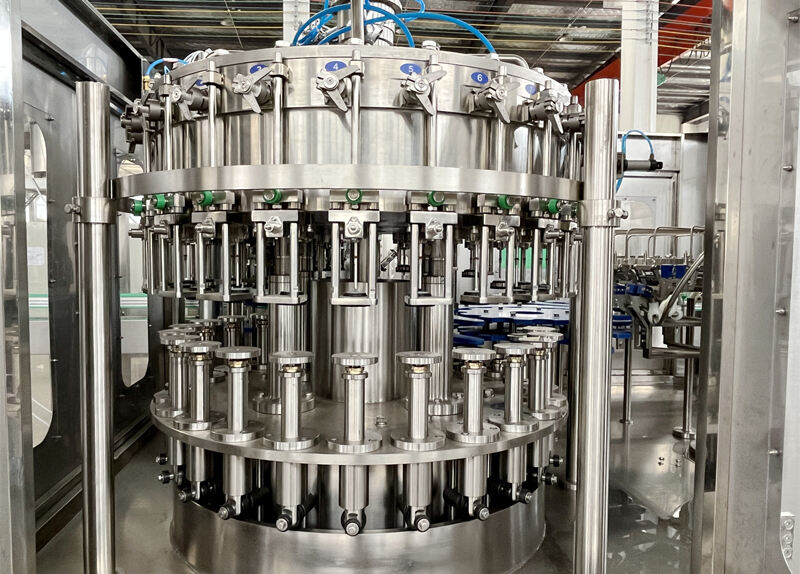
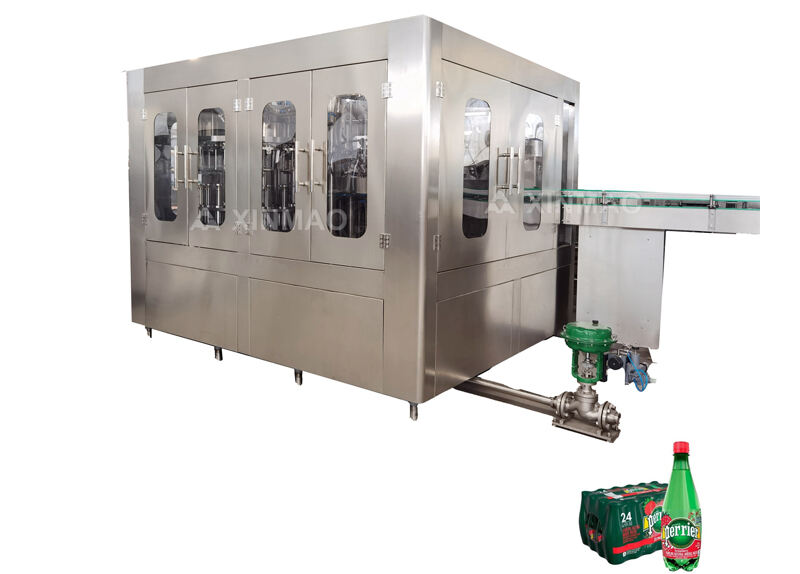
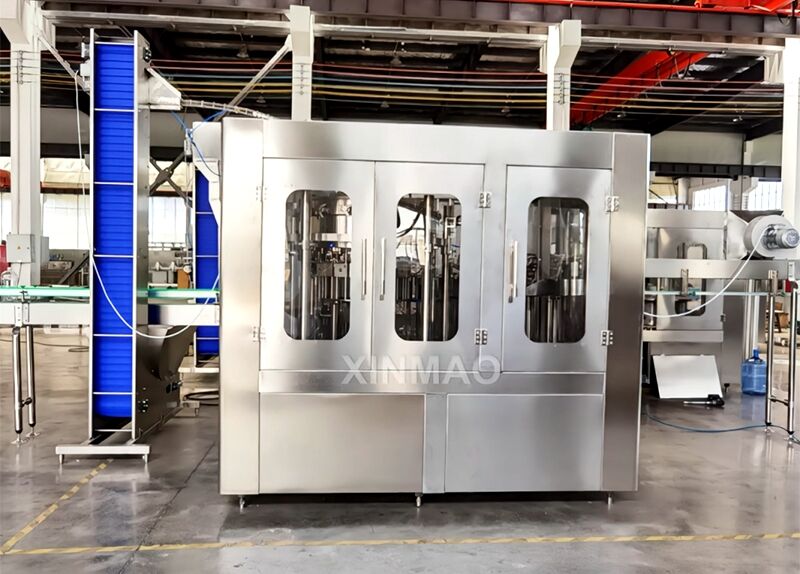
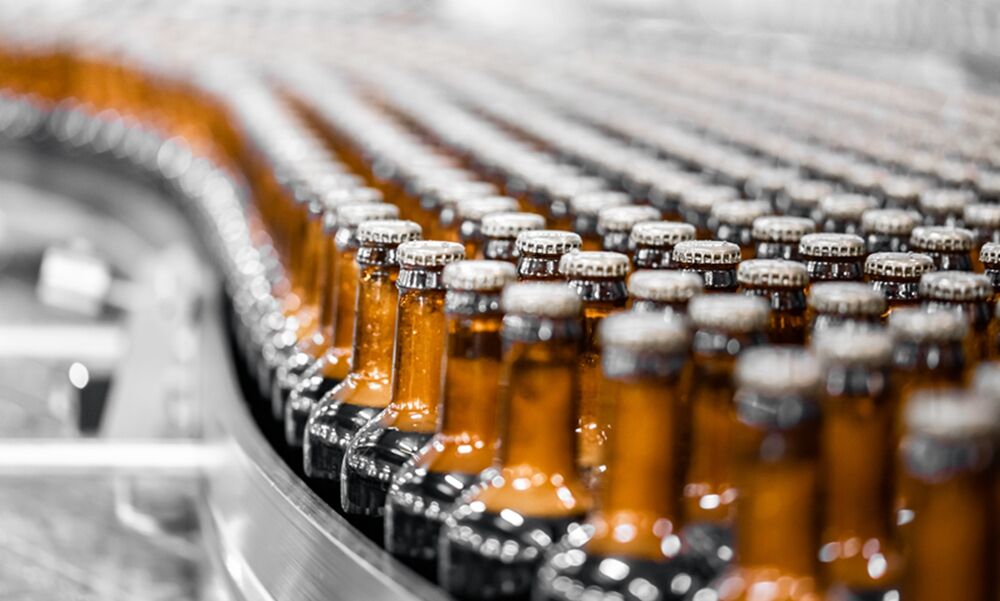
As core equipment in the beverage processing industry, water filling machines are designed with the key focus on compatibility with diverse filling methods. They can accurately match the personalized requirements of different water source characteristics (such as purified water, mineral water, flavored water, etc.) and bottle material types (plastic bottles, glass bottles, aluminum bottles, etc.), providing enterprises with flexible and efficient filling solutions. Currently, the most widely used filling methods for water filling machines in the market are mainly divided into three categories: gravity filling, atmospheric pressure filling, and vacuum filling. Each method has unique working principles, application scenarios, and core advantages, which can be flexibly selected according to production needs.
Gravity filling is a classic filling method based on the principle of natural gravity. With its simple structure and economic cost, it has become an ideal choice for entry-level production scenarios. Its working principle is intuitive and efficient: water is pre-stored in a closed water tank above the filling nozzles. When empty bottles are accurately positioned under the nozzles via the conveyor line, the nozzles open automatically, and the water in the tank flows naturally into the bottles through the pipelines under the action of gravity. The nozzles close automatically once the preset filling level is reached, completing a single filling cycle.
This filling method is particularly suitable for low-viscosity, bubble-free, and stable-composition liquids such as purified water and natural mineral water, as it can effectively avoid filling unevenness caused by the flow characteristics of the liquid. In addition, the core components of gravity filling machines have a simple structure and do not require complex pressure control systems. Not only is the operation threshold low—ordinary workers can get started after simple training—but the daily maintenance cost is also extremely low. Only regular cleaning of the water tank and nozzles is needed to ensure stable equipment operation. Therefore, it is widely used in small-scale water plants, start-up enterprises, or small-batch customized production scenarios. While meeting basic filling needs, it helps enterprises control initial equipment investment and operating costs.
Atmospheric pressure filling (also known as normal pressure filling) is a mainstream filling method that balances precision and versatility. With its stable performance and wide adaptability, it has become the core choice for medium-scale beverage production enterprises. Its working principle is based on atmospheric pressure balance: during the filling process, the water tank is connected to the outside world to maintain atmospheric pressure, and water flows into the bottles under the combined action of its own gravity and atmospheric pressure. The filling process is controlled by valves, whose opening and closing regulate the water flow rate.
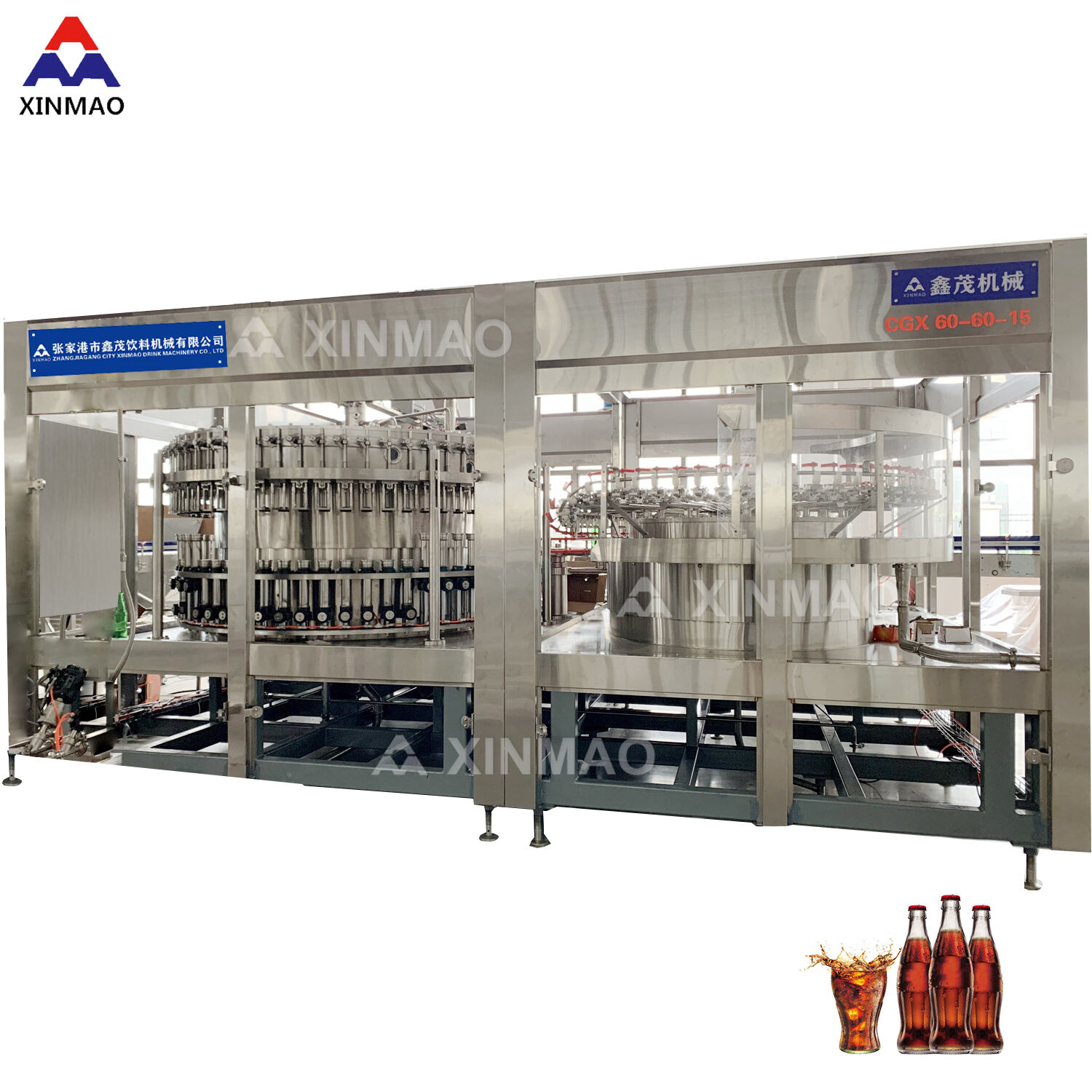
Compared with gravity filling, atmospheric pressure filling has a wider range of applications. It can not only efficiently handle basic beverages such as purified water and mineral water but also be compatible with juices, tea drinks, carbonated drinks, and other liquids with slight bubbles or a certain viscosity. Moreover, it offers higher filling precision, with a liquid level error controllable within ±1%, effectively ensuring product volume consistency. Meanwhile, the contact parts of atmospheric pressure filling machines are mostly made of food-grade 304 stainless steel, featuring a smooth surface that is easy to clean. They also support CIP (Clean-in-Place) online cleaning systems, enabling rapid equipment disinfection and sterilization to meet food safety production standards. In addition, the equipment operates stably with a low failure rate, and the output of a single machine can reach 1,000-5,000 bottles per hour, perfectly matching the large-scale production needs of small and medium-sized enterprises. It balances product quality, production efficiency, and operational convenience.
Vacuum filling is a professional filling method designed for high-value-added liquids with strict quality requirements. Its core advantage lies in minimizing liquid oxidation and contamination, ensuring product taste and shelf life. Its working principle is unique: before filling, the equipment first evacuates the air from the empty bottles to create a negative pressure environment inside. This helps remove any air from the bottles, reducing the risk of oxidation and contamination. Subsequently, the filling system uses the pressure difference between the inside and outside of the bottles to quickly and smoothly suck water from the tank into the bottles. The entire process involves no air entrainment, fundamentally reducing the contact between the liquid and oxygen.
This filling method is particularly suitable for high-end liquids that are oxygen-sensitive, prone to oxidative deterioration, or have complex compositions, such as high-quality mineral water rich in minerals, flavored water with natural extracts, and functional beverages. It can effectively prevent mineral oxidation, nutrient loss, or taste deterioration, while avoiding bacteria and impurities in the air from entering the bottles, ensuring product purity and stability. Vacuum filling machines offer extremely high filling precision, with better liquid level consistency than the other two methods. Additionally, the equipment is equipped with a complete sealing and sterile design, meeting the production standards for high-end beverages. Although the initial equipment investment and operating costs are relatively higher, it can help enterprises build a differentiated competitive advantage. Therefore, it is widely used in the production lines of high-end water plants and premium beverage brands, assisting enterprises in seizing the high-end market.
In actual production, the selection of a filling method needs to comprehensively consider three core factors: water source characteristics, bottle material types, and production requirements, to achieve the optimal match between equipment performance and production needs:
- If producing basic beverages such as ordinary purified water and mineral water, with the core goals of small-scale production and cost control, gravity filling machines are the cost-effective choice;
- If producing a variety of beverages (including water, juices, tea drinks, etc.) and pursuing filling precision, production efficiency, and operational convenience, atmospheric pressure filling machines are the ideal solution for medium-scale production;
- If producing high-end mineral water, flavored water, and other oxygen-sensitive products, with a focus on quality stability and added value, vacuum filling machines can maximize product core competitiveness.
In summary, the diversified filling method design of water filling machines provides customized solutions for beverage enterprises of different scales and positioning. Enterprises can select the most suitable filling equipment and methods according to their own product characteristics and development stages, optimizing production efficiency and controlling operating costs while ensuring product quality, thus laying a solid foundation for sustainable business development.
 EN
EN