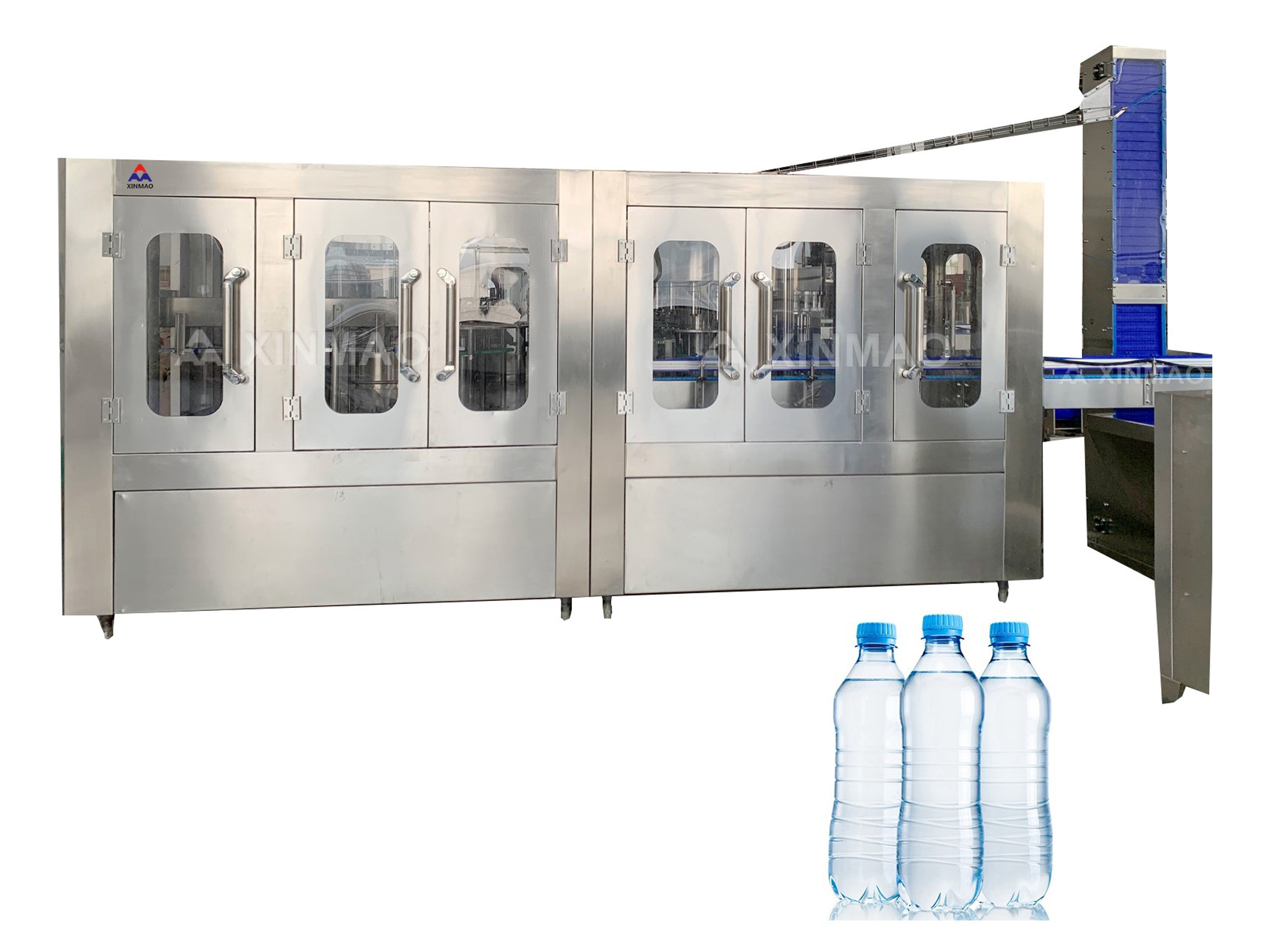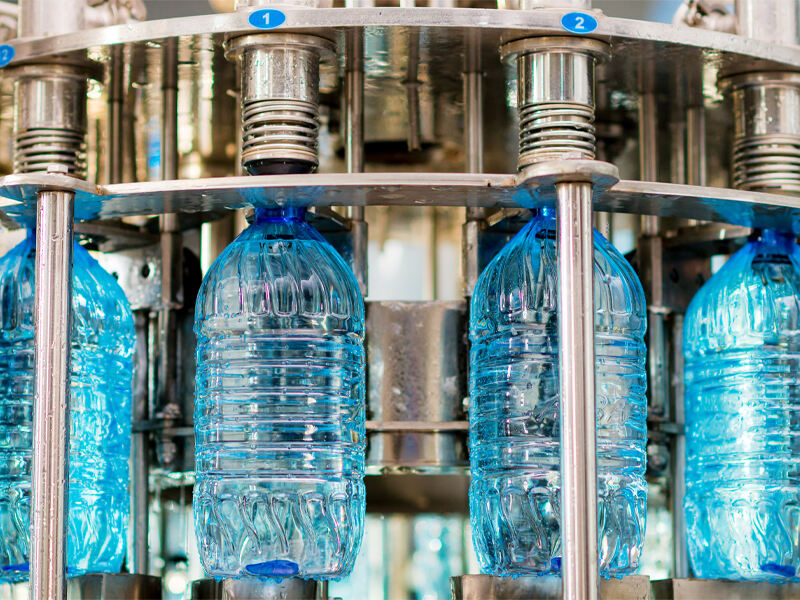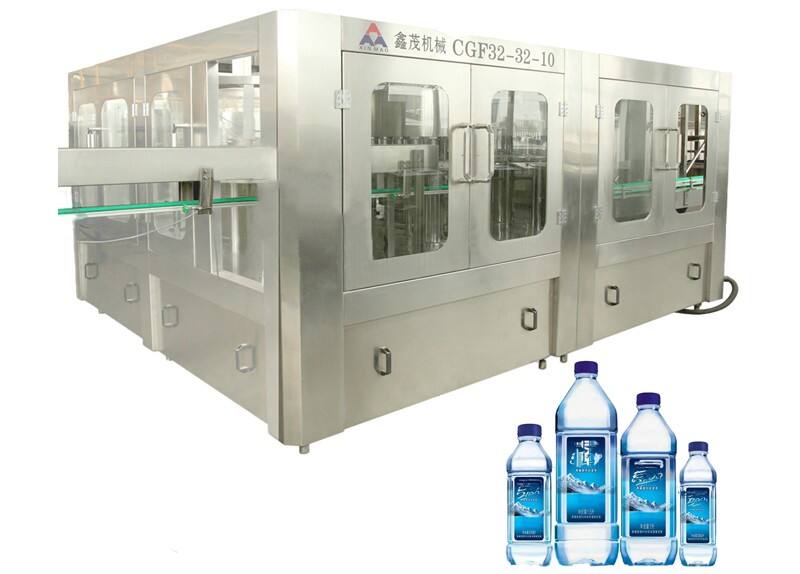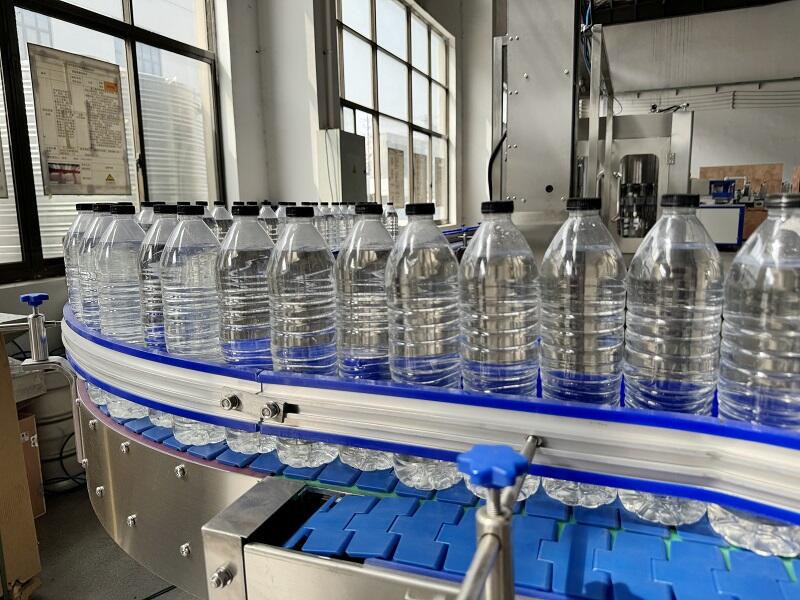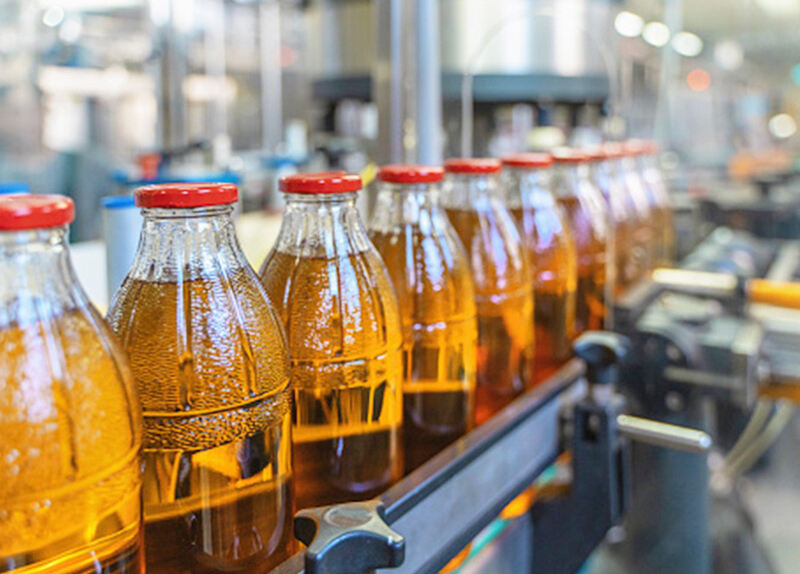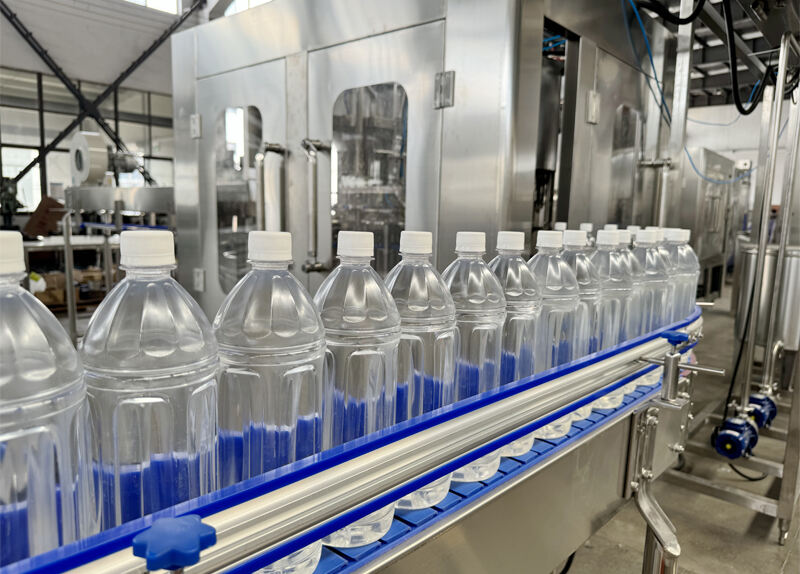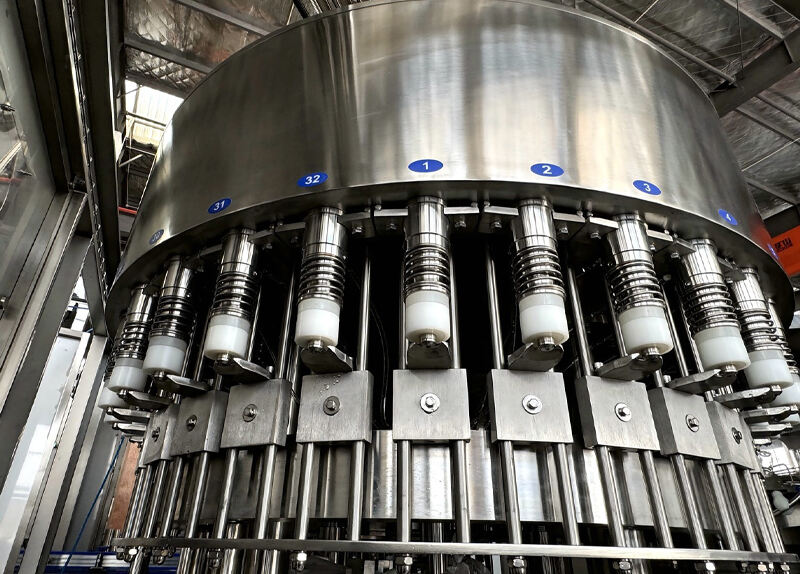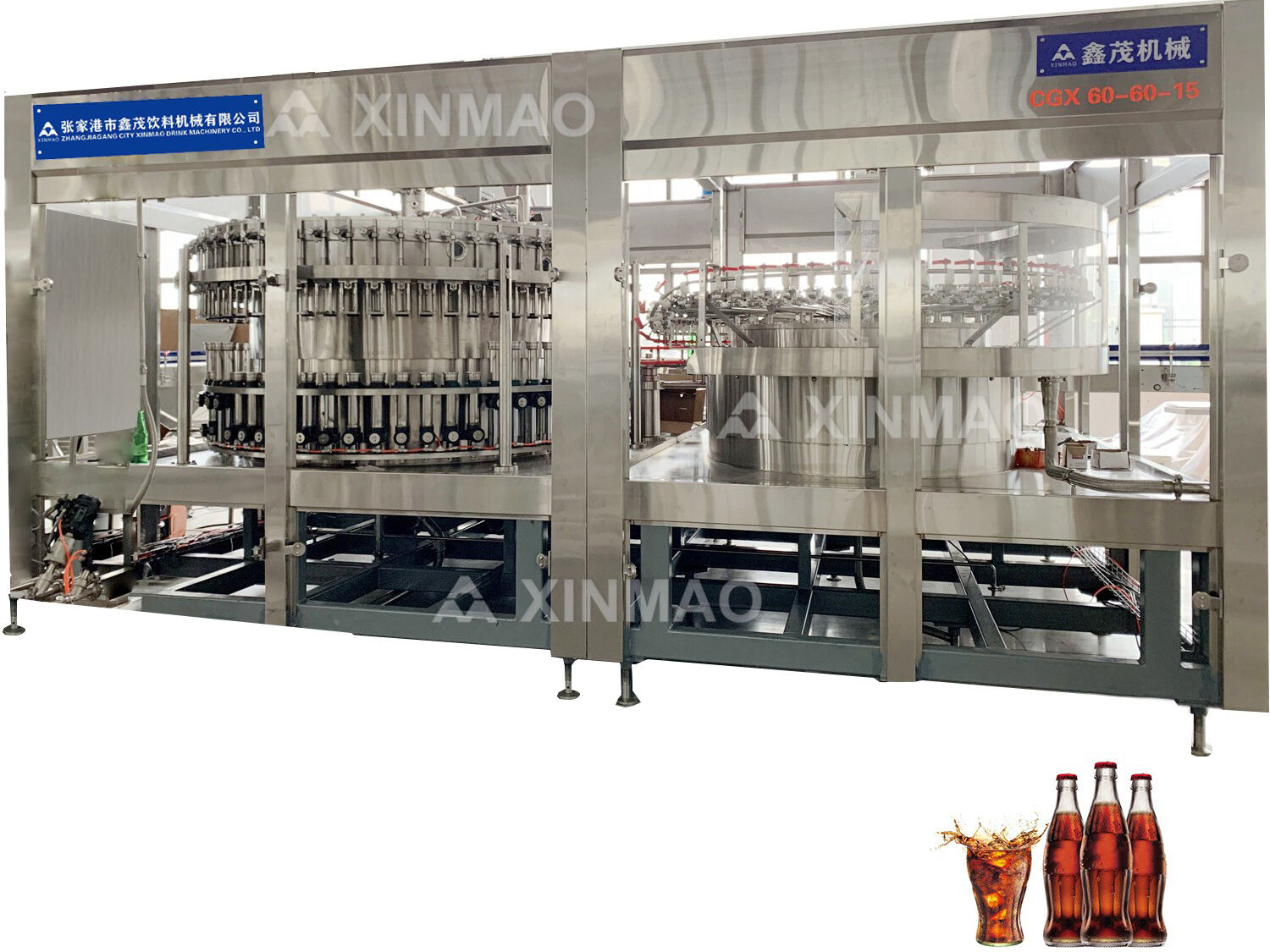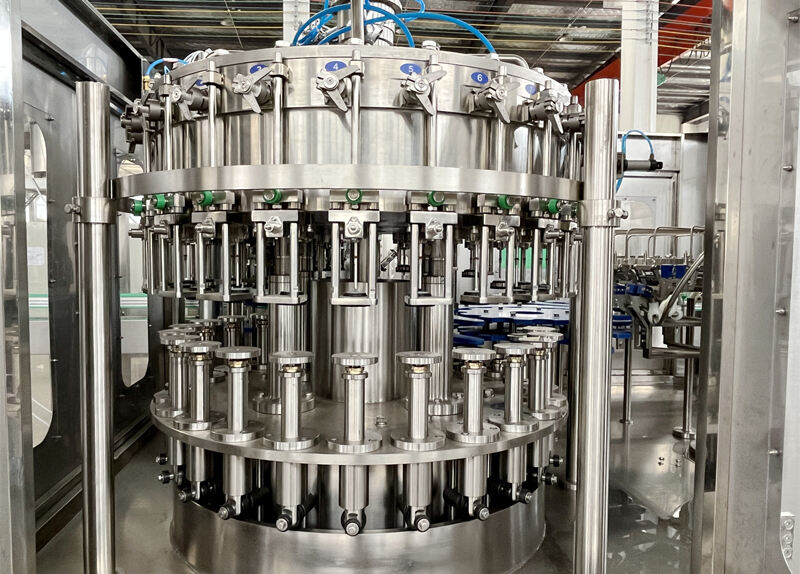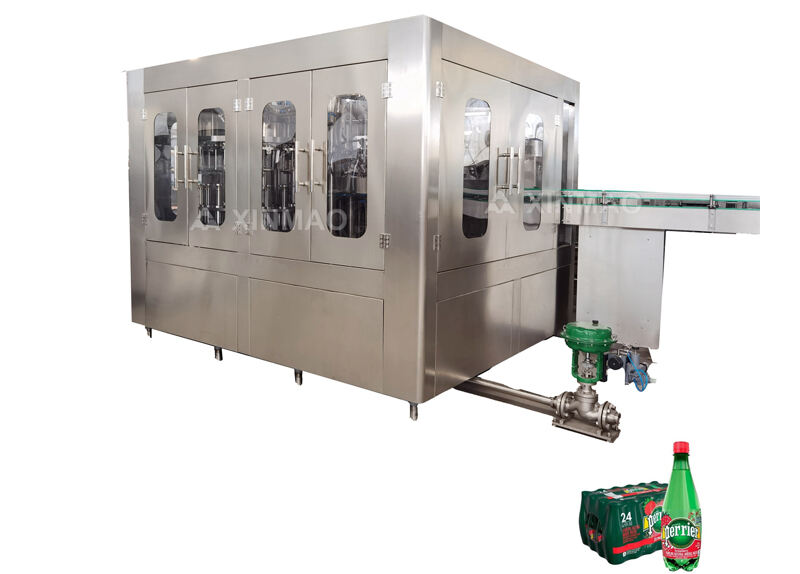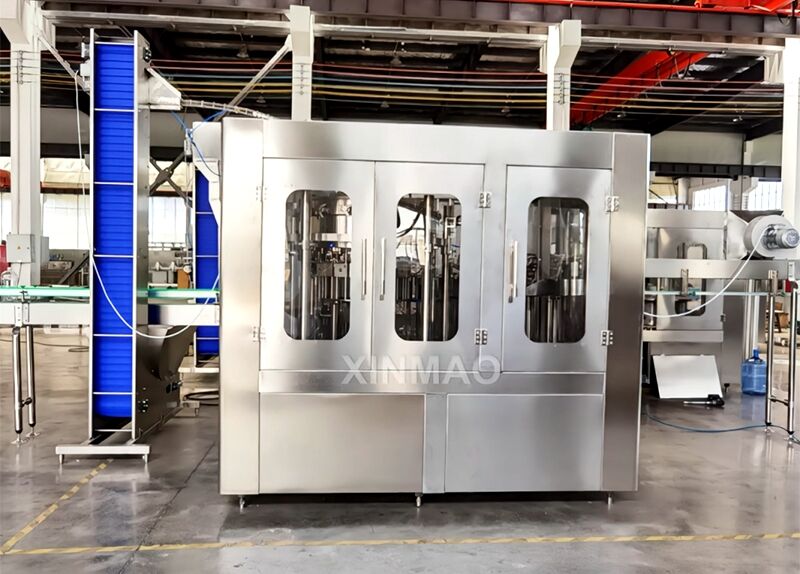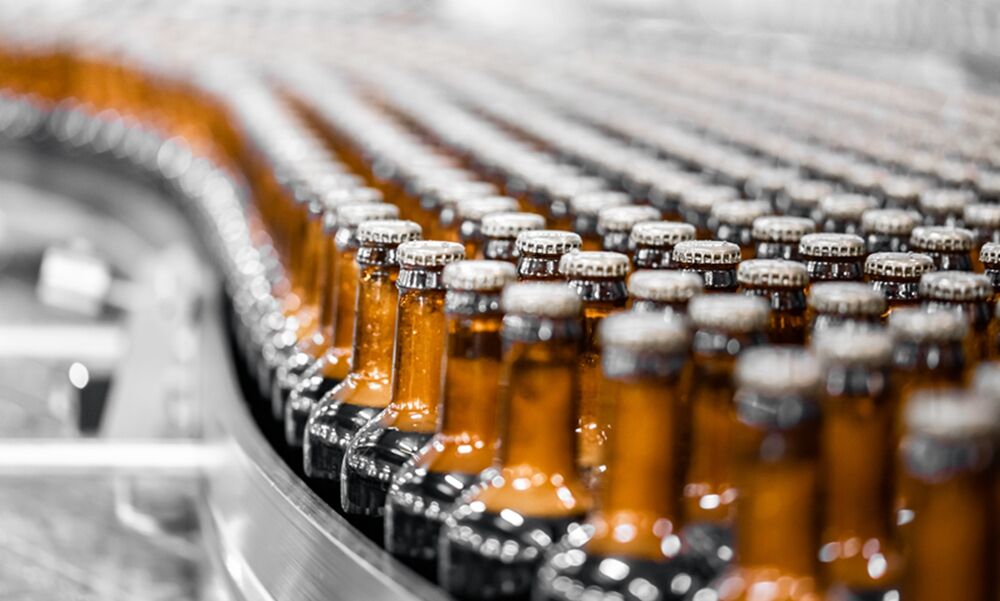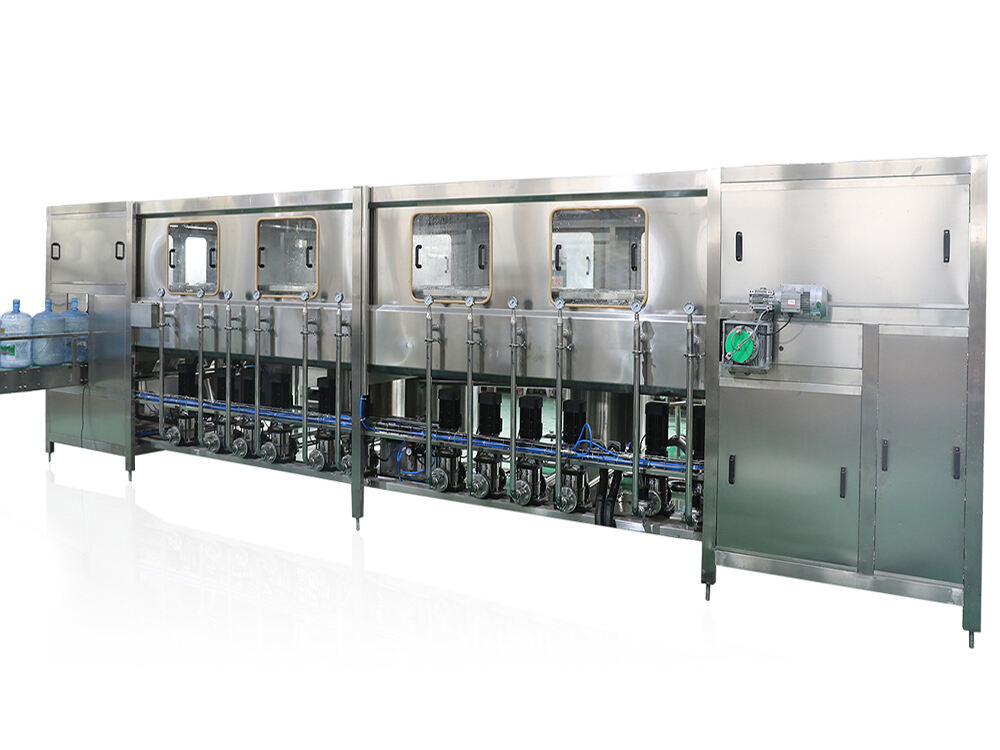
The maintenance and upkeep of water filling machines are essential to ensure their long-term performance, reliability, and product quality. Regular maintenance can help prevent equipment breakdowns, extend the lifespan of the machine, and reduce production costs. One of the key maintenance tasks for a water filling machine is cleaning and sanitizing. The machine should be cleaned regularly to remove any dirt, debris, or product residues that may accumulate during the filling process. This is especially important in the food and beverage industry, where hygiene is crucial to prevent contamination and ensure the safety of the bottled water. The cleaning process should include all contact parts of the machine, such as filling nozzles, conveyor belts, and storage tanks. Manufacturers should follow the manufacturer's recommended cleaning procedures and use appropriate cleaning agents. Lubrication is another important maintenance task. The moving parts of a water filling machine, such as bearings, gears, and chains, need to be lubricated regularly to reduce friction and wear. This helps to ensure smooth operation and prevent premature failure of the components. Manufacturers should use the recommended lubricants and follow the lubrication schedule provided by the manufacturer. Regular inspection of the water filling machine is also necessary to identify any potential issues early. Operators should check for signs of wear and tear, such as cracks, leaks, or loose parts, and report any problems to the maintenance team immediately. The electrical system of the machine should also be inspected regularly to ensure that all connections are secure and there are no signs of overheating or electrical faults. In addition to regular maintenance, water filling machines may require periodic calibration to ensure accurate filling. The filling sensors and control systems should be calibrated according to the manufacturer's specifications to maintain the correct filling volume. This is important to prevent under-filling or over-filling, which can affect product quality and customer satisfaction. In real-world applications, manufacturers often establish a preventive maintenance program for their water filling machines. This program includes regular maintenance tasks, such as cleaning, lubrication, and inspection, as well as scheduled downtime for more in-depth maintenance and repairs. By following a preventive maintenance program, manufacturers can minimize equipment breakdowns, reduce production losses, and ensure the consistent quality of their bottled water. For example, a large beverage company might have a dedicated maintenance team that is responsible for the upkeep of all its water filling machines, ensuring that they are operating at peak performance at all times.
12
Dec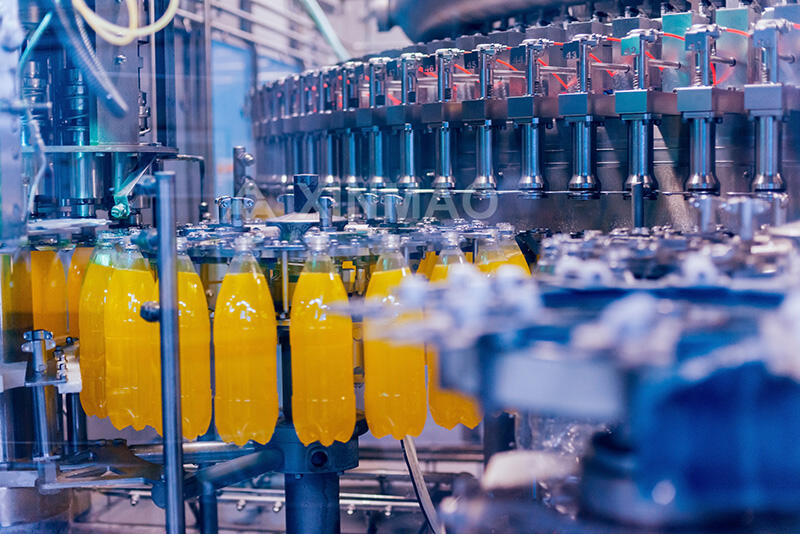
12
Dec
12
Dec
05
Feb
 EN
EN