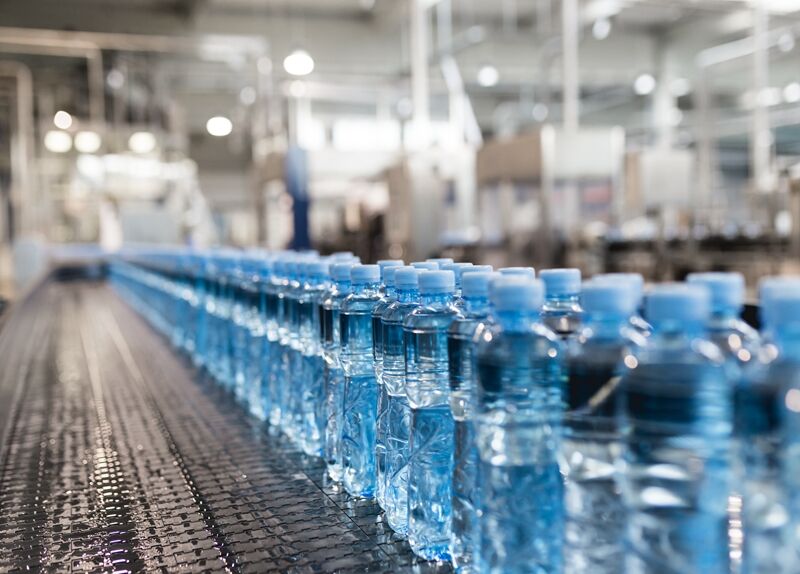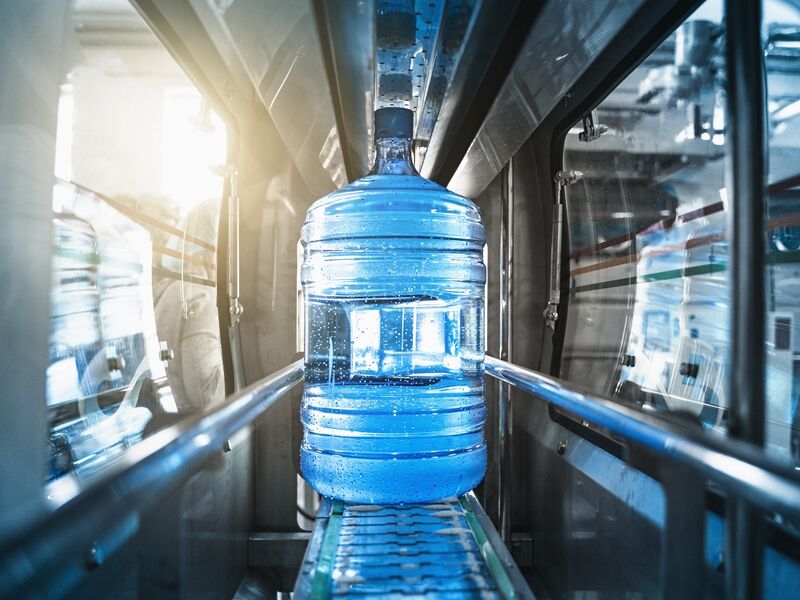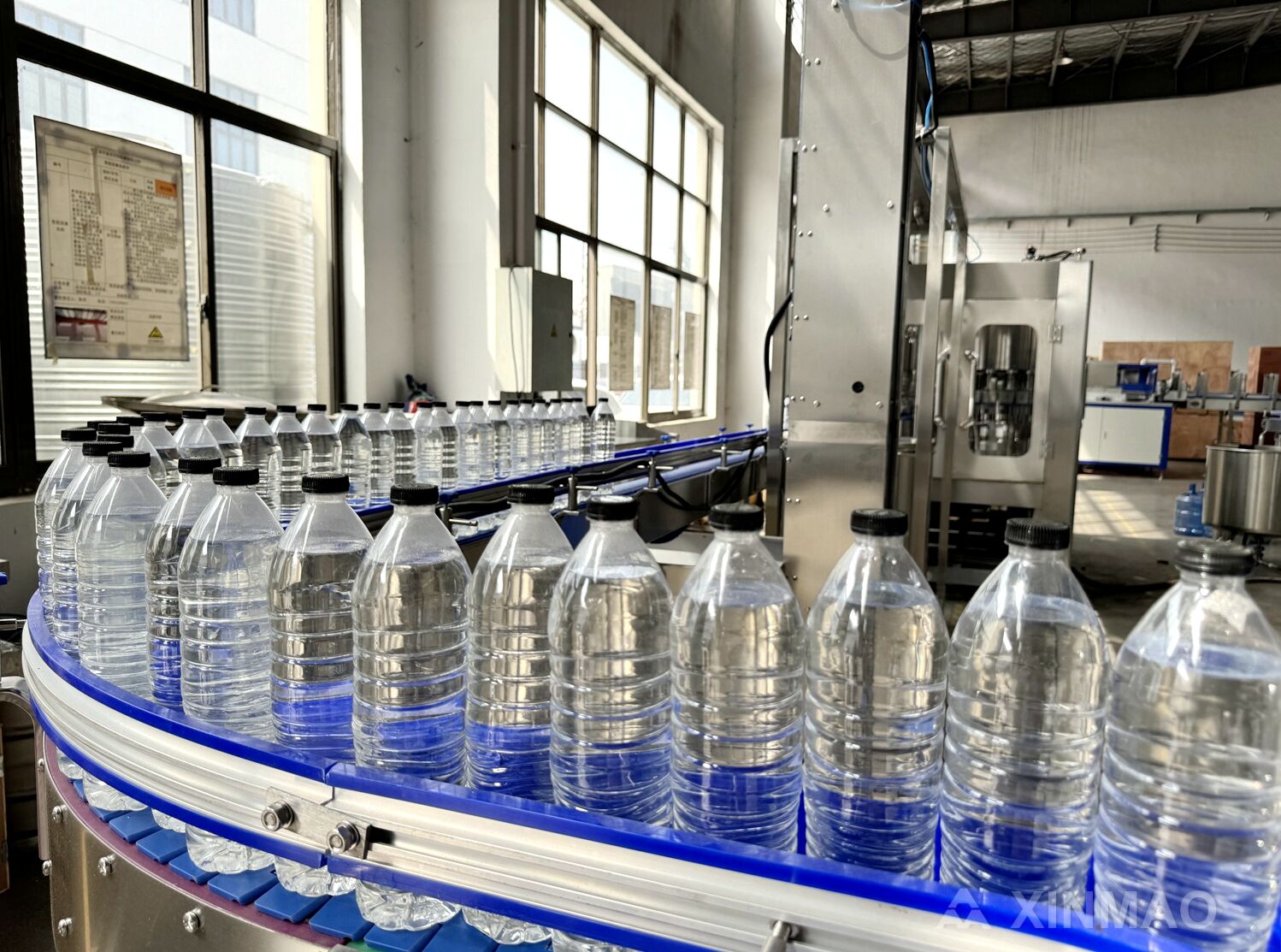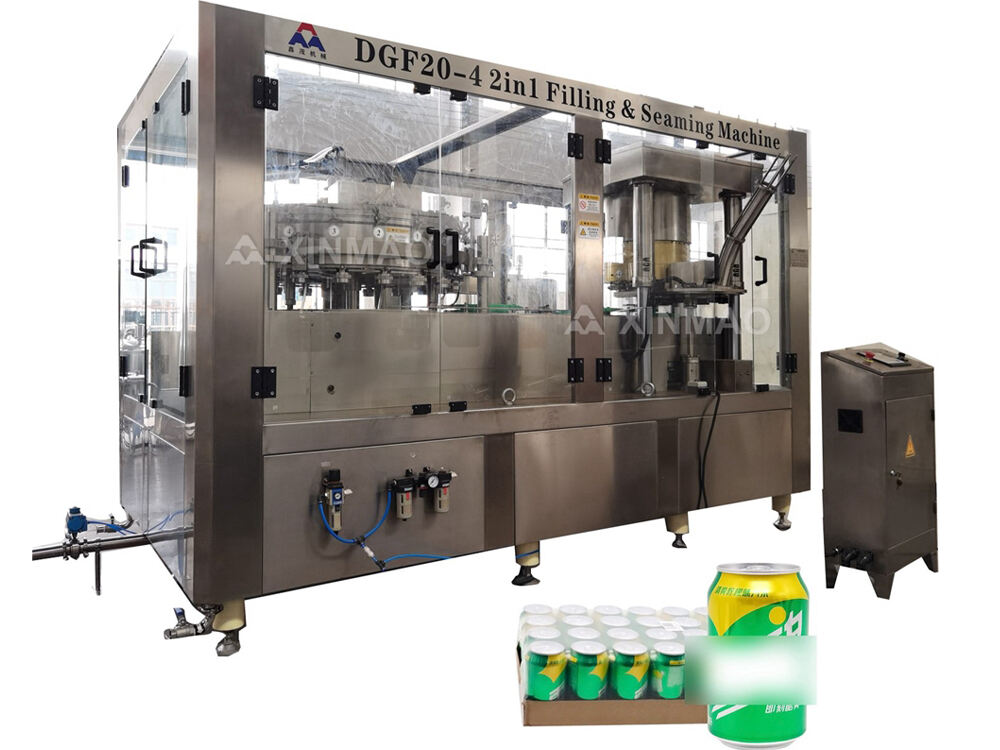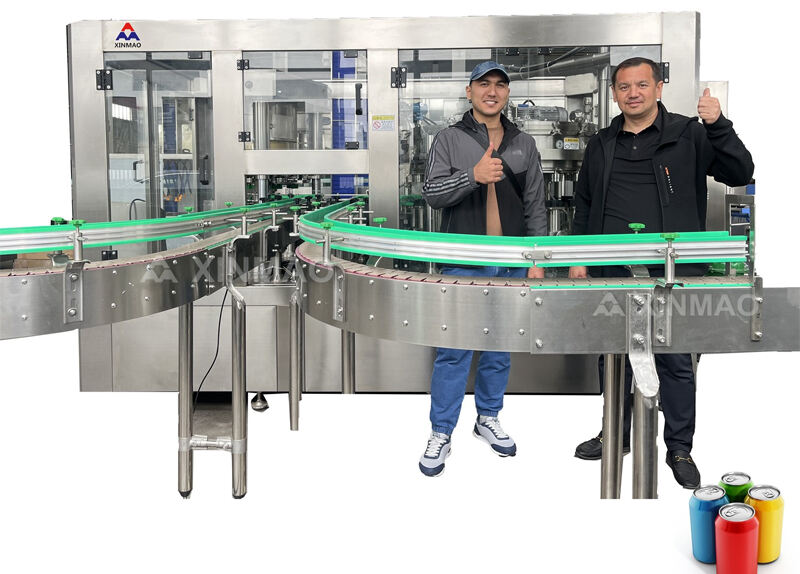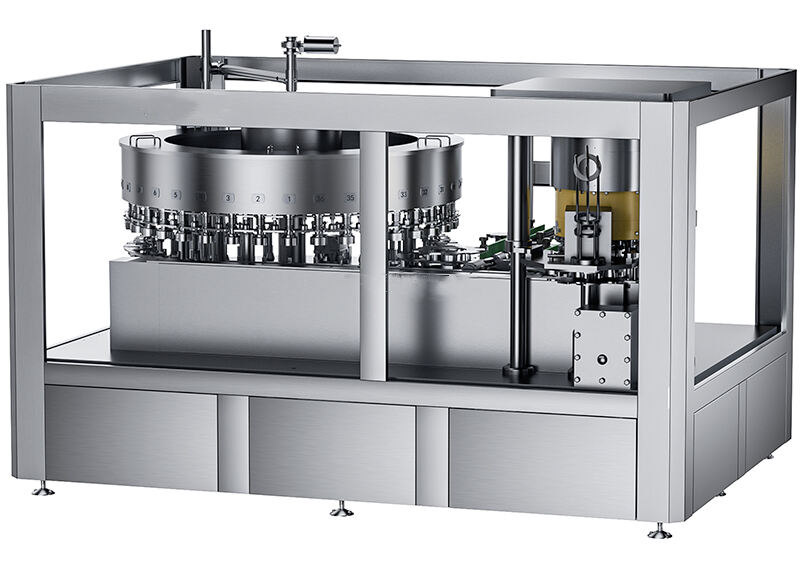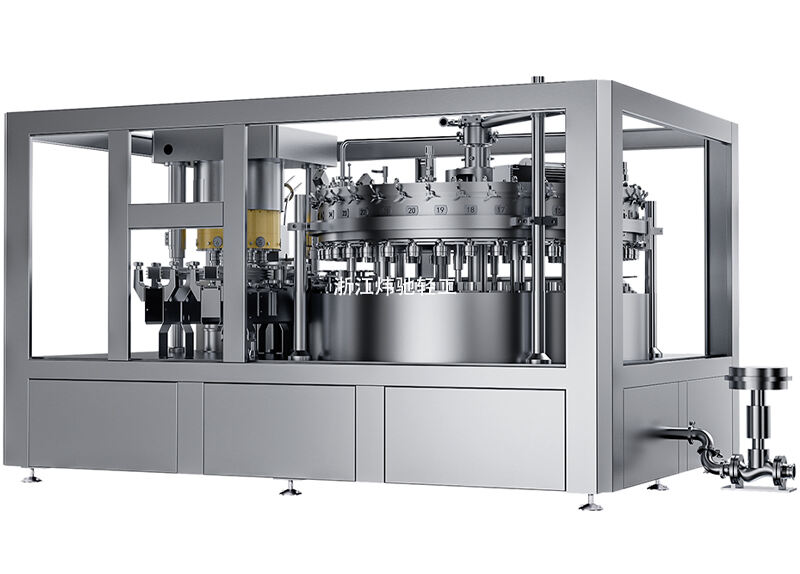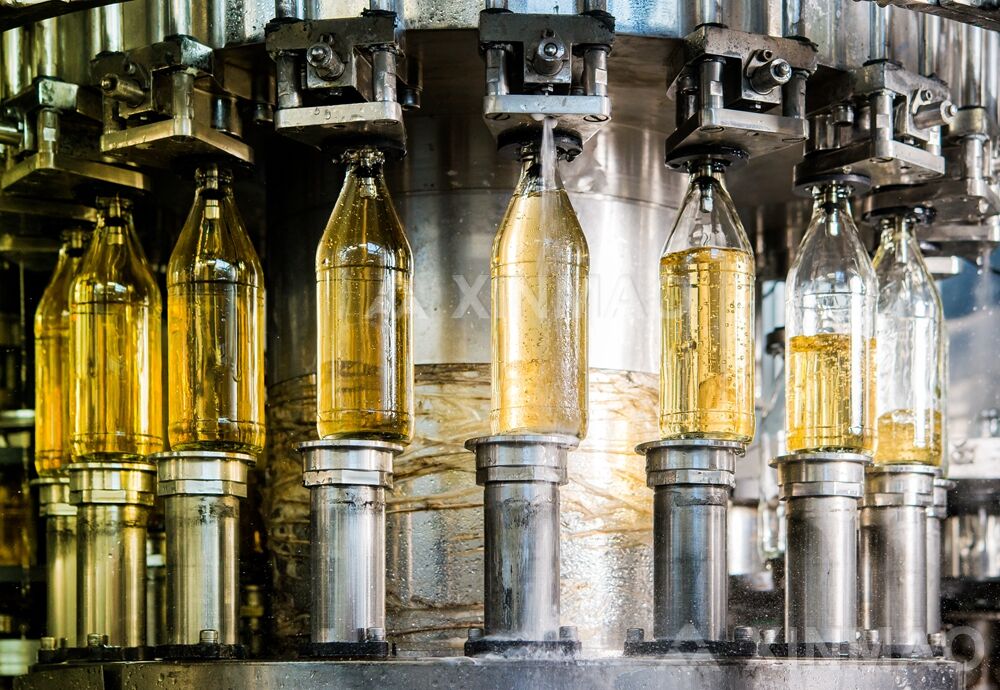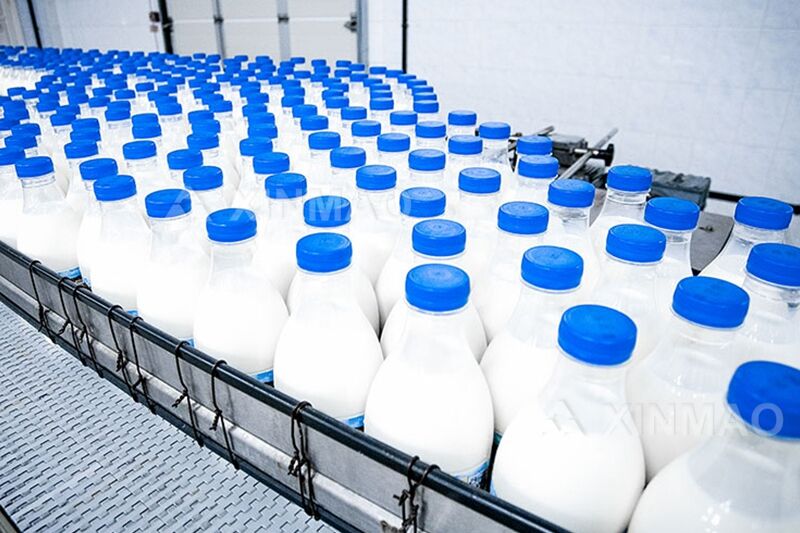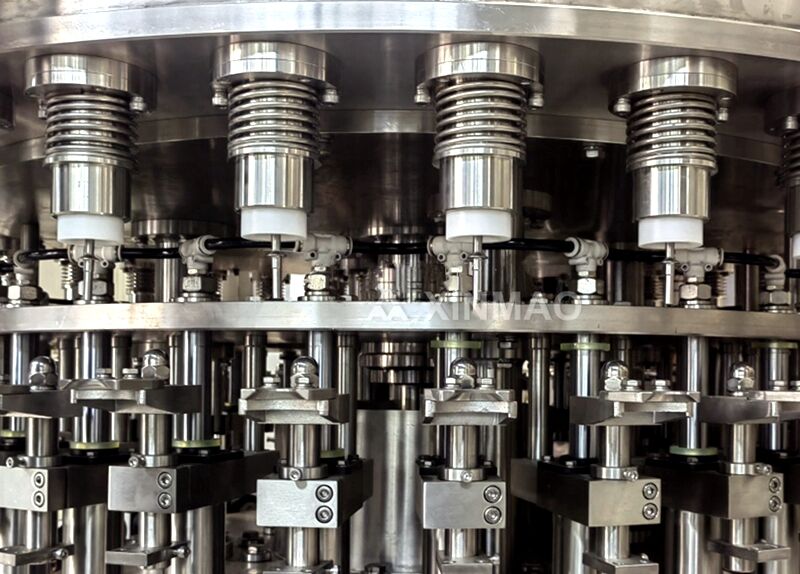
When delving into the specifics of a water filling machine, its operational precision and adaptability become paramount. This equipment is not a one-size-fits-all solution; it is meticulously calibrated for different container formats, from standard 500ml PET bottles to large 5-gallon (18.9L) water jars. For smaller bottles, the machine often utilizes a rotary or linear design where containers are indexed under a series of filling nozzles. The filling valves, a critical component, are designed to open and close with precision, controlling the flow to achieve accurate fill levels without drips or splashing. In the context of larger containers like 3-15L bottles or 5-gallon barrels, the water filling machine may employ a different mechanism, sometimes using a negative pressure or vacuum-assisted method to draw water into the container steadily. The construction materials, predominantly food-grade stainless steel (such as 304 or 316L), ensure durability and corrosion resistance while meeting sanitary requirements. Furthermore, modern water filling machines are increasingly equipped with programmable logic controllers (PLCs) and human-machine interfaces (HMIs), allowing operators to easily adjust parameters like fill volume, speed, and production counts. This focus on precise engineering makes the water filling machine a vital asset for maintaining product integrity, meeting regulatory volume requirements, and adapting to diverse production runs with minimal downtime.
12
Dec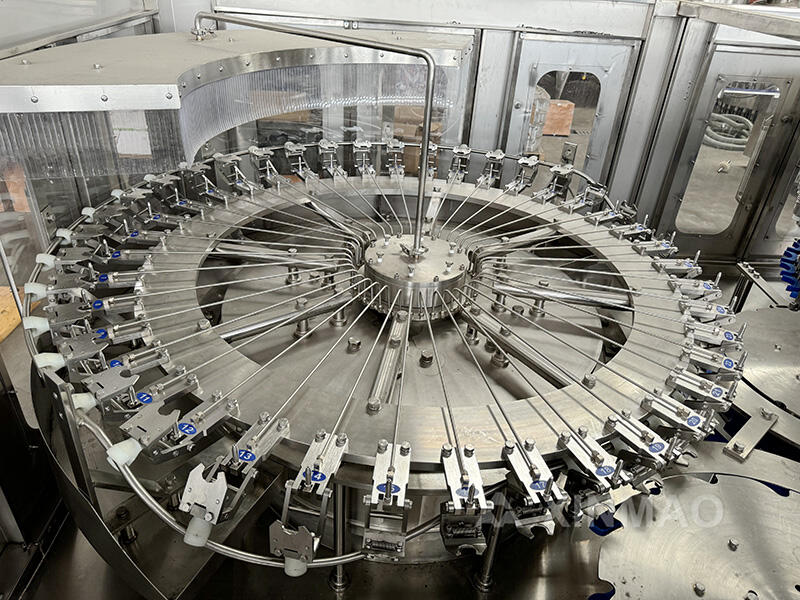
12
Dec
12
Dec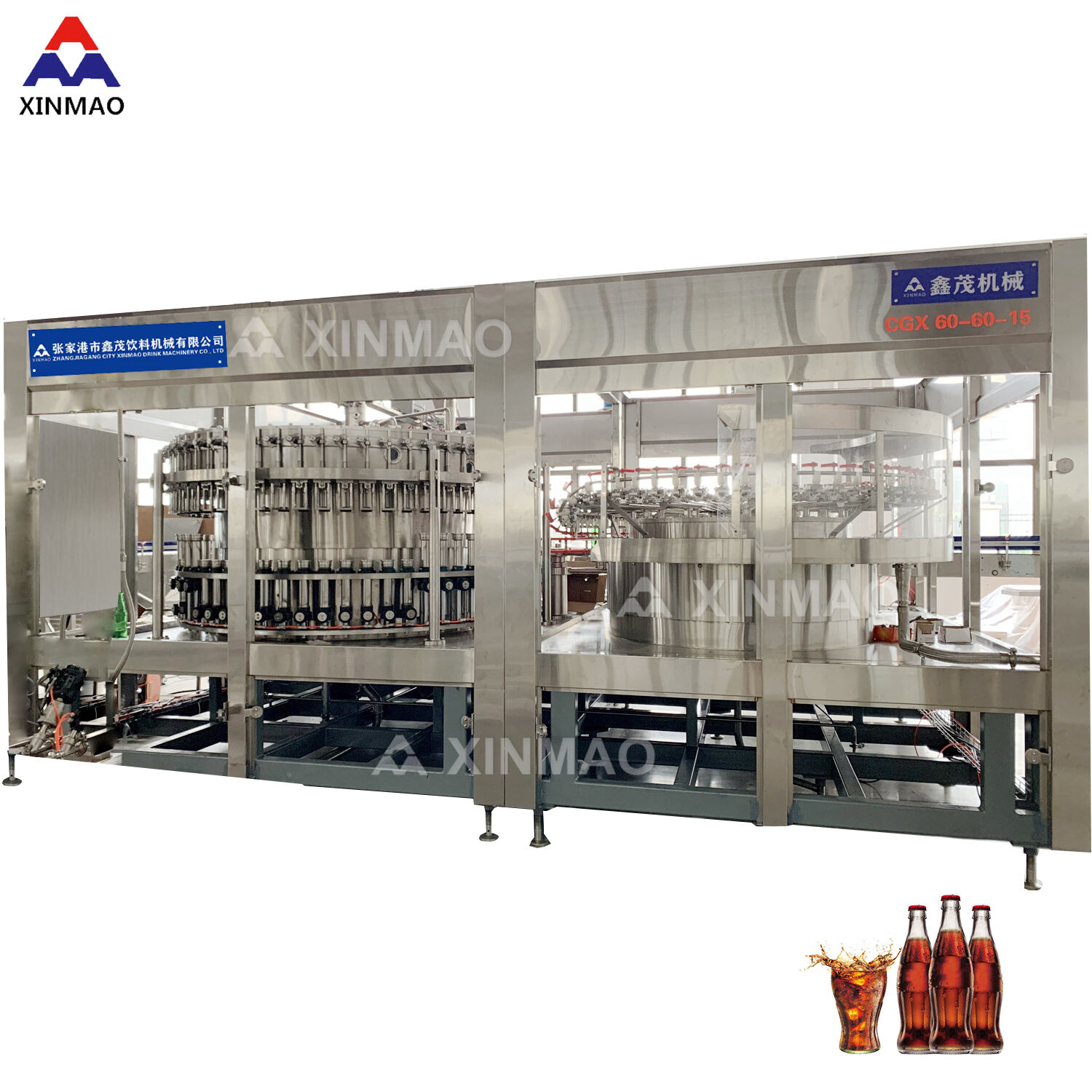
12
Dec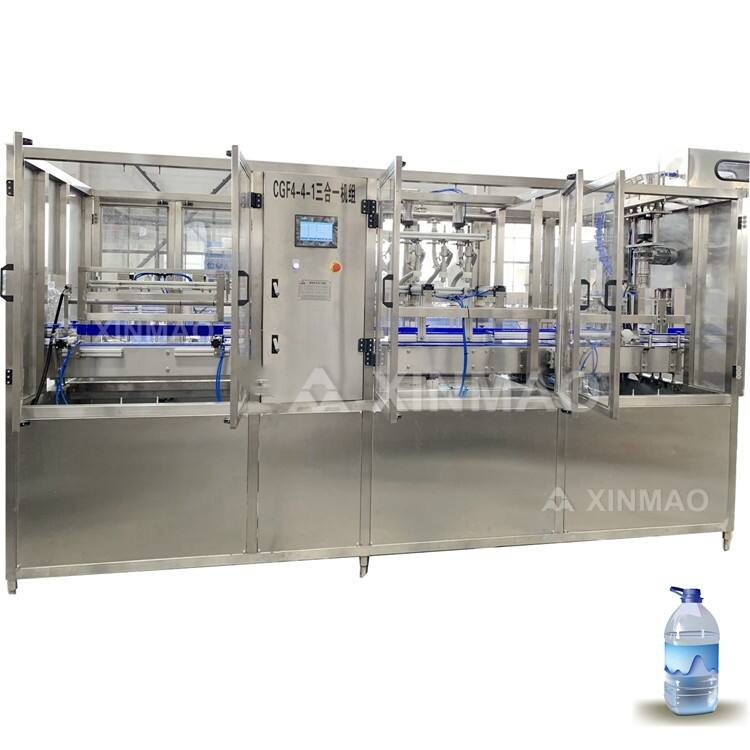
 EN
EN