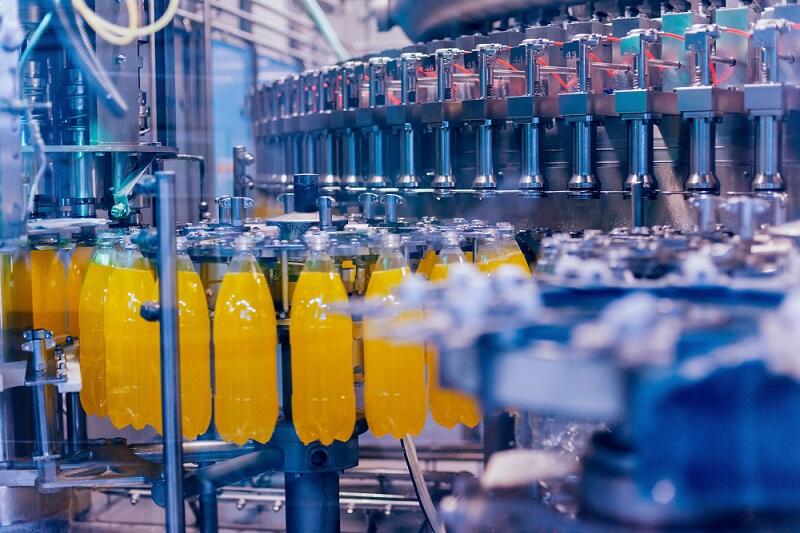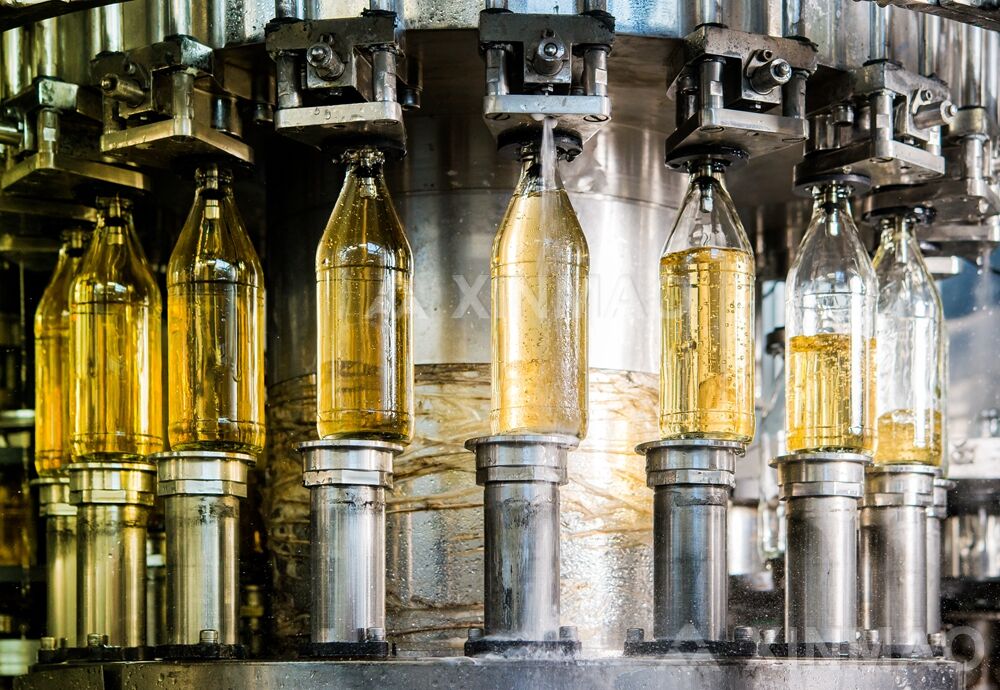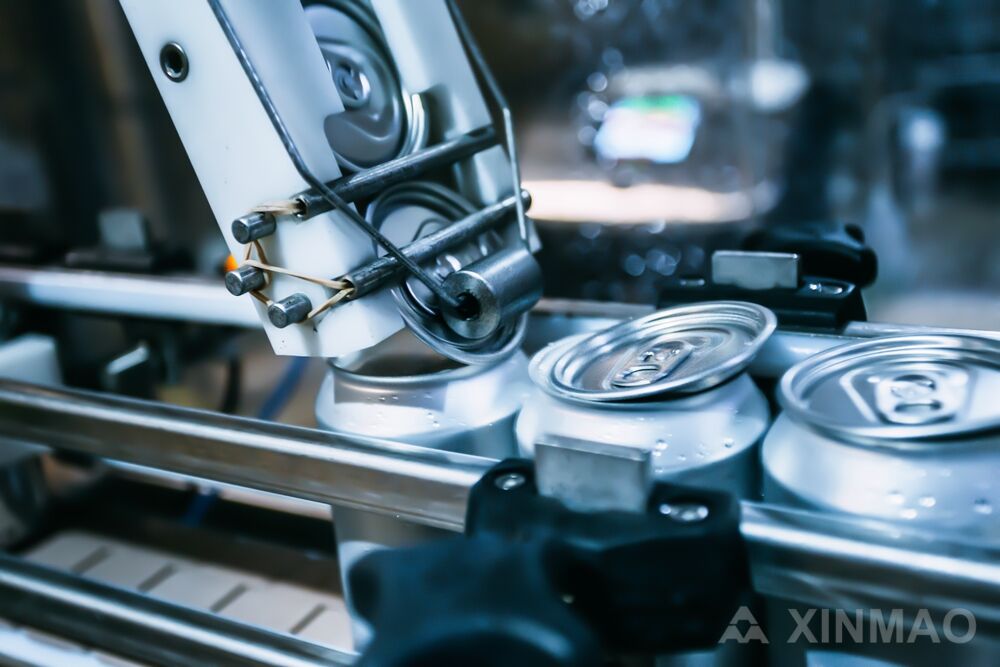
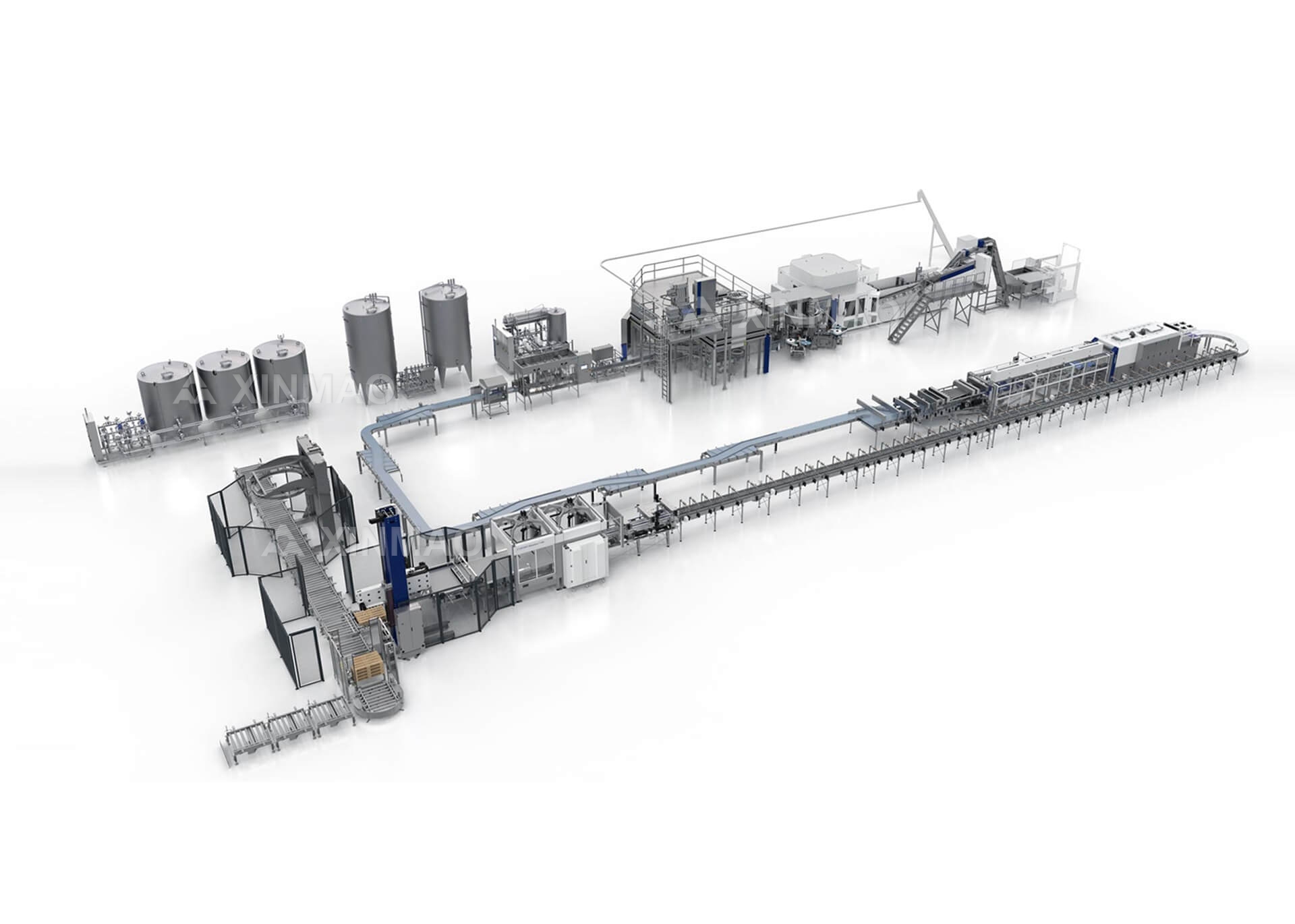
The operational sequence of a modern can filling machine is a marvel of coordinated mechanical and electronic engineering. The process typically begins with empty cans being fed from a depalletizer or uncaser into a single-file conveyor that leads them into the can filling machine. Inside, the cans are often purged with an inert gas like CO₂ or nitrogen to displace oxygen, a critical step for product preservation, especially for beer and juices. They are then indexed precisely under the filling valves. In a can filling machine designed for carbonated beverages, the can is first pressurized to match the product tank, then the product is gently introduced. After filling, the cans move immediately to the seaming station, which is often an integral part of the can filling machine monobloc. Here, a lid (or “end”) is placed and secured using a double-seaming process that creates an airtight, durable seal. The entire cycle within the can filling machine happens in a fraction of a second, with hundreds of cans being processed simultaneously on a rotary platform, showcasing the machine's role as the high-speed heart of the packaging line.
12
Dec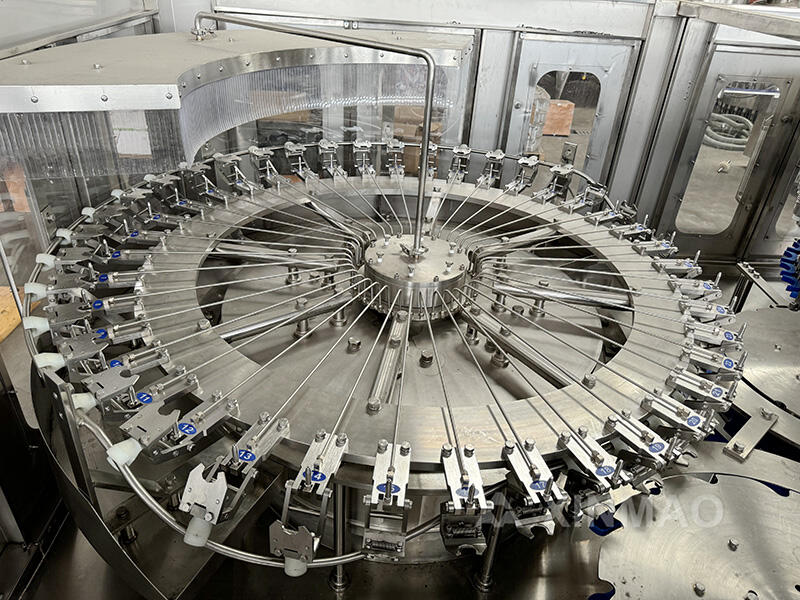
12
Dec
12
Dec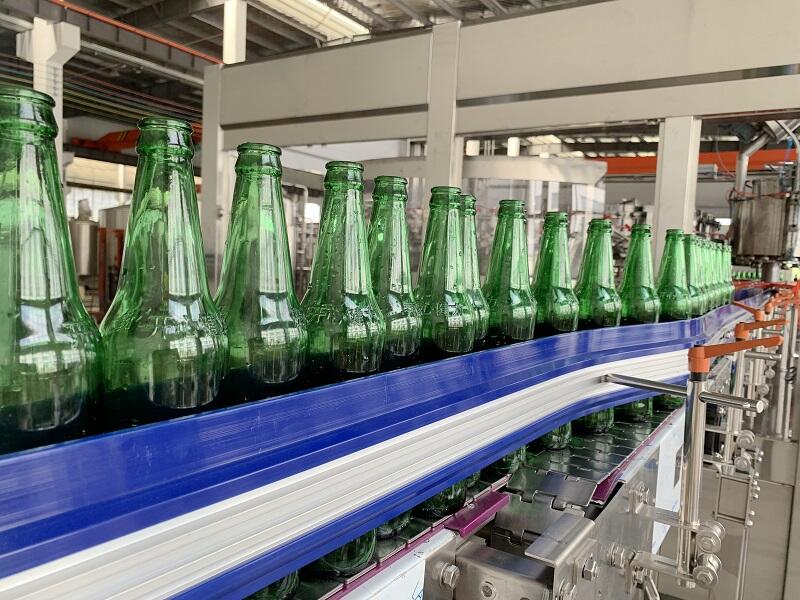
12
Dec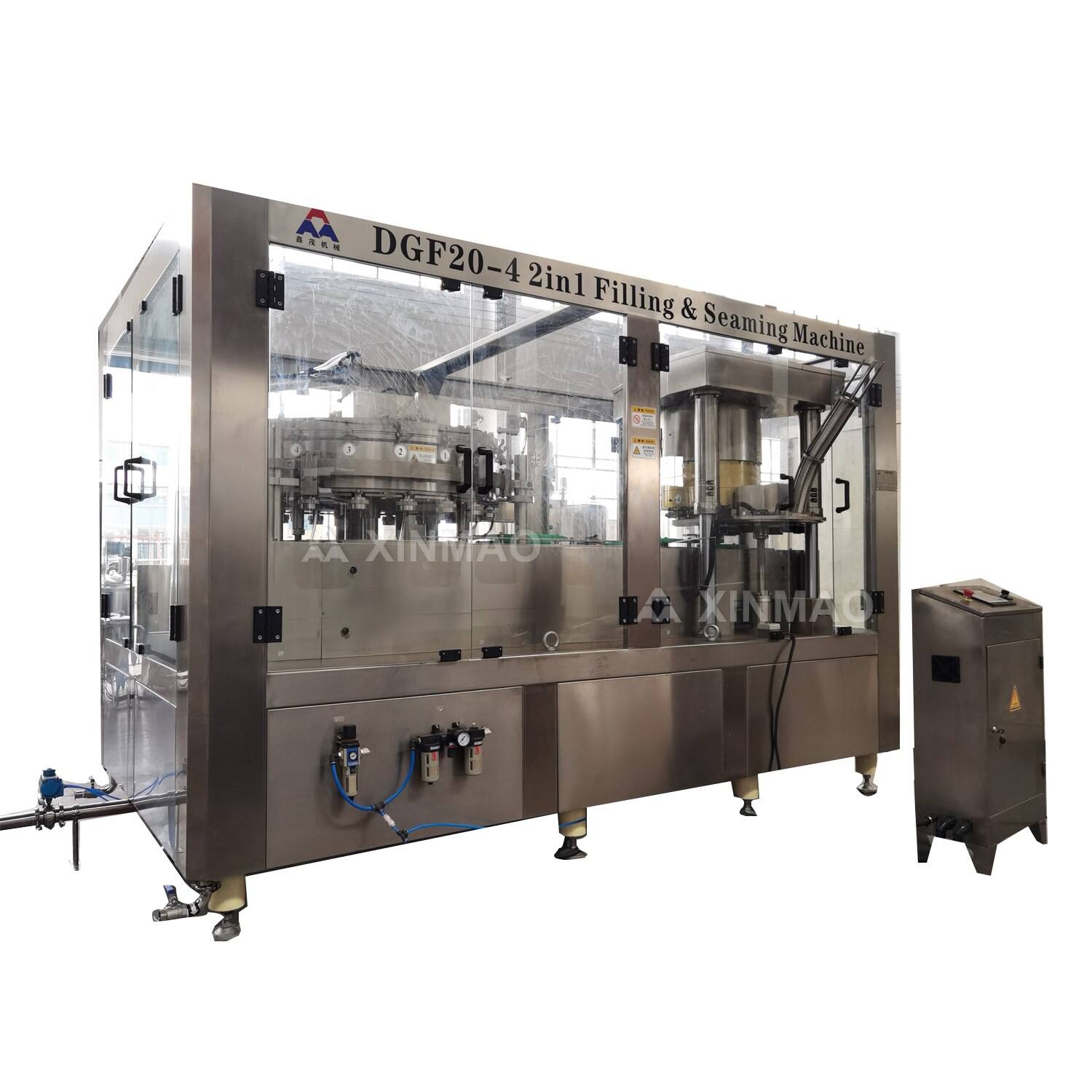
 EN
EN