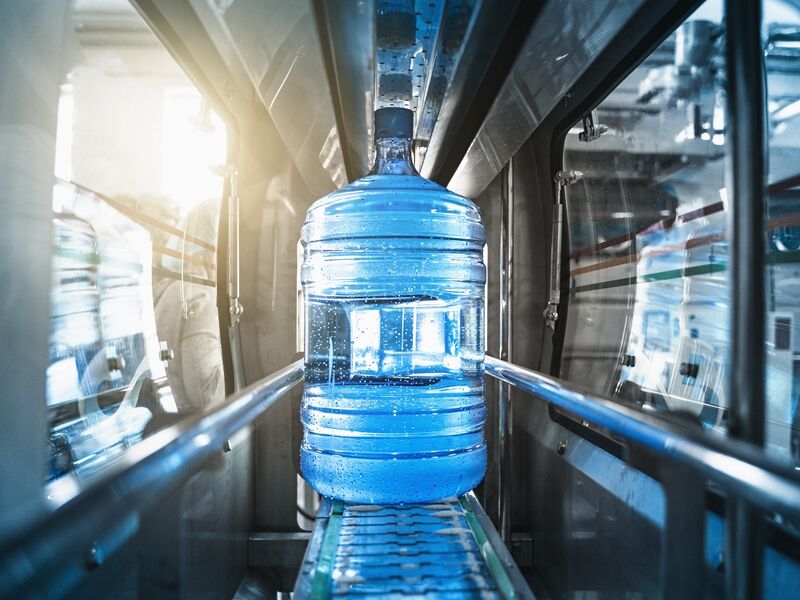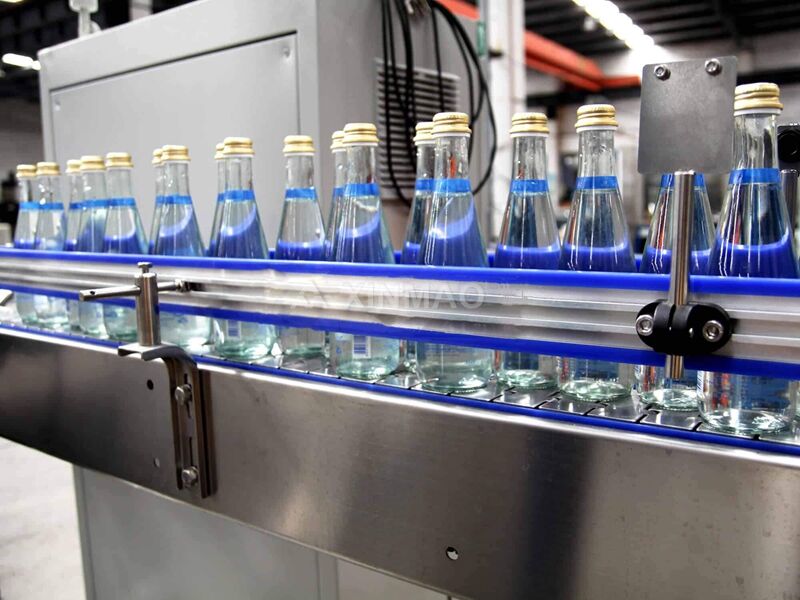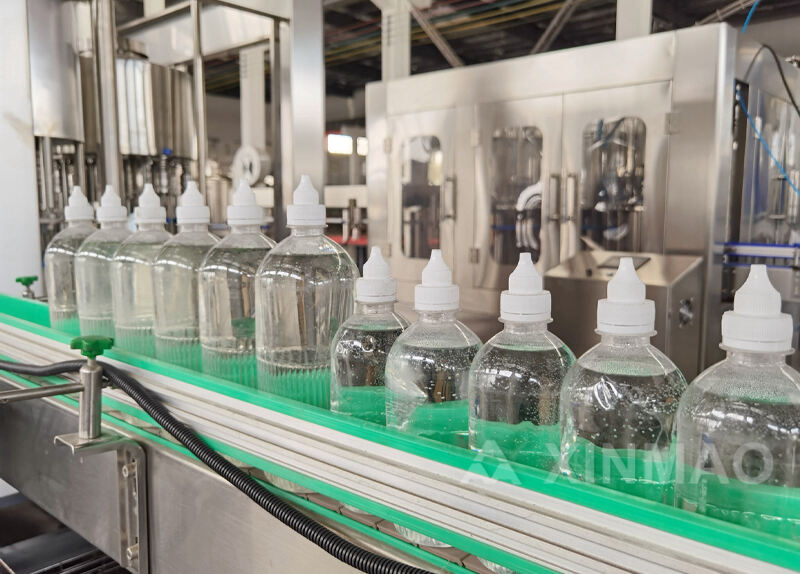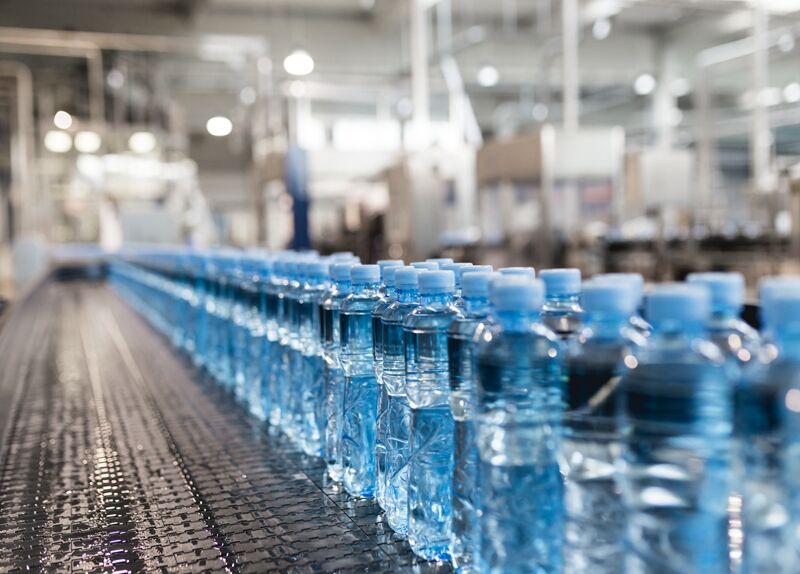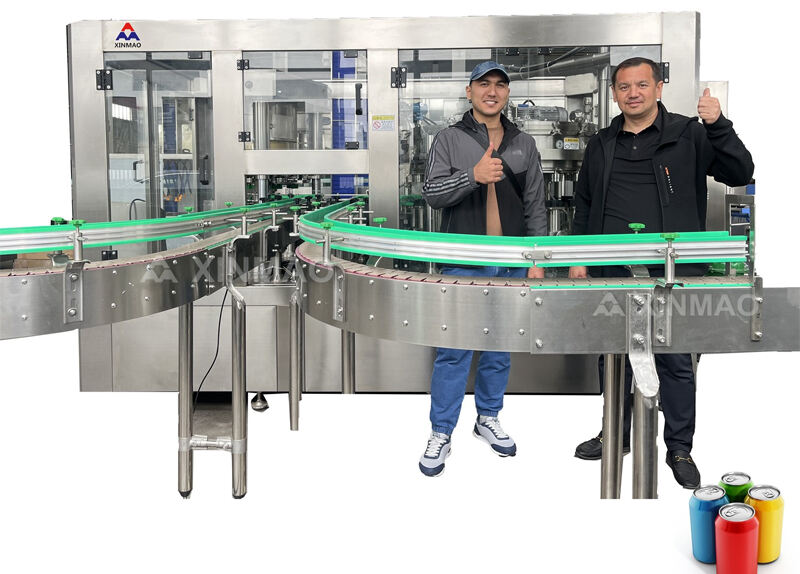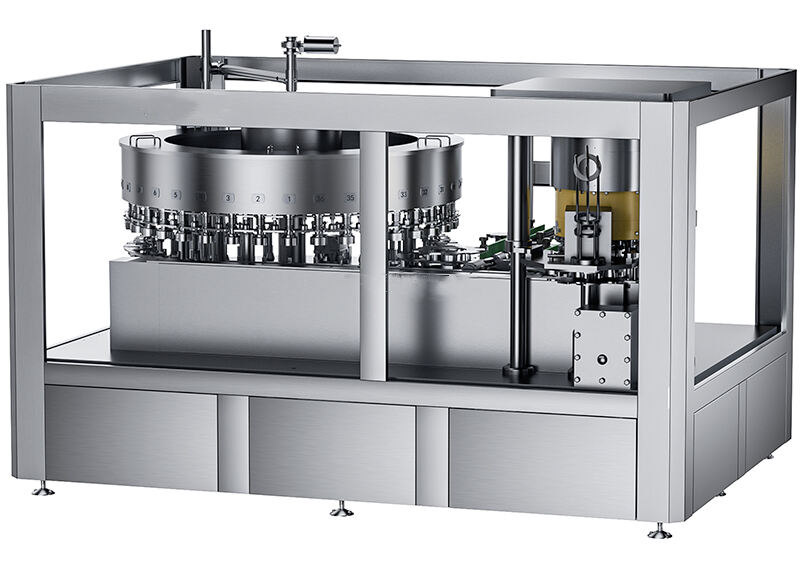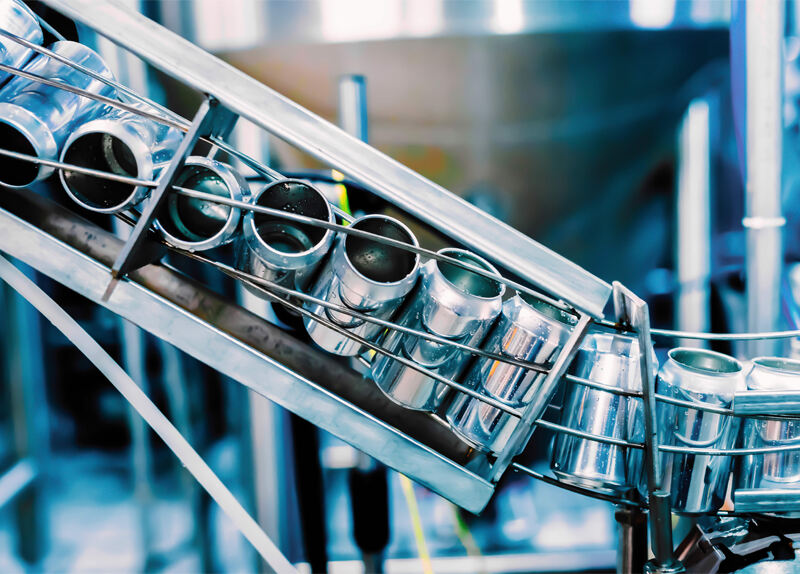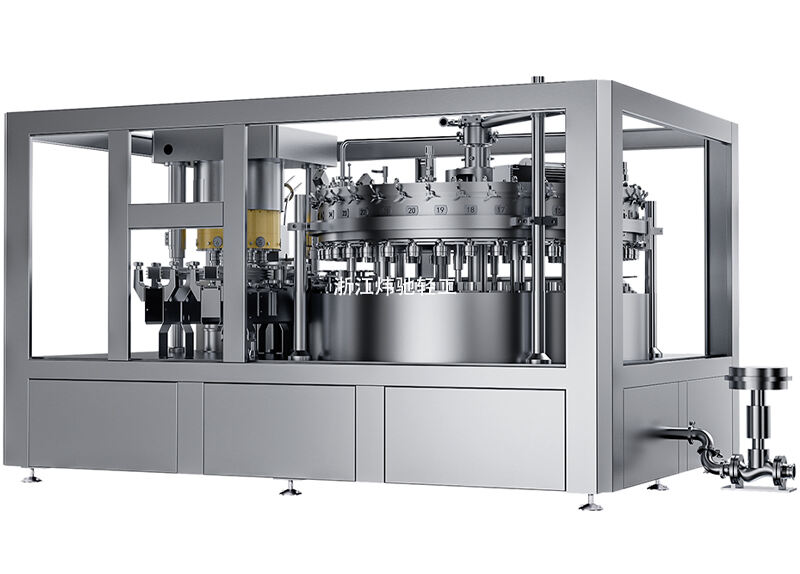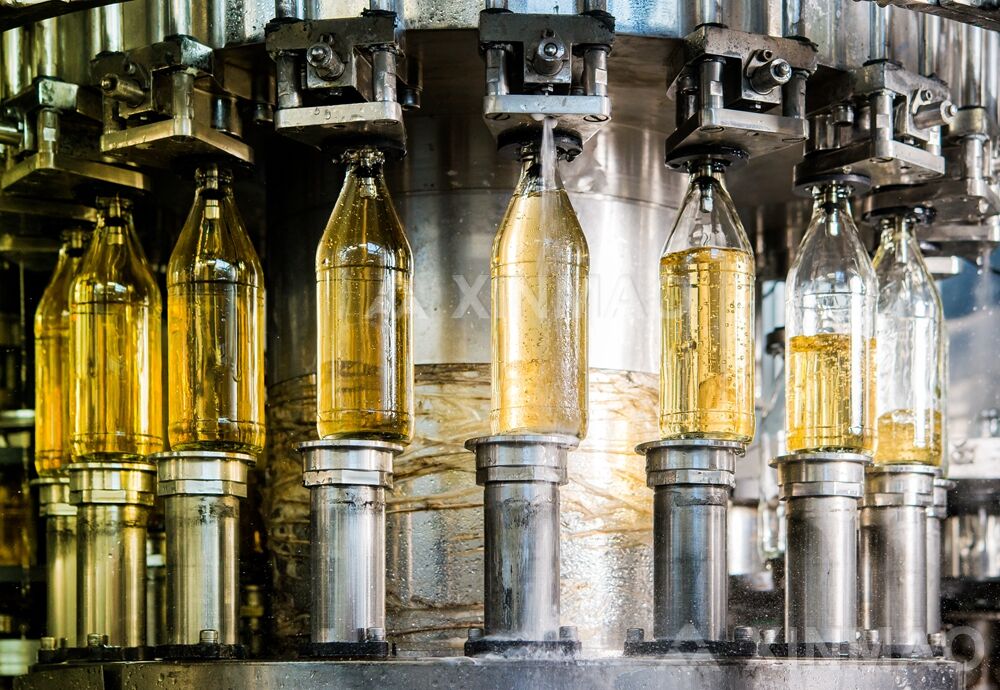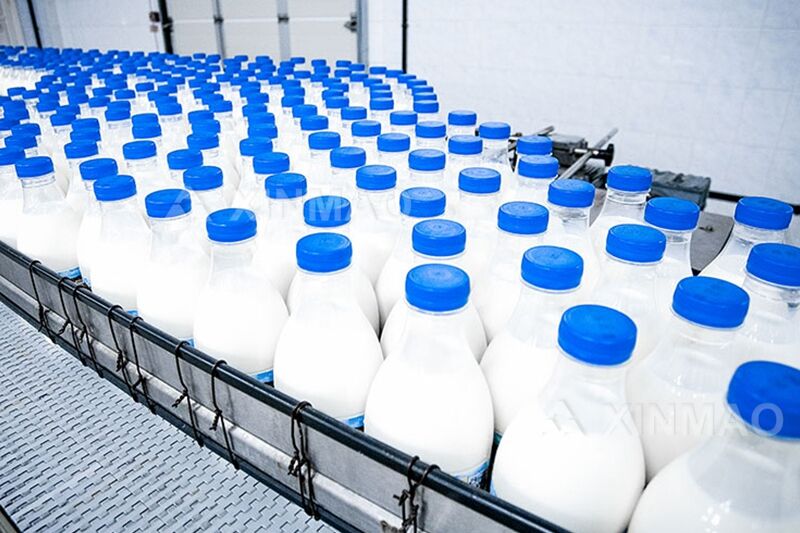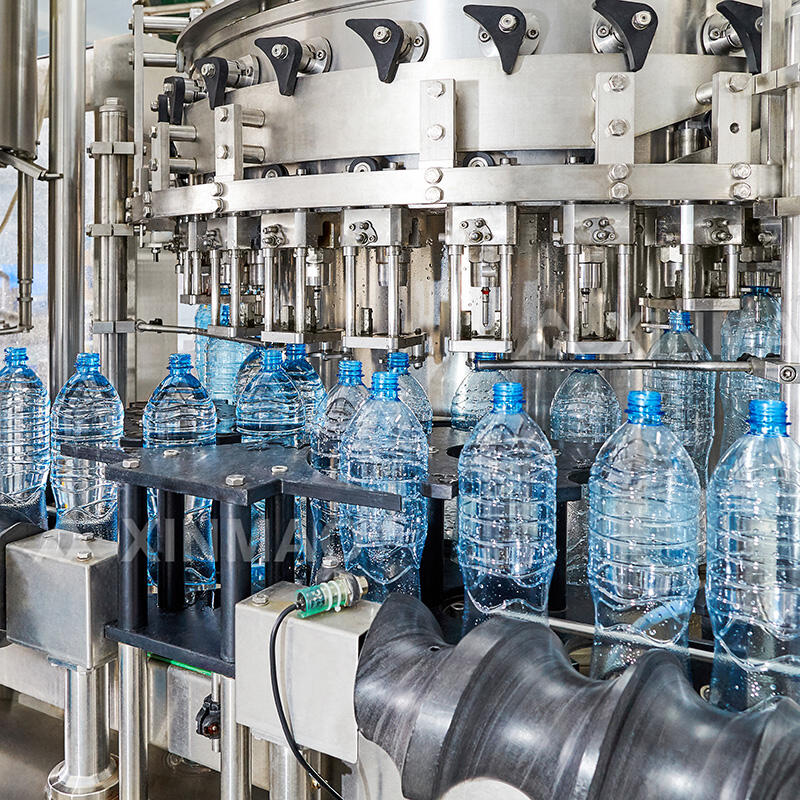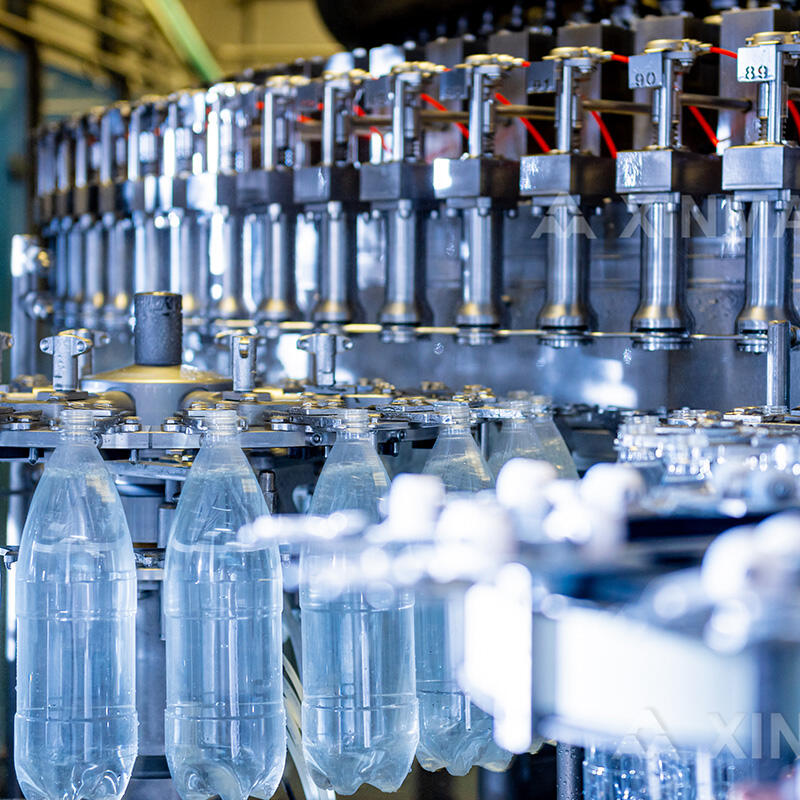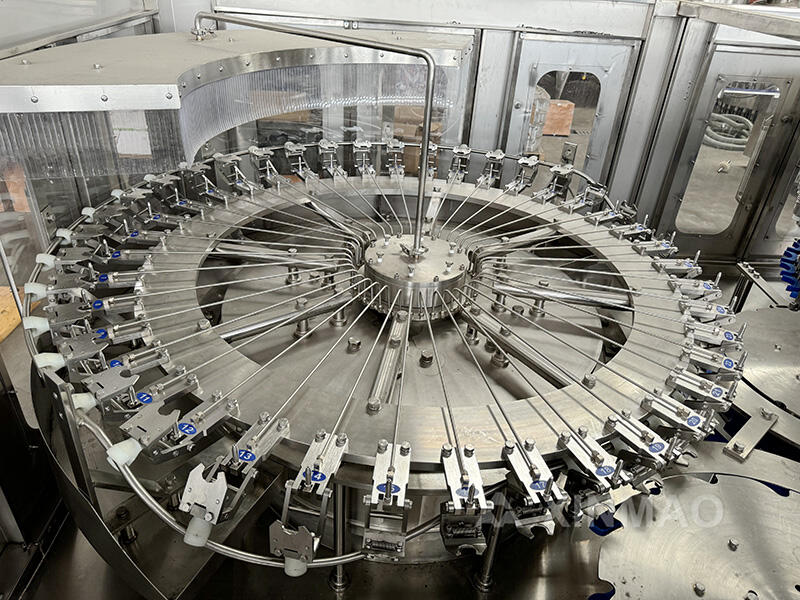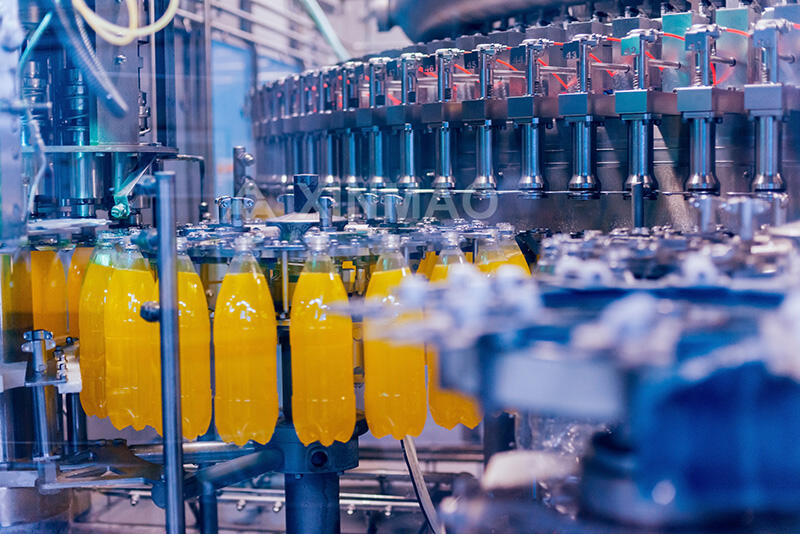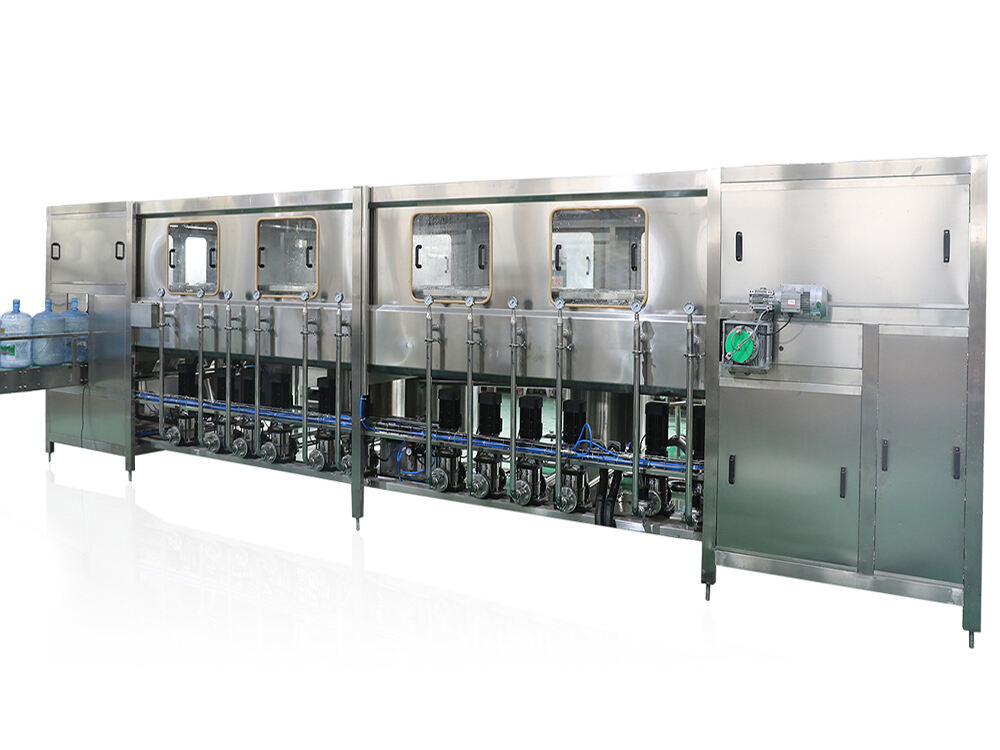
The hygiene and sanitation protocols integrated into a modern water filling machine are non-negotiable aspects of its design, directly impacting product safety and shelf life. Given that water is a low-acidity product susceptible to microbial contamination, the machine must be constructed and operated to prevent any introduction of pathogens. This begins with the machine's architecture, featuring smooth, crevice-free surfaces and self-draining pipelines to avoid stagnant water. Many advanced water filling machines incorporate automatic CIP systems that circulate hot water, caustic solutions, and sterilants like peracetic acid through all product-contact surfaces without disassembly. For aseptic filling applications, which are becoming more sought-after for premium waters, the water filling machine includes a sterile zone. This area is continuously bathed in sterile air (often HEPA-filtered) and the filling valves themselves may be sterilized with superheated steam or chemical vapors before production. The filling process in such machines is conducted in a completely sealed, positive-pressure environment to prevent airborne contamination. Even in non-aseptic setups, components like the bottle rinser that precedes the water filling machine are critical, using filtered air or purified water to remove any particulate matter from containers. Therefore, a state-of-the-art water filling machine is as much a sanitation safeguard as it is a filling apparatus, ensuring every bottle of water meets the highest microbiological standards.
 EN
EN