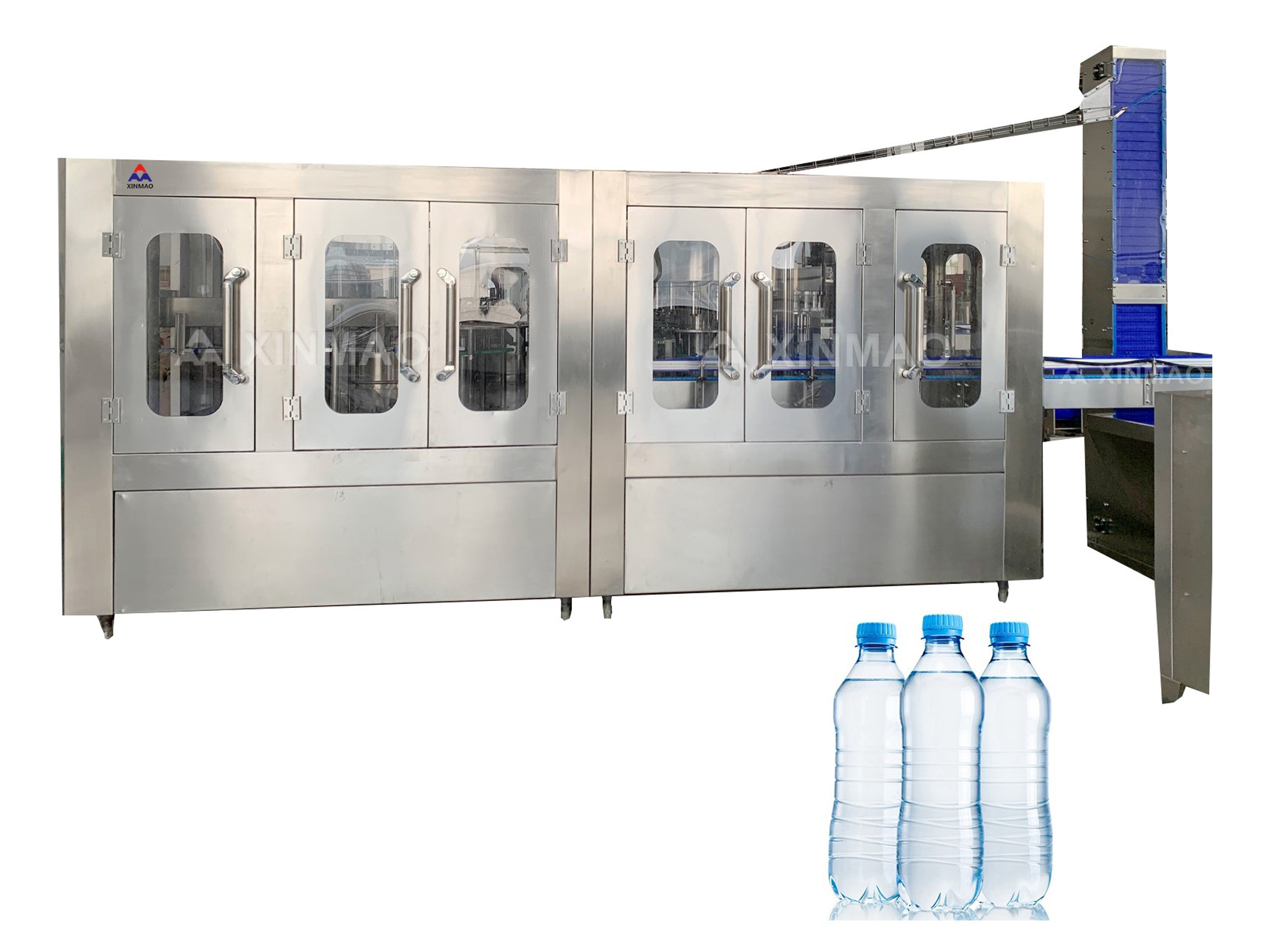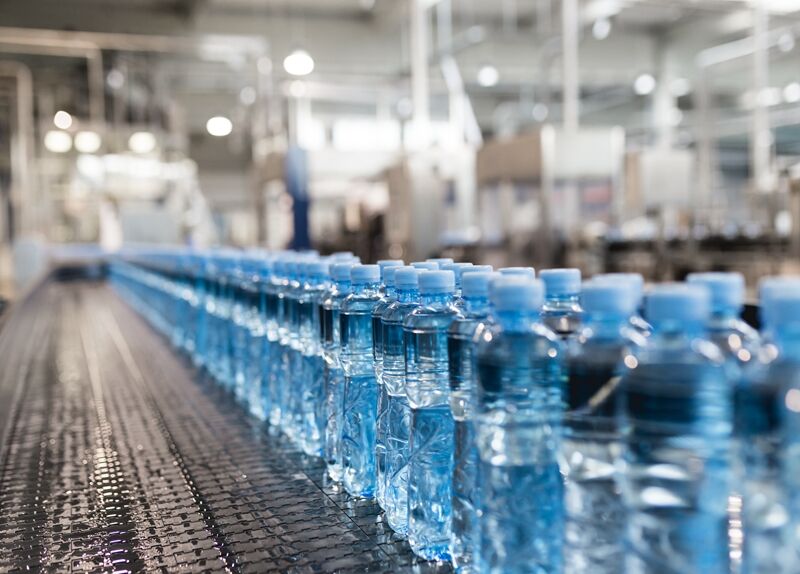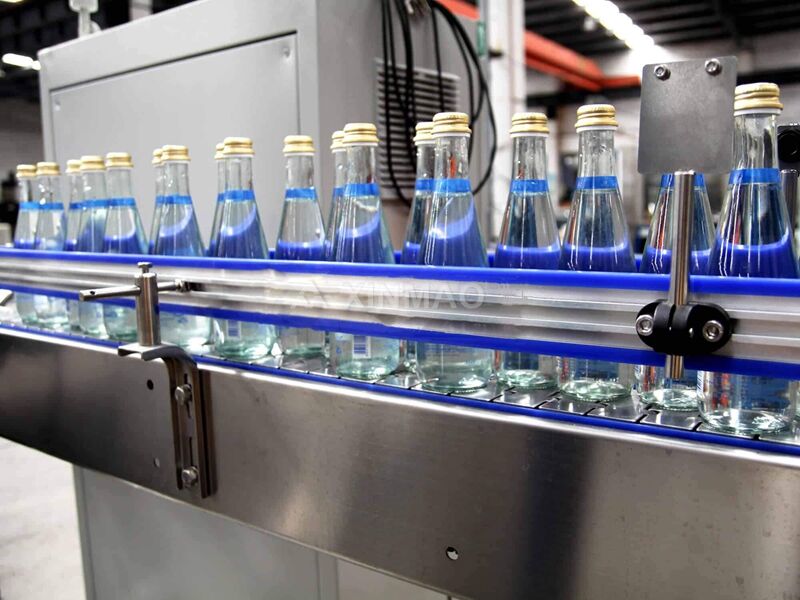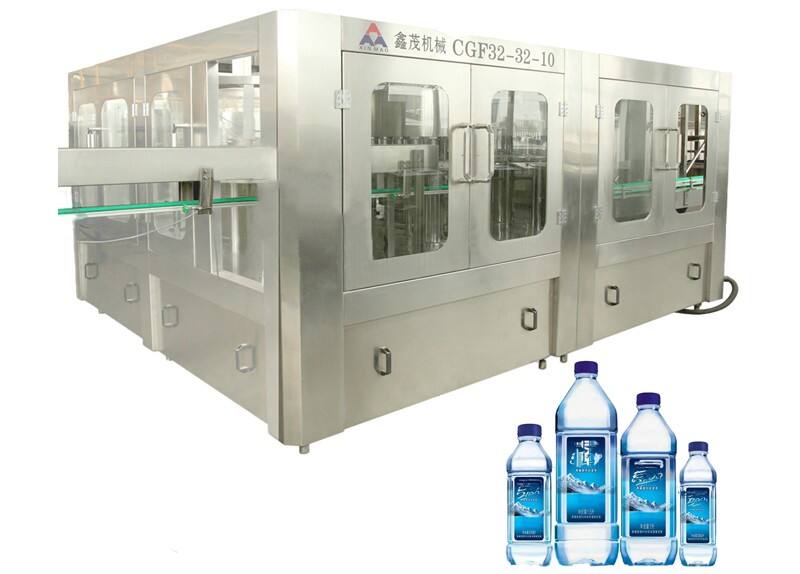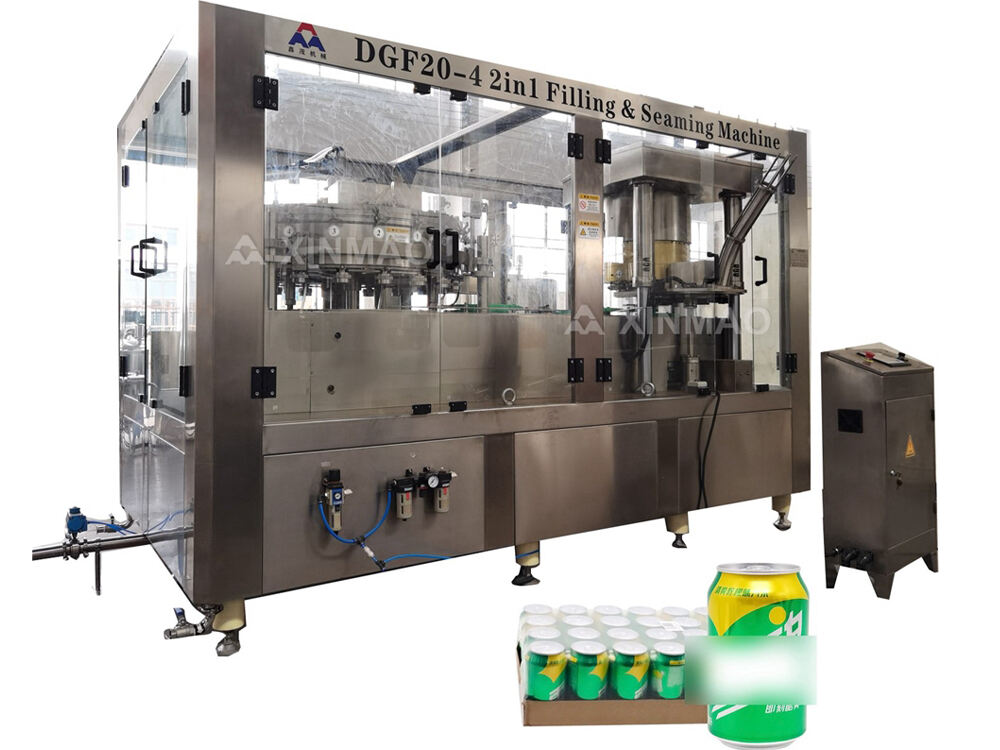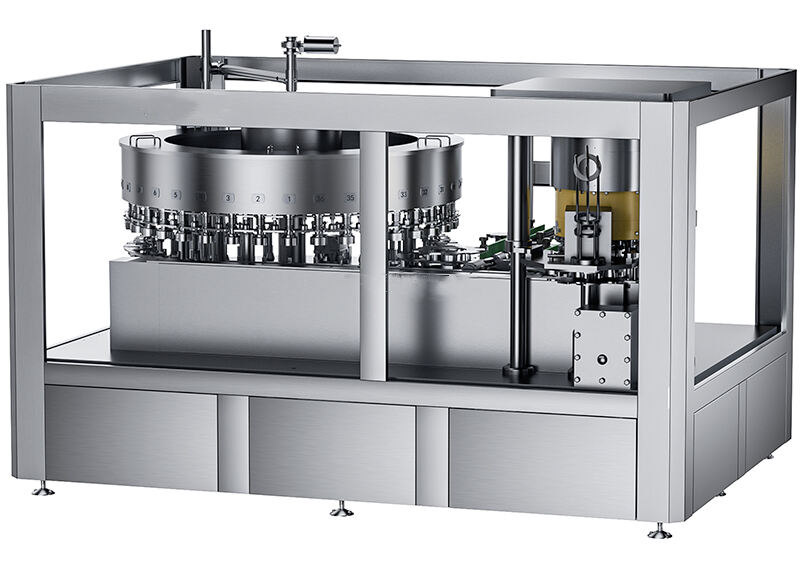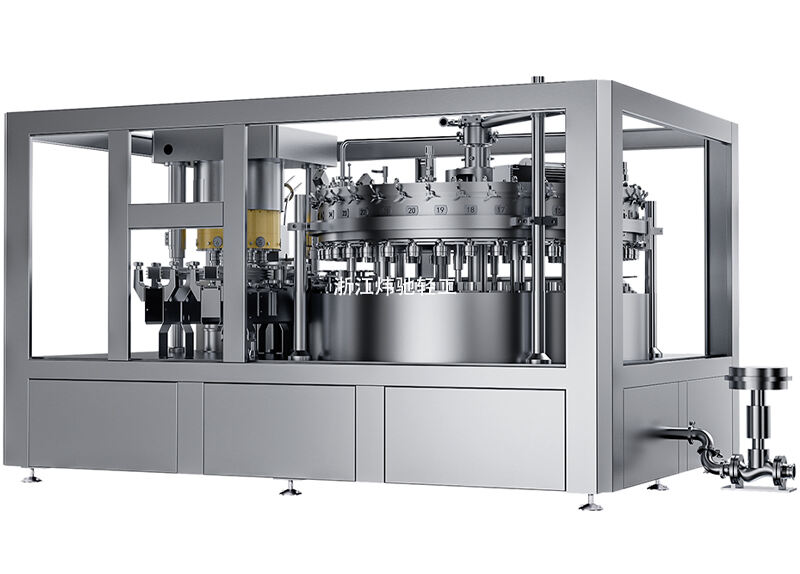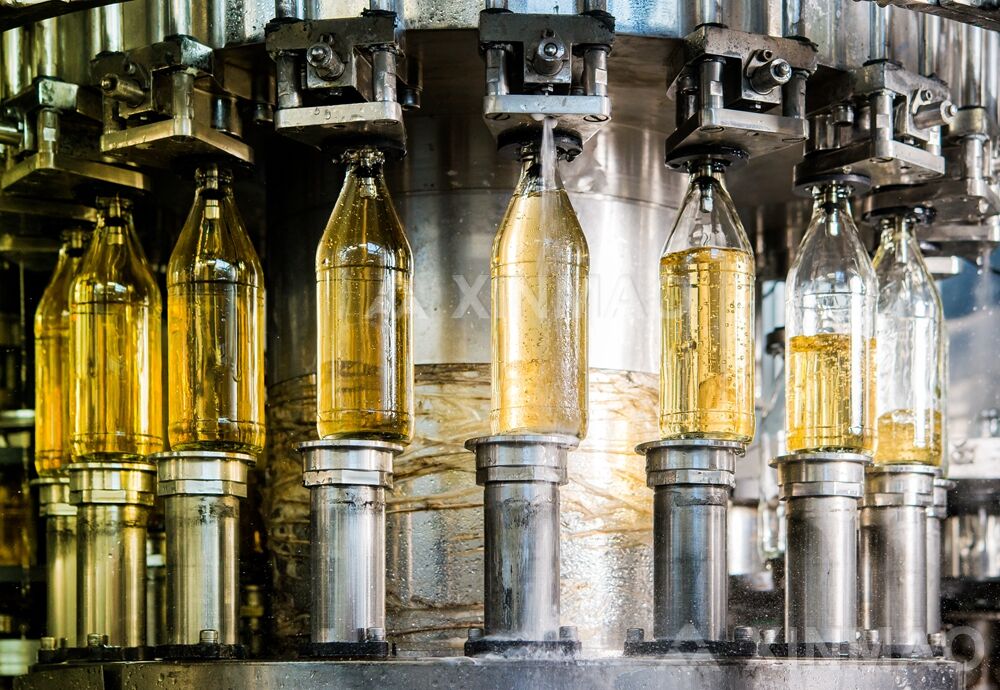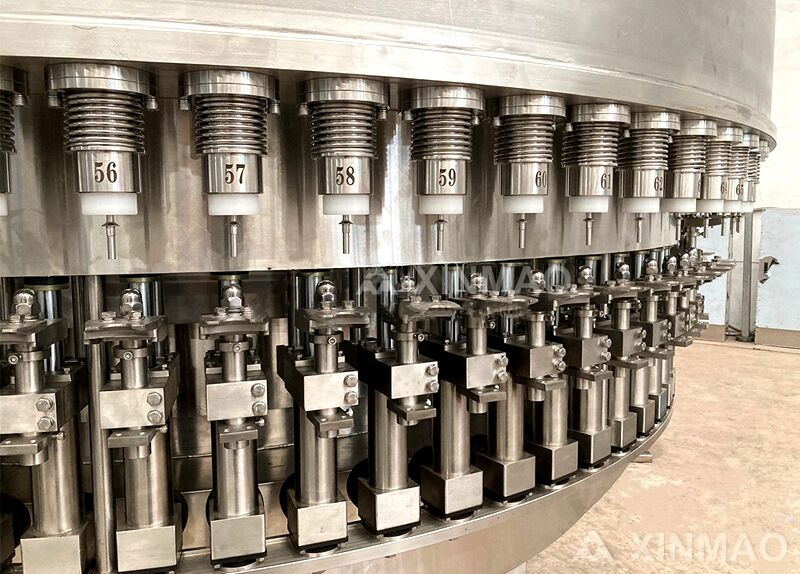
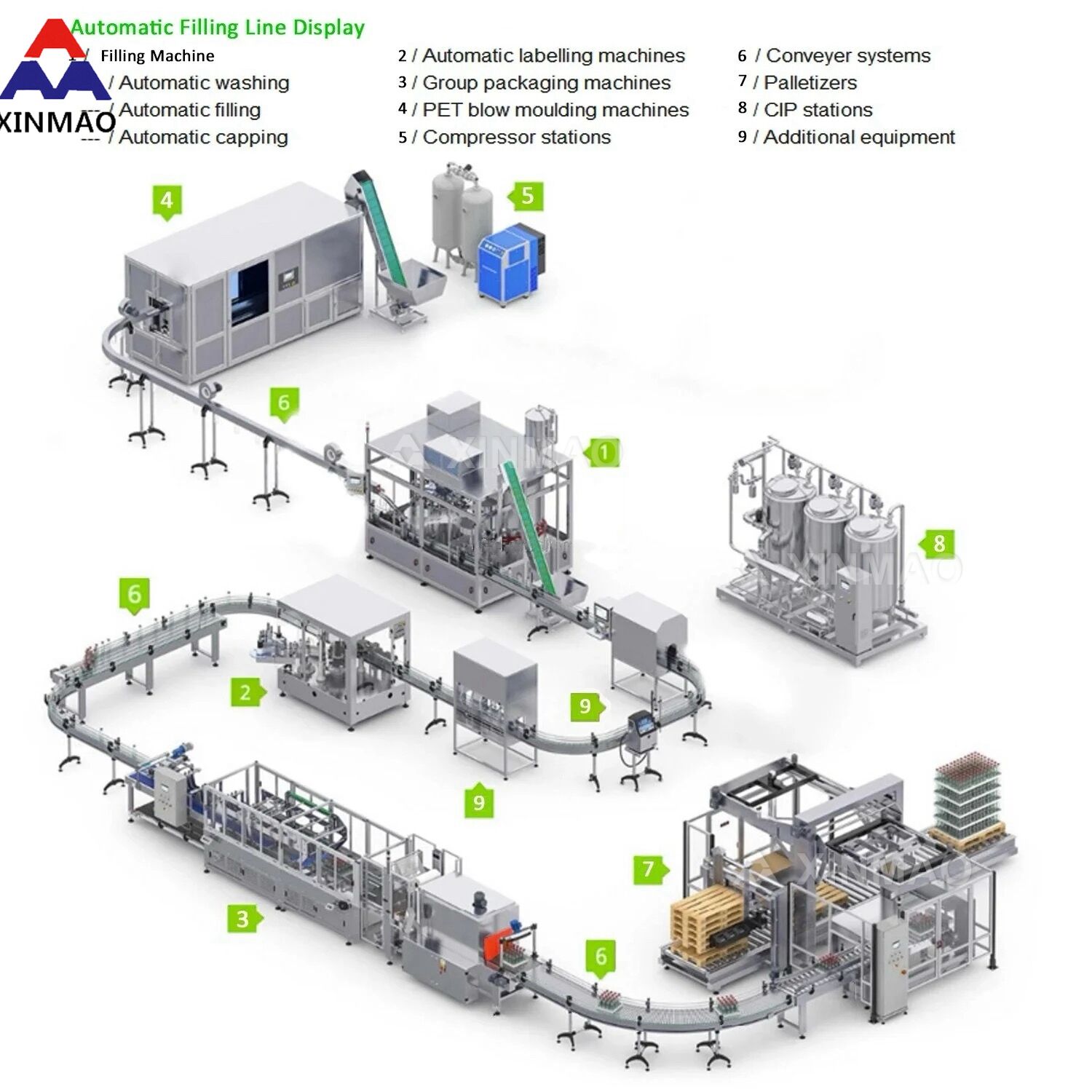
Understanding the different types of water filling machines is essential for selecting the right equipment for a specific application. The primary categorization is often based on the filling principle. Atmospheric or gravity fillers are most common for still water, where the liquid flows into the bottle by gravity from a tank vented to the atmosphere; this simple, reliable method is ideal for standard bottled water lines. For larger containers or to achieve faster speeds with precision, volumetric piston fillers or flow meter-based fillers are employed, which dispense a pre-measured amount of water. Another key distinction lies in the machine's format: monobloc systems integrate washing, filling, and capping into a single, compact unit, perfect for space-constrained facilities, while rotary fillers are designed for high-speed production, with bottles moving in a circle and being filled simultaneously at multiple stations. Furthermore, a dedicated water filling machine for 5-gallon barrels will differ significantly from one designed for small PET bottles, featuring automatic barrel handling, internal/external washing with disinfectant, and specific cap sealing mechanisms. For businesses aiming to produce both still and sparkling water, a versatile water filling machine capable of switching to isobaric (counter-pressure) filling for carbonated products can be a strategic investment. This variety underscores the importance of consulting with experienced manufacturers to match the water filling machine technology to the exact production goals, container types, and desired output.
12
Dec
12
Dec
12
Dec
28
Oct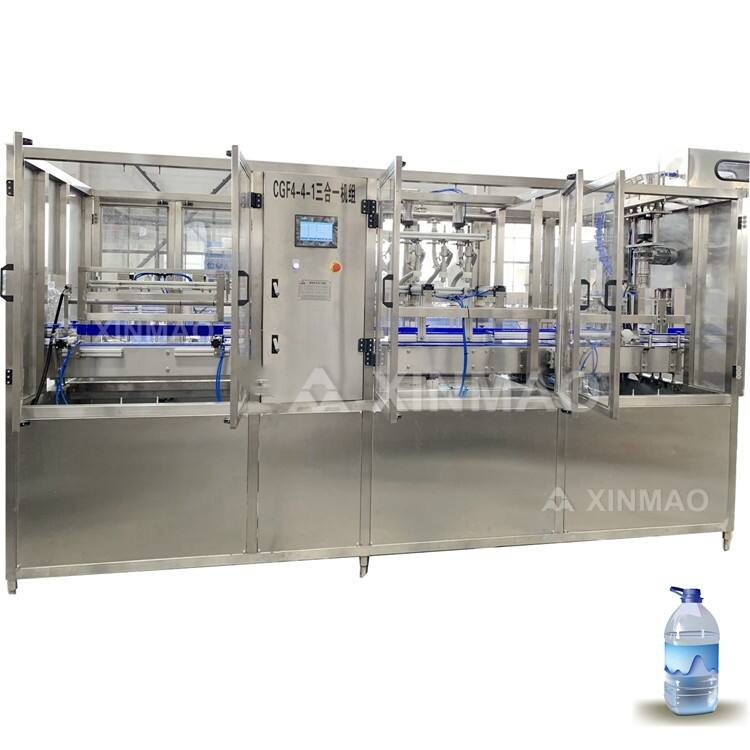
 EN
EN