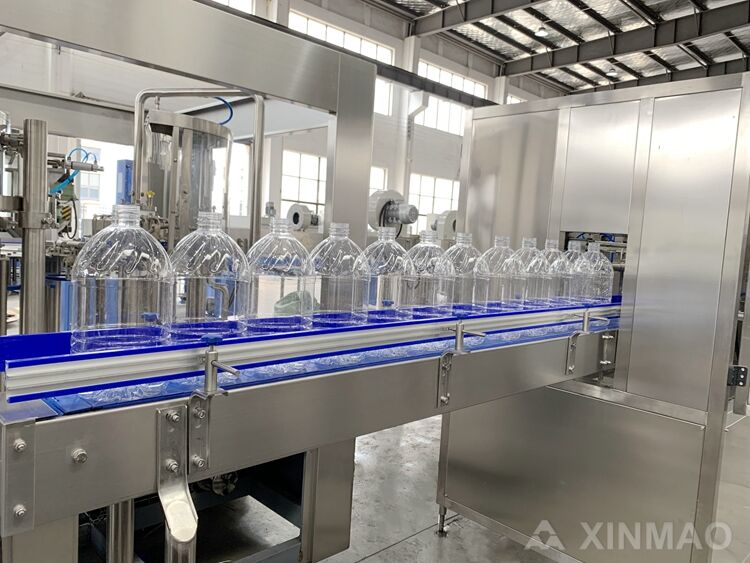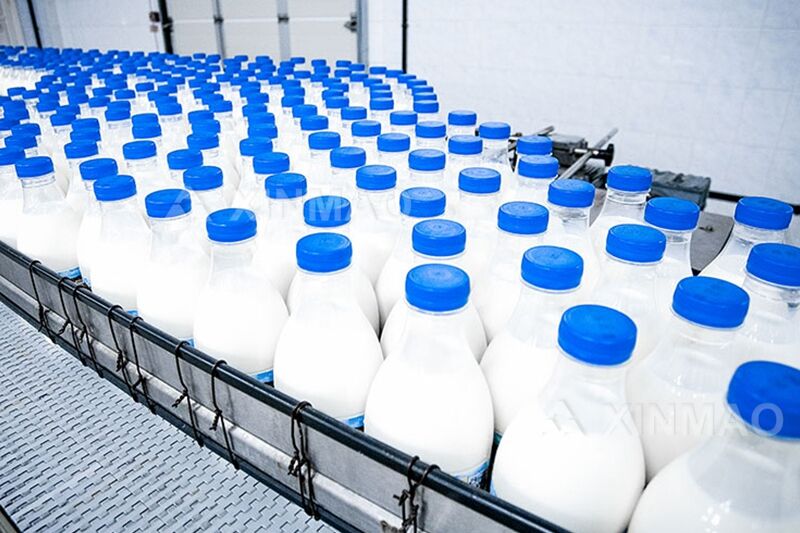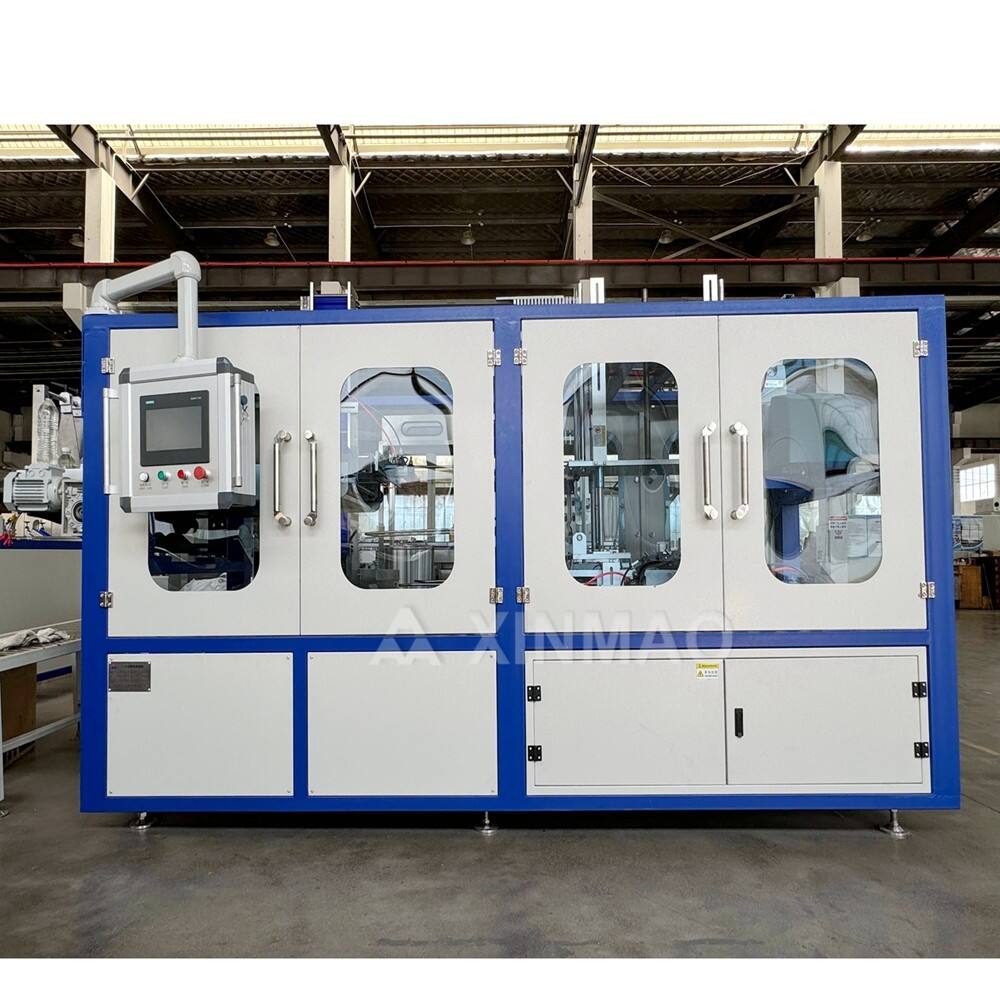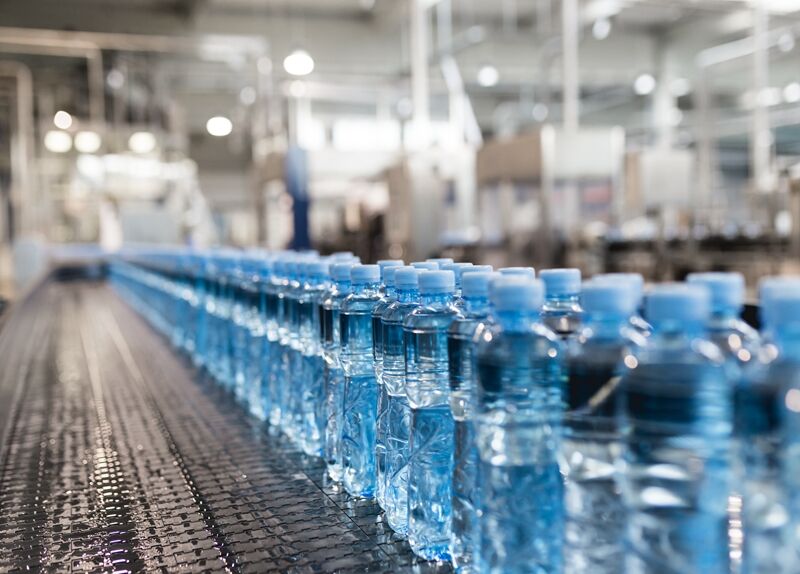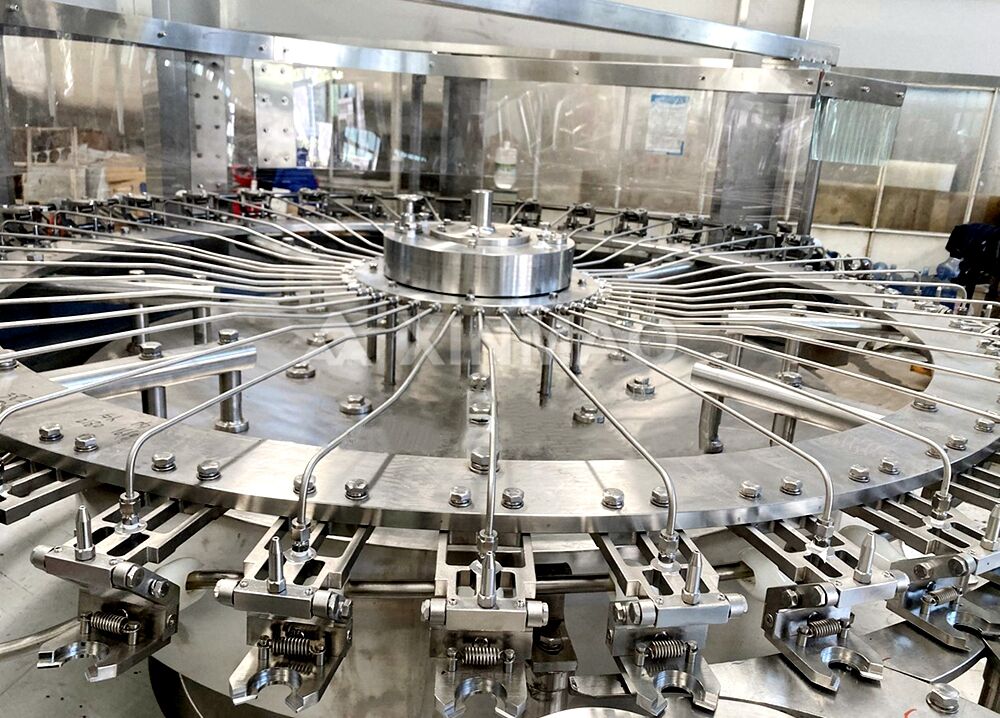
The operational precision of a juice filling machine is paramount for product consistency, shelf life, and cost control. For a hot-fill process, the juice filling machine must be constructed from materials that withstand continuous high temperatures and include features like a cooling tunnel following the capper to gradually bring bottle temperature down, preventing deformation. The filling valves in a hot-fill juice filling machine are designed to handle viscous liquids that may contain pulp without clogging. In an aseptic juice filling machine, precision extends to maintaining a sterile zone; the machine creates a barrier with sterile air overpressure, and its filling components are sterilized with steam or hydrogen peroxide vapor before production. Both types of juice filling machine require exact volumetric control to ensure accurate fill levels, as any under-filling violates regulations and over-filling represents direct product loss. The synchronized operation of the juice filling machine with upstream pasteurizers and downstream cappers is critical to maintaining the sterile chain or thermal process, making the juice filling machine the pivotal control point in the entire juice packaging line.
12
Dec
12
Dec
12
Dec
28
Oct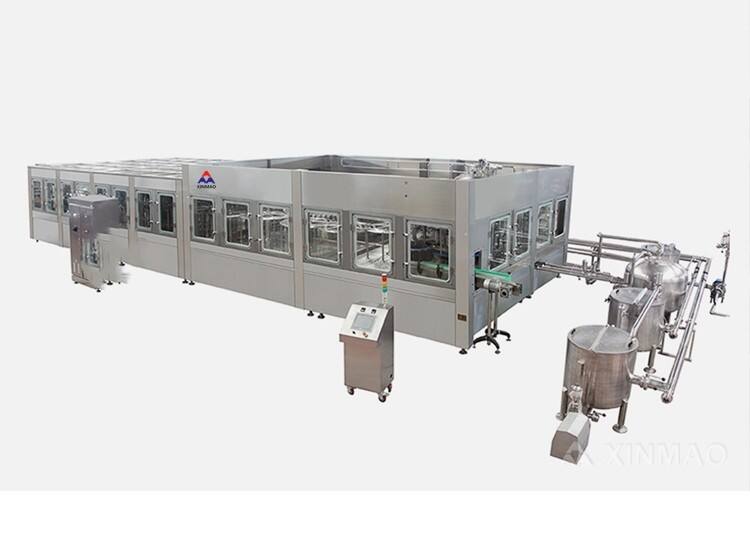
 EN
EN