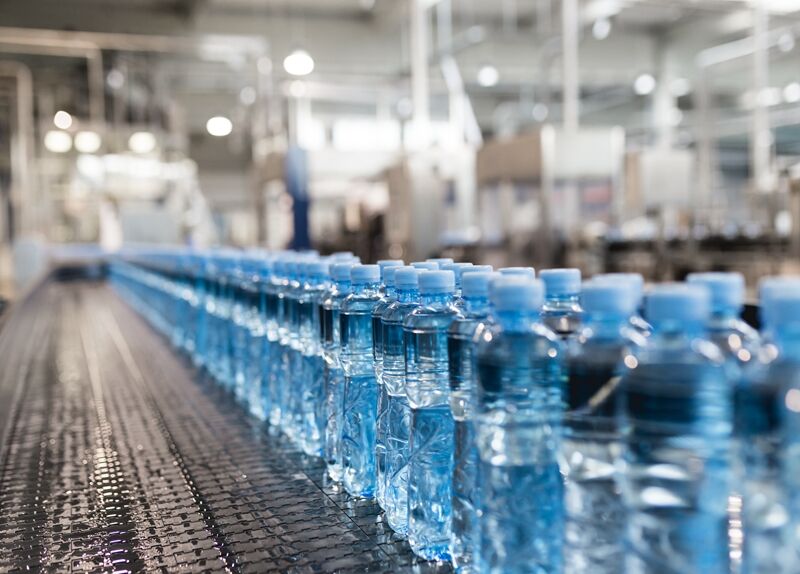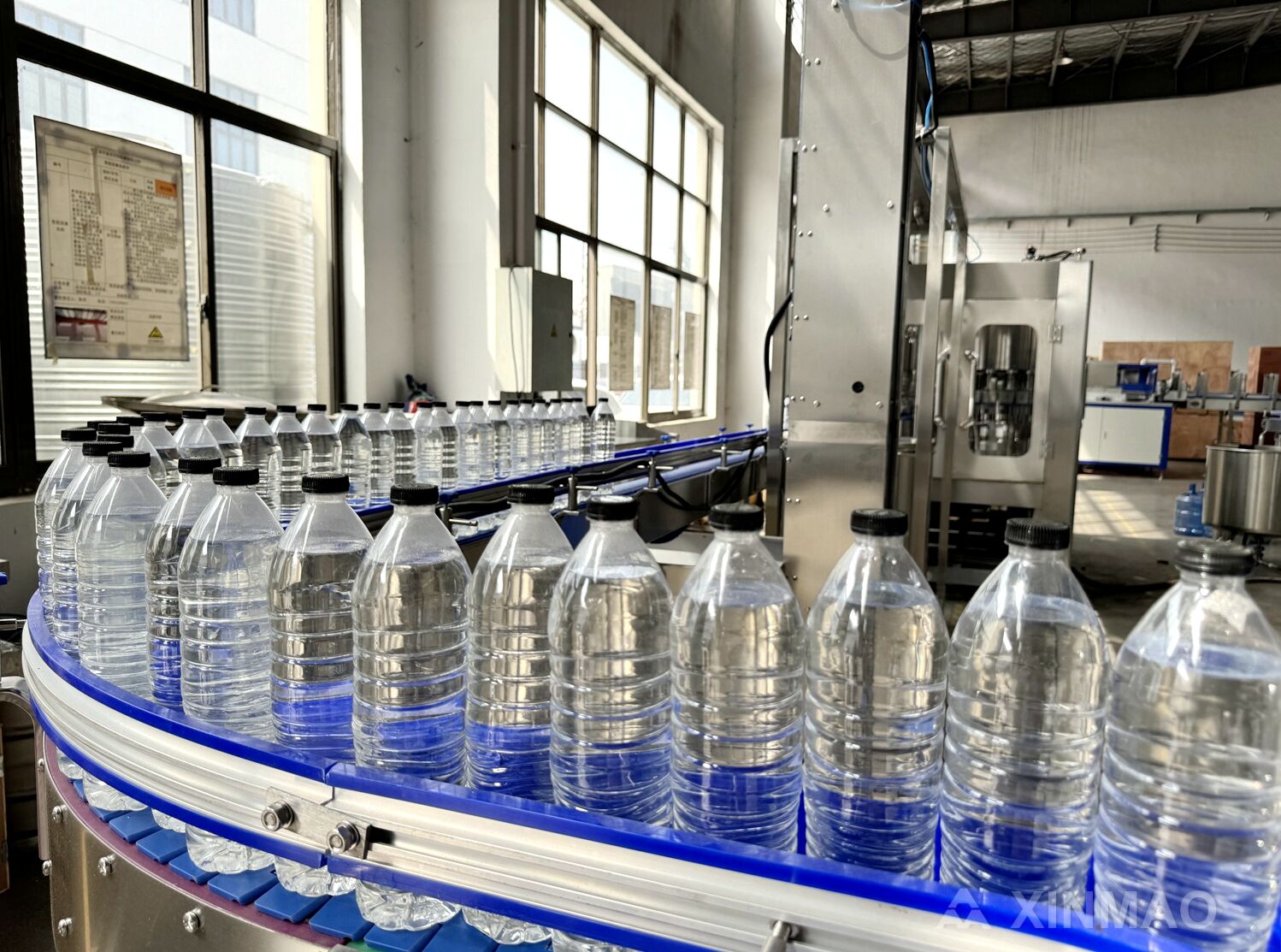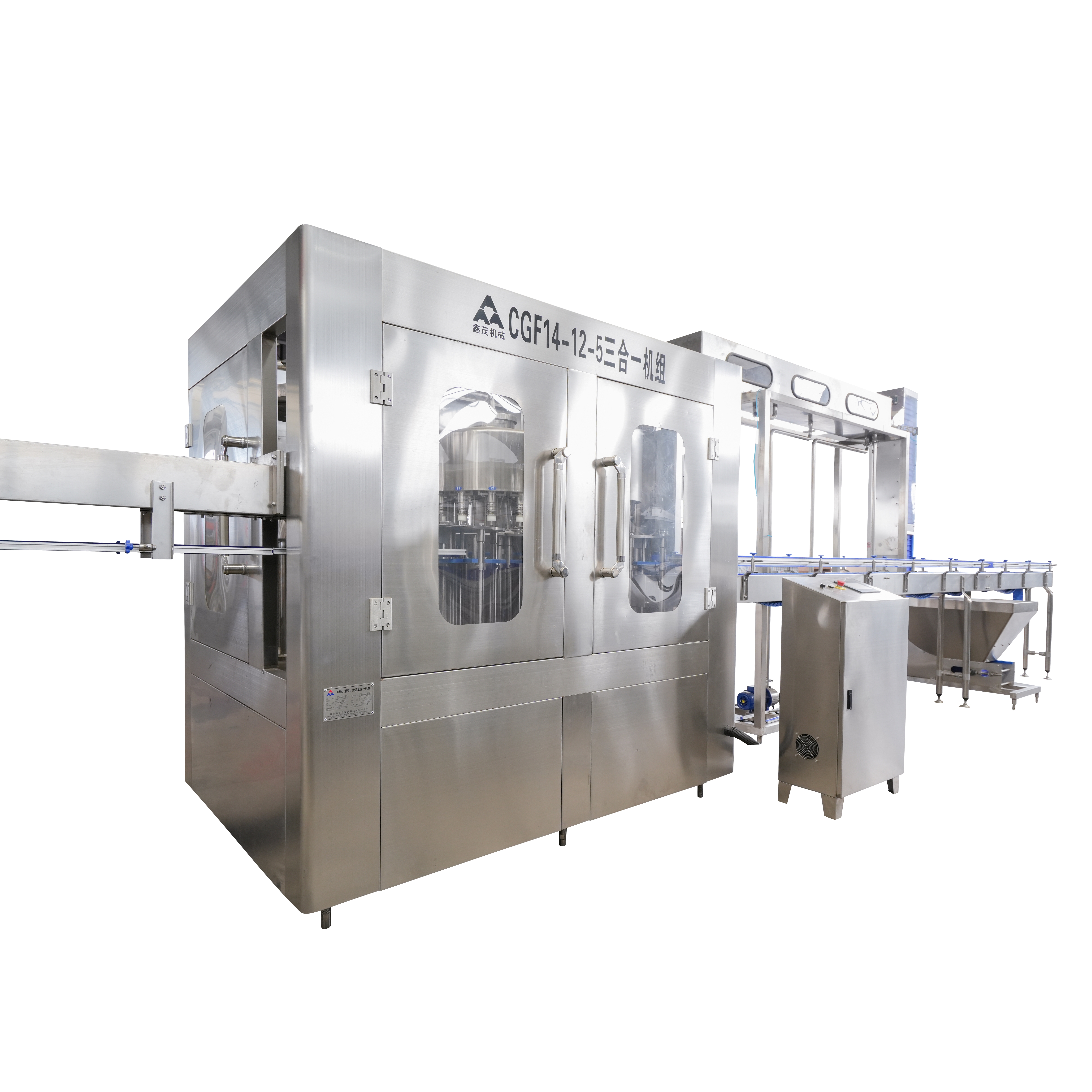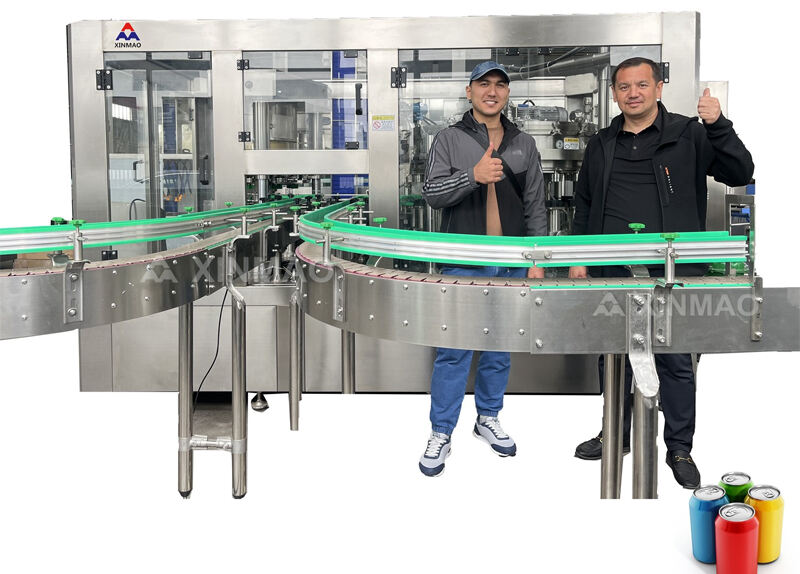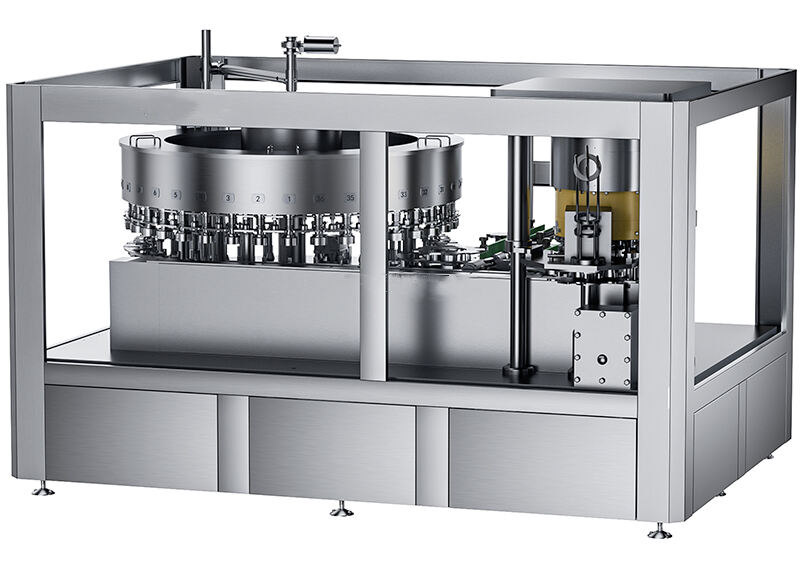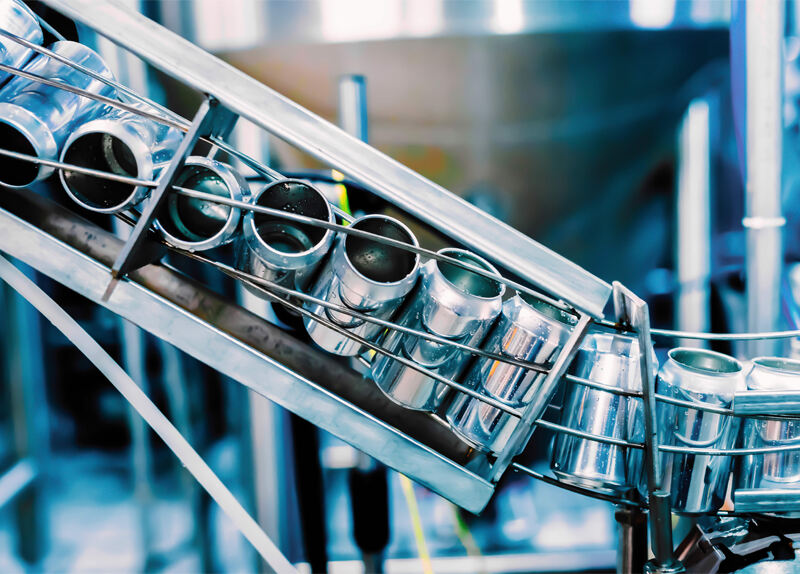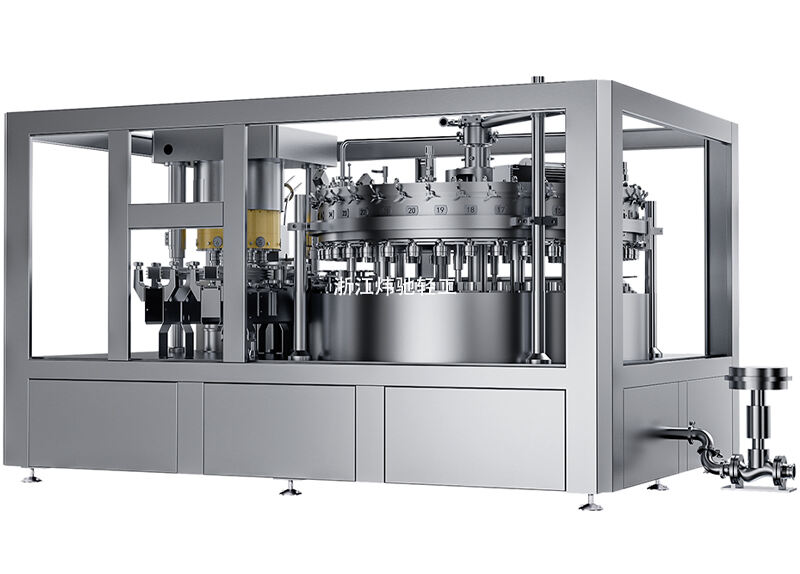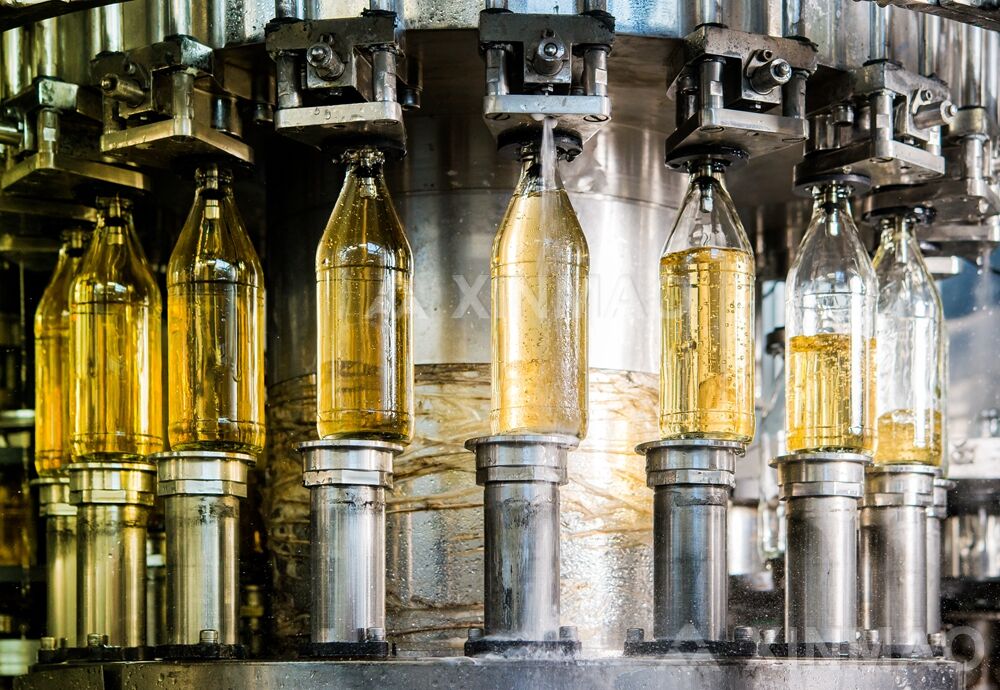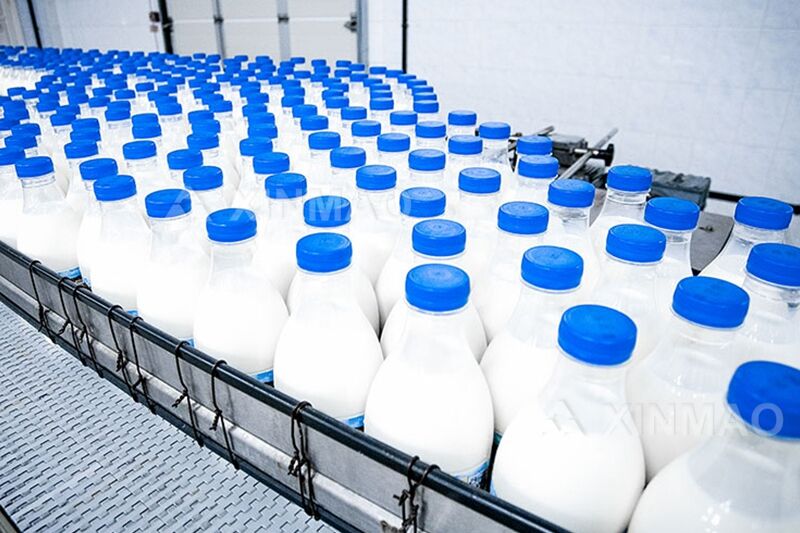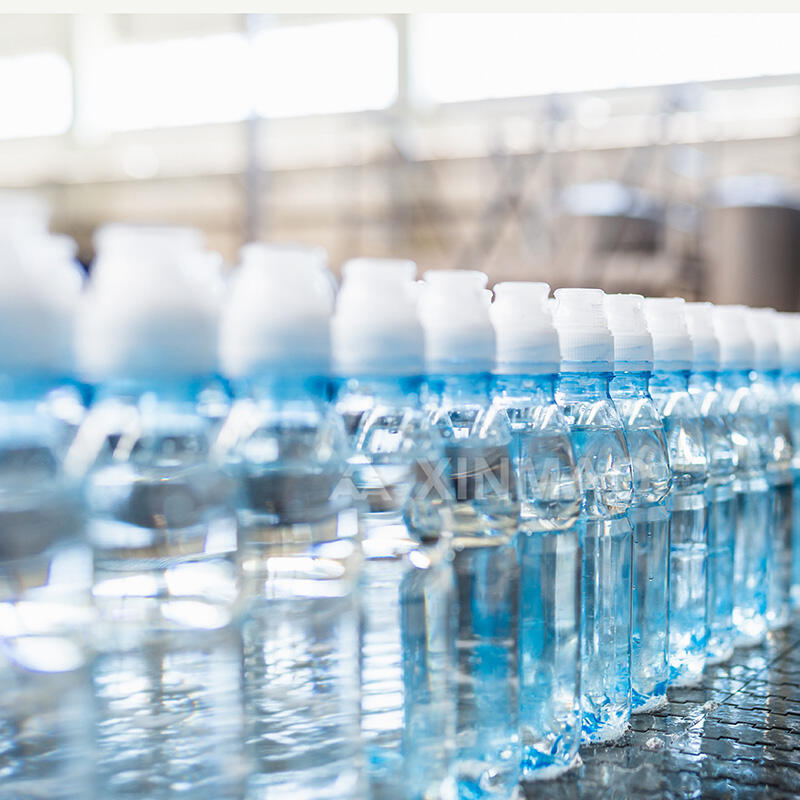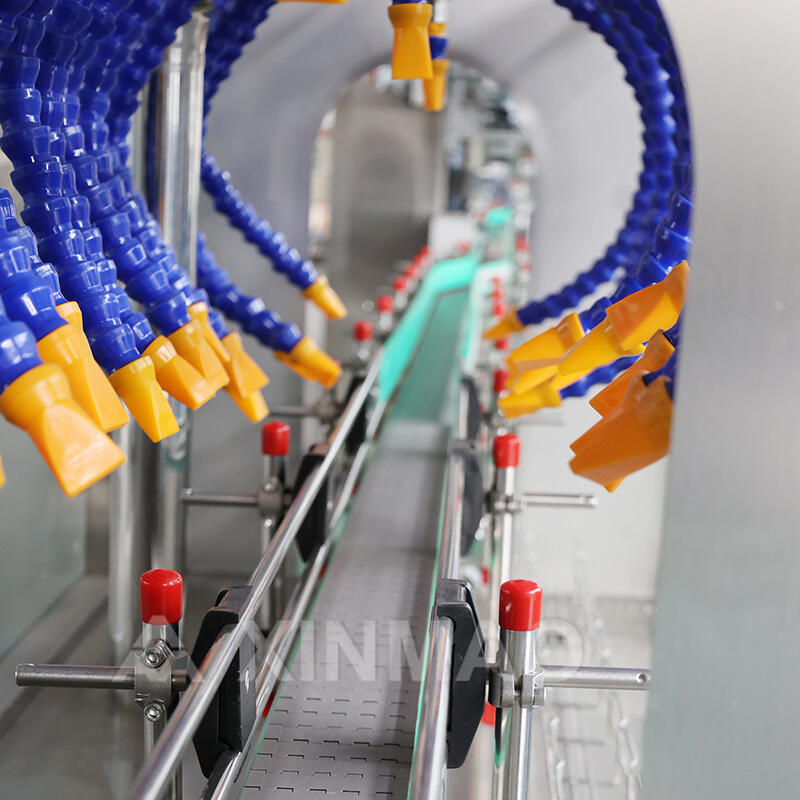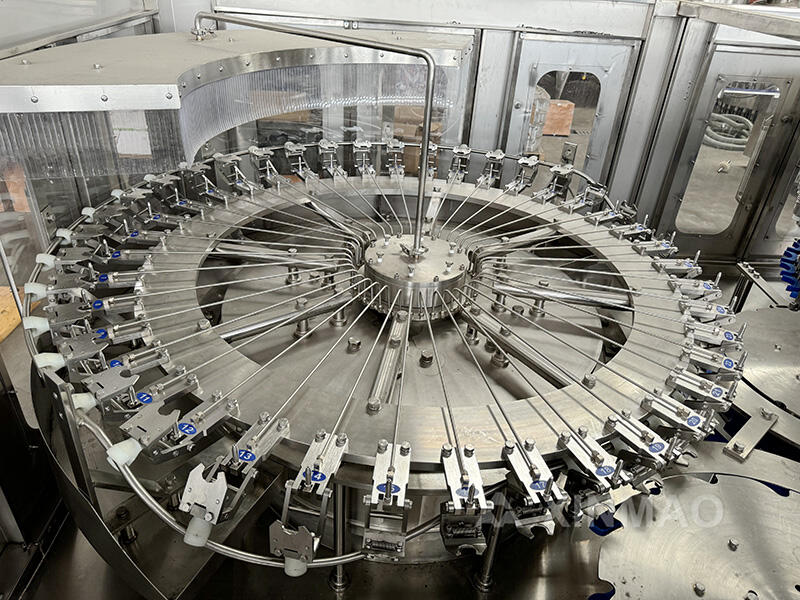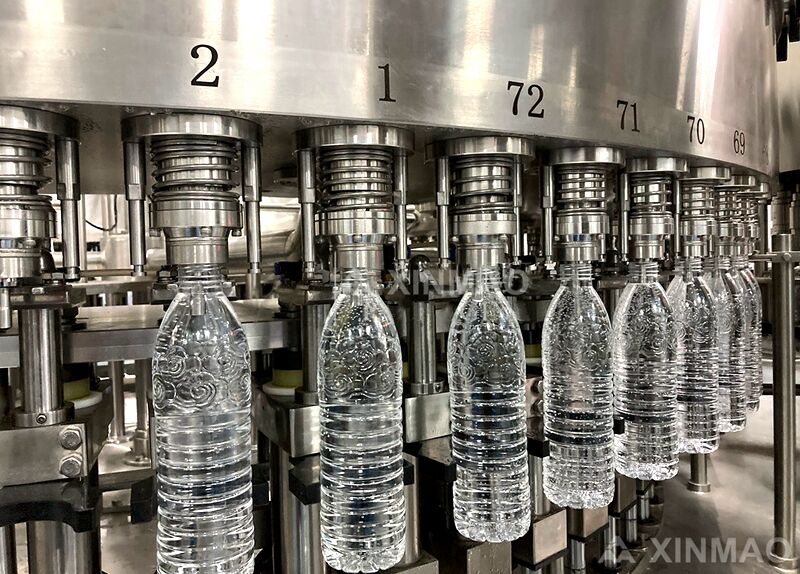
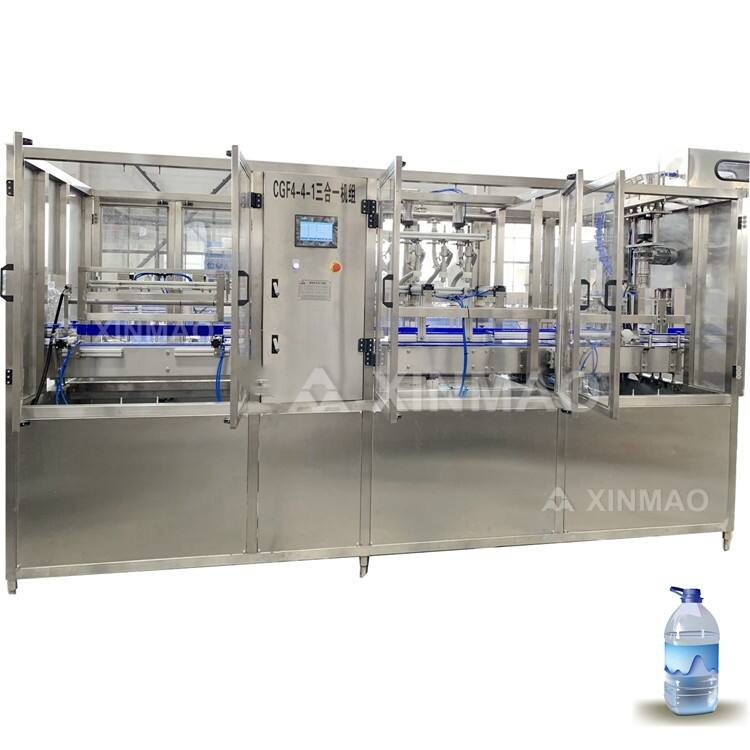
Integrating a water filling machine into a complete production line transforms it from a standalone unit into the heart of a streamlined operation. A typical bottled water line starts with an air conveyor or unscrambler that presents empty bottles in an orderly fashion to an automatic bottle rinser. The clean bottles are then conveyed into the water filling machine, which precisely fills them. Immediately after, bottles transition to a capping machine—either a screw capper for sports caps or a press-on capper for flat caps—which applies and tightens the closures. Downstream, equipment like labelers, inkjet printers for batch coding, and shrink-wrapping or case-packing machines complete the packaging process. The efficiency of the entire line hinges on the synchronized speed and reliability of the water filling machine. Modern lines are connected by centralized control systems that monitor performance, track efficiency (OEE), and can alert operators to bottlenecks or malfunctions. For a comprehensive water bottling plant, the water filling machine is preceded by extensive water treatment systems, including sand filters, carbon filters, reverse osmosis, and UV or ozone sterilizers, ensuring the water quality entering the machine is pristine. Therefore, selecting a water filling machine involves not just evaluating the filler itself, but also its compatibility and communication capabilities with peripheral equipment to create a cohesive, high-output, and automated production ecosystem.
 EN
EN