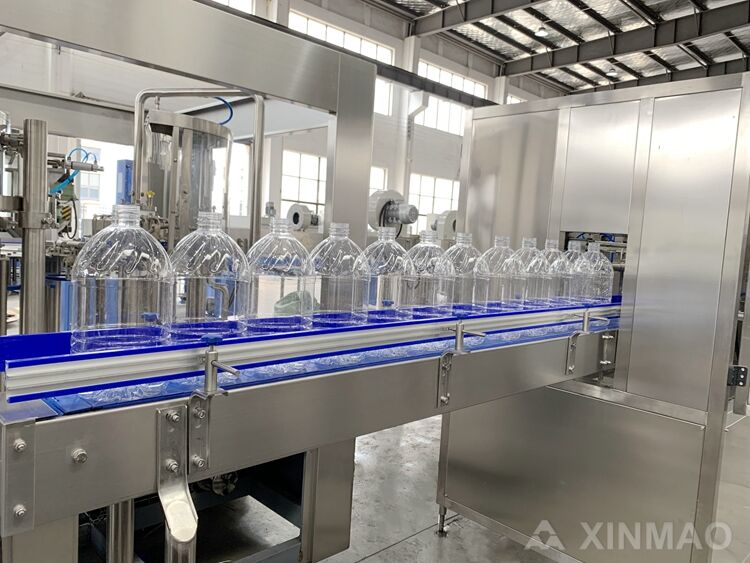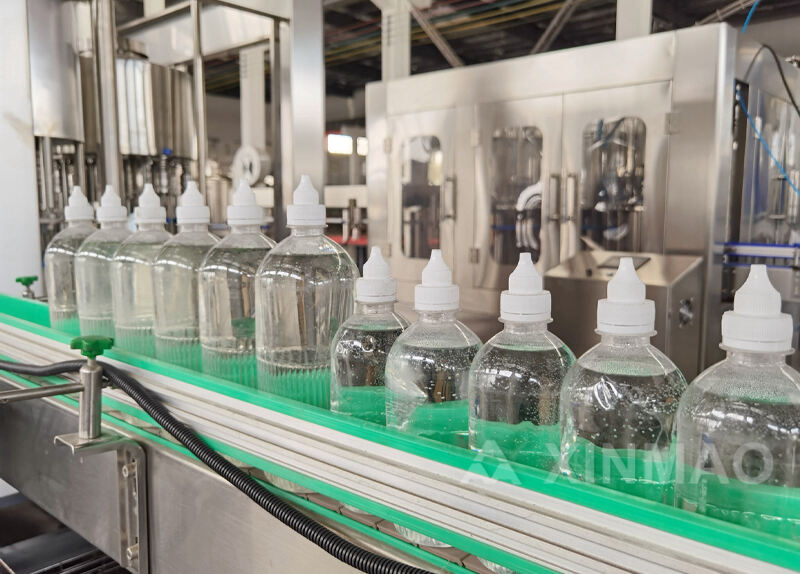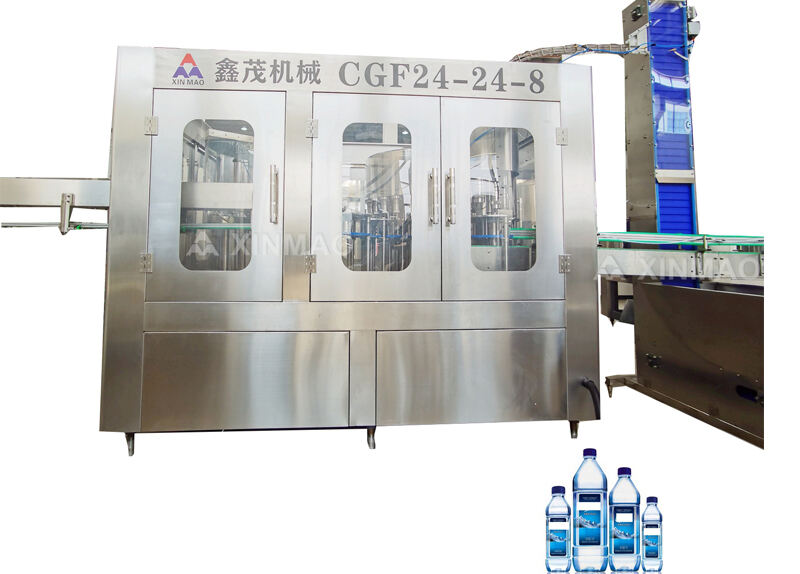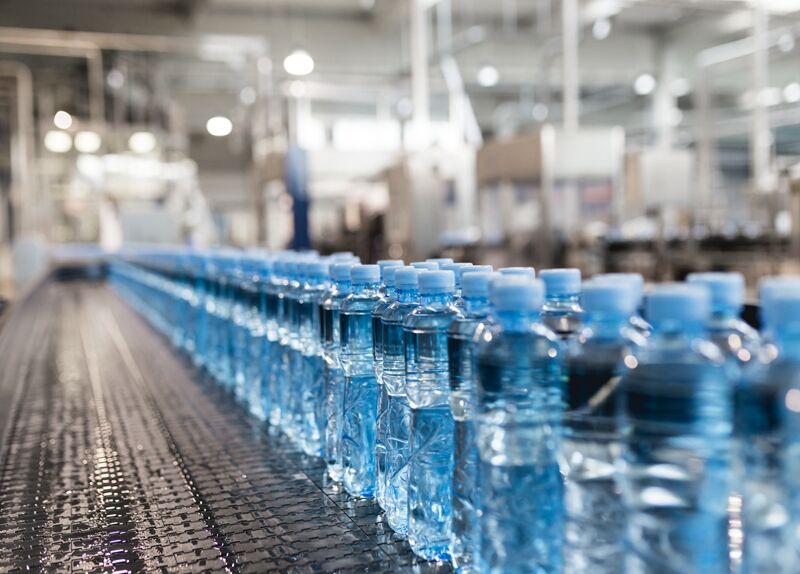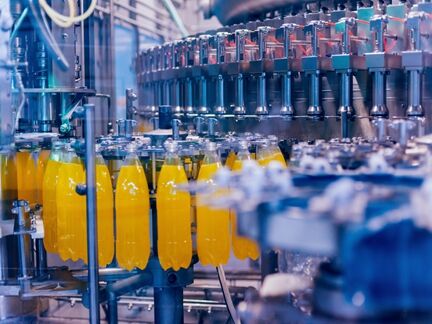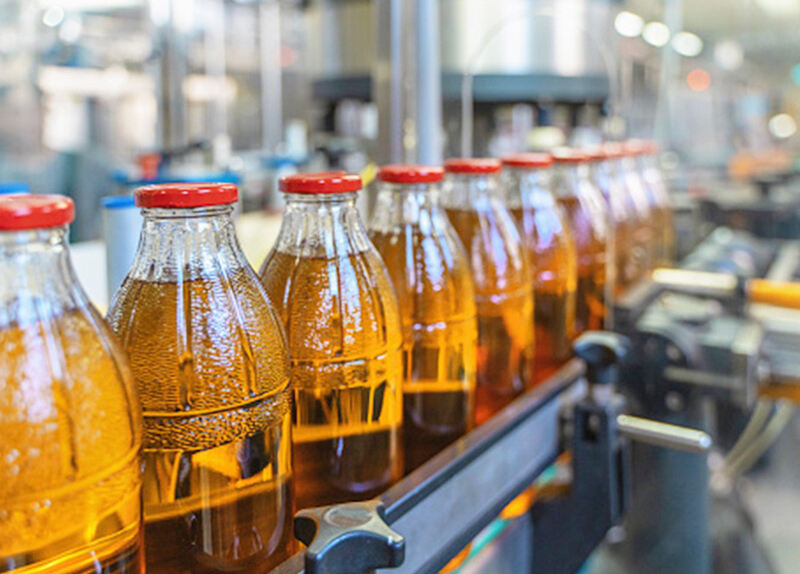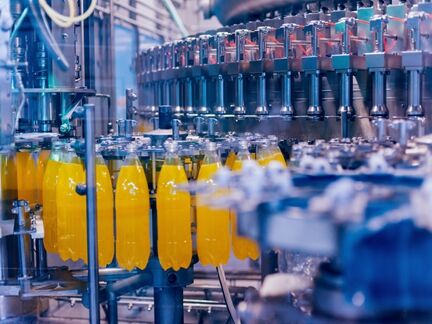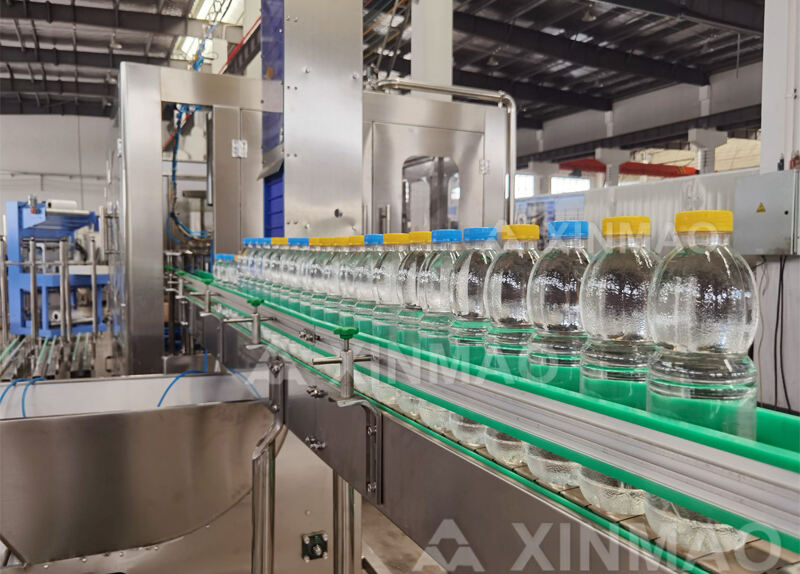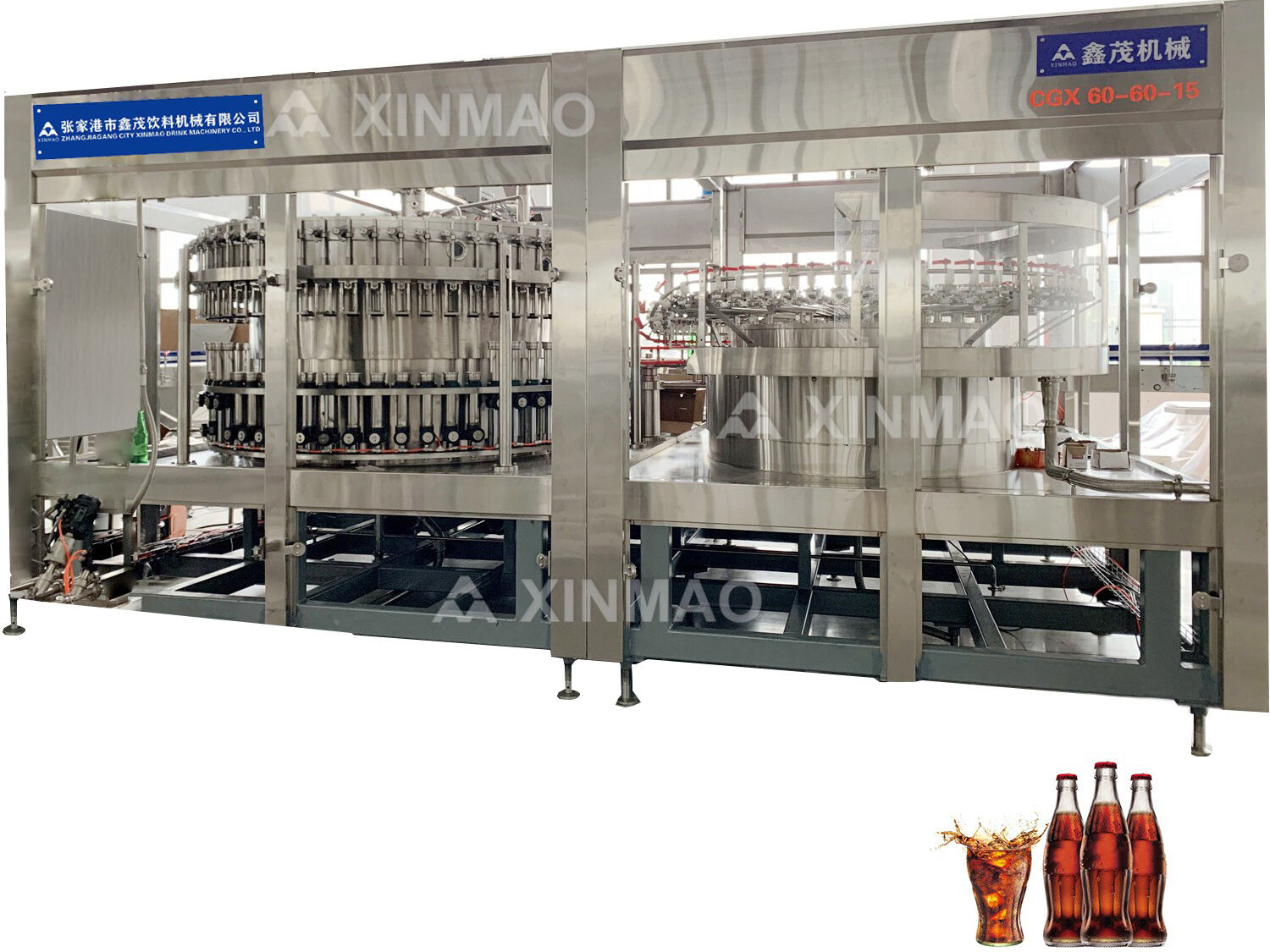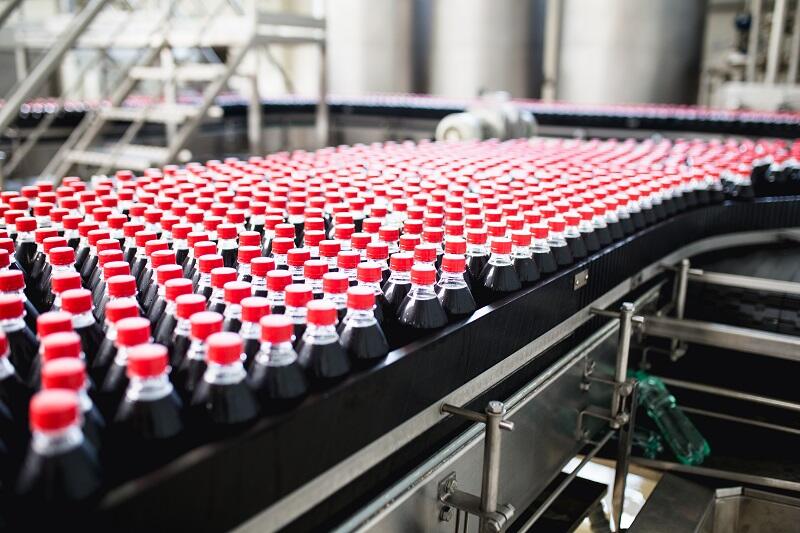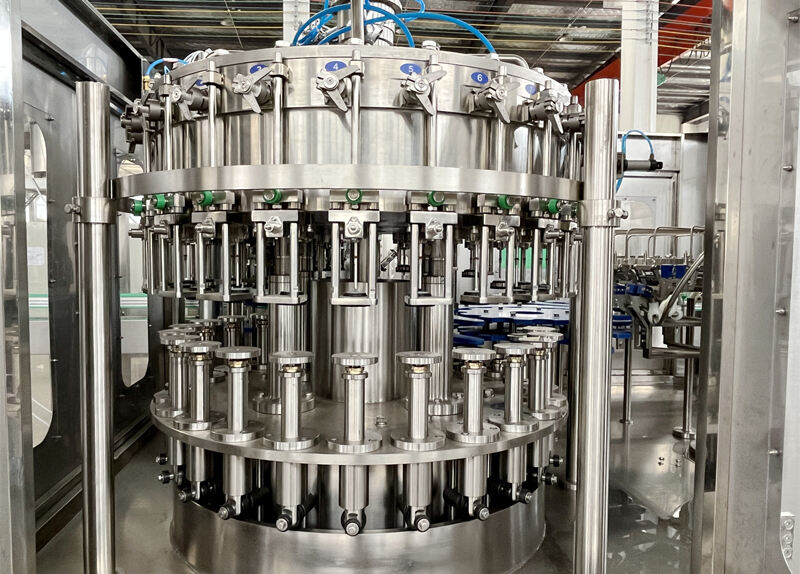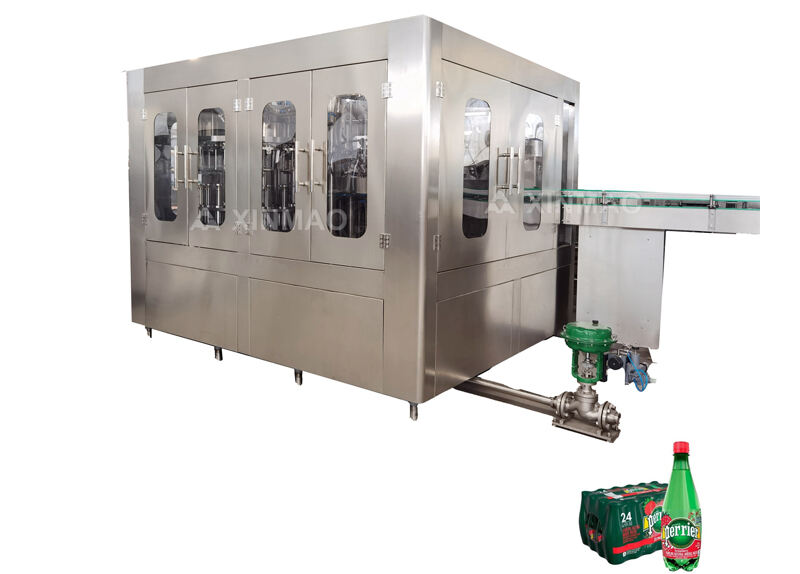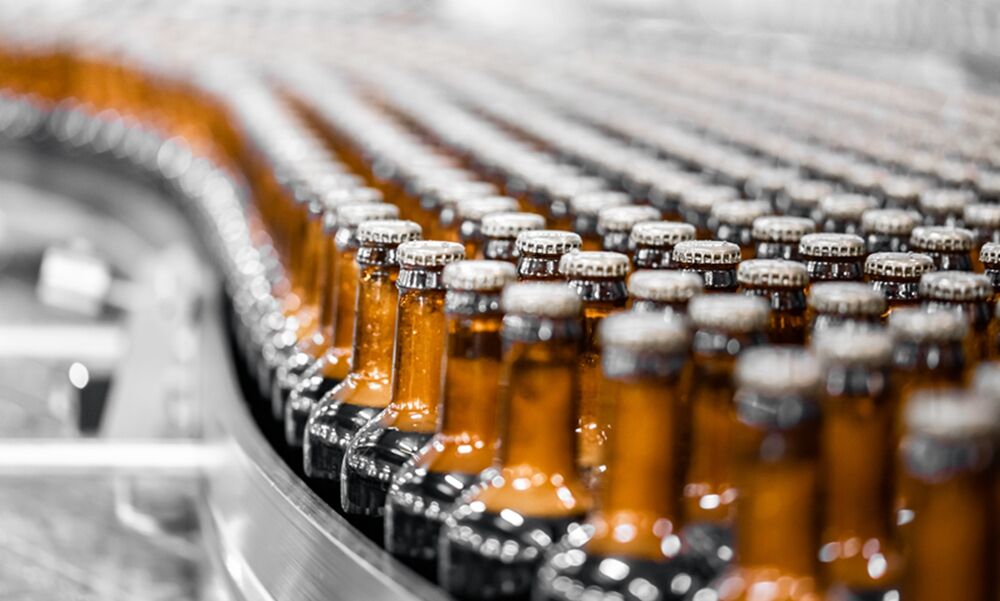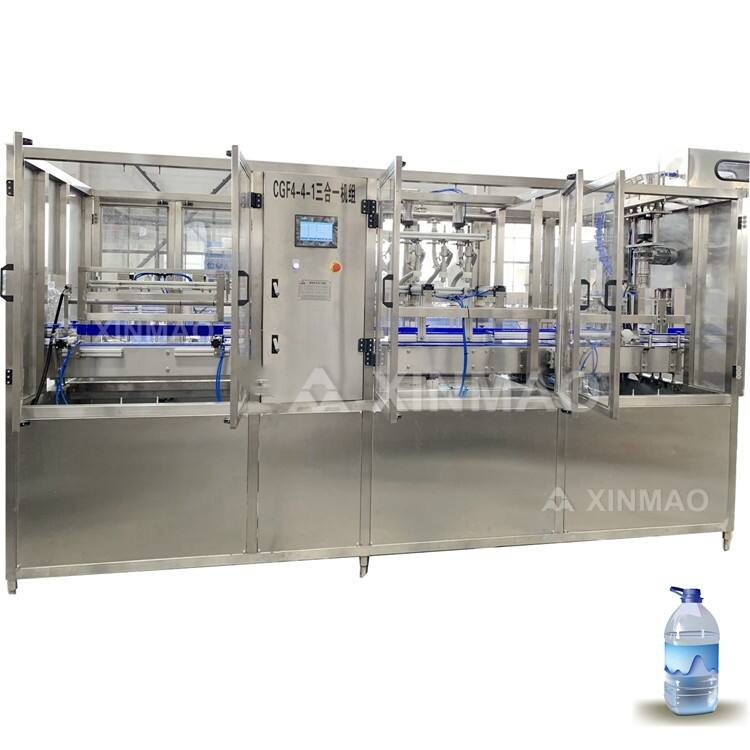
Water filling machines are subject to strict quality and safety standards to ensure that the bottled water they produce is safe for consumption. These standards are set by regulatory bodies at the national and international levels and cover various aspects of the water filling process, including equipment design, operation, and maintenance. One of the important quality standards for water filling machines is the use of food-grade materials for all contact parts. This ensures that the water does not come into contact with any harmful substances during the filling process. For example, the filling nozzles, conveyor belts, and storage tanks of a water filling machine should be made from materials that are approved for food contact, such as stainless steel or food-grade plastics. These materials are resistant to corrosion and do not leach any chemicals into the water, maintaining its purity and safety. Safety standards for water filling machines also focus on preventing contamination and ensuring hygienic operation. The machines should be designed to be easy to clean and sanitize, with smooth surfaces and no dead spots where bacteria can hide. Regular cleaning and maintenance procedures should be established and followed to keep the machine in a clean and sanitary condition. For instance, a water filling machine used in a pharmaceutical-grade water production facility would undergo more rigorous cleaning and validation procedures to ensure that it meets the highest hygiene standards. In addition to equipment-related standards, water filling machines should also comply with standards related to the filling process itself. This includes accurate filling volume control, proper sealing of the bottles to prevent leakage, and correct labeling of the products. For example, a water filling machine should be able to fill each bottle within a specified tolerance range to ensure that consumers receive the correct amount of water. The bottles should also be sealed tightly to prevent any contamination or spillage during storage and transportation. In real-world applications, compliance with these quality and safety standards is essential for beverage manufacturers to obtain the necessary certifications and licenses to operate. It also helps build consumer trust in the brand, as consumers are more likely to choose products that are produced using safe and reliable equipment. For example, a well-known bottled water brand that has a reputation for high-quality and safe products would ensure that its water filling machines comply with all relevant standards to maintain its brand image.
12
Dec
12
Dec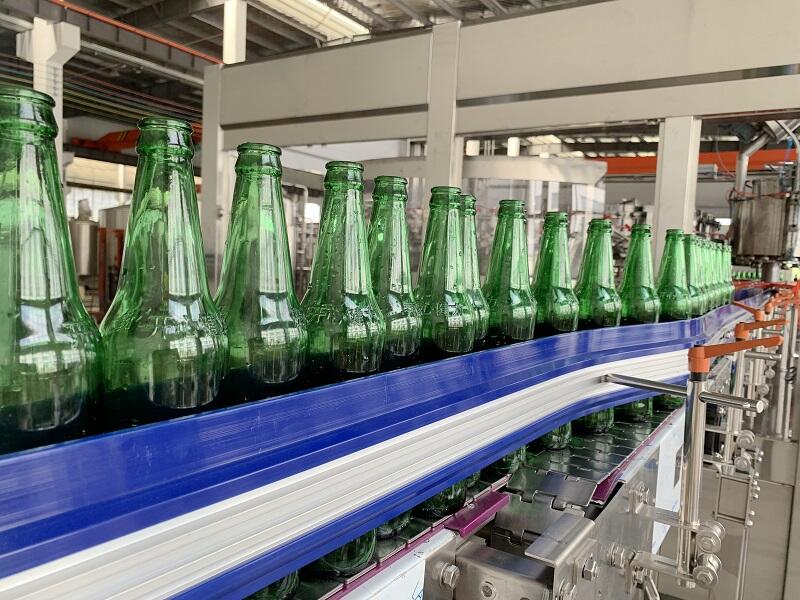
12
Dec
28
Oct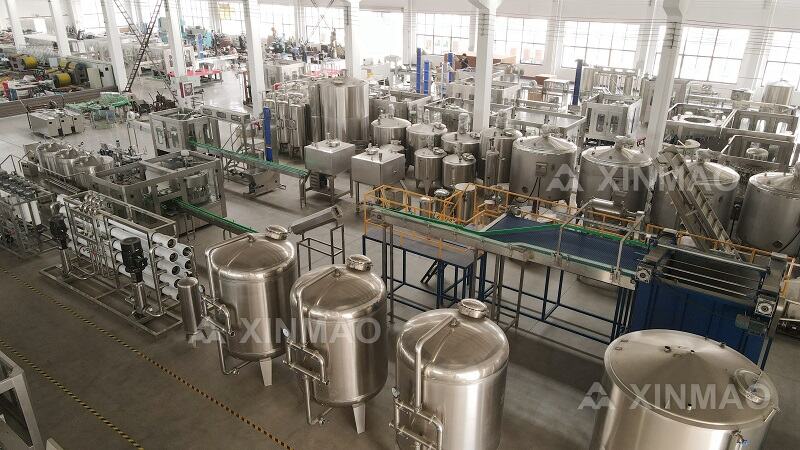
 EN
EN