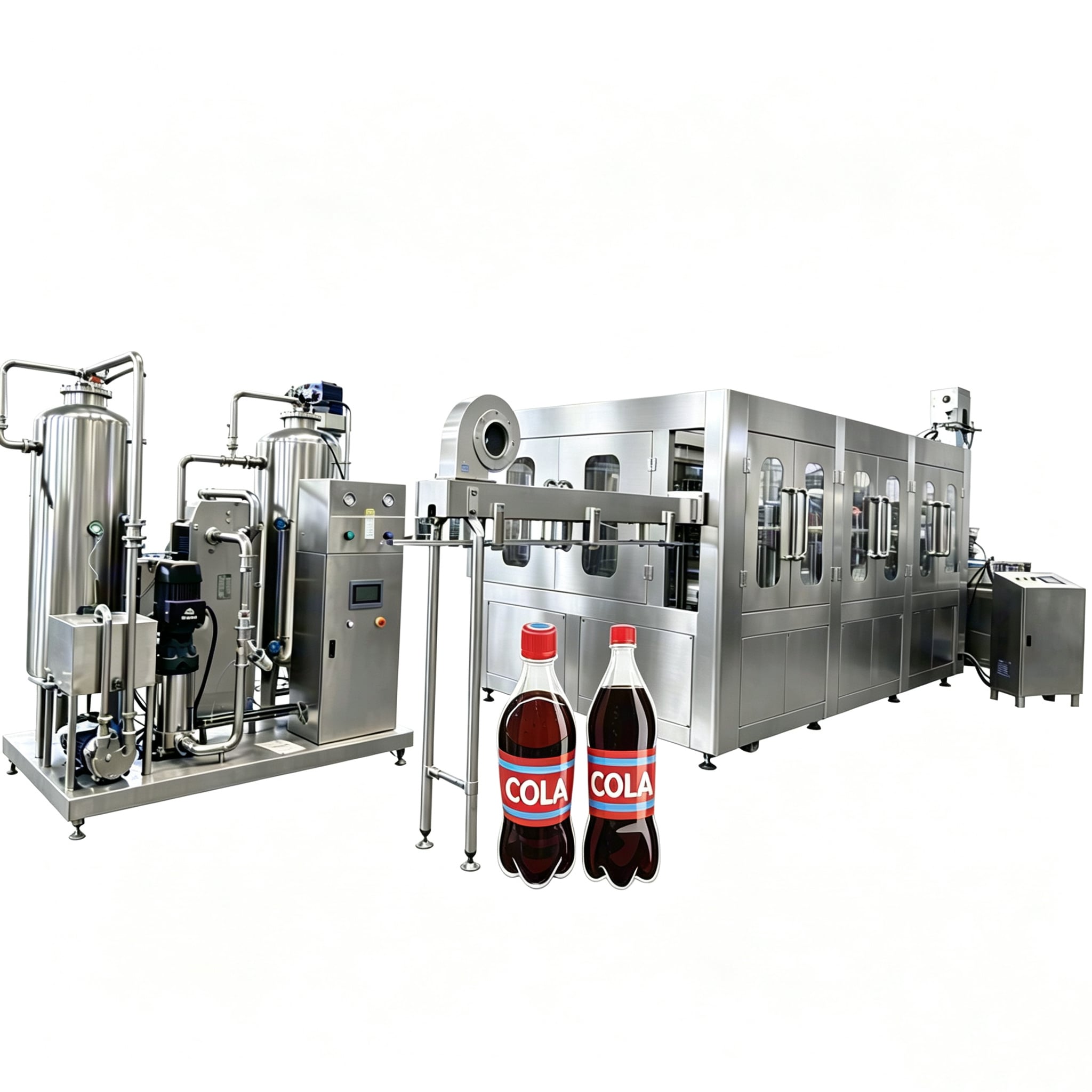
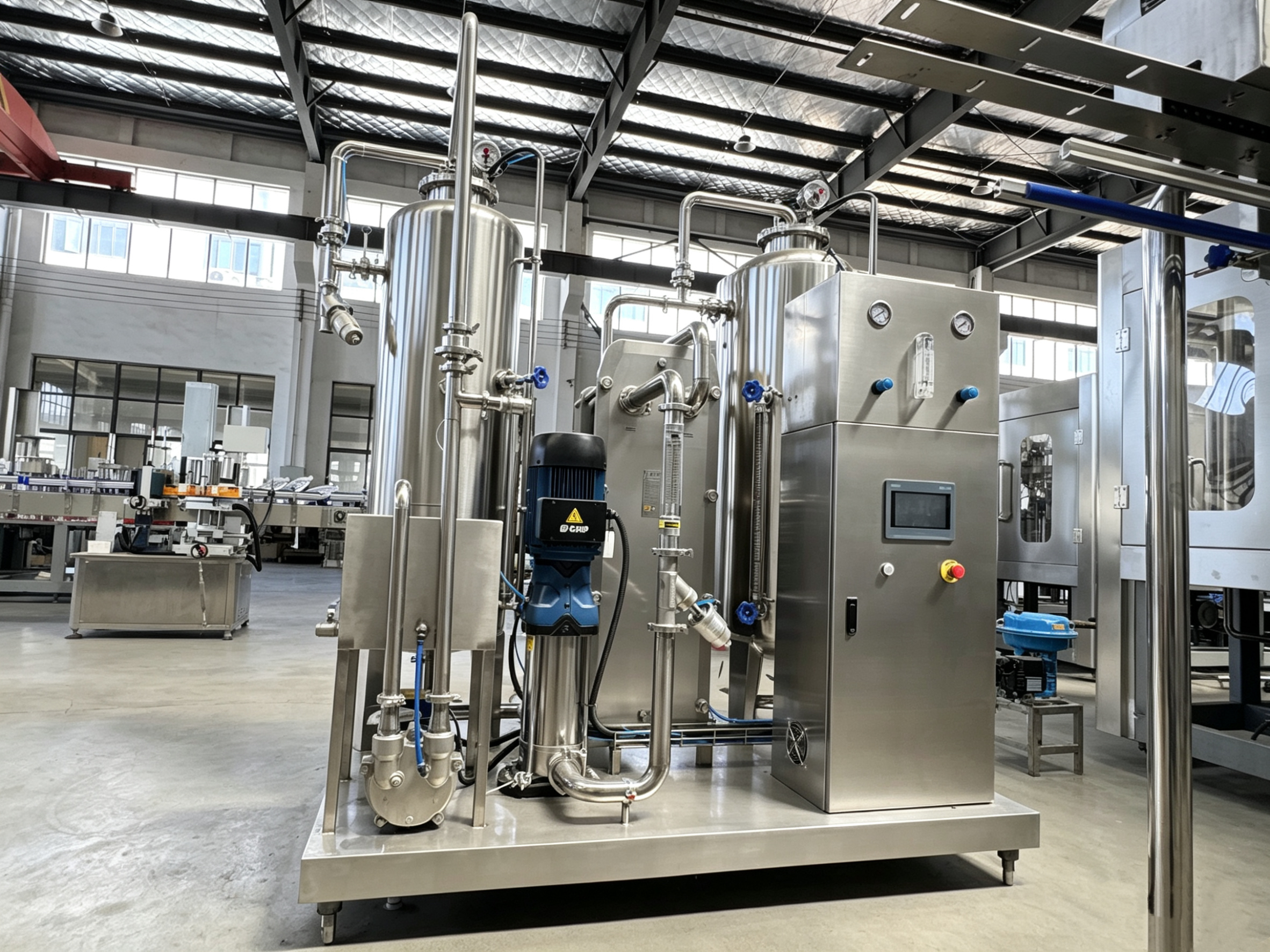
Welcome to XINMAO, your premier provider ofcomprehensive bottling solutions for carbonatedsoft drinks.
Whether you are looking to bottle your products
in PET, glass, or cans,our advanced technologyand expertise ensure the highest quality andefficiency in your production process.
Application Carbonated drinks,soft drinks,gaswater,sparkling water,soda water,energydrinks,kvass
Type Cylindrical and square PET containers
Filling system Isobaric
Filling speed 2000-30,000BPH(500ml)(Customized)
Carbonated Soft Drinks Lines
Success in carbonated soft drinks (CSD) production requires flexibility and overall efficiency, with cost-effective, sustainable resource management and branding opportunities that deliver optimal results across the supply chain. Our expertise and technical knowledge of PET packaging help you achieve more with a complete carbonated soft drink bottling line.
20+ Years of PET CSD line experience
With more than 20 years of experience in designing and implementing complete PET line solutions for CSD, we help you expand your line’s production capabilities. Over time, we have significantly reduced the weight of CSD bottles, lowering our customers’ carbon footprint—while retaining bottle resistance and expanding design opportunities.
One partner for the entire PET CSD process
A complete CSD line solution from Xinmao Machinery considers every step of your PET CSD process: minimising resource waste to support sustainability targets, and determining the bottle’s ideal look and weight. With everything centred around one supplier, you gain wide-ranging expertise, integrated line equipment and ongoing services, securing high quality and efficiency from packaging to equipment, fast ramp-up and beyond.
Turn PET CSD complexity into reliable, high-speed, low-footprint output.
CSD bottling line benefits
Flexibility and Overall Efficiency
Cost-Effective, Sustainable Resource Management
PET Packaging Know-How for Design and Performance
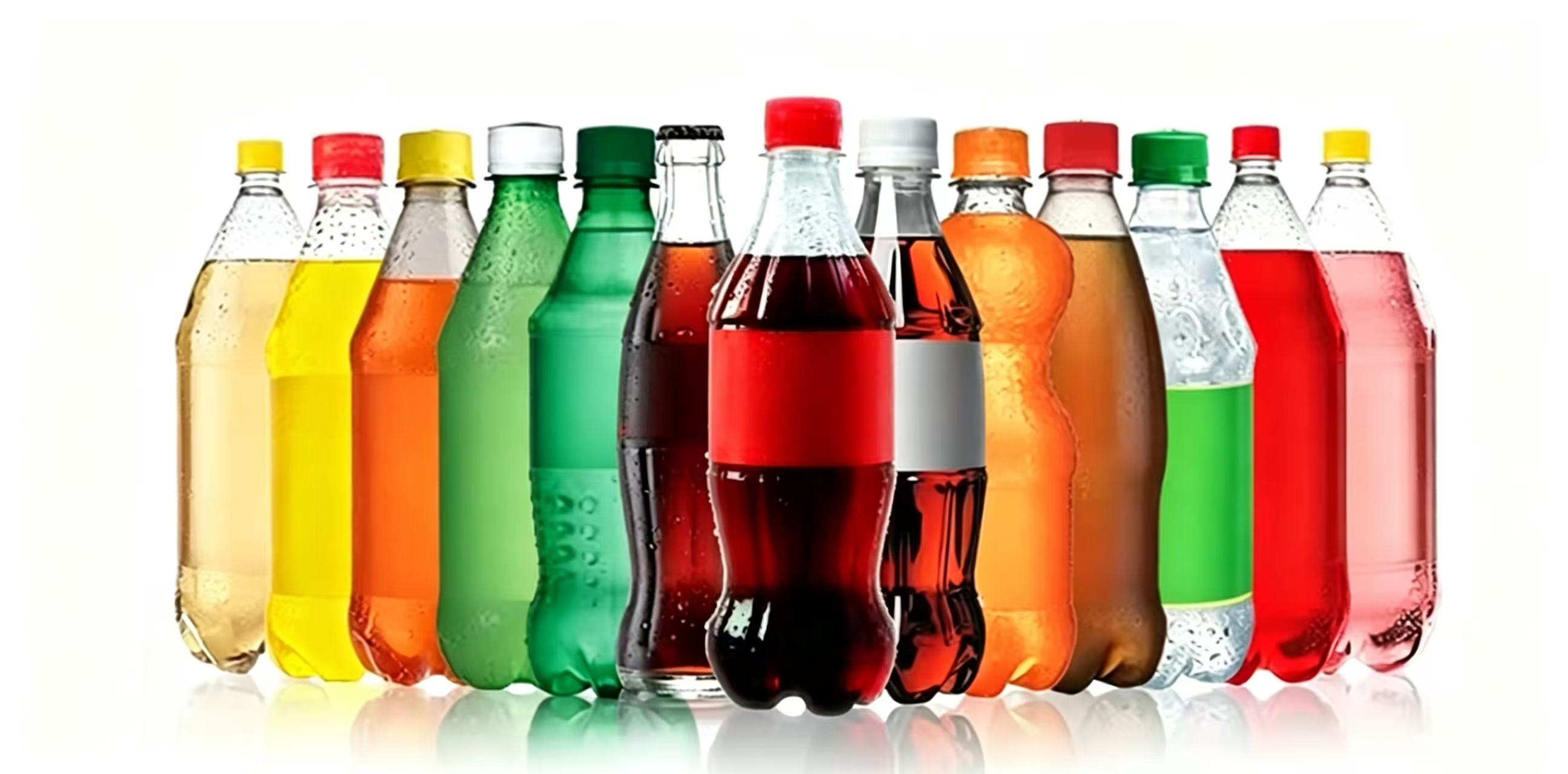
1. PREPARATION SYSTEM (WATER TREATMENT SYSTEM + HIGH-SHEAR SUGAR DISSOLVING KETTLE + BLENDING SYSTEM)
WATER TREATMENT SYSTEM
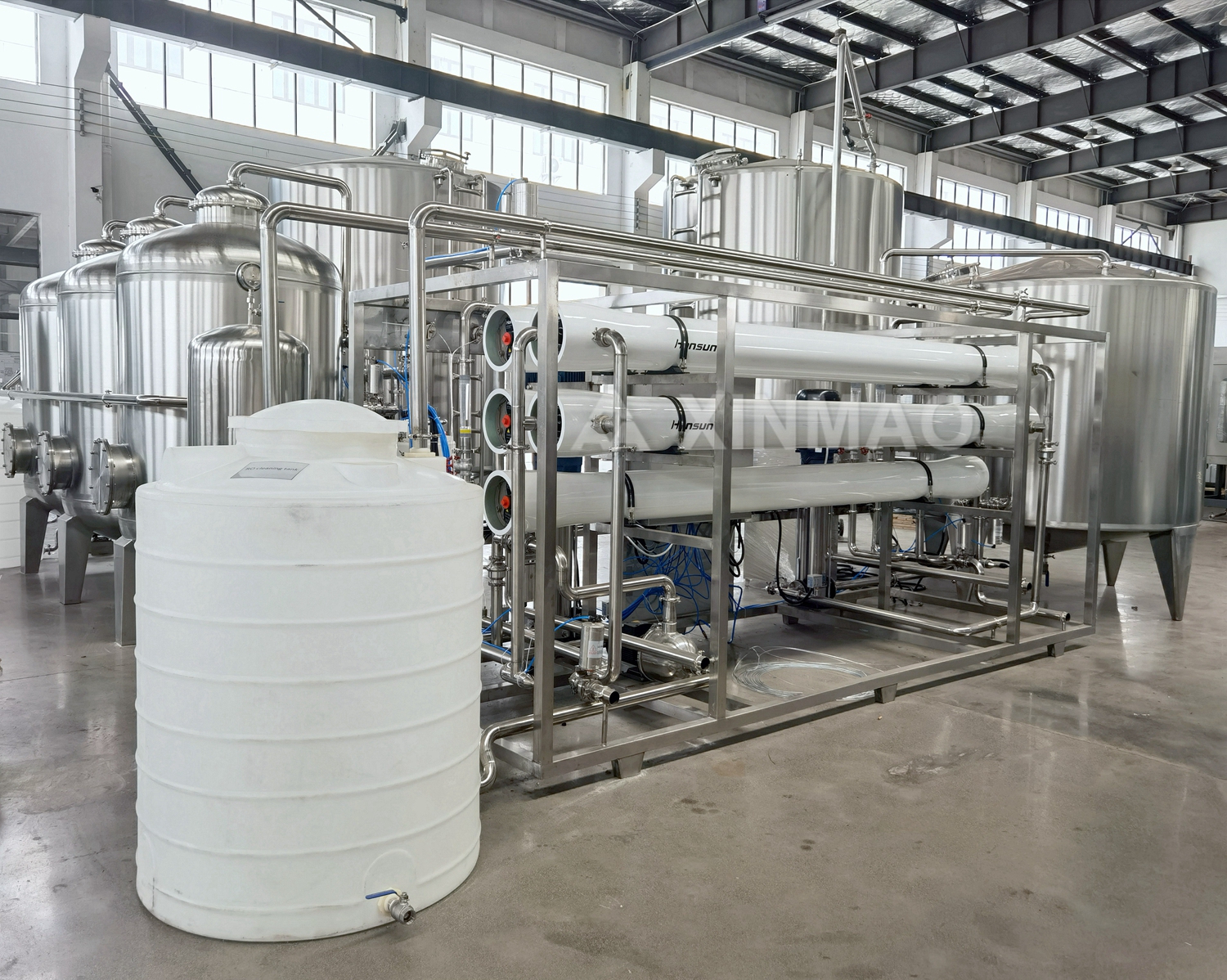
Applicable water source: Well water, underground water, tap water, river water, spring water, mountain water, etc.
Treated water kind: Pure water, still water, mineral water, alkaline water, etc.
Core filtration equipment: Reverse Osmosis or hollow ultrafiltration.
Electricity control system: Germany Siemens PLC
Treated the raw water into drinkable water. (Customized according to customer water quality)
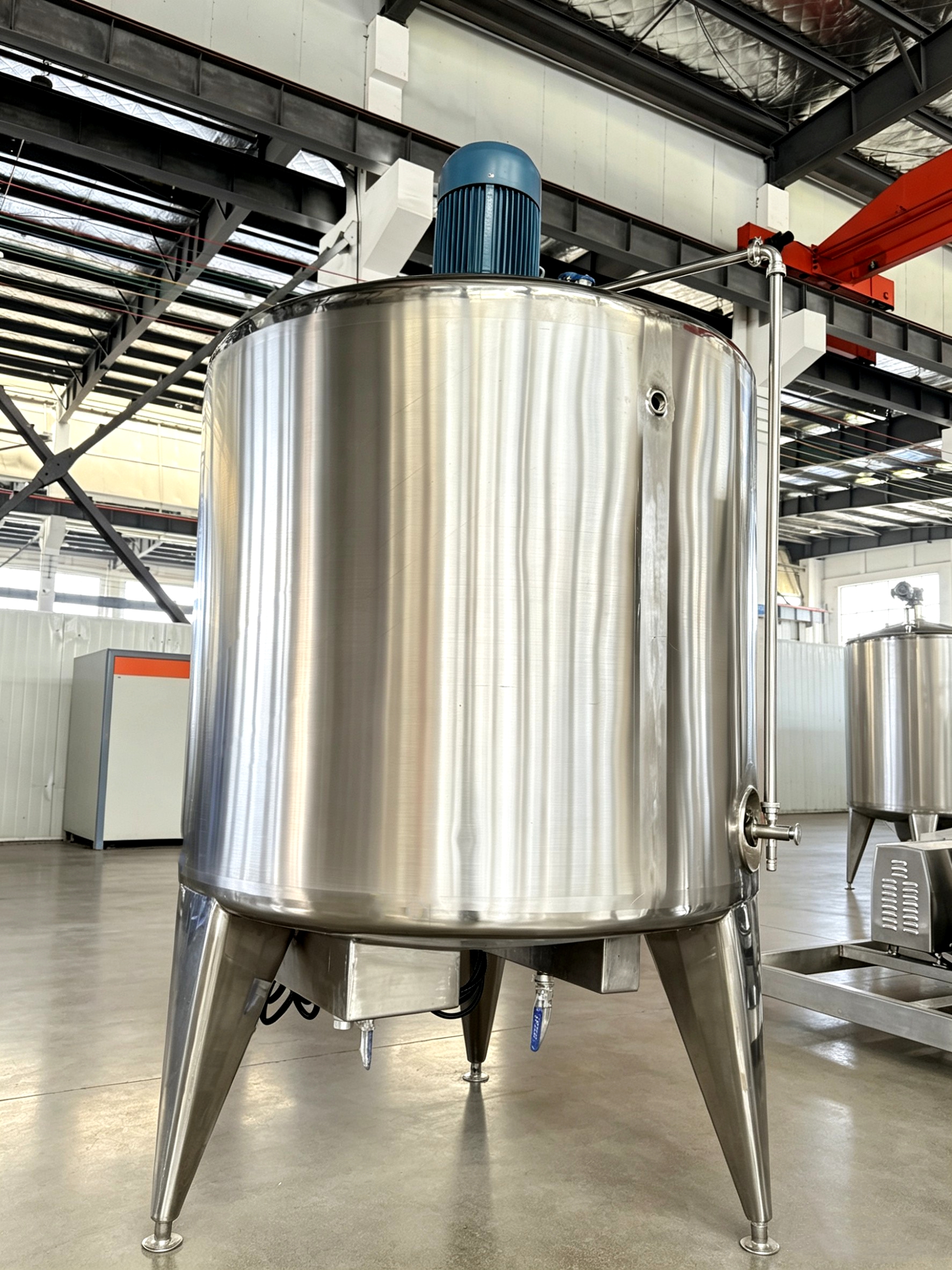
HIGH-SHEAR SUGAR DISSOLVING KETTLE
In the entire batching system, the high-shear sugar dissolving tank does not operate in isolation; it is typically the starting point of the process, working in conjunction with other equipment to prepare the syrup.
Sugar Dissolving: Granulated sugar and hot water at approximately 80-85°C are added to the high-shear sugar dissolving tank in a ratio (e.g., 6:4) for high-speed shear dissolution for approximately 20-30 minutes to obtain crude syrup.
Reaction/Sterilization: The crude syrup is pumped into a reaction tank and kept at approximately 85°C for a period of time (e.g., 30 minutes) for thorough pasteurization.
Filtration: The sterilized syrup is passed through a filter (e.g., a dual-stage filter) to remove any activated carbon, trace impurities, or undissolved particles, resulting in clear refined syrup.
Temporary Storage/Cooling: The refined syrup is temporarily stored in a storage tank and begins cooling, awaiting final mixing with other ingredients in a blending tank.
After this step, the prepared syrup is degassed and cooled (to near 0°C) before being mixed with carbon dioxide under high pressure to form a carbonated beverage, which is then sent to the filling machine for bottling.
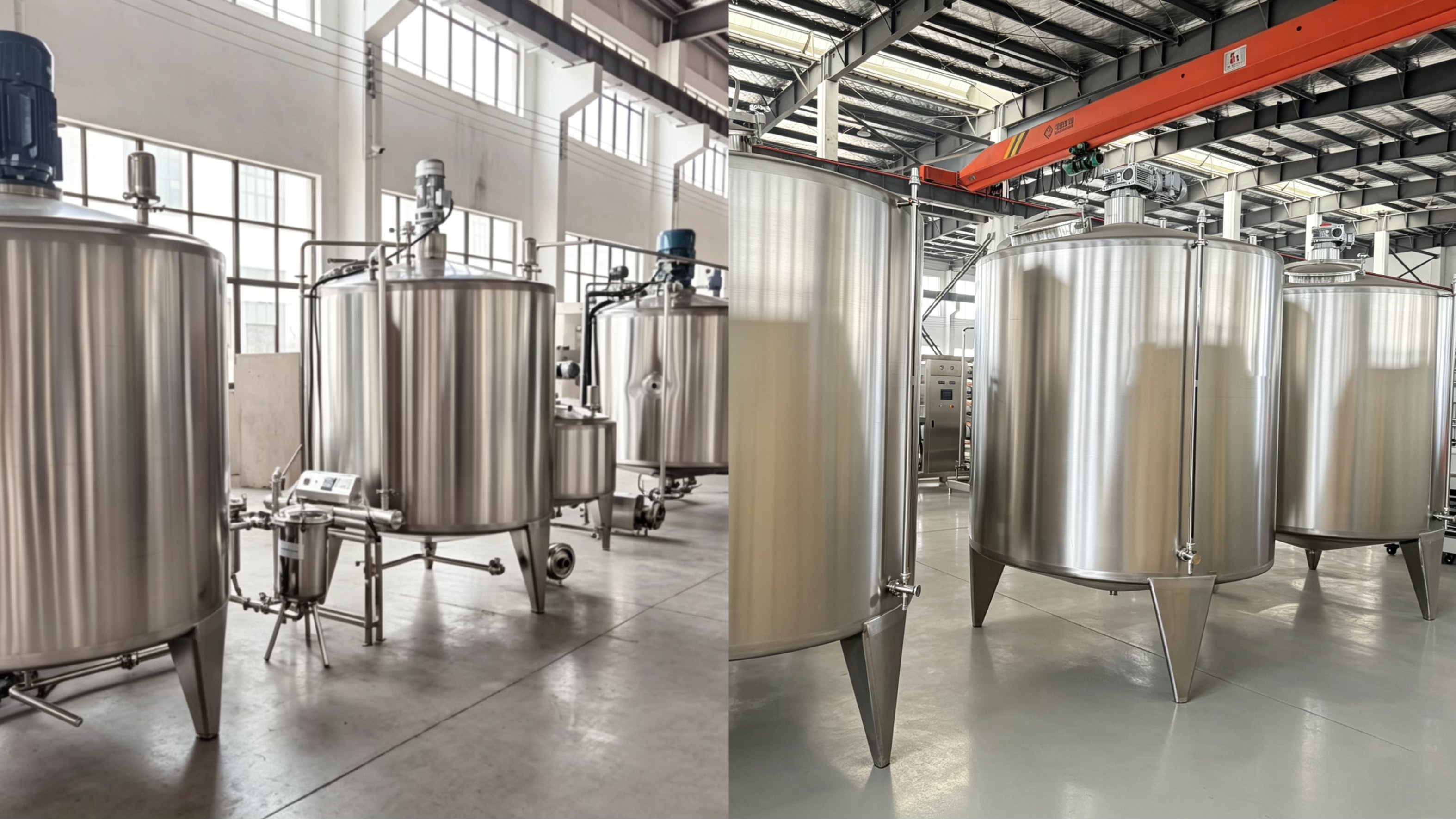
BLENDING SYSTEM
Function: As a mixing tank, it is used to final mix the base syrup, treated water, and various food additives according to the formula ratio to produce a standardized concentration of “blended syrup.” As a storage tank, it is used to store the prepared syrup for the next process.
Working Principle: The tank is equipped with a stirrer, which uses rotating blades to tumble and thoroughly mix the materials. The 3-ton capacity determines the batch size for single mixing.
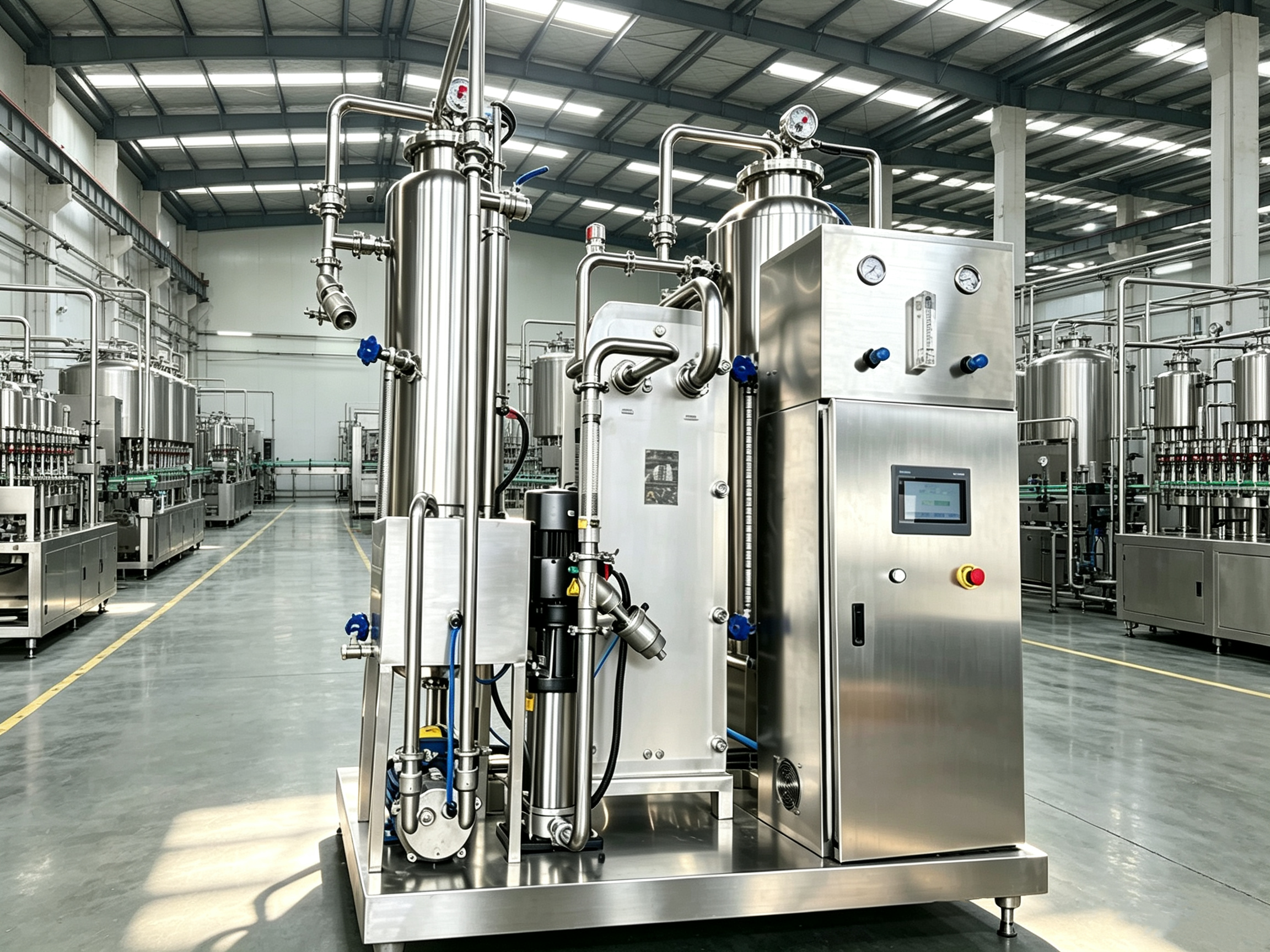
2. DRINKS MIXER
Automatic carbonated beverage mixing system with reasonable & high efficiency structure, high mix precision, CO2 mixing fully, two stage of cooling, two carbonation merits. Mainly is suitable for kinds of carbonated drink’s mix processing and carbonation, also may use in the paste drink, the fermentation drink and so on other soft drinks’ mix processing.
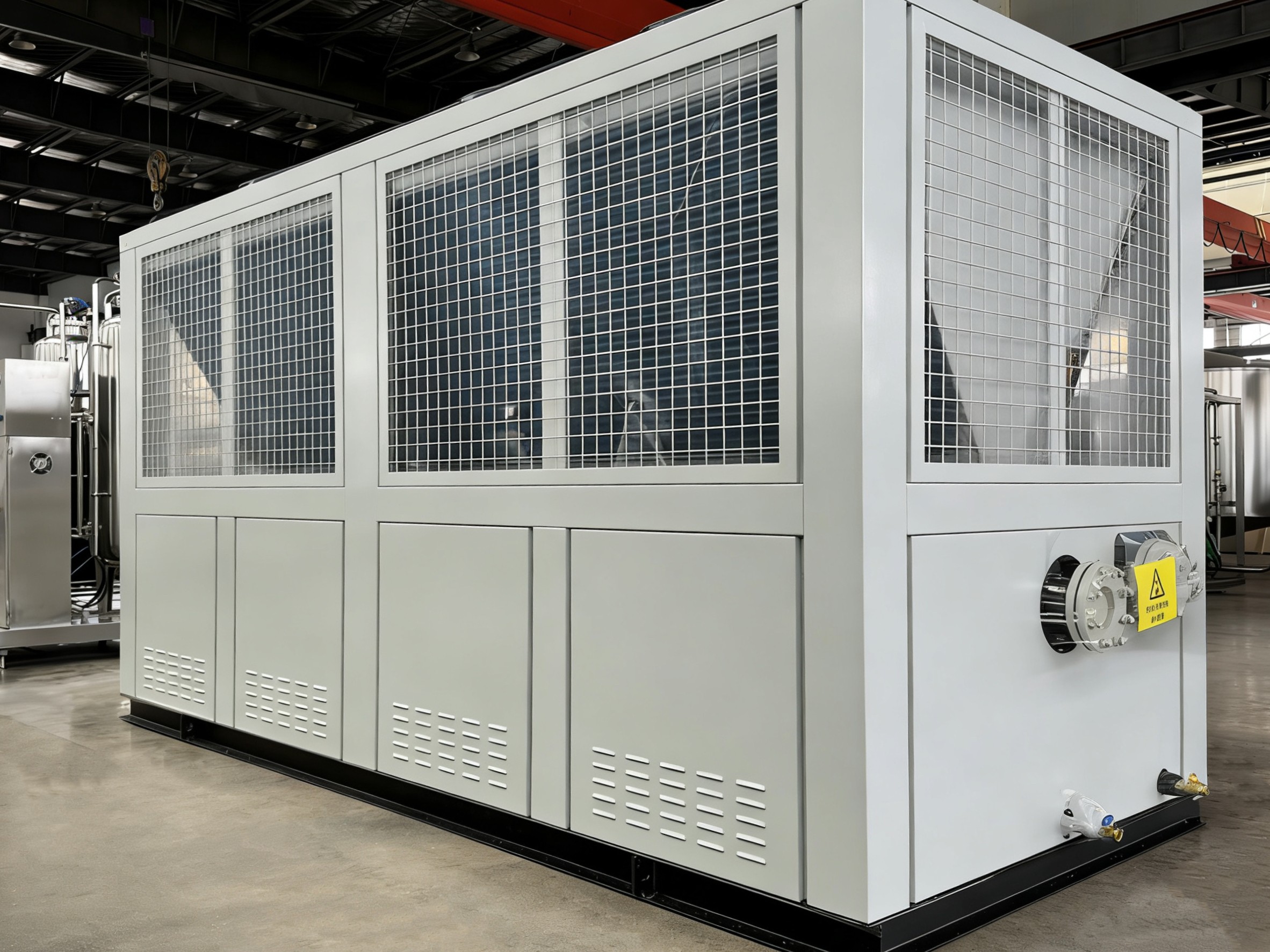
3. CHILLER
Function: Provides a continuous and large volume of low-temperature cooling water (typically 0-4°C) for the mixer. Low temperature is essential for efficient CO2 dissolution.
Working Principle: The refrigerant is cooled through a refrigeration cycle consisting of a compressor, condenser, evaporator, and expansion valve. The cooled chilled water then exchanges heat with the beverage materials through a plate heat exchanger. 60P refers to the compressor power; a higher number indicates stronger cooling capacity.
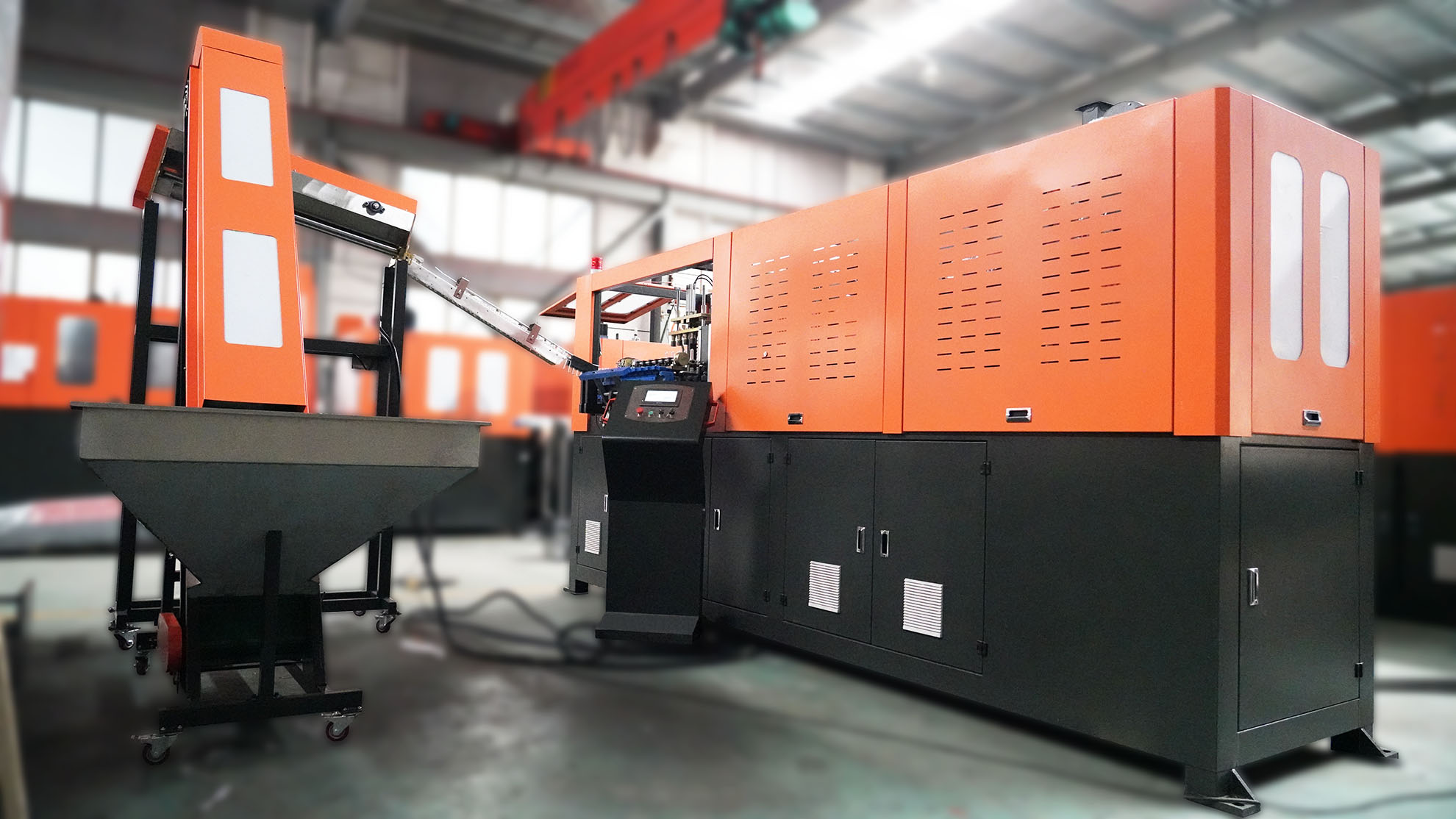
4. FULL-AUTO PET BOTTLE BLOW MOLDING SYSTEM
Capacity range: 2,000-30,000BPH
Applicable bottle size: Within 2L
Applicable bottle material: PET
Product can be filled: Mineral water, pure water, carbonated drink, soft drink, soda water, etc.
Applicable bottle design: Various kinds of bottle design, customized according to user’s request.
Automation degree: Fully automatic
Advantages of this machine that you may concern about:
(1) High production rate
(2) Labor saving
(3) Energy saving
(4) Realize direct connection from blowing to filling
(5) Low failure rate
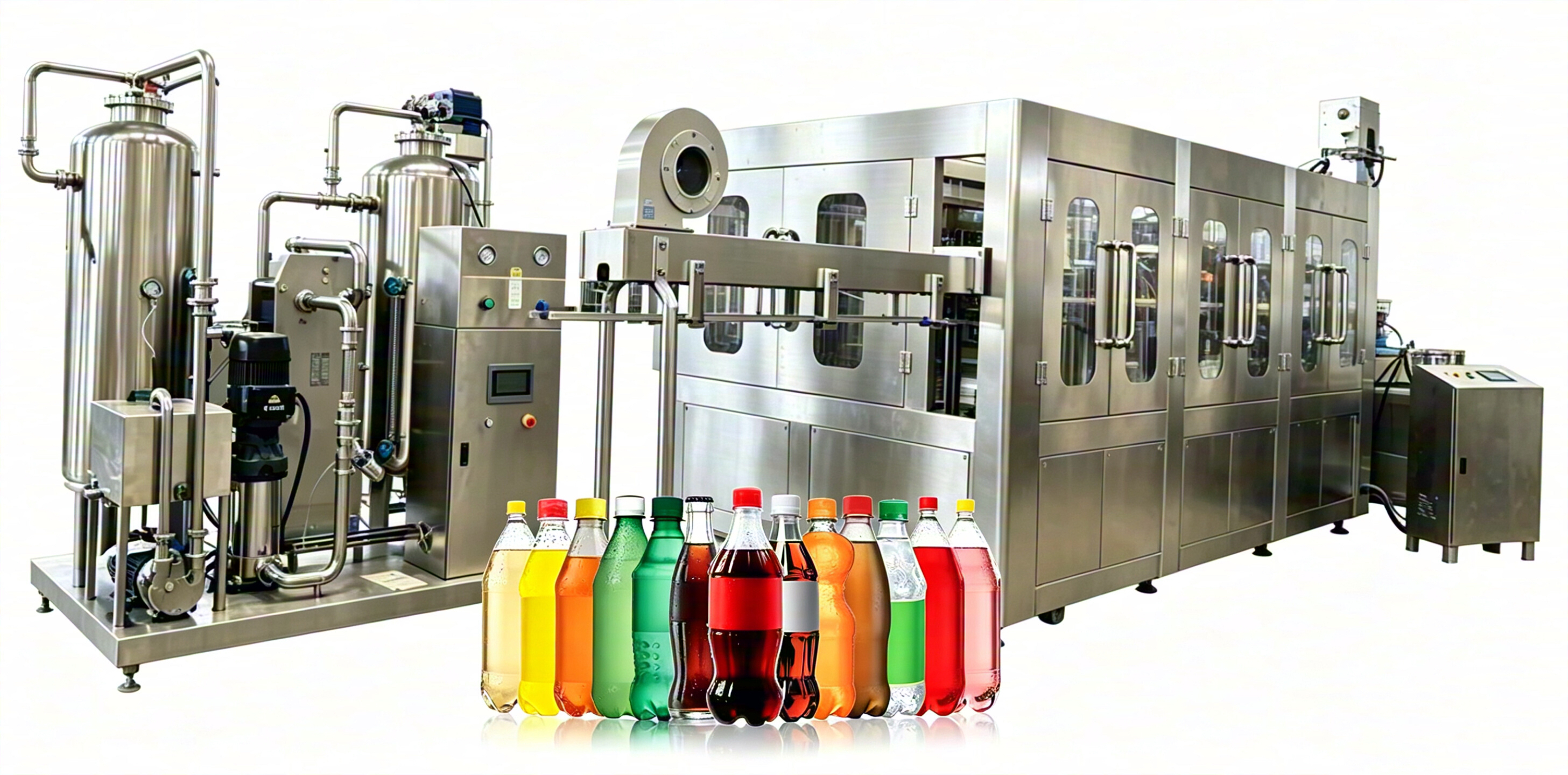
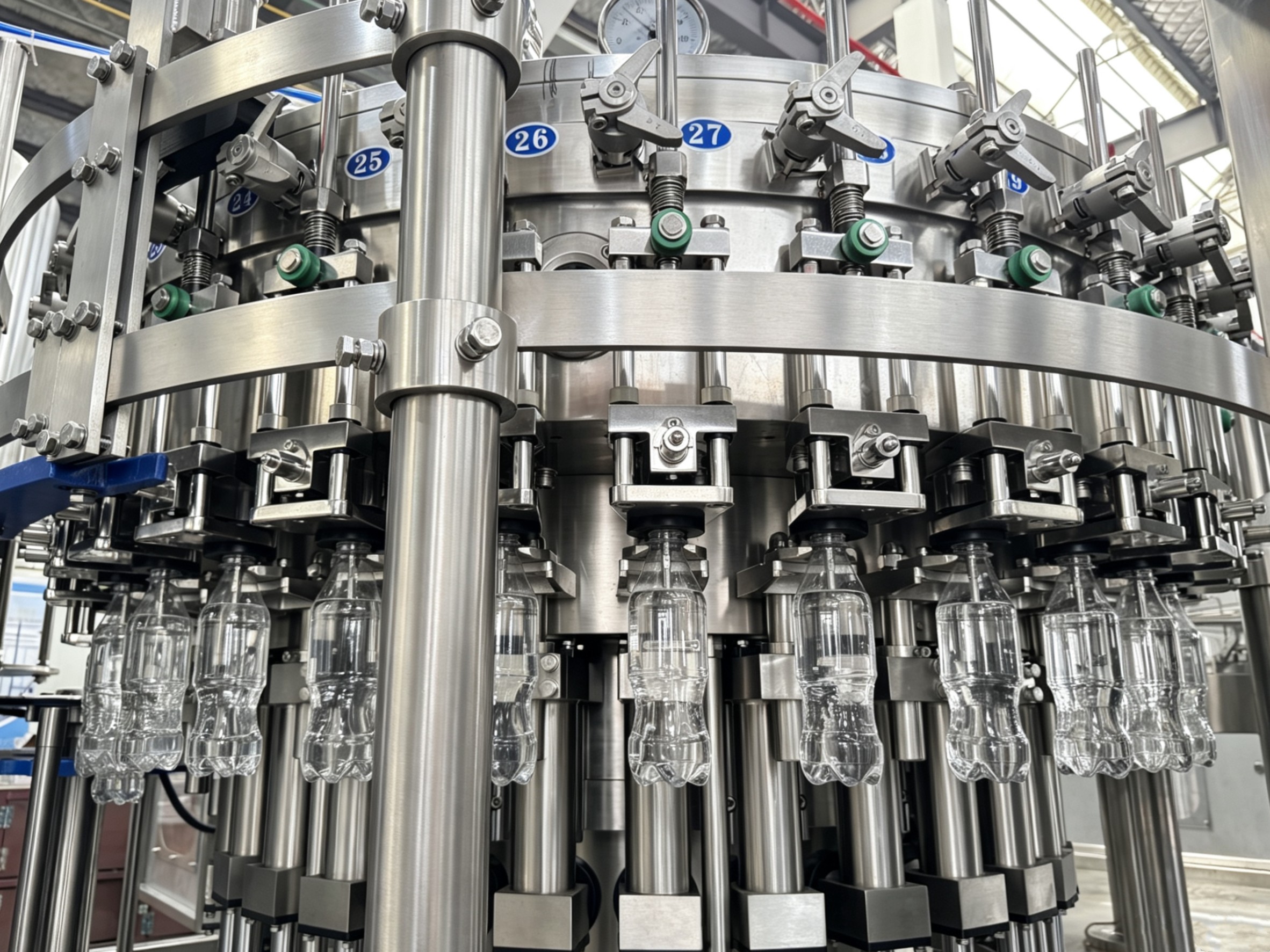
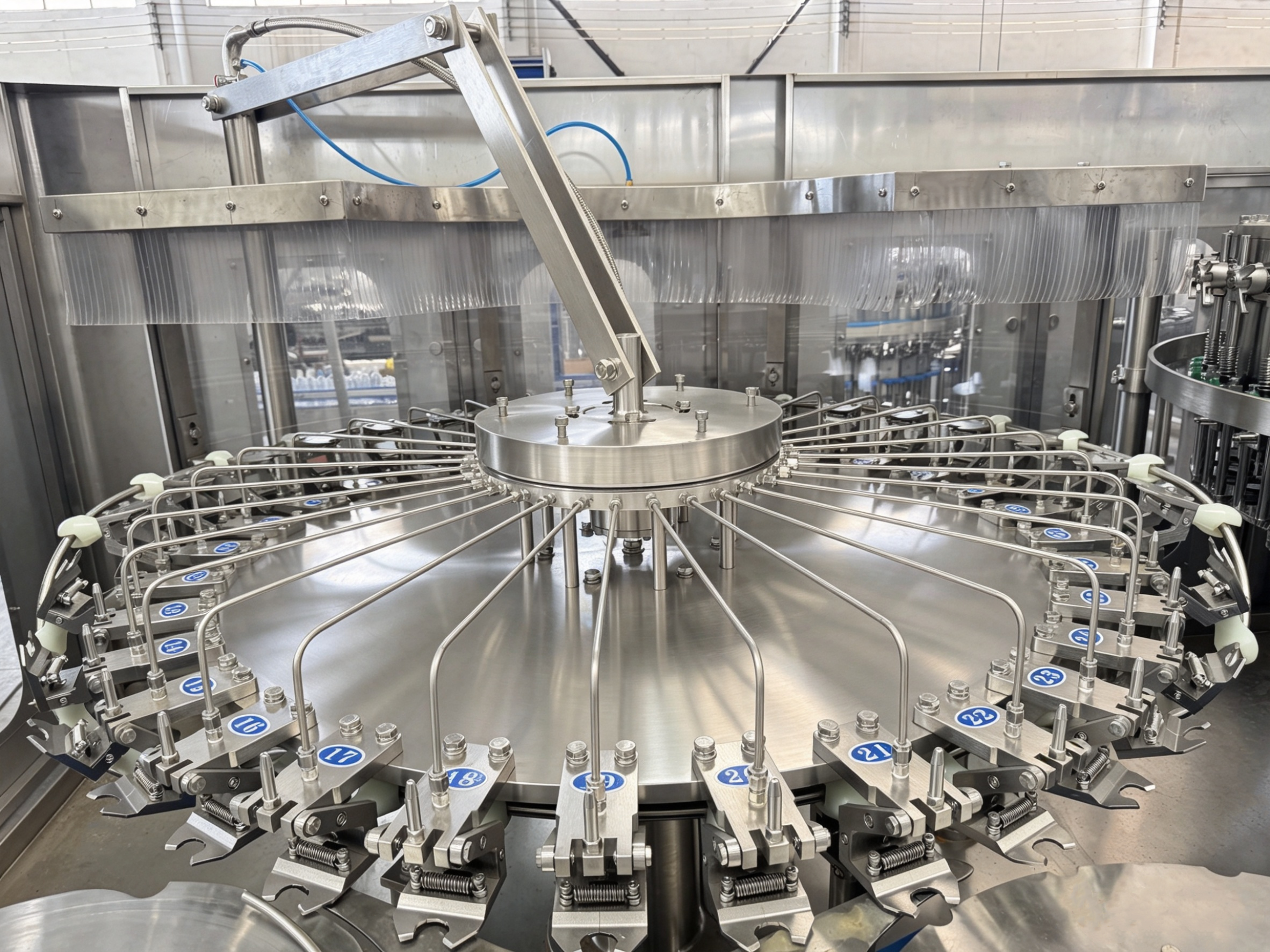
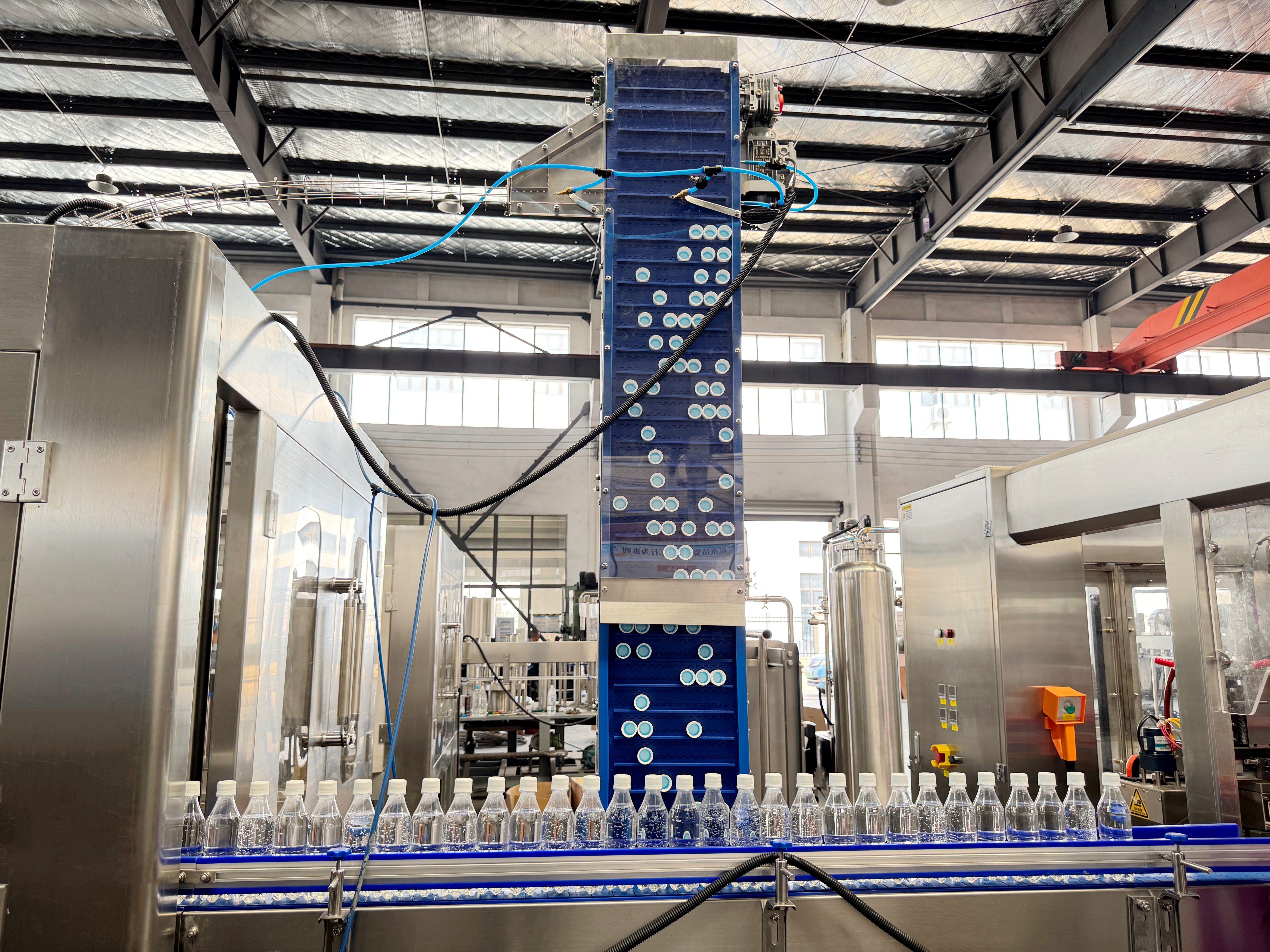
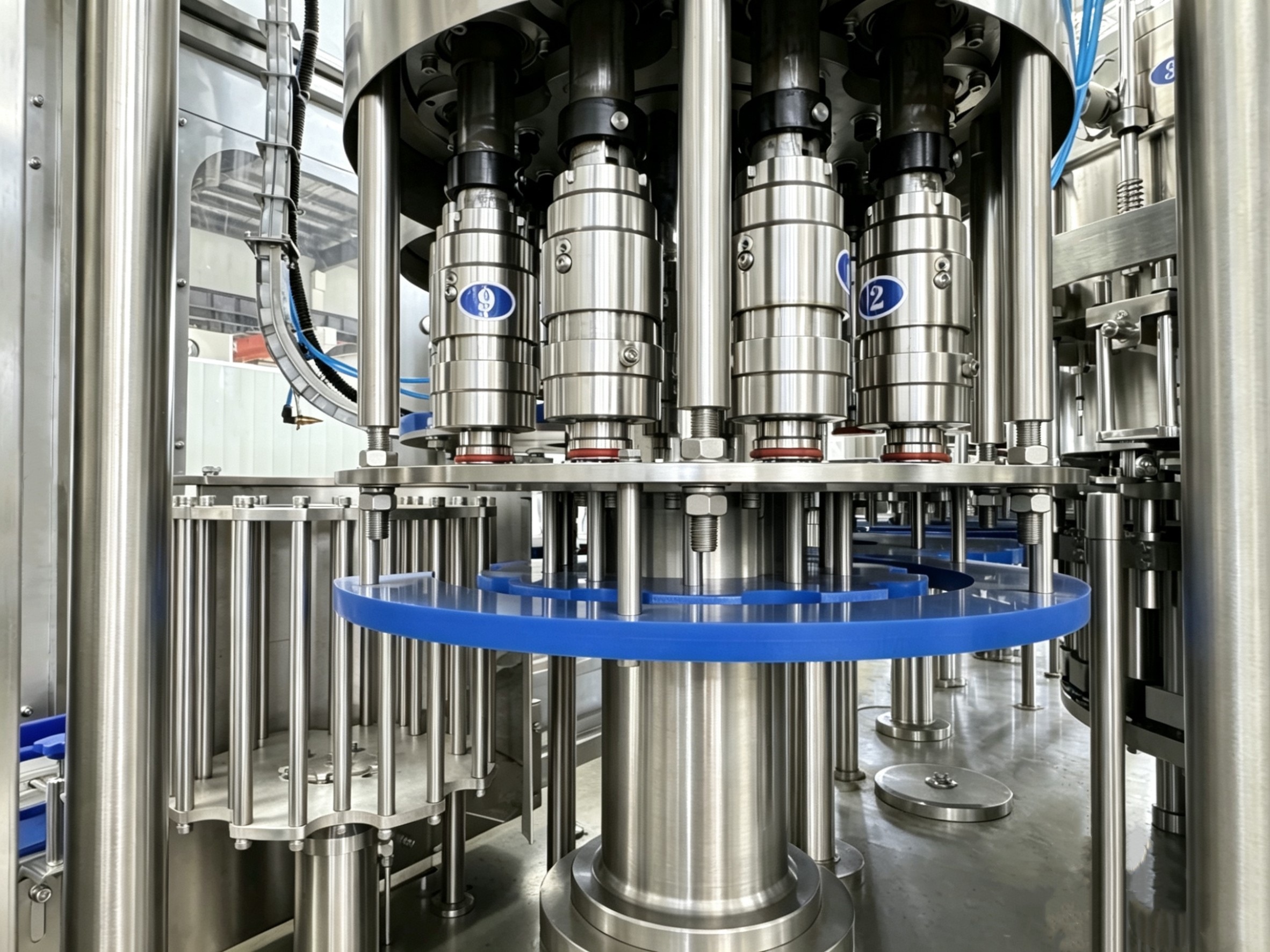
5. FULL-AUTO 3-IN-1 WATER FILLING SYSTEM
Model: DCGF series rotary type
Capacity range: 2,000-30,000BPH
Applicable bottle size: Within 2L
Applicable bottle material: Plastic bottle
Filling method: Negative pressure filling
Product can be filled: Carbonated drink, soft water, etc.
Automation degree: Fully automatic
Electricity control system: Germany Siemens PLC
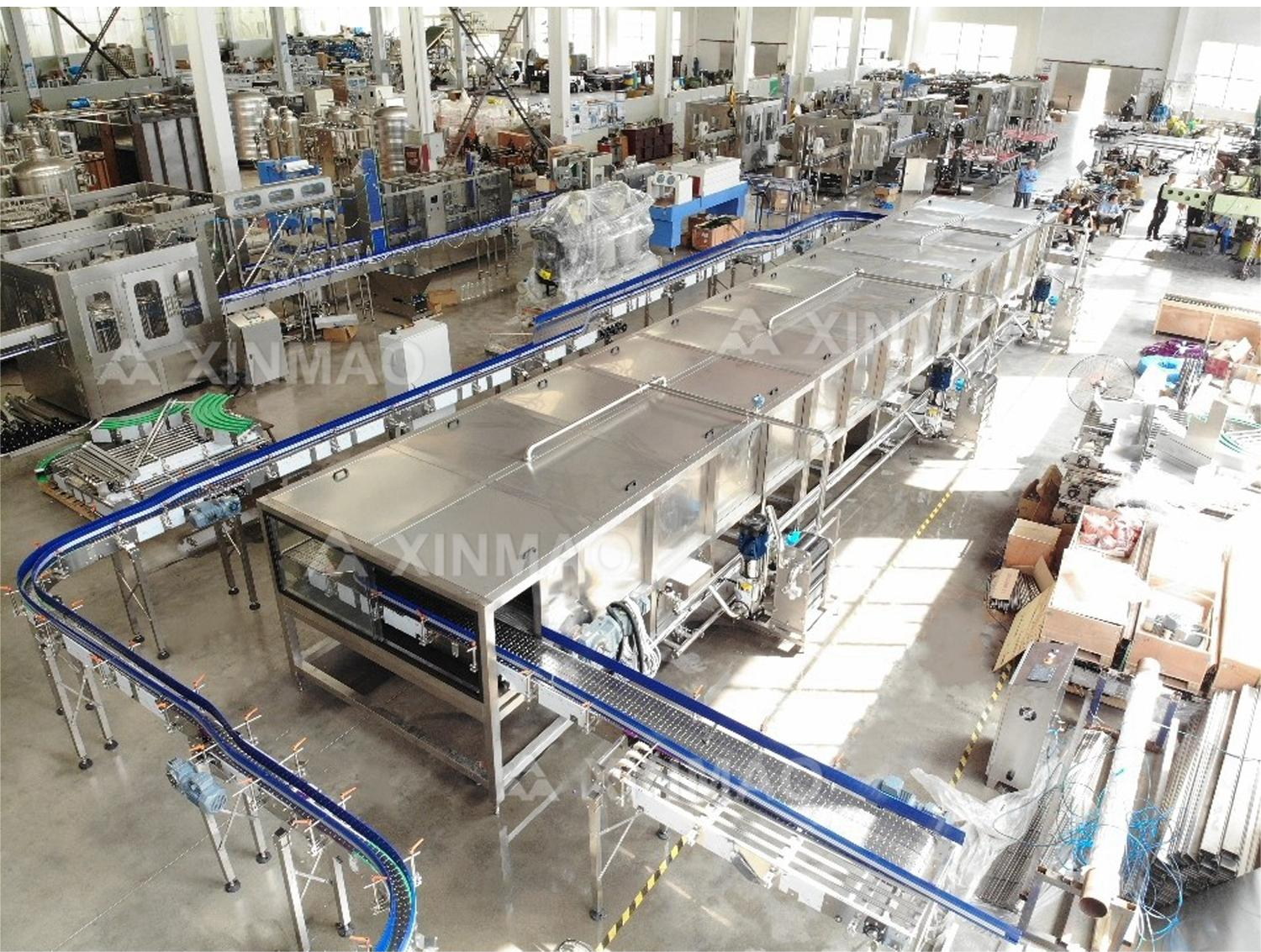
6. BOTTLE WARMING MACHINE
The bottle warmer is a tunnel-type spraying device that heats the bottle body by circulating hot water for heat exchange. It has three permanent temperature zones (more temperature zones can also be designed). After segmented heating, the temperature of the center of the beverage reaches room temperature. The inlet and outlet of the bottle warmer adopt dynamic transition to reduce squeeze and bottle fall and manual intervention.
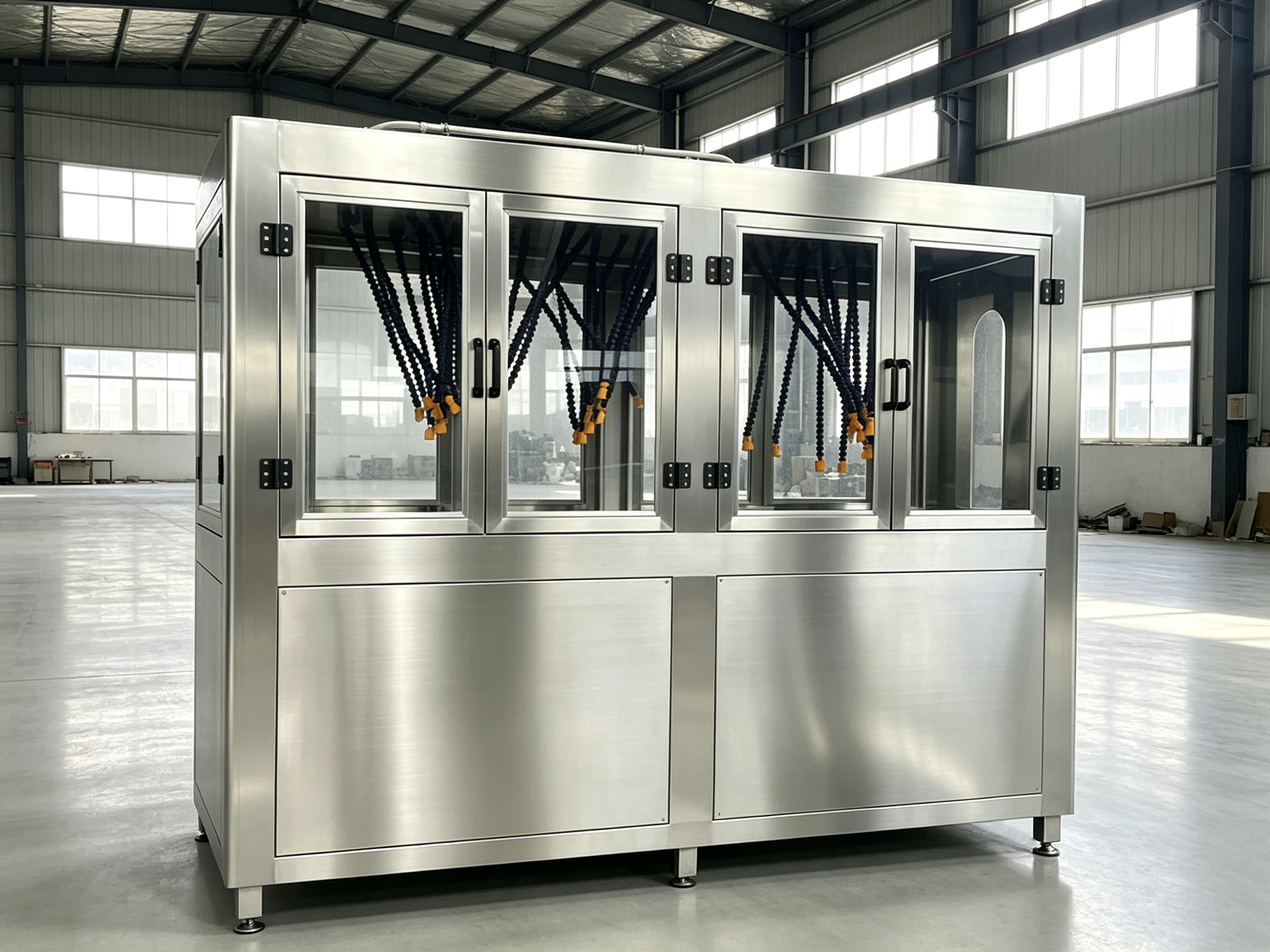
7. BOTTLE BLOW DRYER
A high-pressure fan is used to blow air, so that high-speed air is ejected from the nozzle, so that the water droplets on the bottle body are blown away as much as possible. The nozzle position can be freely adjusted according to the bottle height.
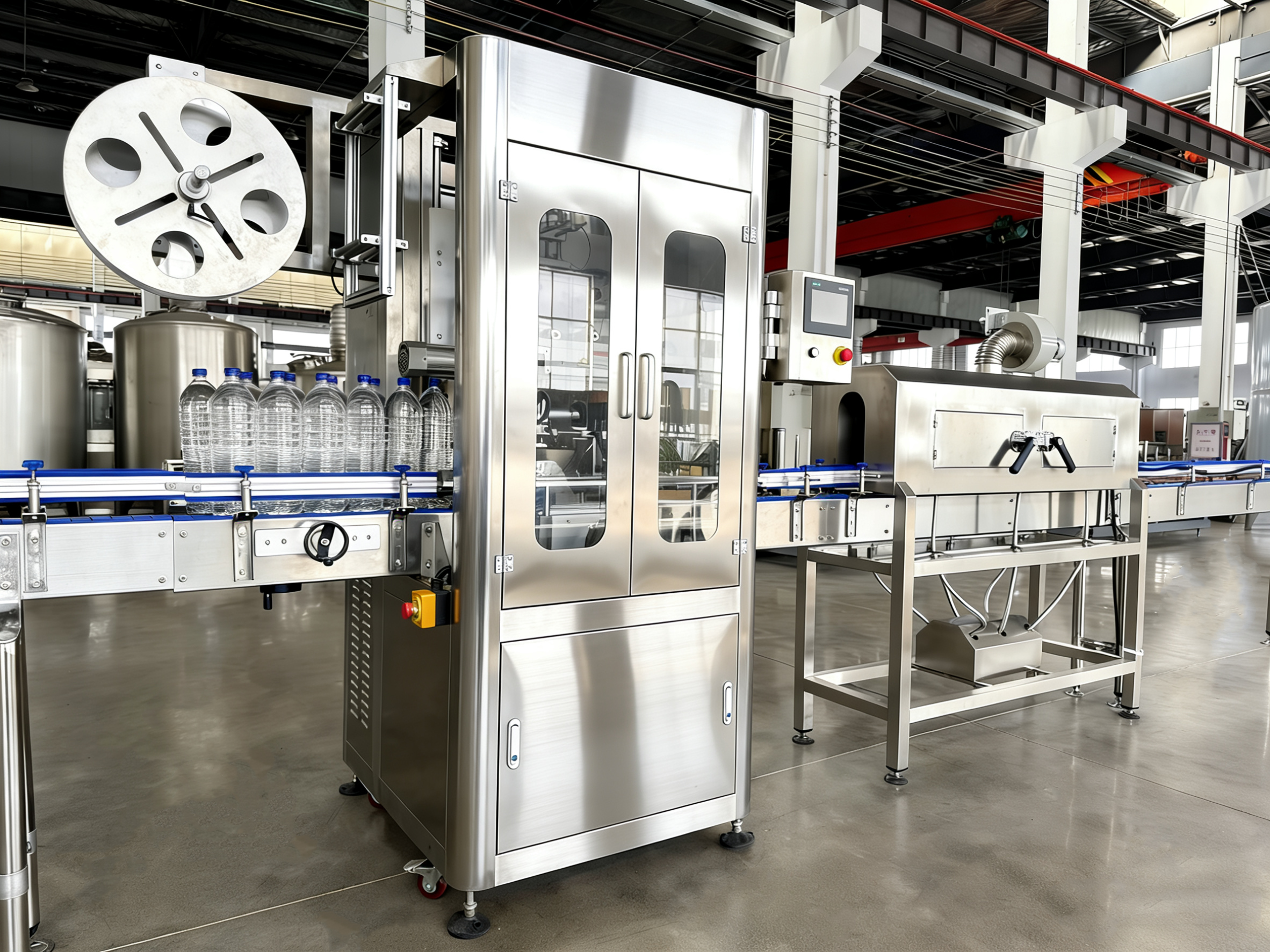
8. AUTOMATIC SLEEVE SHRINK LABELING MACHINE
The machine adopts international advanced technology; cover the circle label on the PET bottle, and then hot shrinking to fix on the position which bottle body designated. This machine’s structure is compact, and suitable for the production line of different direction and different height. The machinery part adopts combination designing of modularization, and makes the machine reasonable. The height adjustment adopts motor fluctuating; it is convenient to replace the material. The special cutter head designing makes the film-rolling cut more exactly and reliably.
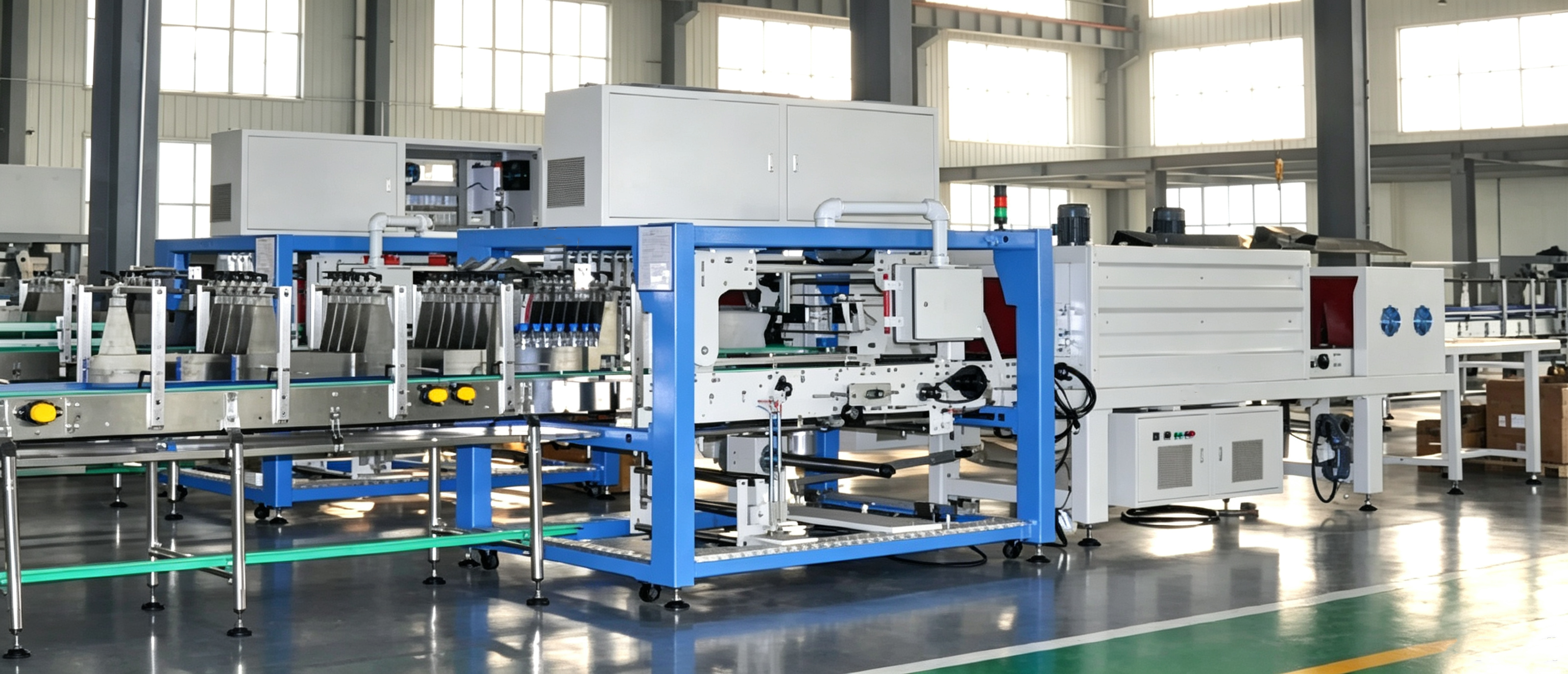
9. FULL-AUTO PACKING SYSTEM
Common capacity range: 8-45 pack/min
Packing Material: LDPE film
Packing method: Film wrapping and shrinking
Shrinking method: By electricity heating
Automation degree: Fully automatic
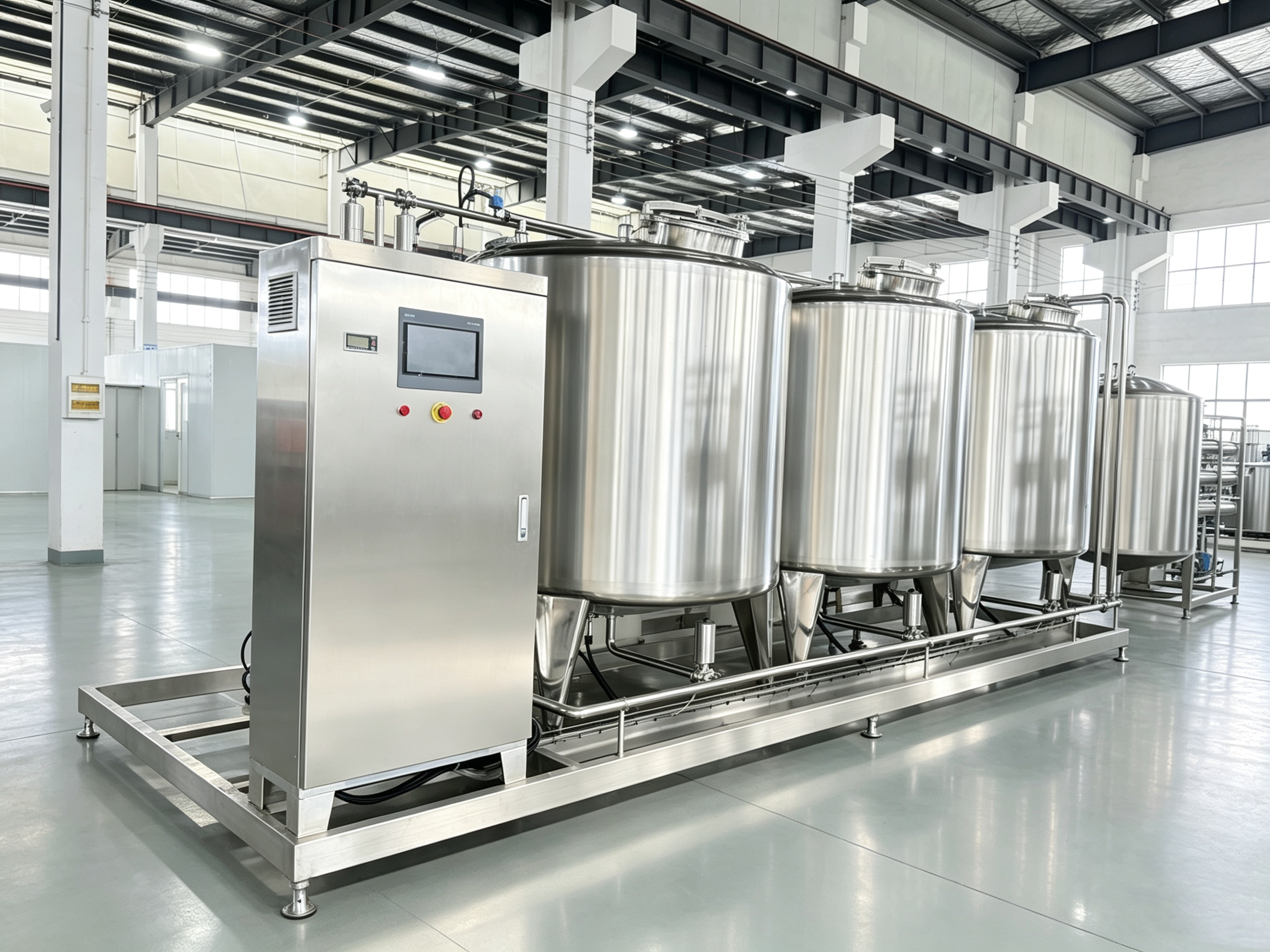
10. CIP FULLY AUTOMATED CLEANING SYSTEM
Function: Also known as a “Clean-In-Place” system, it automatically and thoroughly cleans and disinfects the inner surfaces of all tanks, pipes, and valves without disassembling the equipment.
Working Principle: The system includes multiple cleaning agent storage tanks (acid, alkali, disinfectant), as well as delivery pumps and control valves. Following a preset program, water → alkali → water → acid → water → disinfectant is pumped into the pipes and equipment to be cleaned in a set sequence at set temperatures, flow rates, and order. This circulates and flushes away residual materials and microorganisms, and finally, sterile water is used for rinsing. The entire process is automatically controlled by a PLC. 1.5 tons refers to the capacity of the cleaning agent storage tanks.
| Main Configuration | |
| Touch screen | Siemens |
| PLC | Siemens |
| Frequency inverter | Siemens |
| Material of filling valve | Stainless steel 304/316 |
| Pneumatic components | Festo |
| Photocell switch | Sick |
| Proximity switch | Sick |
| Motor | SEW |
Working Procedure
1.Prepare for pressure
The inflation valve opens, forming a passage between the bottle and the return air channel. CO2 is filled into the bottle through this passage until the CO2 pressure in the bottle is equal to the pressure in the tank.
2.Filling
The filling valve opens, forming a passage between the bottle and the tank, through which liquid is filled in the bottle. At the same time, the CO2 in the bottle flows back to the tank through the return pipe at the same speed, until the liquid in the bottle rises and flows through the return pipe to form pressure balance, the compressed CO2 in the bottle seals the liquid to continue to flow out. When the liquid enters the bottle, it is evenly distributed to the bottle wall through the diversion umbrella to avoid foaming due to impact during filling.
3.Close valve
After the filled bottles have stood for a certain period of time, the liquid valve and the inflatable valve are closed to cut off the passage between the tank and the bottle.
4.Discharge
The exhaust valve opens, creating a passage between the tank and the atmosphere, the pressure in the bottle is thereby released. The final pressure release process is carried out until the bottle is separated from the filling valve.
5.Blowing residual liquid
When the filling valve is located between the bottle outlet and bottle inlet star wheels, the inflatable valve stem opens and then closes after the preset time. In this way, the CO2 gas in the tank will blow out the remaining liquid in the return pipe.
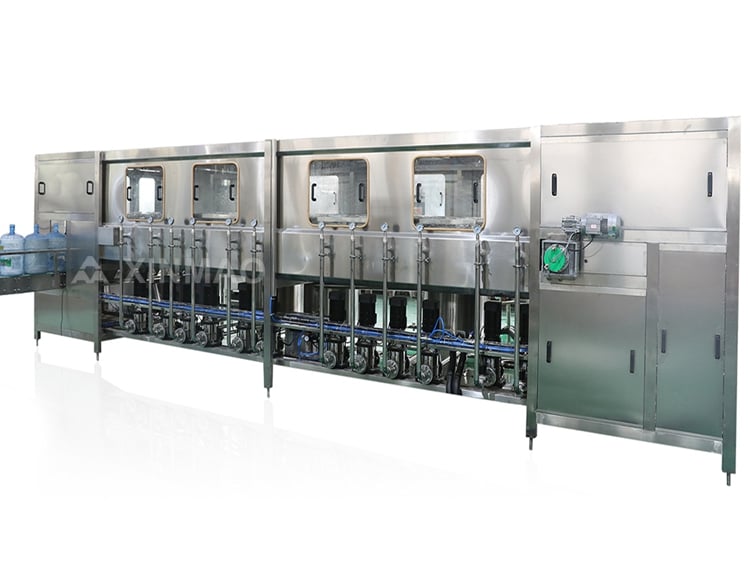
Water Filling Machine For 5 Gallon
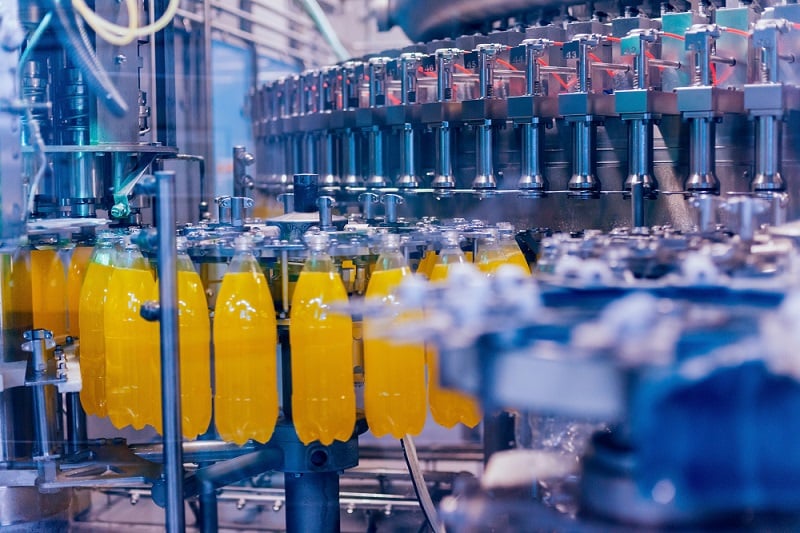
Automatic Juice Tea Drinks Filling Machine
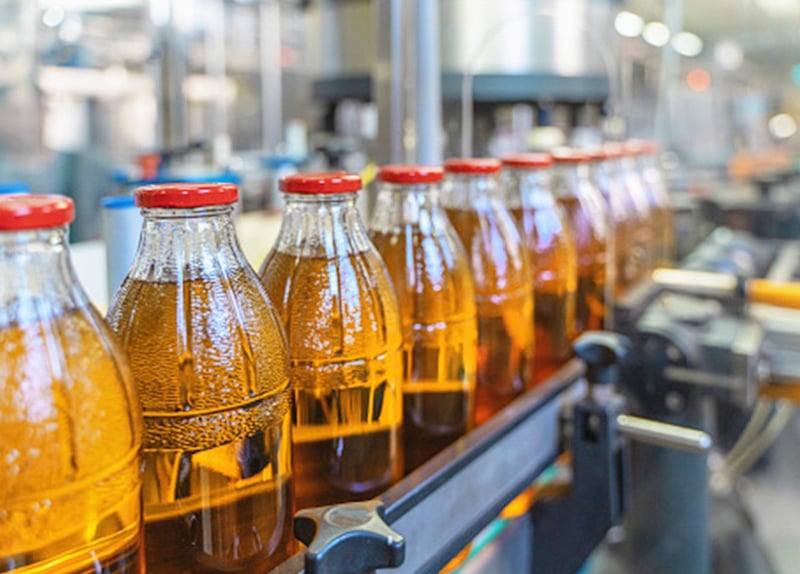
Glass Bottle Juice Filling Machine
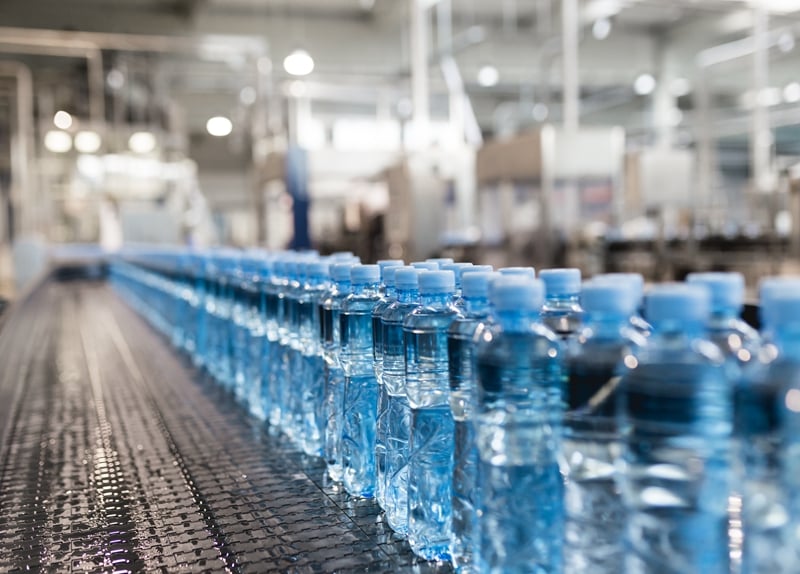
3-in-1 Bottled Water Filling Machine
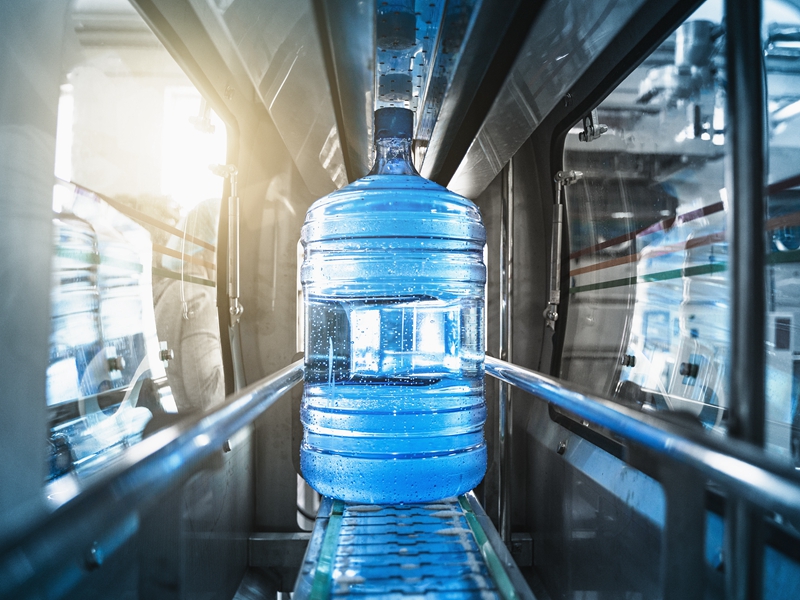
5 Gallon Water Filling Machine
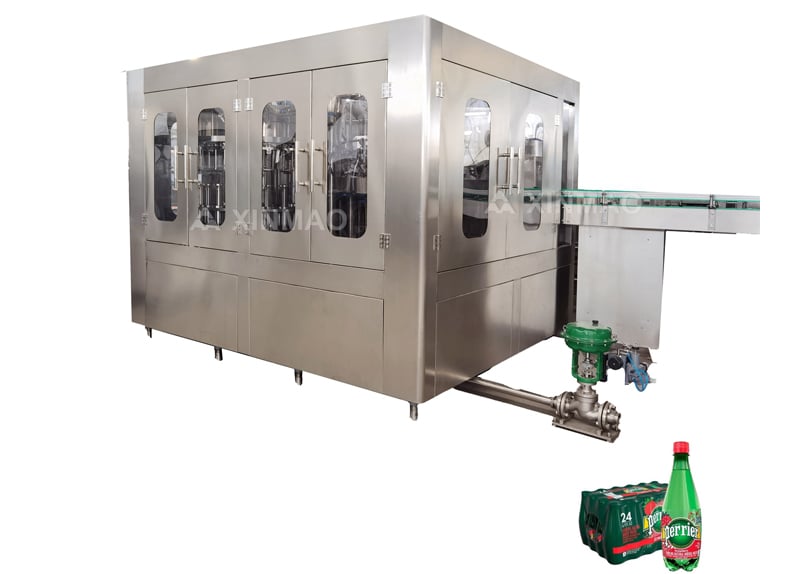
Carbonated Beverages Production Line Soft Drink Sparking Water Bottling Filling Machine

 EN
EN