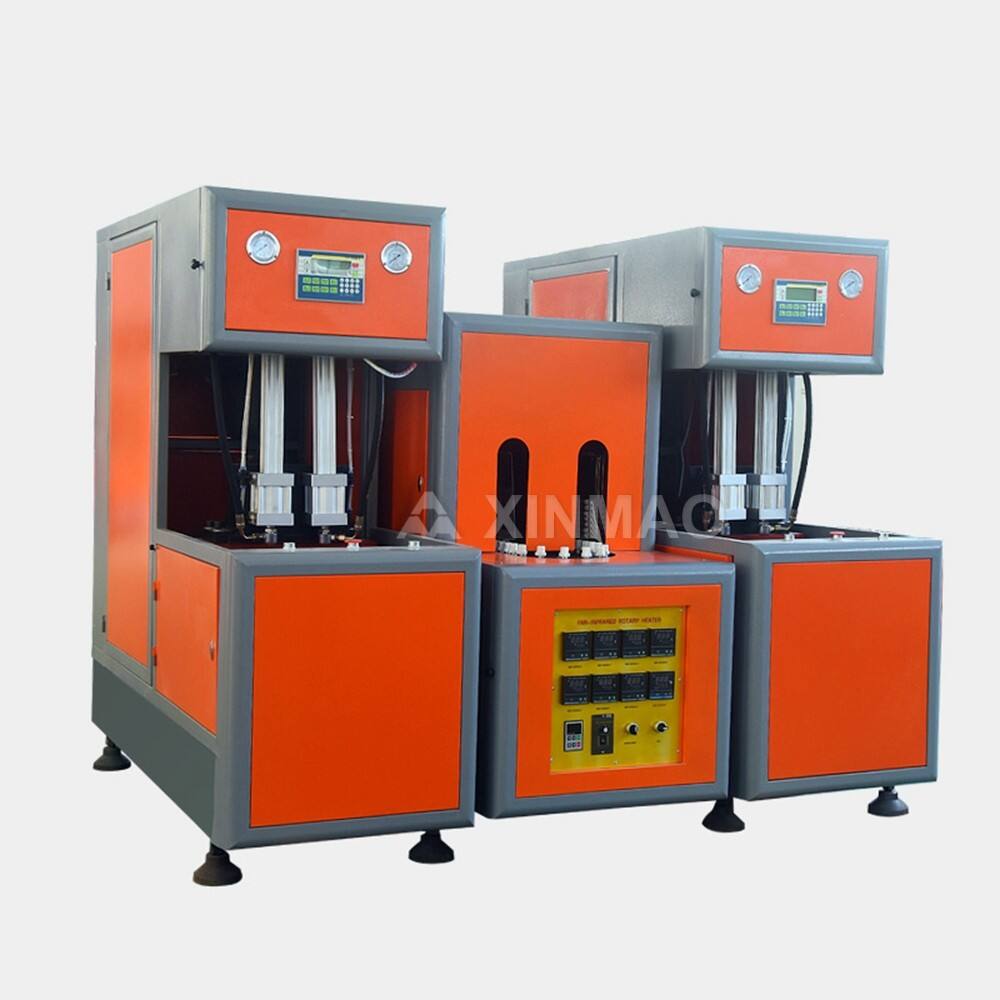
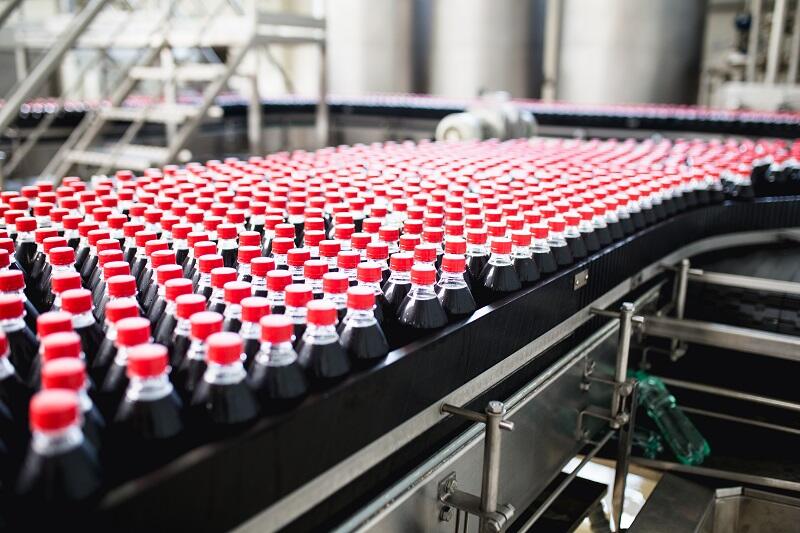
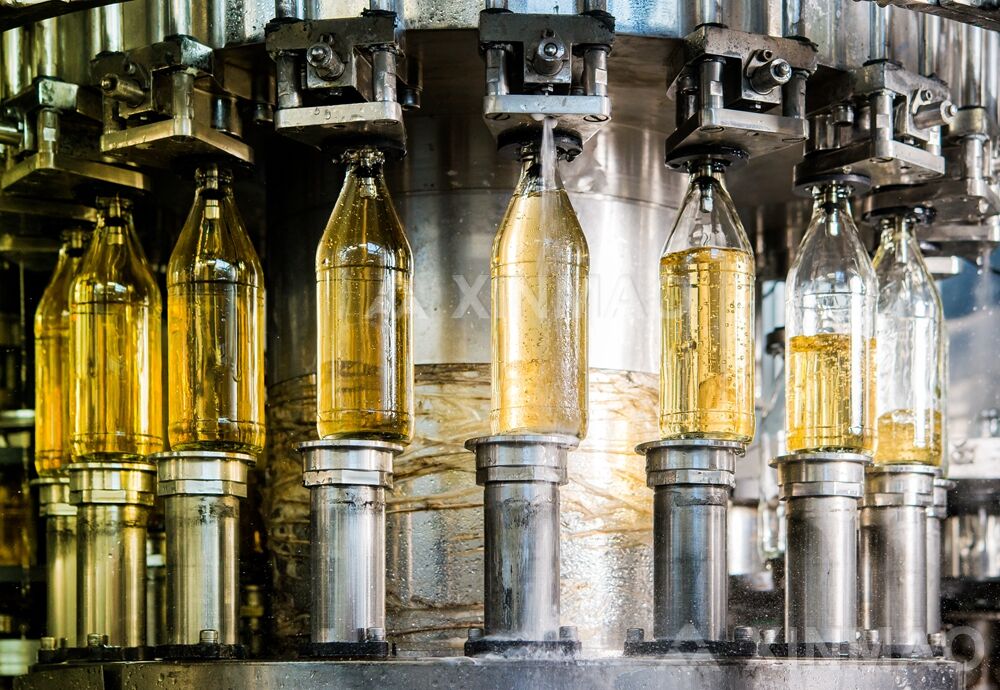
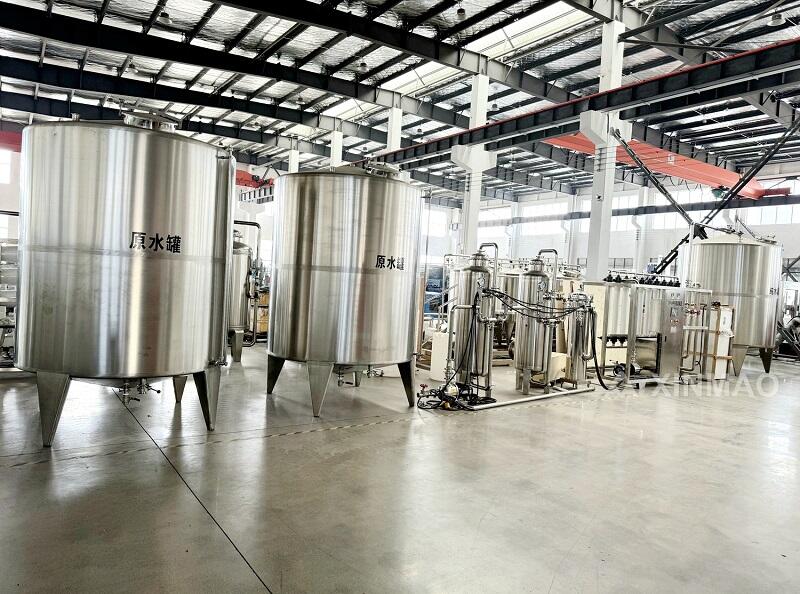
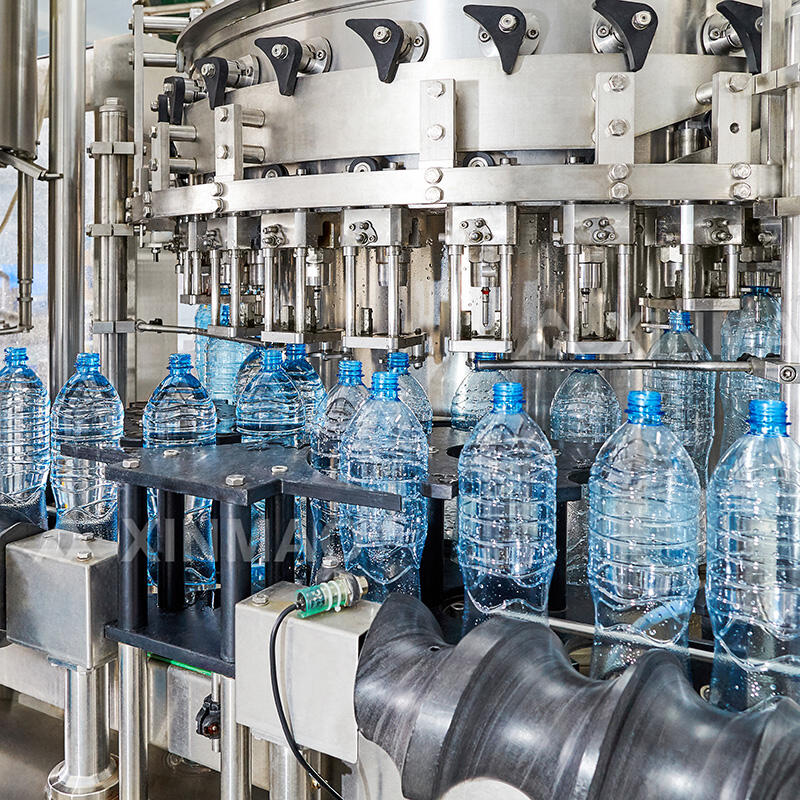
The core mechanical assembly of a water production line revolves around the precise coordination of its key stations: the rinser, the filler, and the capper. The rinser, often using jets of filtered air or a mist of sterile water, ensures each container is clean and dry before entering the filler. The filler itself is the centerpiece of the water production line, typically a rotary carousel with multiple filling valves that open to dispense a pre-set volume of water—via gravity, pressure, or volumetric piston—as bottles rotate underneath. Immediately following filling, bottles are transferred to the capping station within the unified water production line. Here, caps are sorted, oriented, and applied with consistent torque, whether they are screw-on sports caps, press-on flip-tops, or aluminum seals for large jars. The synchronization of these three stations on a common frame (in a monobloc) or via precisely timed conveyors is what defines a smooth and efficient water production line. Any misalignment can lead to spills, jams, or poor seals, underscoring the importance of precision engineering in every component of the water production line to maintain a seamless and uninterrupted production flow.
12
Dec
12
Dec
12
Dec
28
Oct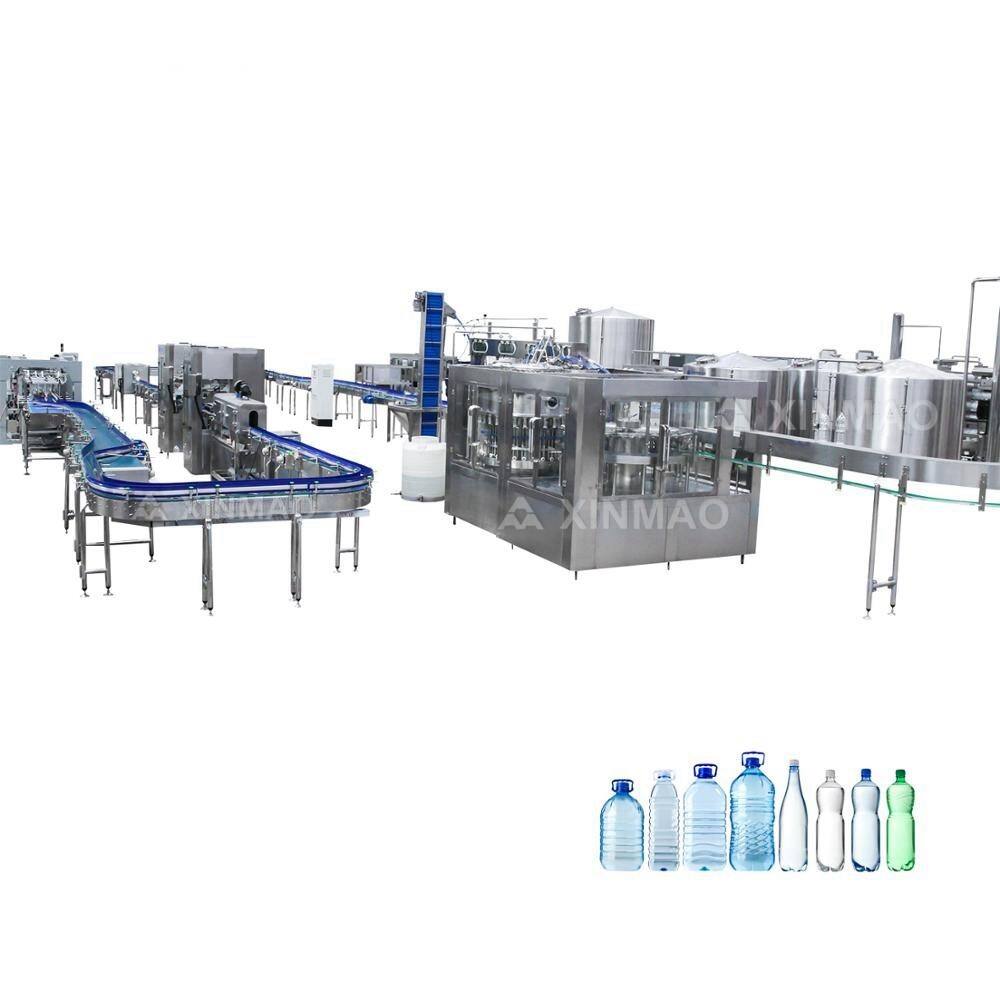
 EN
EN