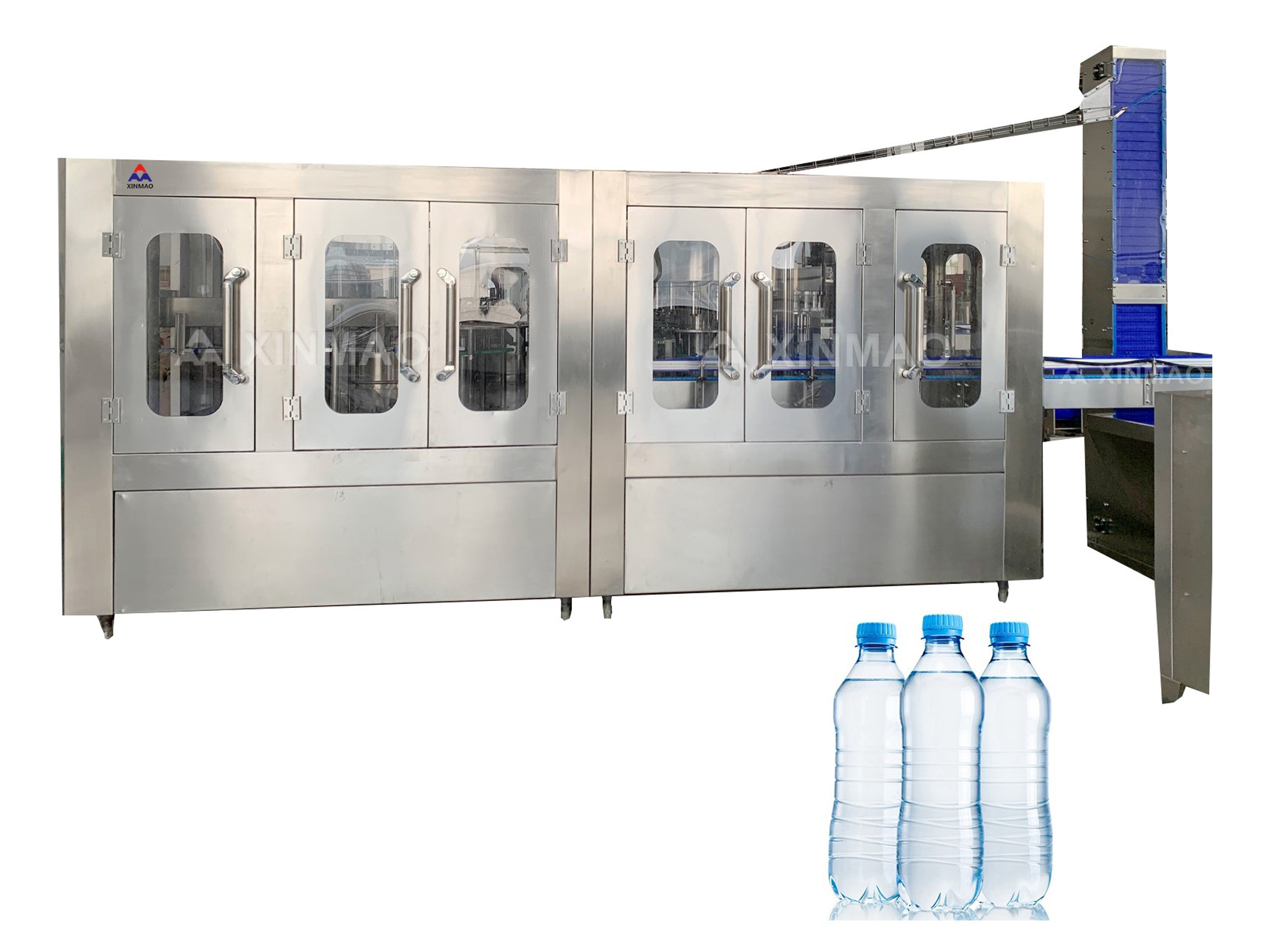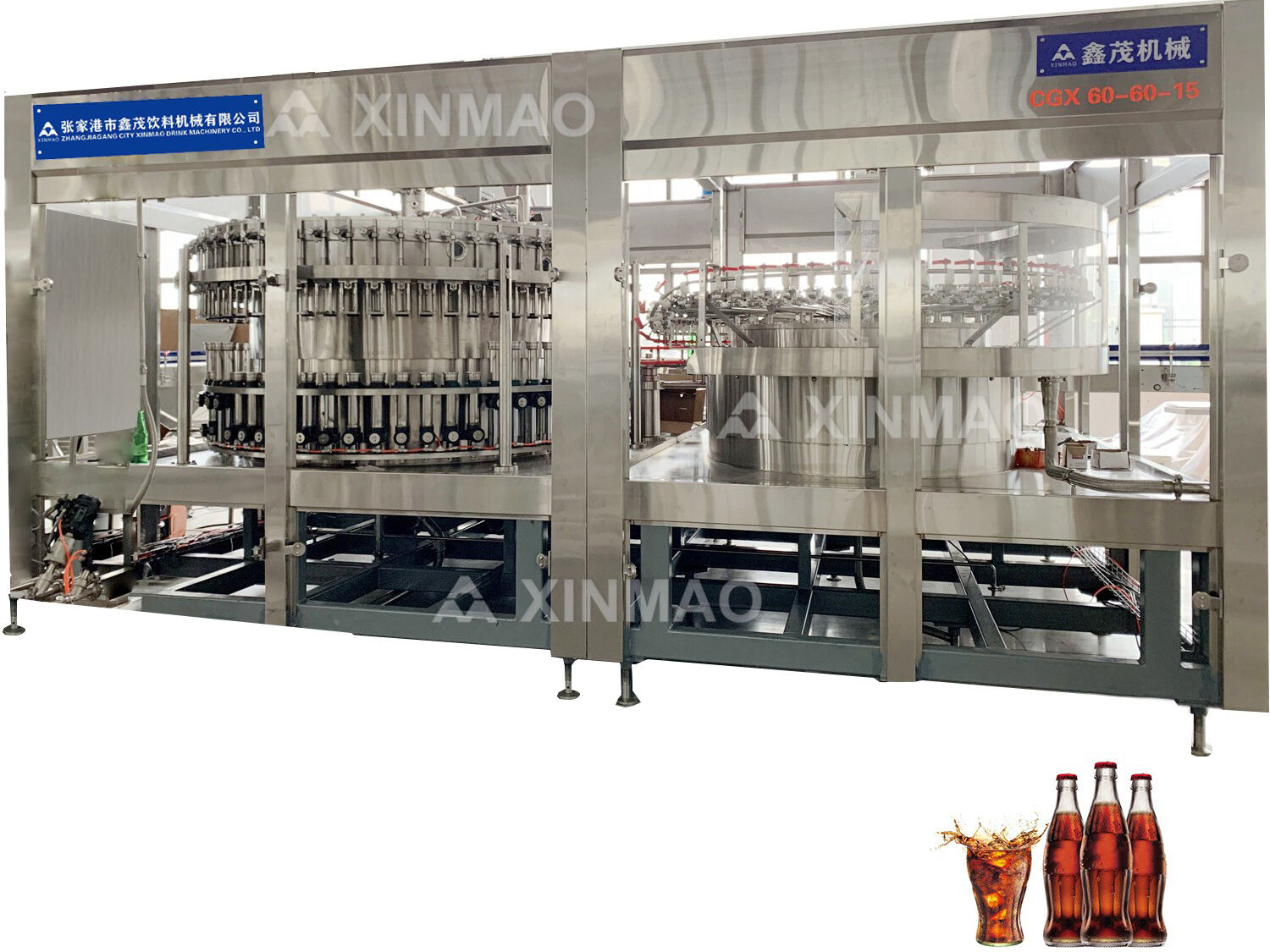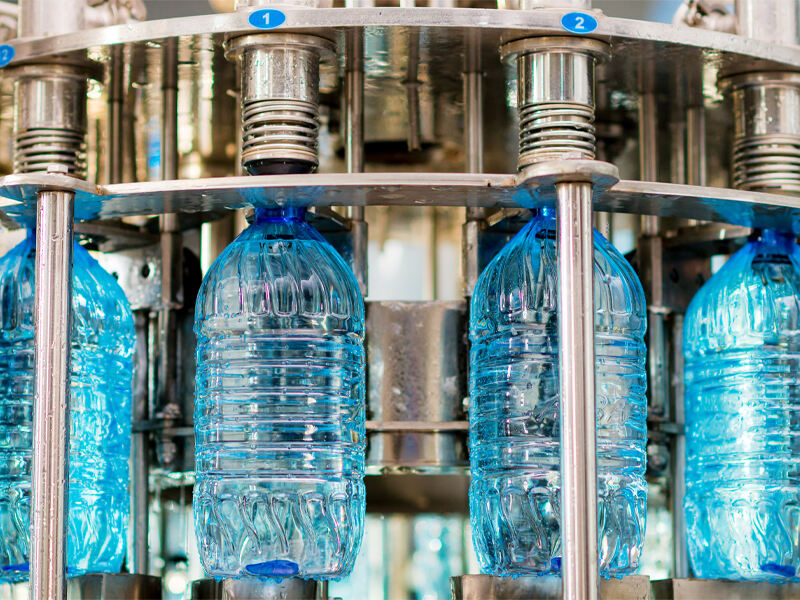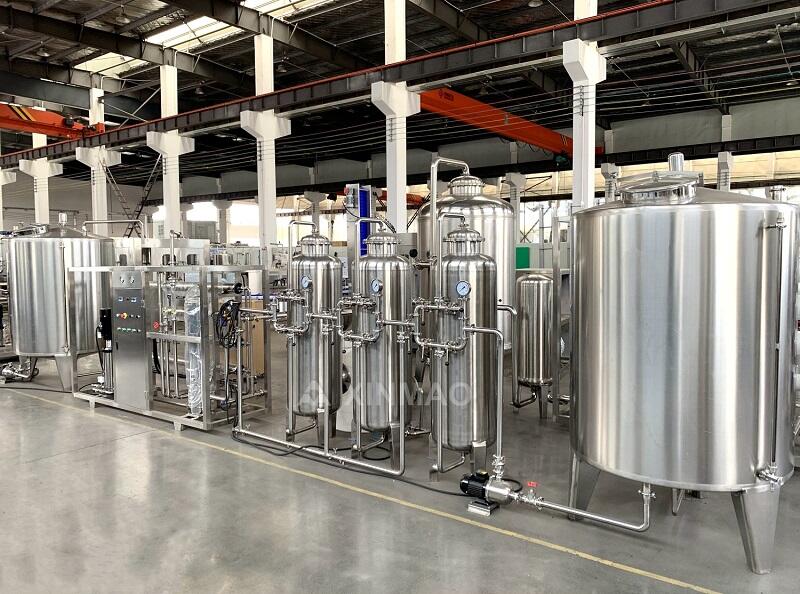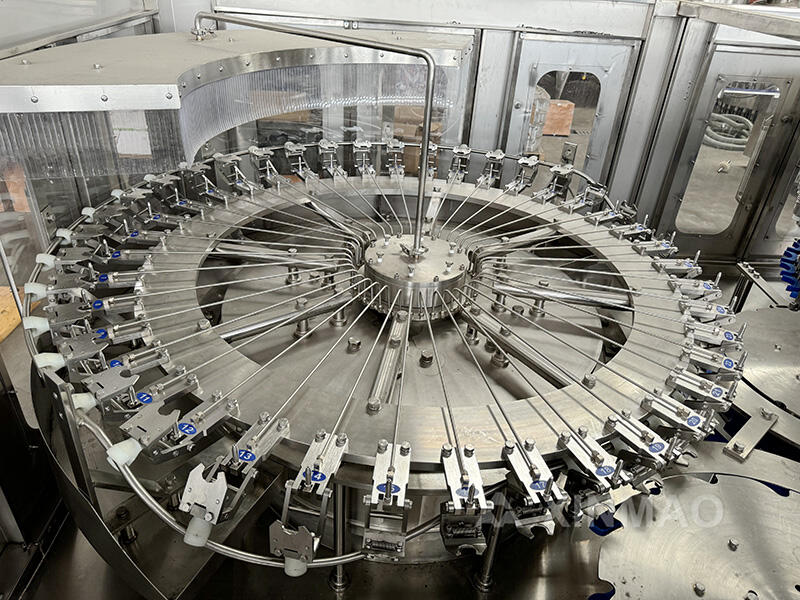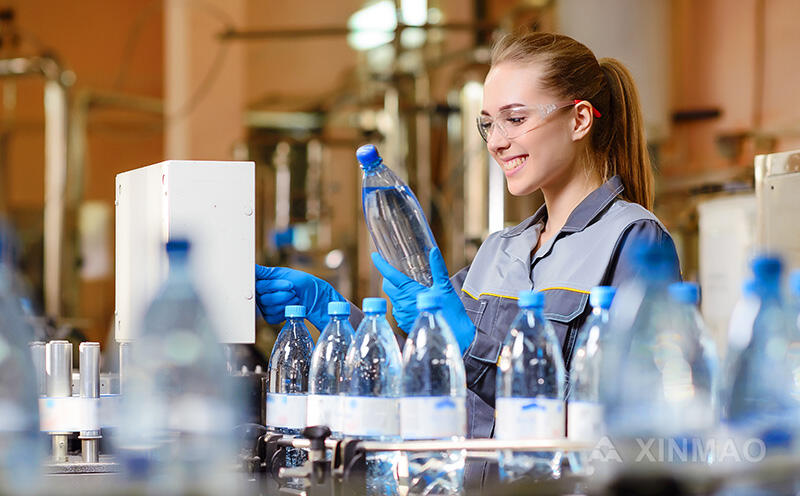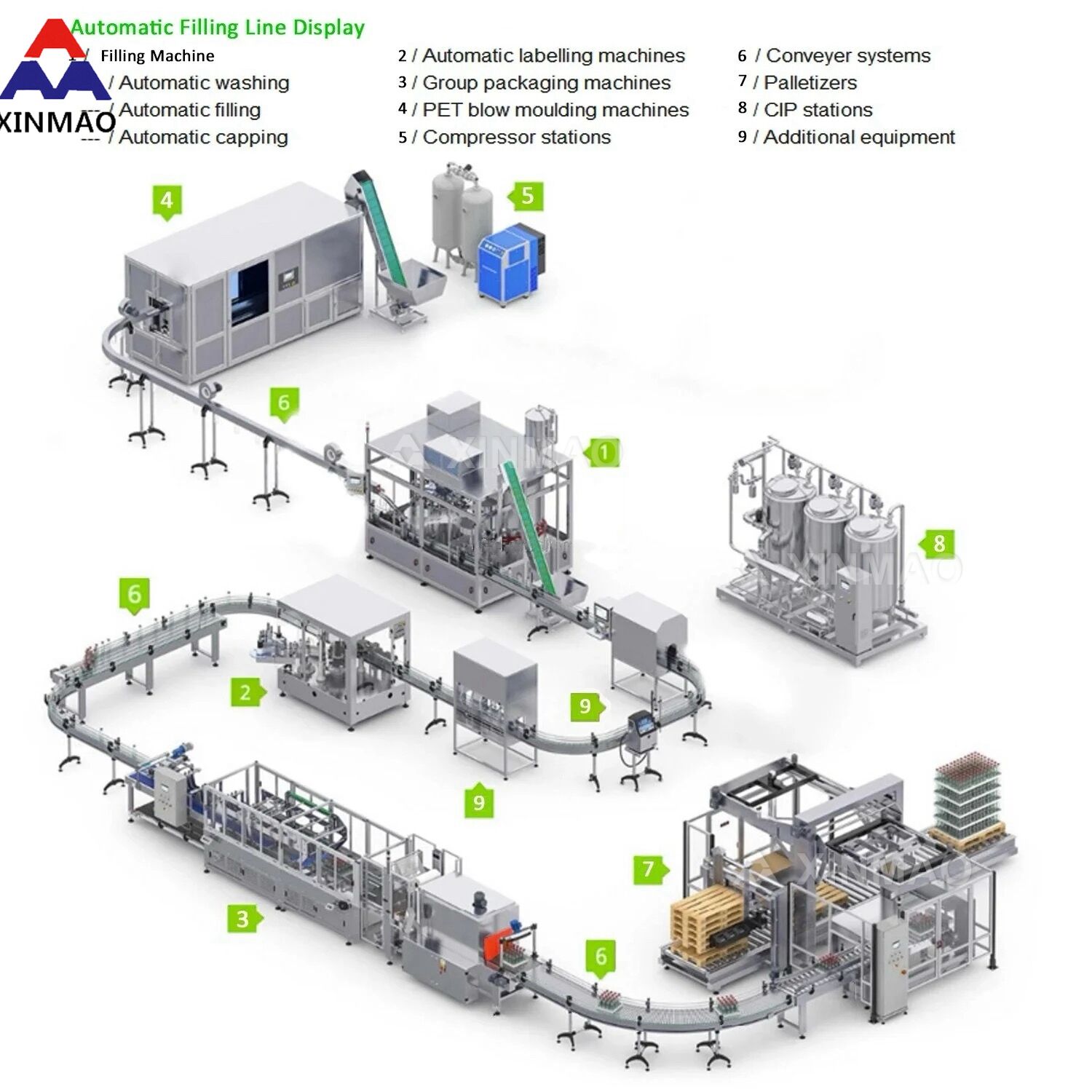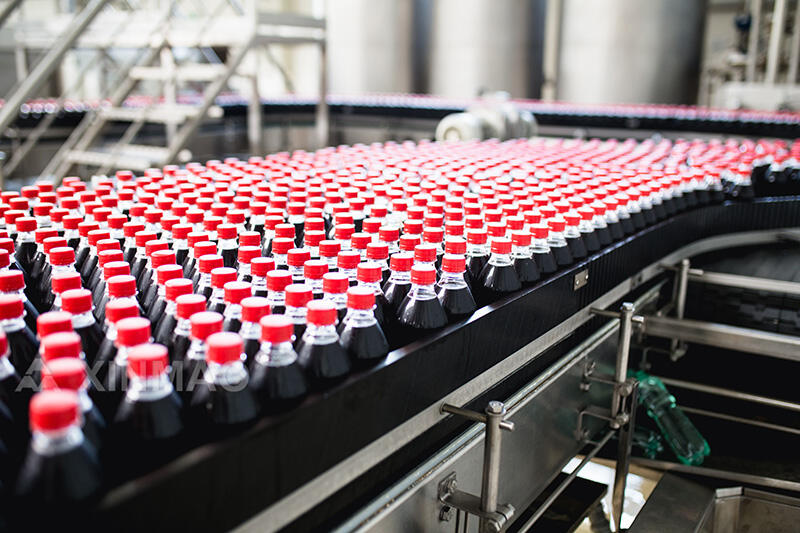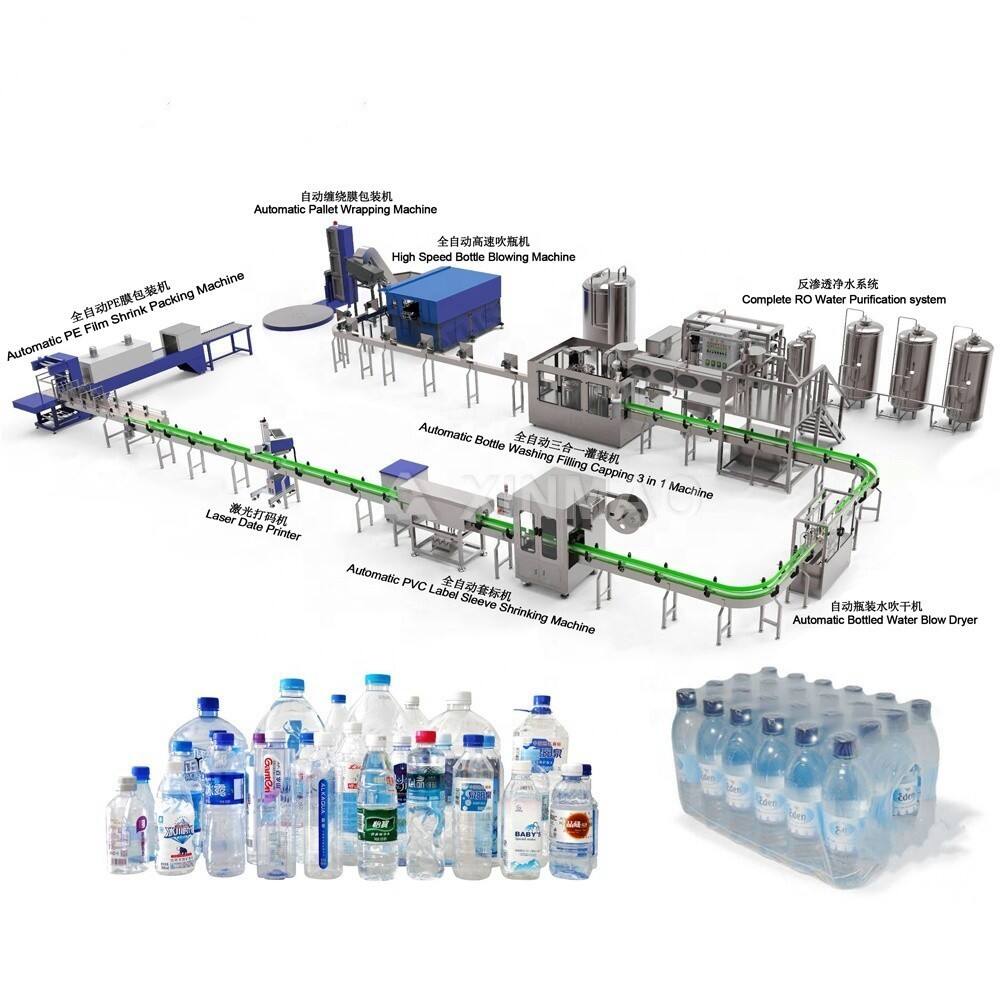
A water filling line represents the integrated assembly of machinery designed for the complete, automated production of bottled water, transforming empty containers into sealed, labeled, and packaged products ready for distribution. At its core, a standard water filling line for still water typically includes an air conveyor or unscrambler to organize bottles, an air or water rinser for internal cleaning, a gravity or atmospheric pressure filler as the central component, a screw capping machine, a label applicator, and a final packaging system such as a shrink wrapper. The efficiency of the entire water filling line hinges on the perfect synchronization of these modules via a central programmable logic controller (PLC), which manages the conveyor speed and machine cycles to prevent bottlenecks. When planning a water filling line, key considerations are the target output capacity—which can range from a few thousand to over thirty-six thousand bottles per hour—the bottle sizes and materials (e.g., PET, glass), and the desired level of automation. Investing in a well-engineered water filling line from an experienced supplier is fundamental for achieving consistent product quality, maximizing production uptime, and ensuring a strong return on investment in the competitive bottled water market.
 EN
EN