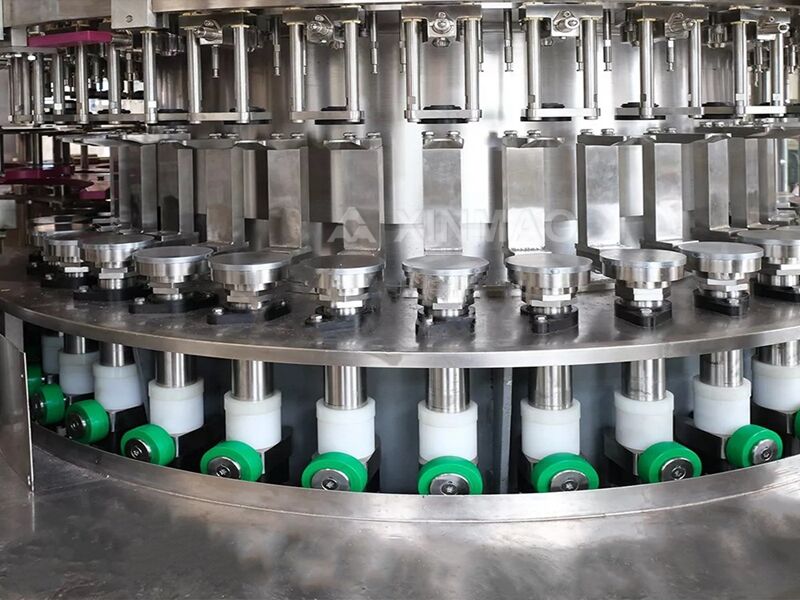
مشروبات کے بھرنے والے مشینوں کے بنیادی صحت مند ڈیزائن کے اصول
مایکروبیل کے پناہ گاہوں کا خاتمہ: دراڑیں، مردہ حصے، اور غیر نکاسی سطحیں
مشروبات کے بھرنے کے آلات کی تعمیر کرتے وقت، سب سے بڑا چیلنج ان چھوٹے چھوٹے مقامات کو ختم کرنا ہوتا ہے جہاں نقصان دہ بیکٹیریا رہنے کو ترجیح دیتے ہیں۔ اسے دیکھیں کہ گاسکٹ کے نیچے یا دھاگے والے کنکشن کے اردگرد کے چھوٹے سے فاصلوں میں اور جیسے ہی زیادہ عرصہ گزرتا ہے، وہاں جاندار مواد کو ہموار سطحوں کے مقابلے میں تقریباً پانچ گنا زیادہ دیر تک رکھا جا سکتا ہے۔ اور پائپوں میں ان 'مردہ اختتامی نقاط' کے بارے میں تو میں بات ہی نہیں کر سکتا جہاں پانی صرف اکٹھا ہو جاتا ہے، جس سے لسٹیریا کے لیے مثالی تولیدی ماحول بنتا ہے جو ہفتہ بھر تک باقی رہ سکتا ہے۔ مناسب طریقے سے نہ نکلنے والی سطحیں بھی اتنی ہی پریشان کن ہوتی ہیں، جو ہر پیداواری دور کے بعد فی مربع سینٹی میٹر میں ہزاروں بیکٹیریا جمع کر لیتی ہیں۔ ان تمام مسائل کا مقابلہ کرنے کے لیے، جدید ڈیزائن میں اب بے دراز مکمل نفوذ والے ویلڈ، مناسب نکاسی کے لیے کم از کم ایک درجہ کا جھکاؤ، اور 3 ملی میٹر سے بڑے گول کونے شامل ہیں۔ یہ تبدیلیاں نہ صرف رسوب کی تشکیل روکتی ہیں بلکہ صفائی کا وقت بھی تقریباً 40 فیصد تک کم کر دیتی ہیں۔ یہ تمام بہتریاں EHEDG کی سخت ضروریات کو پورا کرتی ہیں، جس کا بنیادی طور پر یہ مطلب ہے کہ کسی بھی مائع غذائی پروسیسنگ فیکٹری میں مائیکرو بیئرز کے لیے کوئی چھپنے کی جگہ موجود نہیں ہونی چاہیے۔
بایوفلم کی روک تھام بہترین جیومیٹری اور سطح کے اختتام (Ra ≤ 0.4 µm) کے ذریعے
چھوٹی سطحی خامیاں درحقیقت بایوفلمز کو جڑنے کا موقع فراہم کرتی ہیں، جو اس بات کی ایک اہم وجوہات میں سے ایک ہے کہ مصنوعات کو واپس بلایا جاتا ہے۔ جب سطحیں تقریباً ۰٫۴ مائیکرون (Ra) کی خشونت تک پالش کی جاتی ہیں تو بیکٹیریا ان پر اُن کے عام صنعتی معیار ۰٫۸ مائیکرون کے مقابلے میں تقریباً ۸۲ فیصد کم چپکتے ہیں۔ الیکٹرو کیمیکل تصفیہ یا ہیرے کی پالش جیسے طریقوں کے ذریعے اس انتہائی ہموار ختم کو حاصل کرنا ان چھوٹی سی درازیوں کو ختم کرنے میں مدد دیتا ہے جہاں مائیکروبز چپکنے کی عادت رکھتے ہیں۔ دیگر ڈیزائن کے بہتری کے اقدامات بھی اہم ہیں۔ تیز کونوں کے بجائے گول شکلوں کا استعمال صفائی کو آسان بناتا ہے۔ سیلز کے قریب وہ تاریک جگہیں ختم کرنا جہاں جراثیم چھپتے ہیں، بھی مؤثر ثابت ہوتا ہے۔ اس علاقوں میں جہاں سیال مصنوعات کے رابطے میں آتے ہیں، انہیں کم از کم ۱٫۵ میٹر فی سیکنڈ کی رفتار سے حرکت میں رکھنا بھی بیکٹیریا کے بسیر ہونے کو روکتا ہے۔ ان تمام اقدامات کو ۳۱۶L سٹین لیس سٹیل کی زنگ نہ لگنے کے خلاف قدرتی مقاومت کے ساتھ ملانے سے معیاری صفائی کے عمل کے ذریعے تقریباً تمام مائیکروبز کو ختم کیا جا سکتا ہے، جو کہ صنعت کاروں کے لیے مستقل آلودگی کے مسائل سے بچنے کے لیے بہت ضروری ہے۔
مشروبات کے بھرنے والی مشین کی صفائی کے لیے مواد کا انتخاب اور سطح کا انجینئرنگ
316L سٹین لیس سٹیل اور FDA کے مطابق الیسٹومرز کیوں غیر قابلِ ترک ہیں
ہم جو مواد اپنے آلات کے لیے منتخب کرتے ہیں، وہ صفائی برقرار رکھنے کے معاملے میں فرق طے کرتا ہے۔ مثال کے طور پر، 316L سٹین لیس سٹیل کو دیکھیں۔ اس کا بہت کم کاربن مواد ان ناپسندیدہ خالوں (پِٹس) کے تشکیل پانے کو روکتا ہے جہاں بدترین بیکٹیریا رہنا پسند کرتے ہیں۔ اس کے علاوہ، جب اسے تقریباً 0.4 مائیکرون کی خشونت کے اوسط درجہ تک پالش کیا جاتا ہے تو یہ مائیکرو بیوز کے چپکنے کے لیے بنیادی طور پر 'نہ' کہہ دیتا ہے۔ ہم یہاں سنجیدہ معاملے کی بات کر رہے ہیں، کیونکہ اگر اسے غیر نگرانی میں چھوڑ دیا جائے تو بائیو فلمز صرف دو دن کے اندر اُگنے لگتی ہیں۔ ربر کے اجزاء کو بھی مت بھولیں۔ امریکہ کی غذائی ادویات کی انتظامیہ (FDA) کی منظور شدہ ربر کے اجزاء ہماری مصنوعات میں کیمیائی اجزاء کے داخل ہونے نہیں دیتے اور وہ شدید صفائی کے دوران بہت بہتر طریقے سے برداشت کرتے ہیں۔ صنعت بھر کے اعداد و شمار کو دیکھتے ہوئے، تمام آلودگی کے مسائل کا تقریباً ایک تہائی حصہ غیر معیاری سیلز سے پیدا ہوتا ہے۔ اس لیے یہ مواد کے انتخاب واقعی تین بنیادی تحفظات فراہم کرتے ہیں جنہیں نظرانداز نہیں کیا جا سکتا:
- گلاؤن سے پرہیزگاری اسیدی مشروبات اور شدید صفائی کے ایجنٹس کے خلاف
- غیر مسامی یکجہتی ، سطح کی معیار کو بار بار صاف کرنے اور حرارتی سائیکلنگ کے دوران برقرار رکھنا
- تھرمل استحکام ، 121°سی پر بھاپ کے ذریعے استرلائزیشن کو بغیر کسی خرابی کے جھیلنا
دھاتیات یا پولیمر کی معیار میں کمی لانا بازوئی غیرمطابقت اور اوسطاً 740,000 امریکی ڈالر کے واپسی کے اخراجات (پونیمون انسٹی ٹیوٹ، 2023) کا باعث بن سکتا ہے۔ ہمیشہ 316L مرکب کے لیے مِل سرٹیفیکیٹس اور الیسٹومر کے لیے USP کلاس VI سرٹیفیکیشنز کی تصدیق کریں — یہ فspoilage کے خلاف آپ کی پہلی دفاعی لائن ہے۔
صاف کرنے کے لیے ڈیزائن: مؤثر CIP کو فعال بنانا اور دستی مداخلت کو روکنا
بلا اوزار خودکار خلع، خود-نزولی ڈھال (≥1°)، اور مکمل لائن-آف-سائٹ رسائی
مشروبات کے بھرنے والی مشینوں کو ان دستی صفائی کے خطرات سے نجات حاصل کرنے کی ضرورت ہوتی ہے۔ جب اجزاء کو بغیر کسی آلے کے الگ کیا جا سکتا ہے، تو اب ورنش یا خاص سامان کی ضرورت نہیں رہتی۔ اس سے اشیاء کو دوبارہ جوڑنے کے دوران غلطیوں میں کمی آتی ہے اور آلودگی کے امکانات کو روکا جاتا ہے۔ کچھ تحقیقات سے پتہ چلتا ہے کہ قدیم طریقوں کے مقابلے میں اس طریقہ کار سے بندش کا وقت تقریباً 40 فیصد تک کم کیا جا سکتا ہے۔ خودِ نکاسی کا ڈیزائن، جس میں کم از کم ایک درجہ کا مائل انداز ہو، پانی کے جمع ہونے کو روکتا ہے جہاں بیکٹیریا کی نشوونما ہوتی ہے۔ تحقیق سے ظاہر ہوتا ہے کہ صفائی کے دوران تقریباً 99.8 فیصد مائع باہر نکل جاتا ہے۔ آپریٹرز کو شفاف پینلز اور مناسب مقامات پر لگائے گئے معائنہ نقاط کی بدولت بہتر دیدی صلاحیت حاصل ہوتی ہے۔ وہ والوز اور پائپ کنکشن جیسی مشکل جگہوں پر صفائی کی جانچ بنا کسی چیز کو الگ کیے بغیر کر سکتے ہیں۔ یہ تمام بہتریاں بند حلقہ صفائی کے نظاموں میں ایک ساتھ کام کرتی ہیں جو عمل سے انسانوں کو دور رکھتے ہیں۔ آخرکار، فوڈ سیفٹی جرنل (2023) کے مطابق، صفائی کے بعد آلودگی کے تقریباً 72 فیصد واقعات انسانوں کی ذمہ داری ہوتے ہیں۔ اس کے علاوہ، خودکار صفائی کے پروگرام درجہ حرارت، کیمیائی سطح اور بہاؤ کی شرح کو مناسب طریقے سے برقرار رکھتے ہیں تاکہ صفائی مستقل رہے اور ہر بار آڈٹ کی ضروریات پوری ہوں۔
regulatory compliance اور سرٹیفیکیشن: EHEDG، 3-A، اور مشروبات کے بھرنے والی مشینوں کے لیے عالمی معیارات
غذائی پیداوار میں استعمال ہونے والی مشروبات کے بھرنے والی مشینوں کے معاملے میں بین الاقوامی صفائی کے معیارات کی پابندی لازمی ہے۔ یہاں بڑے نام EHEDG ہیں، جس کا مطلب ہے یورپی ہائجینک انجینئرنگ اینڈ ڈیزائن گروپ، اور 3-A صفائی معیارات۔ یہ سرٹیفیکیشن بنیادی طور پر اہم ڈیزائن کی خصوصیات کو چیک کرتے ہیں، جیسے سطحیں کتنی ہموار ہونی چاہئیں (زیادہ سے زیادہ خشنتا تقریباً 0.4 مائیکرو میٹر)، کون سے مواد غذا کو محفوظ طریقے سے چھو سکتے ہیں، اور تمام اجزاء کو مناسب طریقے سے صاف کرنا کتنا آسان ہے۔ ان ہدایات پر عمل کرنے والے پلانٹس میں عام چیک اپ کے دوران مائیکرو بائیل کے ظاہر ہونے کے مسائل کم ہوتے ہیں۔ ایک صنعتی مطالعہ میں پایا گیا کہ EHEDG سرٹیفائیڈ سامان سے لیس سہولیات میں غیر مطلوبہ آلودگی کے مسائل ان سہولیات کے مقابلے میں تقریباً 70 فیصد کم تھے جن میں مناسب سرٹیفیکیشن موجود نہیں تھی۔ یہ صارفین کے لیے مصنوعات کو محفوظ رکھنے میں بہت بڑا فرق ڈالتا ہے۔
عالمی منڈی کمپنیوں کو ایک ساتھ متعدد ریگولیٹری اداروں کے معیارات پورے کرنے کی طرف دھکیل رہی ہے۔ مثال کے طور پر، آئی ایس او 22000 کے تحت غذائی حفاظت کی ضروریات کے ساتھ ساتھ ایف ڈی اے 21 سی ایف آر 177 سے مواد کی حفاظت کے ہدایات کا احاطہ کرنا۔ دونوں قواعد کے ساتھ ہم آہنگی حاصل کرنا تصدیق (والیڈیشن) کے اخراجات کو تقریباً 40 فیصد تک کم کر دیتا ہے اور نئے منڈیوں میں داخل ہونے کے دوران مصنوعات کو رکاوٹوں سے بچاتا ہے۔ خاص طور پر مشروبات کے شعبے میں کام کرنے والوں کے لیے، مناسب تصدیق یافتہ مشینری میں سرمایہ کاری معقول ہے۔ اس سے نہ صرف مہنگی مصنوعات کی واپسی کو روکا جا سکتا ہے، بلکہ آڈٹ کے موسم کے دوران کام کو آسان بھی بنایا جا سکتا ہے اور ان صارفین کے ساتھ حقیقی اعتماد بھی پیدا کیا جا سکتا ہے جو یہ یقینی بنانا چاہتے ہیں کہ ان کے مشروبات محفوظ ہیں۔ آخرکار، کوئی بھی شخص حفاظتی واقعے کے گڑھے یا برانڈ کی خراب شدہ ساکھ کا مقابلہ کرنا نہیں چاہتا۔
| سرٹیفیکیشن | سکوپ | اہم تصدیق کے معیارات |
|---|---|---|
| ای ہی ڈی جی | حفظان صحت کے ڈیزائن | سطح کا اختتام، مردہ جگہوں کا خاتمہ، سی آئی پی کی مؤثریت |
| 3-ای سینیٹری | دودھ/مشروبات | مواد کی حفاظت، صفائی کی صلاحیت، نکاسی کی صلاحیت |
| آئی ایس او 22000 | غذائی حفاظت کے نظام | خطرات کا انتظام، ٹریس ایبلٹی، ایچ اے سی سی پی کا اندراج |
تیسرے فریق کی تصدیق اب بھی ضروری ہے: مشروبات کے اداروں میں ایف ڈی اے کے ریگولیٹری اقدامات کا 58% غیرمطابقت پذیر سامان کی وجہ سے ہوتا ہے۔ موجودہ سرٹیفیکیشنز حاصل کرنے والی مشینیں مصنوعات کے روکے جانے کے وقت اور ماحولیاتی نگرانی کی ناکامیوں میں قابلِ قیاس کمی کو ظاہر کرتی ہیں۔
اکثر پوچھے جانے والے سوالات کا سیکشن
مشروبات کی بھرنے والی مشینوں کے لیے ای ایچ ای ڈی جی سرٹیفیکیشن میں کیا شامل ہے؟
ای ایچ ای ڈی جی سرٹیفیکیشن یقینی بناتی ہے کہ مشروبات کی بھرنے والی مشینیں صفائی کے معیارات پر پورا اتریں۔ اس میں مائیکروبیل کے پناہ گاہوں کا خاتمہ، صفائی کے عمل کو بہتر بنانا، اور 316L سٹین لیس سٹیل جیسے مناسب مواد کا استعمال شامل ہیں۔
بھرنے والی مشینوں میں صفائی کے لیے 316L سٹین لیس سٹیل کو ترجیح کیوں دی جاتی ہے؟
316L سٹینلیس سٹیل کو ترجیح دی جاتی ہے کیونکہ اس کا کم کاربن مواد بیکٹیریل گڑھے بننے سے روکتا ہے۔ جب 0.4 مائکرون کے کھردرے پن پر پالش کیا جاتا ہے، تو یہ بیکٹیریا کے چپکنے کے خلاف مزاحم ہوتا ہے، جس سے آلودگی کو روکنے میں مدد ملتی ہے۔
ای ایچ ای ڈی جی اور 3-اے جیسی سرٹیفیکیشنز مشروبات کے پیداوار کاروں کو کیسے فائدہ پہنچاتی ہیں؟
سرٹیفیکیشنز جیسے EHEDG اور 3-A پیدا کرنے والوں کو بین الاقوامی صفائی کے معیارات کے مطابق عمل کرنے میں مدد دیتی ہیں، جس سے آلودگی اور واپسی کے خطرات کو کم کیا جاتا ہے، اور صارفین کی حفاظت کو یقینی بنایا جاتا ہے جس سے برانڈ پر اعتماد بڑھتا ہے۔
موضوعات کی فہرست
- مشروبات کے بھرنے والے مشینوں کے بنیادی صحت مند ڈیزائن کے اصول
- مشروبات کے بھرنے والی مشین کی صفائی کے لیے مواد کا انتخاب اور سطح کا انجینئرنگ
- صاف کرنے کے لیے ڈیزائن: مؤثر CIP کو فعال بنانا اور دستی مداخلت کو روکنا
- regulatory compliance اور سرٹیفیکیشن: EHEDG، 3-A، اور مشروبات کے بھرنے والی مشینوں کے لیے عالمی معیارات
- اکثر پوچھے جانے والے سوالات کا سیکشن