Fluid Physics and Operational Simplicity
The Principle of Atmospheric Equilibrium
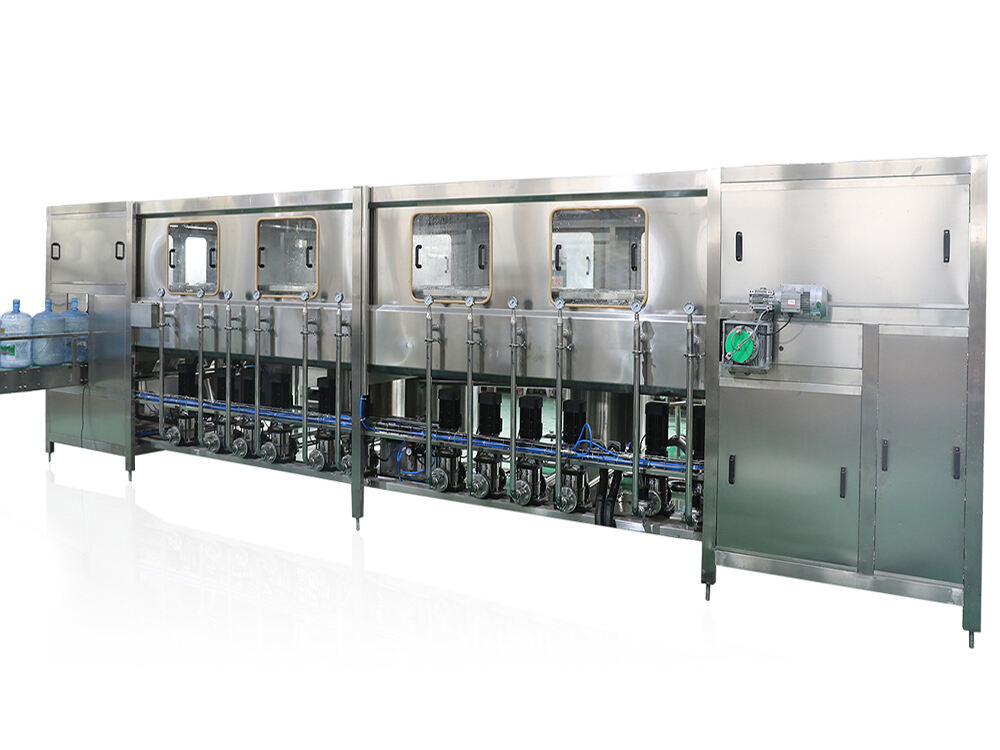
Operating a small-scale production facility requires a strategic balance between mechanical reliability and initial capital outlays. In the realm of liquid packaging, atmospheric gravity filling stands out as a foundational method grounded in pure fluid physics. Field observations of packaging floor optimizations consistently show that the most persistent operational bottlenecks in scaling plants stem from overly complex mechanical linkages. A gravity filling system bypasses this vulnerability by utilizing the natural gravitational pull acting on the liquid mass. The product is held in an overhead supply reservoir, and when the pneumatic filling valves actuate, atmospheric equilibrium allows the fluid to seek its own level, dropping cleanly into the waiting containers. Because the system does not rely on pressurized holding tanks or complex vacuum lines, the mechanical stress on the machinery is drastically minimized. This mechanical simplicity translates directly to predictable uptime on the factory floor, a factor that experienced plant managers value far more than intricate, sensitive automation suites that require specialized programming to maintain.
Fluid Mechanics in Low-Viscosity Operations
Understanding the rheological behavior of thin liquids is essential for preventing product loss and maintaining steady fill volumes. For free-flowing, low-viscosity fluids such as spring water, specialized chemical solutions, and aqueous thin distillates, high-pressure pump systems often introduce unwanted kinetic energy. This excess energy causes turbulent flow profiles within the filling nozzle, leading to severe foaming and inconsistent liquid levels due to air entrapment. Gravity-driven fluid mechanics resolve this issue by ensuring a laminar flow regime—a smooth, parallel pathway of liquid molecules descending into the bottle. By utilizing a constant-head tank design, where the liquid level in the upper reservoir is kept uniform by a float switch or an overflow return loop, the hydrostatic pressure at the filling nozzle remains constant. According to Torricelli's law, the velocity of the fluid efflux is directly proportional to the square root of the liquid height. By standardizing this height, small facilities can achieve exceptional volumetric accuracy without relying on expensive mass flow meters or sensitive load cells that are easily thrown off by factory floor vibrations.
Economic Viability and Quality Maintenance
Capital Expenditure and Maintenance Realities
For expanding enterprises, managing capital expenditure (CAPEX) alongside long-term operational expenditure (OPEX) determines the overall survival of the production line. Piston fillers and rotary vacuum systems demand a substantial initial investment and require highly trained technicians for routine tear-downs and seal replacements. Gravity fillers, by contrast, present a highly favorable total cost of ownership. The fluid path is remarkably straightforward, typically running from an upper reservoir through a sanitary silicone or Teflon hose straight to the stainless steel filling nozzles. Cleaning-in-Place (CIP) procedures become simple and reliable, as the entire system can be flushed using gravity or a low-pressure sanitation pump, eliminating the deep, hidden crevices where bacterial bio-films tend to accumulate in complex pump systems. This ease of sanitation drastically reduces the hours spent on changeovers, allowing production staff to shift between different batches without risking cross-contamination. This creates a highly stable, transparent manufacturing environment where operational risks are mitigated through intelligent mechanical design rather than continuous financial reinvestment.
Sustaining Product Integrity Across Batches
Maintaining the exact sensory profile and chemical purity of a liquid product from the first bottle to the last is a cornerstone of brand building. When liquids are forced through high-shear mechanical pumps, they experience intense physical friction, which can elevate product temperatures or cause mechanical aeration. For delicate formulations, this aeration introduces oxygen deep into the matrix, accelerating oxidative degradation and significantly shortening the shelf life of the product on retail shelves. The gentle descent of an atmospheric gravity filler treats the product with the utmost care, preserving volatile top notes and preventing the separation of delicate emulsions. Securing this level of product integrity over millions of container cycles demands partnering with a machinery manufacturer that possesses deep engineering pedigree and a highly robust component supply chain. This is precisely where XMFILLER establishes its value for growing enterprises globally. By utilizing precision-machined stainless steel contact components and robust fluid control architectures, XMFILLER provides production facilities with the dependable mechanical hardware required to stabilize production lines and secure strict batch-to-batch consistency across diverse operating environments.
Addressing Common Production Queries
Clarifying Common Operational Variables
What type of liquids are best suited for an atmospheric gravity filling system? Atmospheric gravity systems perform exceptionally well with free-flowing, thin liquids that do not change viscosity when subjected to temperature shifts. Examples include natural spring water, thin aqueous chemical compounds, non-pulp juices, and light spirits. If a liquid cannot pour easily from a standard beaker, it typically requires a piston or pressure-assisted filling method.
How does container shape and rigidity affect the accuracy of a gravity filler? Unlike vacuum filling systems, which require a rigid container to withstand internal pressure drops without collapsing, gravity filling is completely non-destructive to the packaging material. The process relies on time-gravity principles or level-sensing fill nozzles, meaning thin-walled PET bottles, flexible pouches, glass jars, and aluminum cans can all be processed with identical volumetric precision.
Can a gravity filling setup handle variations in container neck diameters? Yes, the system is adaptable through the selection of appropriate nozzle outer diameters. The filling nozzles are engineered to seal against the container finish or descend past the bottleneck to establish an internal venting path, which allows air to escape as the liquid enters, ensuring a smooth fill regardless of minor container variations.