Engineering Challenges in Eco-Friendly Lightweight Beverage Packaging
Operational Vulnerabilities of Thin-Walled Containers and Water Bottling Machine Calibration
Transitioning commercial production lines to sustainable packaging formats introduces complex physical dynamics that conventional packaging hardware cannot safely manage. When water brands reduce plastic container weight to minimize carbon footprints and lower raw material expenses, structural rigidity drops dramatically. Standard filling systems built for heavy plastic housings often crush thin-walled containers during high-speed production cycles. Integrating a highly precise, specialized water bottling machine addresses these physical limitations by modifying pressure dynamics and structural handling methods during the fluid injection process. Relying on outdated mechanical gear systems instead of precise electronic controls causes immediate container deformation, resulting in expensive product loss, line stoppages, and unscheduled maintenance intervals.
Analyzing Top-Load Pressure Failures and Fluid Spillage Hazards
A major operational hurdle when handling thin-walled packaging involves the top-load compression force applied during the mechanical neck sealing and capping phases. Standard filling lines apply vertical force to compress internal sealing gaskets, which instantly buckles ultra-lightweight containers lacking thick structural walls. When a bottle collapses during production, liquid spills into critical conveyor components and sensitive sensor arrays, forcing immediate factory cleaning shutdowns. Investing in an advanced water bottling machine prevents these alignment errors by utilizing low-impact pneumatic sealing heads. Uncontrolled spillage introduces significant chemical cross-contamination and bacterial risks if sugary formulas or unsterilized water accumulate within hard-to-reach machine cavities. For high-volume manufacturing facilities, constant bottle deformation leads to regulatory safety compliance failures and erodes wholesale distributor trust due to inconsistent seal integrity.
Sustainable Packaging Migration: Real-World Bottled Water Factory Case Study
Practical application within automated production spaces demonstrates the economic benefits of adapting filling systems to advanced packaging styles. A major regional beverage supplier handling pure spring water distribution audited its high-speed packaging lines after discovering a twelve percent scrap rate following a shift to a new twelve-gram sustainable container. The existing production asset relied on standard mechanical fill valves that forced compressed air into the containers, causing immediate wall blowout and unaligned capping seals. The operations team resolved this waste issue by integrating a new water bottling machine system featuring continuous neck-hanging transport tracks and low-impact servo-driven filling valves. Within ninety days of implementing this targeted solution, the processing plant dropped its container reject rate below zero point one percent while increasing overall operational efficiency by eighteen percent. The system change preserved structural seal consistency and passed strict distribution drop-tests.
Technical Mechanisms of Precision Gravity and Flowmeter Filling
The Physics of Positive-Pressure Neck-Hanging Transport Mechanics
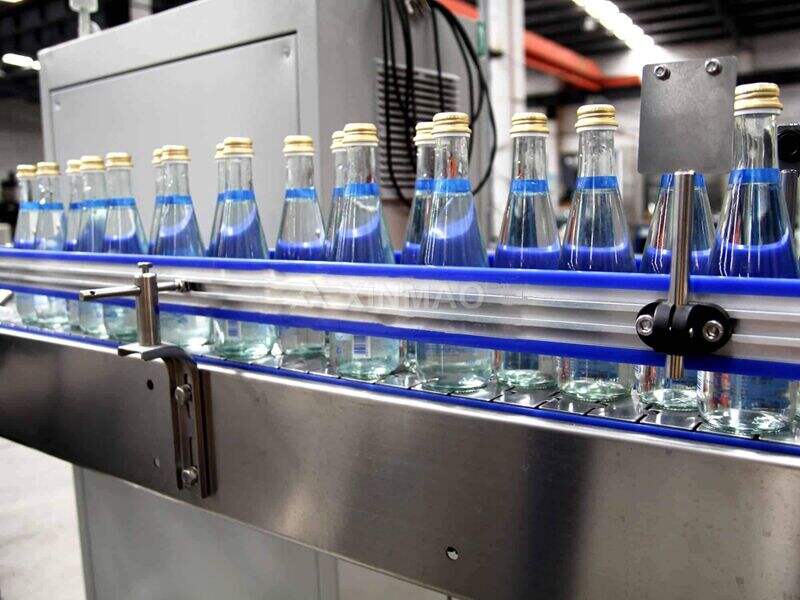
Preventing structural collapse in flexible, ultra-thin containers requires a completely fresh approach to automated material handling design. Instead of moving containers by supporting the base, high-performance liquid filling arrays within a modern water bottling machine utilize rigid neck-hanging plates that lock into the neck ring beneath the cap threads. The mechanical system uses automated pneumatics to glide containers along low-friction stainless steel side rails, eliminating vertical compression forces during transport. This architecture ensures that thin plastic walls never bear the weight of the fluid or the downward pressure of the capping head, completely protecting the container structure from structural deformation throughout the entire production cycle.
Electronic Flowmeter Controls and Low-Impact Fluid Inversion
Achieving uniform volumetric fill levels without introducing high inner pressures requires advanced inductive or mass flowmeter tracking technologies. Rather than relying on traditional mechanical displacement level probes that enter the bottle neck, electronic sensors on a high-speed water bottling machine measure liquid volume externally before injection. The filling cycle operates using multi-stage servo valves that deliver a fast initial flow followed by a gentle finish, keeping splashing and foaming near zero. By managing fluid velocity electronically, the system prevents dangerous internal pressure spikes from warping the thin plastic structure, ensuring an identical fill level across every batch without stressing the packaging.
Harmonizing Production Equipment with Global Sanitary Frameworks
Procuring advanced packaging infrastructure for eco-friendly consumer goods demands full compliance with international engineering safety systems, cleanability protocols, and material manufacturing standards. Standard organizations like ISO 9001 quality management rules, European CE health regulations, and global safety standards establish strict guidelines for fluid-contact component designs. Every advanced water bottling machine handling purified water must incorporate non-porous Type 316L stainless steel alloys and automated Clean-In-Place (CIP) piping paths to prevent bacterial growth. This engineering discipline ensures that automated machinery withstands aggressive chemical sanitizers without leaking metal traces or micro-particles into the drinking water, passing third-party safety audits.
Strategic Procurement Frameworks and Lifetime Sourcing Practices
Critical Technical Metrics for Sustainable Bottling Plant Investment
Selecting a dependable liquid packaging manufacturing partner requires evaluating mechanical assembly tolerances, sensor tracking networks, and structural flexibility options rather than looking at low-grade, uncertified alternatives. Production specialists must verify that a supplier provides integrated torque monitoring on capping heads to prevent stripping thread patterns on soft, lightweight neck designs. Selecting a versatile water bottling machine with modular configuration setups allows operational teams to adapt filling heights and valve profiles quickly when changing between different container shapes. Sourcing managers should prioritize equipment lines featuring integrated clean-room air filtration structures, protecting the filling zone from airborne microbial particles during long continuous shifts.
Preventative Maintenance Checklists for High-Precision Bottling Systems
The ongoing accuracy and structural safety of high-speed liquid packaging lines rely on structured maintenance protocols and regular sensor validation routines. Over months of continuous high-speed operation, high-vibration conveyor drives and fast-moving pneumatic valves experience natural mechanical wear that can disrupt micro-second timing settings on the deployed water bottling machine line. Factory managers should implement weekly electronic checkups, verifying flowmeter calibration parameters against physical weigh-scales to prevent overfilling errors. Standardizing on daily cleaning routines for filling nozzles—combined with inspecting neck-handling gripper wear—reduces component friction, stops product contamination risks, and ensures that every container leaves the plant in pristine condition for consumer delivery.
Choosing a Reliable Storage Solution Partner
Building a highly resilient and sustainable liquid preparation line requires a dependable engineering partner capable of delivering consistent material quality and steady global supply chain support. Sourcing heavy factory machinery from producers with deep mechanical expertise and advanced fabrication facilities ensures that every deployed asset performs reliably under heavy shift use and strict sanitation routines. This is where aligning with an established global manufacturer like XINMAO provides exceptional long-term value. With sophisticated production infrastructure and a strong focus on precise quality management, XINMAO consistently provides premium water bottling machine selections designed to meet rigid international safety and commercial sanitation standards. Partnering with a globally integrated manufacturer gives bottling enterprises reliable access to a robust equipment catalog, deep customization expertise, and consistent construction quality that keeps factory expansions moving smoothly year after year.
Frequently Asked Questions
Which filling technology works best for an ultra-lightweight plastic bottle?
Electronic flowmeter filling technology combined with positive-pressure neck-hanging transport arrays delivers the best results for lightweight containers. This approach eliminates vertical compression forces during transport and filling, protecting delicate container walls from crushing while maintaining exact volumetric consistency.
How does a modern water bottling machine prevent lightweight containers from buckling?
Modern systems utilize specialized neck-guided transport mechanisms that suspend each container by its rigid neck ring rather than supporting it from the base. This design isolates thin plastic walls from downward physical impacts and high vertical force during the filling and capping cycles.
Why is Type 316L stainless steel preferred for liquid filling contact valves?
Type 316L stainless steel delivers exceptional corrosion resistance and high chemical stability when exposed to water-purification ozone treatments and aggressive chemical sanitizers. Its smooth, non-porous surface stops bacterial buildup, preventing metal contamination and ensuring compliance with global food safety guidelines.
What steps protect bottled water lines from airborne bacterial contamination during filling?
High-performance machinery integrates enclosed clean-room chambers fitted with High-Efficiency Particulate Air (HEPA) filtration modules over the filling area. This setup maintains a continuous positive-pressure airflow that stops external airborne contaminants from entering the open container environment.
How do electronic flowmeters improve filling accuracy compared to old level probes?
Electronic flowmeters calculate exact liquid volume externally using electromagnetic or mass-induction principles before the water enters the container. This eliminates physical level probes that touch the product, avoiding splashing, fluid foaming, and internal pressure changes that alter volumetric accuracy.
Can a single water bottling machine handle multiple bottle shapes and volumes?
Yes, integrating modular neck-gripping tooling and digital servo control software allows production teams to change between different packaging designs quickly. Automated recipe selection adjustments modify valve timing and height profiles via centralized touchscreen panels, keeping changeover times under twenty minutes.
What maintenance routines prevent filling valve dripping on automated beverage lines?
Operations teams should implement weekly seal inspections and monthly pneumatic actuator calibrations to ensure clean valve shutoffs. Replacing worn internal Teflon or EPDM gaskets immediately stops product dripping, maintains precise fill weights, and prevents workplace safety hazards on conveyors.
Which international manufacturing certifications should procurement teams look for?
Sourcing specialists should prioritize machinery built in full compliance with ISO 9001 quality frameworks, CE safety compliance standards, and global sanitary design guidelines. These frameworks ensure that equipment features safe structural metals, clean piping setups, and reliable emergency control systems.
Table of Contents
- Engineering Challenges in Eco-Friendly Lightweight Beverage Packaging
- Technical Mechanisms of Precision Gravity and Flowmeter Filling
- Strategic Procurement Frameworks and Lifetime Sourcing Practices
- Choosing a Reliable Storage Solution Partner
-
Frequently Asked Questions
- Which filling technology works best for an ultra-lightweight plastic bottle?
- How does a modern water bottling machine prevent lightweight containers from buckling?
- Why is Type 316L stainless steel preferred for liquid filling contact valves?
- What steps protect bottled water lines from airborne bacterial contamination during filling?
- How do electronic flowmeters improve filling accuracy compared to old level probes?
- Can a single water bottling machine handle multiple bottle shapes and volumes?
- What maintenance routines prevent filling valve dripping on automated beverage lines?
- Which international manufacturing certifications should procurement teams look for?