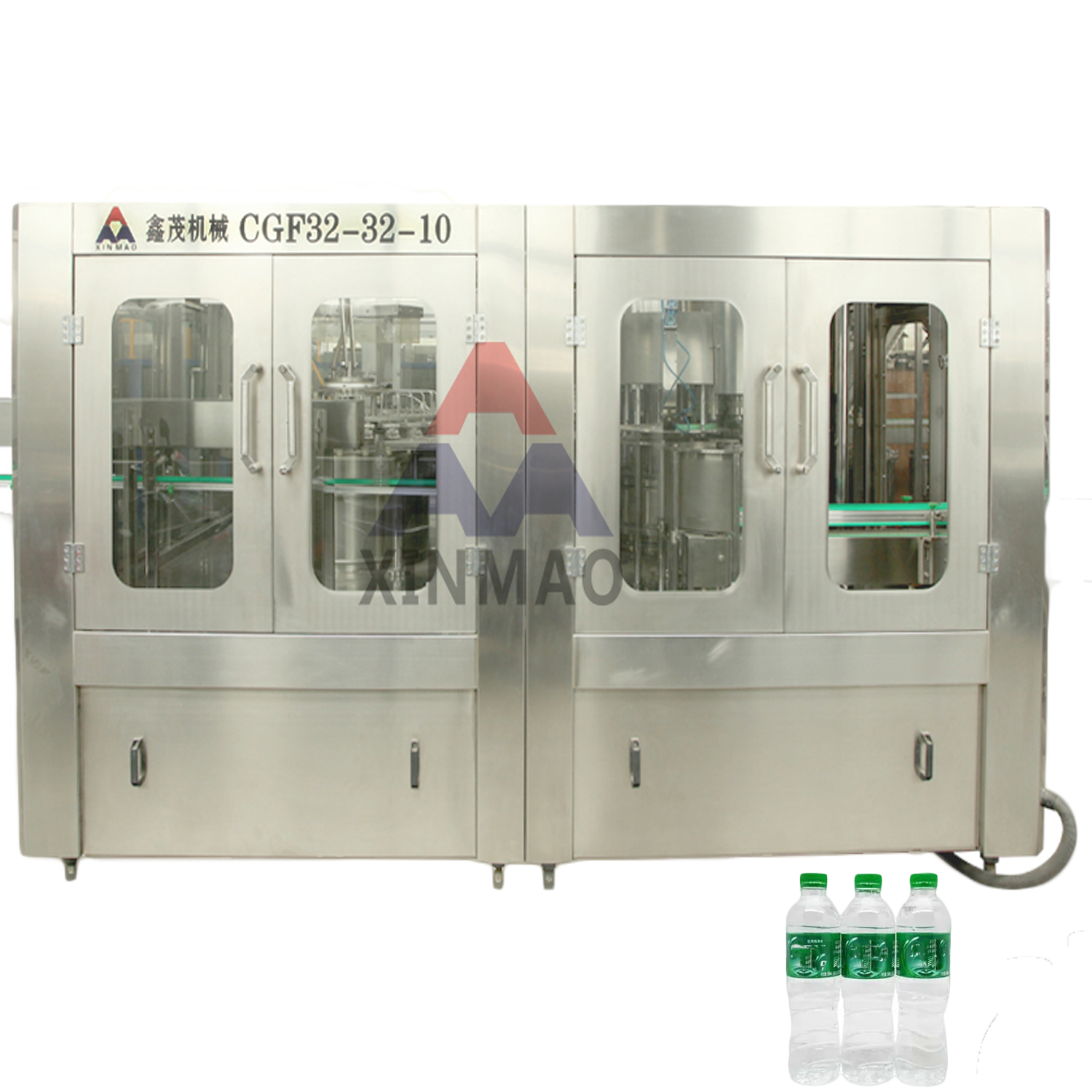
Daily Sanitization of Critical Contact Surfaces on Water Bottle Filling Machines
Sanitization requirements for food-grade compliance and microbial control
Keeping contact surfaces clean every day is absolutely essential for meeting food safety standards and controlling microbes in water bottling plants. Regulations like HACCP, parts of the FDA code, and NSF/ANSI standards all insist on proper cleaning procedures for anything that touches the product or packaging materials. The industry typically specifies stainless steel grades 304 or 316 along with plastics certified by NSF to reduce bacteria buildup and make cleaning easier. Recent studies show chlorine based cleaners at concentrations between 200 and 400 parts per million can knock down most common germs by over 99.9 percent when left on surfaces for about two to five minutes according to the Journal of Food Protection from last year. Plants that do regular ATP tests using bioluminescence swabs tend to find around 40 percent fewer contaminants compared to places that just look at surfaces. And here's something important: not keeping records of how strong the cleaner was, how long it stayed on, and what happened after cleaning explains nearly three quarters of all FDA citations given to bottled water companies.
Step-by-step manual cleaning of nozzles, hoses, drip trays, and fill heads
Perform this sequence after every production shift—never skip steps or shorten contact times:
- De-energize the machine and apply lockout/tagout (LOTO) per OSHA 1910.147.
- Disassemble removable nozzles, hoses, drip trays, and fill heads using calibrated tools—avoid improvised hardware that may damage threads or seals.
- Pre-rinse components with potable water heated to 45°C to loosen organic residue without denaturing proteins.
- Scrub with a pH-neutral, non-foaming detergent and non-abrasive nylon brushes—never steel wool or scouring pads.
- Sanitize by full immersion in a freshly prepared 200 ppm chlorine solution for exactly 2 minutes; verify concentration with DPD test strips before and after use.
- Final rinse thoroughly with potable water to remove all chemical residues.
-
Air-dry on stainless steel, food-grade racks—no towels or compressed air—to prevent recontamination.
Reassemble only after verifying dryness and inspecting for cracks, warping, or seal degradation. Conduct a minimum 10-bottle test run to confirm fill accuracy, nozzle alignment, and absence of drips or splashing.
Preventive Maintenance Schedules to Maximize Uptime and Lifespan of Water Bottle Filling Machines
According to studies done by the Packaging Machinery Manufacturers Institute along with observations at major bottling companies, implementing structured preventive maintenance can cut down unexpected equipment shutdowns by as much as 45%. Equipment tends to last around 3 to 5 extra years too when proper maintenance routines are followed regularly. Just having a schedule isn't enough though. Real results come from actually following through on those plans. Things like keeping detailed checklists, making sure technicians are properly trained, and using digital systems to track everything help create a paper trail that shows who did what and when. These practices make it easier to hold people accountable and spot problems before they become big issues.
Weekly inspections: conveyor systems, sensors, nozzles, and drive components
Dedicate 15 minutes weekly to targeted inspections—ideally before first shift—to catch early signs of wear. Focus on four critical subsystems:
- Conveyor systems: Confirm belt tracking, tension (within ±5% of manufacturer spec), and free rotation of all rollers and sprockets.
- Optical sensors: Validate alignment and response using certified test bottles—do not rely on “good enough” calibration.
- Fill nozzles: Examine O-rings and gaskets for micro-cracks, swelling, or compression set; verify vertical alignment within ±0.2 mm.
-
Drive components: Apply food-grade lubricant to chains and sprockets; measure motor vibration (ISO 10816-3 Class A limits) and log trends.
These checks intercept 80% of recurring mechanical failures—especially misfeeds, underfills, and sensor false triggers—before they escalate into production stoppages.
Plumbing integrity checks and leak detection in water supply and drainage lines
Conduct comprehensive plumbing assessments monthly—not just annually—to protect water quality and operational efficiency. Use this protocol:
- Pressurize supply lines to 1.5× operating pressure for 10 minutes; monitor gauges for >2% drop indicating hidden leaks.
- Inspect drainage piping internally with a calibrated borescope to detect scale buildup (>1.5 mm depth requires descaling).
- Time shutoff valve actuation—response must be ≤2 seconds to meet NSF/ANSI 61 backflow prevention requirements.
- Check filter housings for seal integrity, housing cracks, and proper torque on retaining rings.
Undetected leaks waste an average of 22,000 gallons/year per machine while creating stagnant zones where Legionella and biofilm thrive—posing both regulatory and public health risks.
Automated Clean-in-Place (CIP) Systems for Efficient Water Bottle Filling Machine Hygiene
CIP cycle design, chemical selection, and integration with water bottle filling machine controls
Automated Clean-in-Place (CIP) systems eliminate manual disassembly for internal fluid pathways—reducing human error, labor time, and cross-contamination risk. A validated CIP cycle includes four sequential phases:
- Pre-rinse: Warm potable water (40–45°C) at ≥1.5 m/s velocity to flush loose debris.
- Caustic wash: 1.5–2.0% sodium hydroxide solution at 70–75°C for 10–15 minutes to dissolve organic films.
- Acid rinse: 0.5–1.0% nitric or phosphoric acid at 60°C for 5–8 minutes to remove mineral scale and passivate stainless steel.
- Sanitizing rinse: 100–200 ppm peracetic acid or chlorine dioxide for ≥5 minutes, followed by conductivity-monitored final rinse to <10 μS/cm.
Choosing the right chemicals depends heavily on what's actually in the soil profile. Caustic solutions work best against protein and fat residues, while acids tackle calcium and magnesium buildup. For biofilms, oxidizers are usually the way to go. Many top equipment manufacturers now build CIP logic right into the machine's PLC system. This allows complete automation where cleaning cycles kick in based on things like how long the machine has been running, number of batches processed, or even specific calendar dates. The real magic happens with those real time sensors watching everything from temperature to flow rates, conductivity levels, and sanitizer concentrations. These systems automatically tweak settings when needed and stop the whole process if readings drift more than 5% off target. Plants that have properly documented and validated their CIP programs typically see about a 70% improvement in sanitation turnaround times. They also tend to breeze through third party hygiene inspections without issues, something facilities still using old fashioned manual timing methods just can't seem to achieve.
Periodic Deep Cleaning, Component Disassembly, and Filtration Management
Manufacturer-recommended deep cleaning intervals and safe disassembly protocols
Proper deep cleaning involves taking everything apart completely, soaking internal components, and putting it all back together with precision. The factory recommends doing this every three months for regular operations running less than ten hours daily, or every other month when dealing with heavy usage or areas with hard water problems. Don't get fooled by what looks clean on the outside though because those stubborn biofilms and mineral deposits hide out of sight inside pipe dead ends and valve chambers. Start off by locking out all power sources and making sure everything's depressurized first. Take out the nozzles, metering valves, check valves, and tubing but remember to stick strictly to the tools provided by the manufacturer along with torque-controlled drivers for proper fit. Let the parts soak in an NSF certified alkaline solution that's at least pH 12.5 for about half an hour to an hour at around 60 degrees Celsius to break down those tough biofilm layers. If possible, run them through an ultrasonic cleaner afterward. Then look closely at all rubber parts and seals through a magnifying glass - anything that shows signs of compression damage, strange colors, or tiny cracks needs replacing immediately. When putting things back together, always use calibrated torque wrenches and the specific lubricants recommended by the equipment maker. Over tightening remains one of the main reasons why seals fail so early in their lifespan.
Filter replacement schedules and their impact on water quality and machine performance
Filter maintenance is inseparable from hygiene and reliability—treat it as part of your sanitation program, not just a consumables task. Replace filters on this evidence-based schedule:
- Sediment pre-filters (5–20 μm): Every 3 months in hard-water areas (>120 ppm CaCO₃); every 6 months in soft-water regions. Clogging reduces flow by >40%, forcing pumps to overwork and increasing cavitation risk.
- Carbon blocks (for chlorine/chloramine removal): Every 4–6 months—degraded carbon permits oxidant carryover, corroding stainless steel and degrading seals.
-
Final 0.2 μm sterile-grade membranes: Replace quarterly or after 500 operational hours—regardless of pressure drop—as biofilm penetration compromises integrity even without visible fouling.
Neglecting scheduled replacements increases particulate load, accelerates pump and nozzle wear, elevates TDS in finished water, and introduces regulatory exposure under FDA 21 CFR Part 129 and EPA Ground Water Rule requirements.
FAQ
- How often should contact surfaces on water bottle filling machines be sanitized? The contact surfaces should be sanitized daily to ensure food safety and reduce microbial risks.
- What concentration of chlorine is recommended for sanitizing water bottle filling machines? A concentration of 200-400 ppm of chlorine is recommended for effective microbial control.
- Why is it important to keep records of sanitization processes? Keeping records is crucial for compliance with FDA regulations and to avoid citations.
- How frequently should filters be replaced in water bottle filling machines? Sediment pre-filters should be replaced every 3-6 months, while other filters have varying schedules based on usage and water hardness.
- What is CIP and how does it benefit water bottle filling machines? CIP, or Clean-in-Place, is an automated cleaning process that reduces labor and contamination risks by eliminating the need for manual disassembly.
Table of Contents
- Daily Sanitization of Critical Contact Surfaces on Water Bottle Filling Machines
- Preventive Maintenance Schedules to Maximize Uptime and Lifespan of Water Bottle Filling Machines
- Automated Clean-in-Place (CIP) Systems for Efficient Water Bottle Filling Machine Hygiene
- Periodic Deep Cleaning, Component Disassembly, and Filtration Management