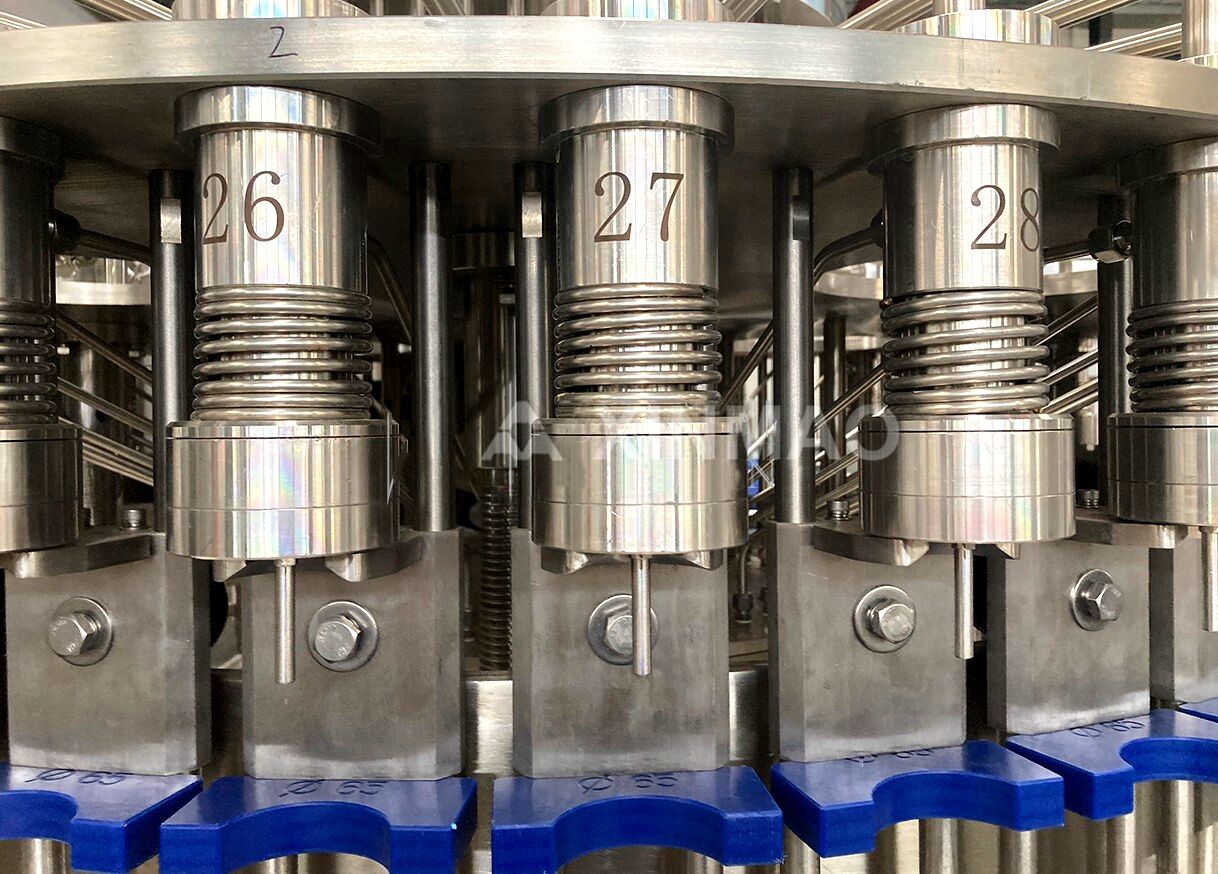
How Juice Filling Machines Enable Hot Fill Technology
Thermal Sterilization Mechanism and Microbial Safety in Hot Fill
Juice filling machines that use hot fill technology typically heat drinks to around 85-95 degrees Celsius prior to packaging. This heating process works as a form of thermal pasteurization which helps get rid of harmful bacteria. What makes this method effective is how it sterilizes both the beverage itself and the inside of the containers at the same time. When bottles tilt during the filling process, the warm juice actually touches the cap area where it kills off any microorganisms sitting on those important sealing surfaces. Once everything gets sealed shut, careful cooling creates what's basically an internal vacuum effect that stops microbes from growing again later on. For acidic juices like oranges or tomatoes (anything below pH 4.6 really), this means they can sit on store shelves for anywhere between six to twelve months without needing any added chemicals to preserve them. These days most modern equipment comes equipped with special micro-negative pressure systems that help keep fill levels accurate even when temperatures change during operation, so manufacturers can consistently meet safety standards throughout their entire production line.
Trade-Offs: Heat-Induced Nutrient Loss vs. Ambient Shelf Life Extension
Hot fill processes definitely give products longer shelf life without needing refrigeration, but they come at a cost for certain sensitive ingredients. Vitamin C tends to take a hit during hot filling, usually dropping somewhere between 15 to 30% when compared to cold fill alternatives. The same goes for those delicate aroma compounds that make juices taste so fresh these days, with losses sometimes reaching as high as 40%. Still, many manufacturers find this acceptable because it cuts down on distribution costs significantly. Products that stay stable at room temperature save around 18 cents per unit on refrigeration alone according to recent studies from Food Processing Journal back in 2023. For best results, companies need packaging that can handle the heat without warping, so heat-set PET bottles or glass containers work well here. Modern juice filling equipment helps preserve nutrients better now thanks to faster cooling after filling and special materials that block oxygen entry points. This means food processors can maintain quality while still keeping their bottom line healthy, even if some nutritional value does get lost along the way.
How Juice Filling Machines Support Cold Fill for Premium Freshness
Preserving Flavor, Aroma, and Heat-Sensitive Nutrients
Cold filling keeps juices tasting fresh because it doesn't expose them to heat during processing. These systems work at room temps under about 38 degrees Celsius, which helps protect those delicate smell molecules that give juice its characteristic flavor profile. Juice makers report around a 40 percent better vitamin C hold rate compared to traditional hot filling techniques. Plus, certain enzymes that get destroyed by heat stay intact this way. Take bromelain found naturally in pineapple juice for instance it stays active when processed cold. Many newer cold fill machines now come equipped with nitrogen flush features too. This is especially helpful for fruit juices prone to going bad quickly from oxygen contact, such as apple and pear varieties where freshness matters most to consumers.
Technical Challenges: Viscosity Control, CO₂ Retention, and Seal Integrity
The cold fill process brings about specific engineering challenges that need special equipment to handle properly. When dealing with thick products like those heavy on pulp content such as certain juices or smoothies which can range from around 150 to 8,000 centipoise, manufacturers rely on precision piston filler systems. These systems have adjustable stroke controls so they can consistently measure out the right volume despite the product's thickness. Carbonated juice presents another challenge altogether. Special counter pressure fillers keep the internal pressure between 25 and 40 psi during processing, which helps retain over 95 percent of the carbon dioxide content. Unlike hot fill methods that create their own vacuum seal when cooling down, cold filled products absolutely need proper sealing techniques. That's why modern lines incorporate laser guided capping systems along with real time torque monitoring. Getting that perfect seal is really important not just for keeping microbes out but also for allowing these products to sit on store shelves without refrigeration for longer periods, provided the formula meets regulations and stability requirements.
Selecting the Right Juice Filling Machine Based on Product and Packaging
Matching Fill Method to Juice Acidity, Sugar Content, and pH Sensitivity
Juices that are acidic with a pH below 4.6 such as citrus varieties and tomato based drinks need special filling equipment made from corrosion resistant stainless steel components usually grade 316 to stop metals from leaching into the product and causing off flavors. When dealing with high sugar content products like nectars that measure at least 15 degrees Brix, manufacturers find piston driven systems work best because they can manage changes in viscosity properly. Gravity fill systems tend to leave behind residues and give inconsistent results once the sugar content gets too high. For those lower acid juices where pH is above 4.6, companies must switch to aseptic cold fill technology since it helps prevent dangerous bacteria like Clostridium botulinum from growing. Some sensitive juice blends particularly cold pressed green mixes benefit greatly from having inert gas flushed through during processing which keeps enzymes active and maintains their valuable antioxidants. Before rolling out any new system across the entire production line, most processors still do small scale lab tests first to make sure everything works together properly.
Packaging Compatibility: PET Bottles, Glass, and Aseptic Cartons
Processing PET bottles needs special hot-fill machines that warm up containers somewhere around 85 to 95 degrees Celsius. This helps stop those annoying shrinkage issues and paneling problems when things cool down later. Glass packaging works differently though. The lines need to run slower and have those vibration dampening conveyors to keep breakage rates low. Most good setups manage to keep breaks under half a percent, which isn't bad considering how fragile glass can be. When it comes to aseptic cartons, we're talking about three different sterilization steps. First there's hydrogen peroxide treatment, then UV light irradiation, and finally clean air zones filtered through HEPA systems. Some top manufacturers have come up with modular equipment that lets production switch from one packaging format to another within just half an hour or so. For carbonated juice products specifically, isobaric fillers are essential for keeping CO2 levels above 4.5 volumes. And don't forget those anti-drip nozzles that stop all that sticky mess from building up on carton spouts. These little touches really make a difference in maintaining proper hygiene standards while also boosting overall line efficiency.
Shelf Life, Cost, and Operational Impact of Juice Filling Machine Choice
What kind of juice filling machine gets selected has a major impact on how long products stay fresh on shelves, what the overall costs will be, and whether the operation can scale up later. Hot fill methods give juices around 12 to 18 months of shelf life at room temperature, which is great for distribution, but they come at a price. These processes consume about 30% more energy than alternatives and tend to destroy some of those delicate nutrients found in fresh juices. On the flip side, cold fill techniques keep all that wonderful flavor, aroma, and vitamin content intact, making them perfect for companies wanting to market premium fresh juice products. However, this approach demands strict cleanroom conditions throughout production and special cold chain logistics from factory to store, which adds layers of complexity and regular maintenance headaches. When looking at operational efficiency, automated systems cut down on manual labor needs by roughly half, sometimes even more. Modern machines also incorporate smart diagnostic tools that predict when parts might fail and have easy-to-access components for quick repairs. The initial investment varies quite a bit too. Basic semi-automatic models typically cost somewhere below fifty grand, whereas top-of-the-line fully automated lines capable of handling multiple formats and maintaining sterility often run over two hundred thousand dollars. For most juice producers, finding the right balance between upfront costs, ongoing expenses, and flexibility for future product line expansions makes all the difference in running a successful operation over time.
FAQ
What is the main advantage of hot fill technology in juice filling?
Hot fill technology allows for longer shelf life of juices without refrigeration by killing harmful bacteria and creating a vacuum seal, making it suitable for acidic juices.
What are the disadvantages of hot fill processes?
Hot fill processes can lead to nutrient loss, specifically vitamin C and aroma compounds, and may involve higher energy consumption.
How does cold fill technology impact juice products?
Cold fill technology preserves the flavor, aroma, and heat-sensitive nutrients in juice, making it ideal for premium freshness, but it requires strict cleanroom conditions and cold chain logistics.
What factors should be considered when selecting a juice filling machine?
Consider product acidity, sugar content, pH, and packaging compatibility. The choice between hot fill and cold fill impacts operational costs and shelf life.