How High-Capacity Juice Filling Machines Achieve Reliable Throughput at Scale
Bottling Speed Benchmarks: From 12,000 to 36,000 BPH — What Drives Real-World Capacity
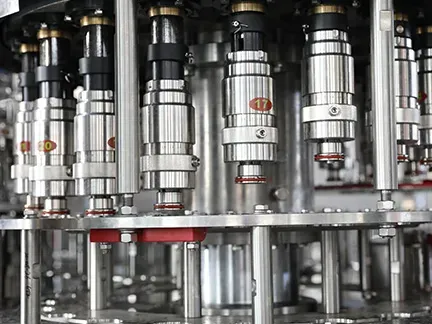
Modern high-capacity juice filling machines achieve throughput between 12,000–36,000 bottles per hour (BPH) through synchronized engineering systems. Three core factors determine real-world output:
- Filling head configuration — Machines with 48–96 heads enable parallel processing
- Viscosity compensation — Automated adjustment for pulp content prevents flow rate drops
- Buffer zone optimization — Accumulation tables maintain continuous flow during packaging transitions
True throughput depends on minimizing non-filling time. Industry data shows changeover delays and viscosity shifts can reduce rated capacity by up to 30% in uncontrolled environments. Leading systems counter this with servo-driven conveyors that eliminate indexing pauses and thermal sensors that maintain optimal juice temperature.
Multi-Head & Multi-Flow Architecture: Eliminating Volumetric Drift in Continuous Juice Filling
Volumetric drift— the ±2% fill variation plaguing single-line systems — is eliminated through multi-flow architecture. This design features:
- Independent filling lanes — Each head operates with isolated pressure control
- Real-time feedback loops — Load cells adjust flow rates every 0.3 seconds
- Pulsed filling technology — Precisely timed micro-bursts counter foam formation
By separating filling streams, machines maintain ±0.5% accuracy regardless of production duration. The system automatically balances pressure across heads when switching between juice viscosities — critical when alternating between clear apple juice (1.0 cP) and pulpy orange nectar (150+ cP). This architecture enables continuous 24/7 operation without volumetric degradation.
Selecting the Right Juice Filling Machine Technology by Product Characteristics
Gravity vs. Pressure vs. Piston: Matching Fill Method to Juice Viscosity and Pulp Load
The thickness of juice and how much pulp it contains determines what kind of filling equipment works best. Gravity filling works well for runnier stuff under about 500 centipoise viscosity, such as regular apple juice or clear orange juice, where just letting it flow naturally is sufficient. When dealing with something a bit thicker in the range of 500 to 1000 centipoise and containing small amounts of pulp, pressure fillers become necessary. These machines push the product through nozzles using compressed air, which helps get things moving without damaging delicate ingredients too much. The real challenge comes with those pulpy nectars or super thick blends over 1000 centipoise like mango smoothies. For these products, piston fillers are generally the way to go because they use positive displacement technology that keeps all those precious bits of fruit intact during the filling process.
| Filling Method | Viscosity Range | Pulp Handling | Best For |
|---|---|---|---|
| Gravity | <500 cP | Low | Clear juices, waters |
| Pressure | 500–1,000 cP | Moderate | Light-pulp juices |
| Piston | >1,000 cP | High | Nectars, smoothies |
Higher pulp concentrations require piston technology to prevent separation and ensure consistent fill weights — critical when particulate size exceeds 3 mm.
FDA-Validated Accuracy: Why Piston Juice Filling Machines Outperform Others for Pulpy Nectars
Piston fillers deliver around 0.5% accuracy when measuring pulpy substances, according to the latest FDA standards from 2023 on filling efficiency. The way these machines work mechanically gets rid of those pesky foam bubbles and air pockets that often mess up pressure-based systems, cutting down wasted product by somewhere between 12 to maybe even 18 percent in really thick pulp applications. What makes this possible are those sealed cylinder designs that measure out precise amounts no matter how runny or sticky the material gets, which keeps overall equipment effectiveness over 99% during long production runs. Plants that handle more than five thousand liters per hour of mixed nectar blends find that switching to piston tech saves them about eighteen grand each year on lost product costs, plus they stay within all the requirements set forth in 21 CFR Part 120 regulations.
Smart Automation Features That Maximize Uptime and OEE in High-Speed Juice Filling Machines
AI-Powered Quick Changeover: Cutting SKU Switch Time by 79% Without Sacrificing Fill Integrity
AI is changing how juice gets filled at scale by figuring out the best settings when switching products. Smart systems look at things like liquid thickness and bottle sizes to automatically tweak equipment settings. This cuts down on setup time between different drinks by around three quarters without sacrificing much accuracy in the fill levels. When moving from one type of juice to another, these systems adjust where nozzles sit and how fast they pour, so there's no need for those tedious manual tests that used to eat up about twenty minutes each time we switched products. And because everything happens instantly, pressure stays balanced across all filling heads even when production speeds fluctuate suddenly.
Inline Quality Assurance: Vision-Guided Capping and Density Sensors for Sustained >99.1% OEE
Modern vision systems can inspect seals down to the micron level while processing around 150 bottles every second. These systems use multi-spectrum cameras to spot tiny leaks that regular workers simply cannot see with their eyes. At the same time, ultrasonic sensors check how evenly the product is mixed throughout each container by looking at where the pulp ends up compared to what's considered standard quality. This two-part inspection process manages to catch about 99.7 percent of bad products before they get packaged. When something doesn't meet standards, special mechanical arms kick out those faulty items right away without slowing down the whole production line. Manufacturers who implement this kind of system usually keep their overall equipment effectiveness over 99.1%. Why does this matter? Well, food safety issues can lead to expensive recalls costing companies roughly seven hundred forty thousand dollars each incident, as noted in a recent study from the Ponemon Institute released last year. Regular adjustments help these systems stay accurate even when temperatures change during manufacturing runs.
FAQ
What are the main factors that affect the throughput of juice filling machines?
The main factors affecting throughput are filling head configuration, viscosity compensation, and buffer zone optimization. Efficient machines minimize non-filling time through servo-driven conveyors and thermal sensors.
How does multi-flow architecture eliminate volumetric drift?
Multi-flow architecture eliminates volumetric drift by using independent filling lanes, real-time feedback loops, and pulsed filling technology to maintain ±0.5% accuracy, regardless of juice viscosity.
Which filling method is suitable for different types of juice?
Gravity filling is ideal for low viscosity juices, pressure filling suits moderate viscosity with light pulp, and piston filling is best for high viscosity or pulpy nectars.
Why are piston fillers advantageous for pulpy nectars?
Piston fillers reduce foam bubbles and air pockets for pulpy substances, maintaining high accuracy and reducing waste in high pulp applications, thus improving cost efficiency.
How does AI technology improve filling machine efficiency?
AI technology optimizes equipment settings for quick product changes, reducing switch time without compromising fill accuracy, thus enhancing overall production efficiency.
Table of Contents
- How High-Capacity Juice Filling Machines Achieve Reliable Throughput at Scale
- Selecting the Right Juice Filling Machine Technology by Product Characteristics
- Smart Automation Features That Maximize Uptime and OEE in High-Speed Juice Filling Machines
-
FAQ
- What are the main factors that affect the throughput of juice filling machines?
- How does multi-flow architecture eliminate volumetric drift?
- Which filling method is suitable for different types of juice?
- Why are piston fillers advantageous for pulpy nectars?
- How does AI technology improve filling machine efficiency?