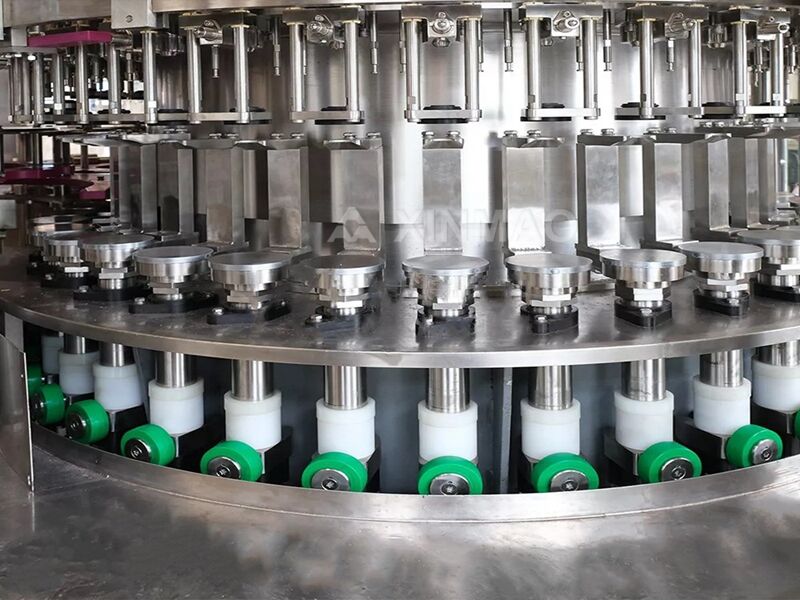
Daily Cleaning Protocols for Glass Bottle Filling Machines
Strict daily cleaning routines are essential for stopping microbes from growing and preventing contamination during beverage manufacturing. The process should start with a good rinse using warm water around 40 to 50 degrees Celsius to get rid of leftover liquids and particles stuck on filling nozzles, conveyor belts, and wherever products actually touch equipment. Most industry standards suggest spending about 15 to 20 minutes clearing away residues at the end of every production run. This becomes even more important when moving from making sweet drinks to acidic ones since sugar tends to crystalize and cause blockages in machinery parts.
Sanitization with food-grade agents and verification via ATP swab testing
Once everything has been rinsed off properly, it's time to put on those food grade alkaline detergents or maybe go with some peroxide based sanitizers instead. Use soft cloths that won't scratch anything while cleaning all the parts. Don't forget those tricky spots around the capping heads and valve assemblies either since that's exactly where biofilms tend to hang out and cause problems later on. To check if things are actually clean enough, most places do ATP swab tests now. They usually test between three and five different spots on each machine. The official standard says readings need to stay below 50 RLU for compliance purposes. A recent study from the International Association for Food Protection back in 2023 found something interesting too. Plants that run these ATP checks every single day saw about two thirds fewer contamination issues compared to those who didn't make it part of their routine.
Weekly and Monthly Preventive Maintenance for Glass Bottle Filling Machines
Proactive weekly and monthly maintenance minimizes unexpected downtime and extends the operational lifespan of glass bottle filling machines. Compared to reactive repair strategies, scheduled care reduces mechanical failure risk by up to 45%, as documented in the 2023 Industry Maintenance Report.
Visual inspections, safety system checks, and lubrication of moving parts
Weekly visual checks are important for spotting early signs of wear, misalignment issues, or corrosion developing on equipment. Safety features need regular attention too - make sure emergency stops work properly, check that guards are intact, and test sensors periodically to maintain operations within OSHA standards. Chains, bearings, and pneumatic cylinders should get monthly lubrication with NSF H1 rated grease products. This simple step helps reduce wear caused by friction and can actually cut down energy usage somewhere between 8 to 12 percent over time. Keeping track of all these observations in one central maintenance log makes sense both for predicting future problems and meeting documentation requirements during audits.
Inspection and replacement of wear-prone components (seals, gaskets, hoses, nozzles)
Check all seals and gaskets every month looking for cracks, swelling or signs they've lost their shape these are the main reasons why fill systems develop leaks. Get rid of any hoses that feel stiff or show tiny cracks since they become pathways for contaminants to enter. Take a close look at the filling nozzles too because small amounts of wear can actually throw off measurements by around 3 to 5 percent volume. Keep spare parts made by original equipment manufacturers on hand and make sure to rotate through them regularly following first in first out principles so nothing sits too long in storage and starts breaking down over time.
Deep Cleaning and Safe Disassembly of Glass Bottle Filling Machines
Step-by-step cleaning process: disassembly, alkaline/acidic/enzymatic solution application, and reassembly safety
Start the deep cleaning process by making sure the machine is completely powered off and all pressure has been released. Take apart the components exactly as the manufacturer specifies, paying special attention to those tricky spots like nozzles, valves, and sections of the conveyor belt where residue tends to build up the most. When choosing cleaning products, match them to what's stuck on there: go with alkaline stuff around pH 11 to 13 for greasy organic messes, acidic solutions between pH 2 and 3 work best against mineral scale buildup, and enzymatic cleaners tackle protein deposits effectively. Soak the parts for anywhere from half an hour to an hour, keeping the temperature under 60 degrees Celsius (about 140 Fahrenheit) so we don't melt any rubber parts or damage sensitive sensors. Rinse everything three times thoroughly with clean water then let dry in areas with HEPA filters. When putting things back together, double check where those O-rings go and make sure everything is tightened properly with proper calibration tools. A recent study published in the Food Processing Journal shows that improper alignment during assembly causes roughly one quarter of all mechanical problems in bottling operations.
Mechanical part safety during cleaning and PPE-compliant manual techniques
When doing wet cleaning work, it's important to shield those delicate parts like fill sensors and piston assemblies with silicone caps to keep them safe from water damage. The folks handling this stuff need to be properly protected too wearing at least ANSI Level 4 cut resistant gloves, some good quality chemical splash goggles, and boots that won't let them slip around on wet floors. When it comes time to actually scrub things down manually, stick strictly to nylon bristle brushes. Metal tools just don't cut it here because they scratch up those stainless steel surfaces and can actually make bacteria stick better by somewhere around 35-45%. For really risky cleaning jobs, we always have our two person check system going one person does the actual cleaning while another keeps an eye on everything making sure everyone follows the safety rules and procedures correctly. After every thorough cleaning session, run those ATP swab tests across three key spots inside nozzles, around valve seats, and throughout filling chambers. We're looking for readings under 10 RLU before we give the green light for production to start again.
FAQs
What are the initial steps in daily cleaning for glass bottle filling machines?
The daily cleaning process begins with rinsing the equipment using warm water between 40 to 50 degrees Celsius to remove leftover liquids and particles.
Why is ATP swab testing necessary?
ATP swab testing helps verify the cleanliness of the machinery by measuring organic material presence. It ensures that sanitation standards, such as maintaining below 50 RLU, are met.
How often should components like seals and gaskets be inspected?
Seals, gaskets, hoses, and nozzles should be inspected monthly for cracks, swelling, or deformities, which can cause leaks.
What's the importance of deep cleaning and disassembly?
Deep cleaning and disassembly ensure that all residue is removed and that machinery functions correctly without causing mechanical issues, which are often due to improper reassembly.