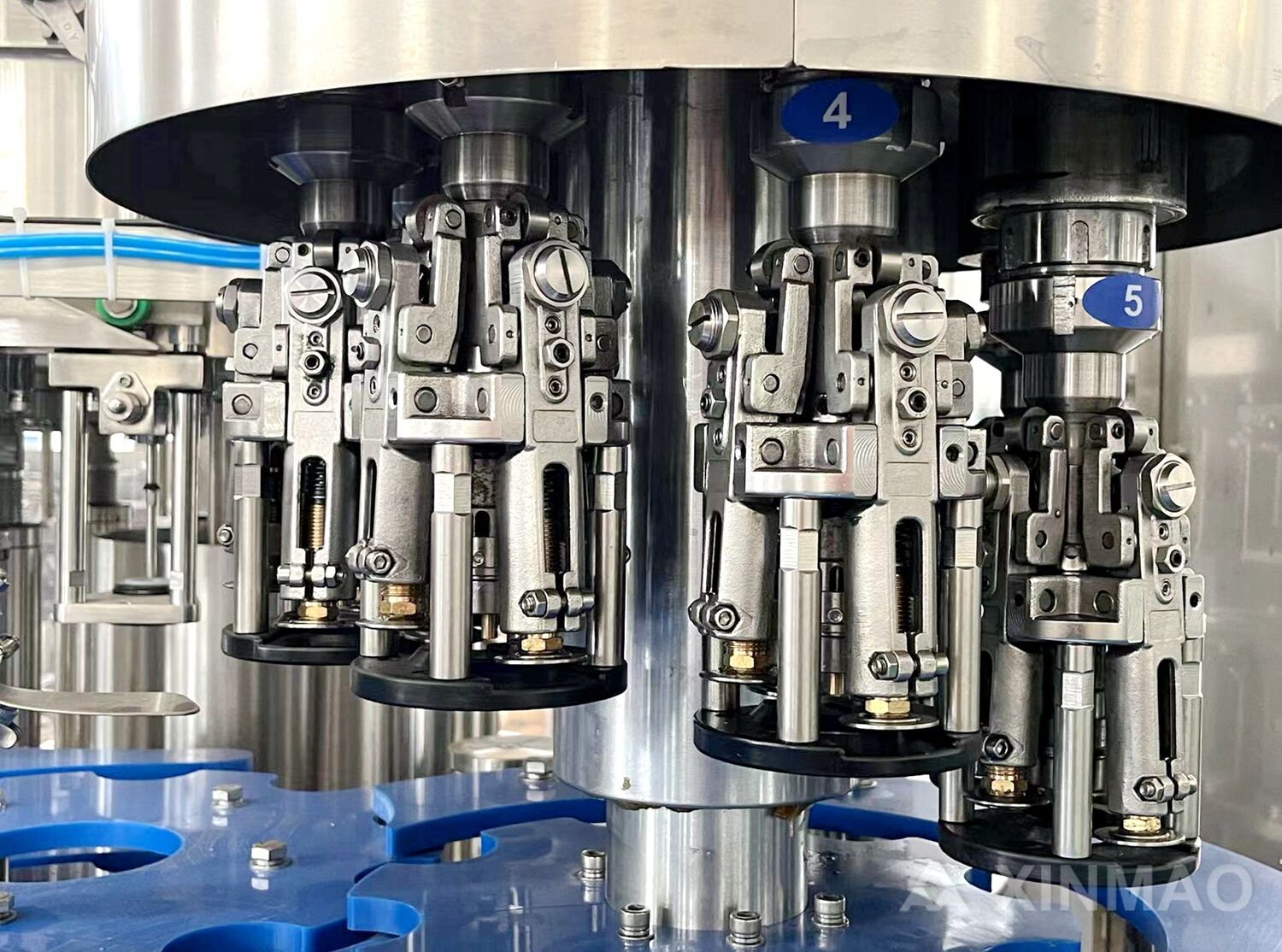
Precision Carbonation Control in Soft Drink Filling Machines
Maintaining exact carbonation levels is critical for preserving soft drink freshness and extending shelf life. Modern soft drink filling machines achieve this through isobaric pressure balancing and sensor-driven CO₂ injection.
Isobaric Filling and CO₂ Injection Accuracy
The isobaric filling process works by balancing the pressure inside beverage tanks with what's in the containers right before transferring liquids. This helps prevent those annoying CO2 losses and foaming issues that happen when there are pressure differences between systems. Modern equipment comes equipped with sophisticated flow sensors that keep an eye on gas levels pretty accurately, usually within about 0.2 volume percent. There are also temperature compensated meters that automatically tweak themselves as syrup gets thicker or thinner depending on conditions. When it comes to counter pressure filling, this method keeps all that precious carbonation intact even when machines are running at blistering speeds over 800 bottles per minute. Most importantly, flavors stay stable throughout production and manufacturers end up wasting far less product than they would with older methods.
Optimizing CO₂ Pressure and Flow for Beverage Stability
Getting the right CO₂ levels stable depends heavily on keeping pressure dynamically controlled somewhere around 2 to 4 bar. Most systems use those fancy PID controllers to adjust flow rates constantly based on what they measure about viscosity and temperature in real time. When carbonation stays consistent, it stops oxidation from happening so much, which actually makes products last longer on shelves by about 40% when compared to those with unstable fills. Plus, this creates those anaerobic conditions inside containers that really put a damper on microbial growth. Take for example when we maintain around 3.5 volume of CO₂. Studies show that after just 90 days, aerobic bacteria basically die off at a rate of nearly 99%. The whole point is finding that sweet spot where there's enough fizziness without putting too much stress on the bottles themselves.
Aseptic and Vacuum Filling Technologies for Microbial Safety
Sterile Environment Integration and Oxygen Exclusion
To stop microbes from getting into products, manufacturers need tight control of the environment in their filling areas. First comes sterilization using heat or chemicals, then there's this special airflow system with HEPA filters that creates positive pressure, basically making sure nothing gets in from outside. The facility maintains what's called an ISO 5 cleanroom standard throughout. For those who aren't familiar, that means it's super clean, cleaner than most labs actually. Vacuum systems are also part of the process, sucking out leftover oxygen before filling starts. This brings oxygen levels down to under half a percent, which stops those air-loving bacteria from multiplying. Special transfer equipment such as peristaltic pumps helps keep everything sealed during movement. All these steps combined reduce contamination risks by almost all (about 99.8%) compared to regular methods. Plus, flavors stay fresh longer too, around nine to twelve months without needing any artificial preservatives added.
Hygienic Design and Automated CIP Systems in Soft Drink Filling Machines
Material Selection, Drainability, and Clean-in-Place Efficiency
Good hygienic design makes all the difference when it comes to product shelf life. Most equipment in food processing facilities uses food grade stainless steel because it doesn't corrode easily and has those super smooth surfaces that bacteria just can't stick to. The really important parts like filler valves and pipes are built with slopes steeper than 3 degrees so everything drains completely. No standing water means no breeding grounds for microbes. These designs work great with automated Clean-in-Place systems that run cleaning solutions through sealed channels without needing to take anything apart. A recent study from Food Safety Magazine found these automated systems cut down on contamination risks by around 74% versus old fashioned manual cleaning methods. They even use conductivity sensors to check if the cleaning solutions are at the right strength and temperature. Special cleaning cycles target stubborn sugar buildup and those pesky biofilms in carbonation lines and filler heads where spoilage tends to start. Plus, companies report saving about 40% on downtime while keeping things sterile between production runs.
Real-World Shelf-Life Outcomes and Performance Validation
To check how well soft drink filling machines work, companies need to do proper shelf life tests in real world storage situations over the entire time the product sits on shelves. This approach differs from those quick aging tests because it actually considers what happens in reality - like when temperatures go up and down or humidity changes with seasons. What we get then is solid proof that both packaging materials and manufacturing processes hold up over time. Most beverage makers want to show they meet regulations, so they look at whether carbon dioxide stays above 85 percent after twelve months plus make sure no harmful microbes grow during extended storage periods. While these real time validations take longer than other methods, they become really important for products that last more than eighteen months on store shelves. These tests confirm that advanced filling systems keep drinks tasting good, maintain their carbonation level, and stay safe for consumption right until the expiration date printed on the bottle.
FAQs
What is isobaric filling, and why is it important in soft drink production?
Isobaric filling balances pressure between beverage tanks and containers to prevent CO2 losses and foaming, ensuring flavor stability and reducing waste.
How do modern soft drink filling machines maintain carbonation consistency?
These machines use sophisticated sensors, flow meters, and PID controllers to dynamically adjust CO2 pressure and flow, maintaining consistent carbonation and extending shelf life.
What technologies are employed for microbial safety in beverage filling processes?
Technologies like aseptic and vacuum filling systems, HEPA filters, and sterilization processes ensure a sterile environment, reducing contamination risks significantly.
Why is hygienic design crucial in food processing equipment?
Hygienic design minimizes bacterial growth and improves cleaning efficiency using food-grade stainless steel, slope-built structures, and automated Clean-in-Place (CIP) systems.