Introduction: The Pressures and Opportunities of the Times
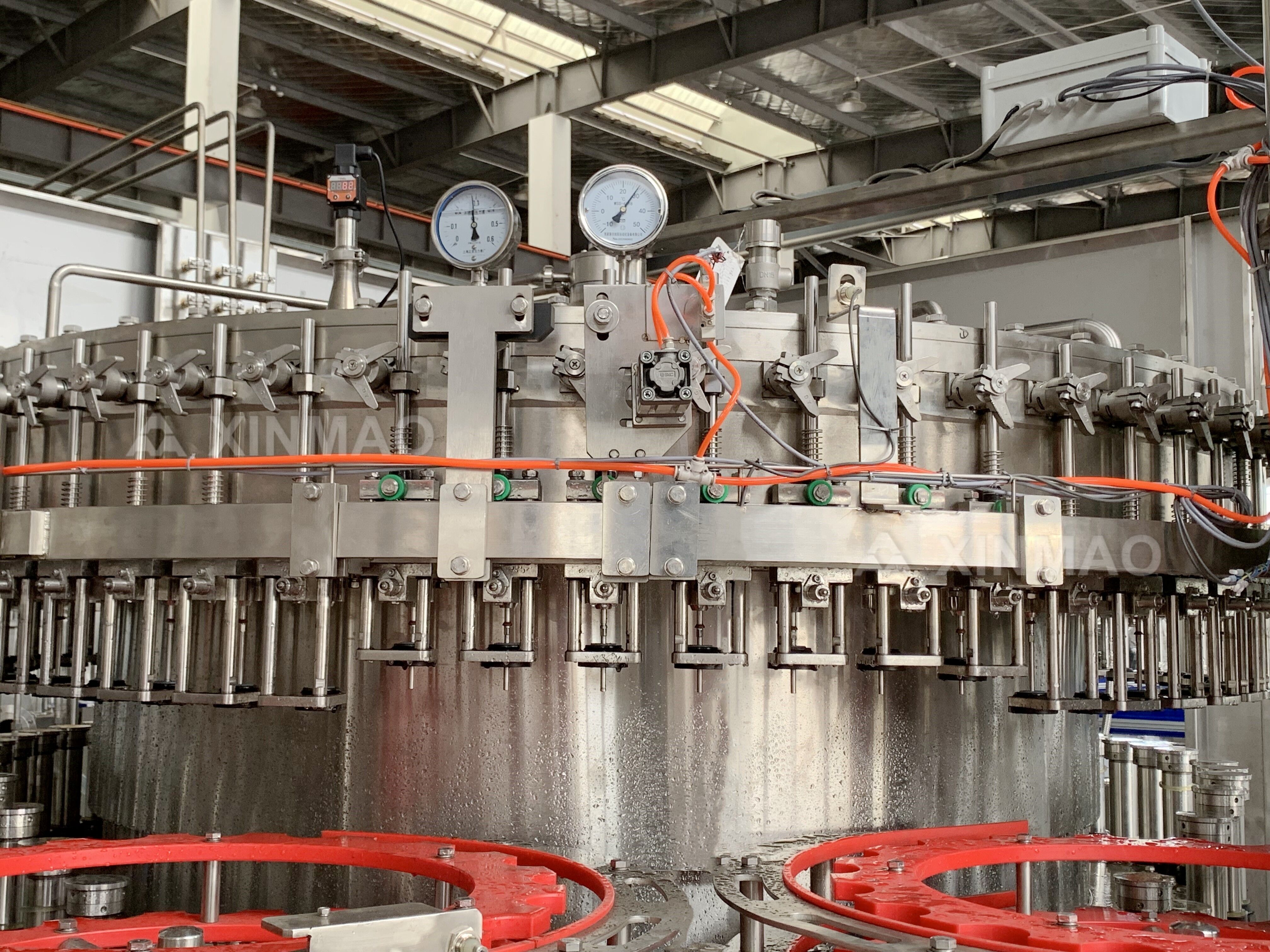
Walking into many traditional bottled water plants in China, you'll see a familiar sight: water bottling production lines that have been in service for over 15, or even 20 years, still humming along. These "veterans" witnessed the golden age of the bottled water industry, but now face unprecedented challenges. Amidst the trends of consumption upgrading, intelligent manufacturing, and sustainable development, these aging production lines have reached a crossroads – should they continue with patchwork repairs, or undergo a complete transformation and upgrade?
As production increases and market competition intensifies, aging bottling lines often become a bottleneck rather than a competitive advantage. Replacing the entire production line is a capital-intensive decision, requiring significant preparation time and extended downtime. Therefore, many bottled water producers are turning to retrofitting and upgrading as a practical and cost-effective alternative to improve performance without replacing the entire bottling machine.
This article will explore the main challenges facing aging bottling production lines and explain how targeted retrofitting and upgrading can significantly improve efficiency, reliability, and long-term operational performance.
Part One: Four Core Challenges Facing Aging Production Lines
1. Blind Spots in Quality Control
Production lines from ten years ago lacked real-time quality monitoring systems, relying only on random sampling. This meant that defective products might be produced in batches before being detected. Key parameters such as bottle cleanliness, liquid level accuracy, and seal integrity could not be 100% monitored online.
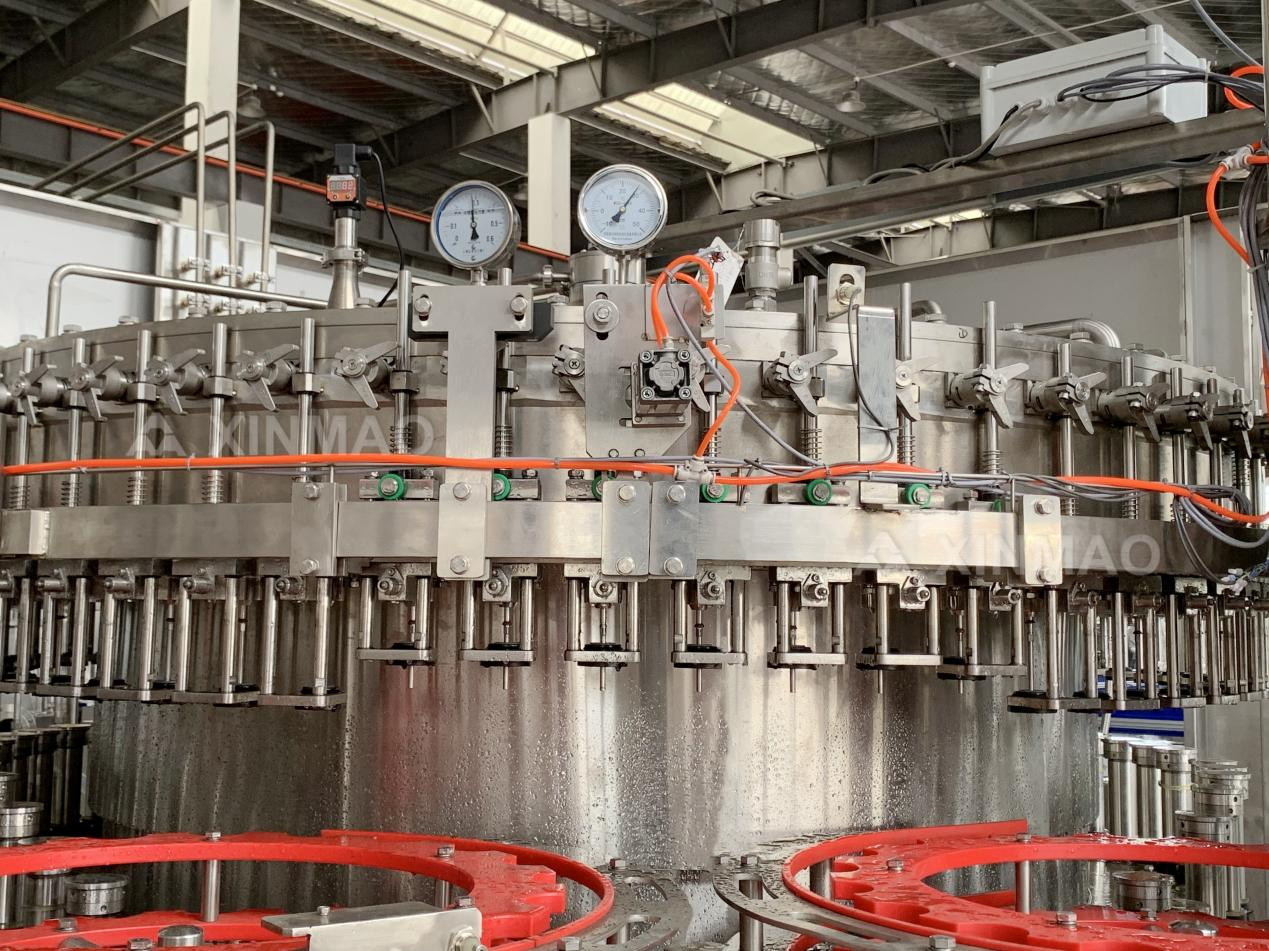
Water bottling production lines are complex systems composed of mechanical, electrical, and automation components, operating continuously at high speeds. Over time, performance degradation is inevitable due to several factors:
Mechanical wear of filling valves, seals, bearings, and moving parts
Calibration drift of flow meters and volumetric filling systems
Obsolescence of PLCs, HMIs, and control software
Material fatigue affecting hygiene and sealing performance
Even with regular maintenance, aging components gradually lose accuracy and reliability. This decline directly impacts production line efficiency, filling accuracy, water consumption, and maintenance costs, and the performance loss becomes more pronounced as the equipment ages.
Even more challenging is the issue of microbial control. Older equipment often has many hard-to-reach areas and is difficult to clean, providing a breeding ground for biofilm formation, which is one of the most troublesome quality hazards in the water bottling industry.
2. Efficiency Bottlenecks: When Speed Becomes a Major Problem
One of the earliest signs of an aging water bottling production line is a decrease in output. Micro-stops, speed fluctuations, and synchronization problems between rinsers, fillers, and cappers all reduce the efficiency of the entire production line. Therefore, the nominal speed of the bottling line no longer reflects its actual output, leading to a decrease in overall equipment effectiveness (OEE).
Unstable Filling Accuracy and Increased Water Waste
Worn filling valves, outdated flow control technology, and unstable pressure conditions often lead to overfilling or underfilling. Overfilling increases water loss and packaging costs, while underfilling poses compliance risks and customer dissatisfaction. In high-volume bottled water production, even small deviations can result in significant economic losses over time.
Increased Maintenance Costs and Spare Parts Shortages
As equipment ages, maintenance becomes more frequent and less predictable. Spare parts for older bottled water filling machines may be out of production or have long lead times, increasing downtime. Maintenance teams also spend more time troubleshooting mechanical failures instead of performing preventive maintenance.
Outdated PLCs and Control Systems
Older PLCs and control platforms often lack real-time data visibility, diagnostic tools, and remote access capabilities. This makes it difficult to identify inefficiencies, analyze downtime causes, or integrate the filling line with modern MES or ERP systems.
Hygiene, Safety, and Regulatory Compliance Risks
Food-grade standards for bottled water production are constantly evolving. Aging materials, outdated CIP (Clean-in-Place) designs, and worn sealing components can all create hygiene blind spots. This increases the risk of non-compliance during audits and inspections, especially for producers supplying multiple export markets.
Traditional filling lines typically have design speeds below 10,000 bottles per hour, while modern high-speed lines commonly reach 30,000-60,000 bottles per hour. This gap directly translates into a significant difference in market competitiveness. A manager at a bottled water company frankly admitted: "Our old production line can only produce 8,000 bottles per hour, while the newly built line next door produces 40,000 bottles per hour, resulting in a nearly 40% difference in unit cost."
Moreover, the old equipment has long startup times and complex changeover and debugging processes. Switching from producing purified water to mineral water might require 2-3 hours of downtime for adjustments, while a modern intelligent line only needs 30 minutes. Each changeover means a loss of production capacity and missed market opportunities.
3. Dual Pressure of Energy Consumption and Material Waste
A 20-year-old filling line may have an energy consumption level 50-70% higher than a modern high-efficiency line. Key components such as water pumps, air compressors, and conveying systems are inefficient, resulting in astonishing long-term operating costs.
Material waste is equally alarming. An engineer told me: "The precision problems of the old filling valves lead to an average overfilling of 3-5 milliliters per bottle. Based on an annual production of 100 million bottles, this means a loss of 300-500 tons of water per year, not including the additional waste of bottle caps and labels."
4. Management Dilemma Due to Digital Disconnect
In the era of Industry 4.0, the biggest embarrassment of old production lines is "data silence." They cannot provide real-time production data, cannot interface with MES (Manufacturing Execution System) and ERP (Enterprise Resource Planning), becoming "blind spots" on the factory's digital map. Management can only rely on manual reports and post-mortem analysis, making delayed decision-making a common occurrence.
Part Two: Four Strategic Directions for Transformation and Upgrading
Direction One: Precise Replacement of Core Equipment
Transformation does not mean completely starting from scratch. Strategically replacing key components can often achieve a 60-70% performance improvement with only 20-30% of the investment.
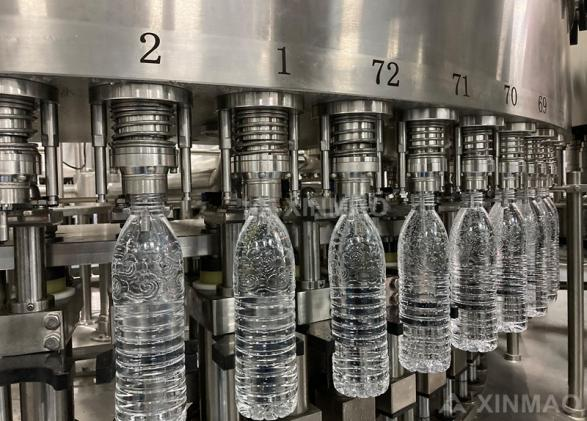
Filling system upgrade: Replacing the old gravity filling system with an electronic flow meter filling system can improve accuracy from ±10 milliliters to ±3 milliliters. After the upgrade, one company recovered its investment in just 8 months simply by reducing overfilling.
Sealing technology innovation: Using a servo-controlled capping machine, the torque accuracy is increased by 3 times, and the bottle cap defect rate is reduced from 0.5% to below 0.1%. Conveyor System Optimization: Replacing the chain conveyor with an intelligent servo-controlled synchronous belt conveyor reduces bottle wear and noise, achieving energy savings of up to 40%.
Direction Two: Intelligent Sensing Network Construction
This is a crucial step in transforming "dumb equipment" into "intelligent terminals." By adding a sensor network, older production lines can gain "vision" and "touch."
Visual Inspection System Integration: Industrial cameras are installed at key workstations to achieve 100% online inspection of bottle defects, liquid level, label position, and production date. After installing 12 visual systems, one company saw a 85% reduction in customer complaints.
Real-time Process Parameter Monitoring: Temperature, pressure, and flow sensors are installed in the filling area, and data is uploaded to the monitoring center in real time. When parameters deviate from the set range, the system automatically issues a warning to prevent batch quality problems.
Predictive Maintenance System: Vibration and temperature sensors are installed on key components such as motors and bearings. Algorithms are used to predict the time of failure, shifting from "repair after failure" to "planned maintenance."
Direction Three: Flexible Production Capacity Building
Facing the increasingly diversified small-batch, multi-variety market demands, flexible transformation has become a necessity.
Rapid Changeover System: Modular design and quick-change interfaces reduce product changeover time by more than 70%. One company achieved bottle type switching within 5 minutes and product type switching within 15 minutes through this transformation.
Intelligent Recipe Management: A central recipe database is established, allowing one-click switching of parameters such as filling volume, sealing torque, and label information, ensuring production consistency.
Direction Four: Comprehensive Green Energy Optimization
Sustainable development is not only a social responsibility but also a cost advantage.
Water Recycling System Upgrade: The washing and cooling water systems are upgraded, increasing water recycling efficiency from 60% to over 90%. One company achieved complete reuse of washing water by installing membrane filtration and ultraviolet disinfection systems, saving 120,000 tons of water annually.
Heat Energy Recovery and Utilization: Plate heat exchangers are installed in the sterilization process to recover 85% of waste heat for preheating the water entering the system, resulting in significant energy savings.
Compressed Air System Optimization: Old piston compressors are replaced with high-efficiency screw compressors, combined with variable frequency control and pipeline network optimization, achieving overall energy savings of 30-40%. Part Three: A Three-Stage Roadmap for Successful Transformation
Stage One: Comprehensive Diagnosis and Precise Planning (1-2 months)
Transformation begins with understanding. Through a 2-4 week in-depth diagnosis, a comprehensive equipment health profile is established, bottleneck processes are identified, and improvement potential is quantified. This stage requires the joint participation of production line operators, maintenance personnel, process engineers, and management to ensure all problems are identified and pain points are accurately pinpointed.
Stage Two: Phased Implementation and Minimizing Disruption (3-6 months)
Successful transformation follows the principle of "production and transformation proceeding simultaneously." Construction is typically carried out in segments during weekends and holidays, with critical transformations concentrated during off-peak seasons. One company adopted a "from easy to difficult, from local to overall" strategy, completing the entire line transformation in 5 months without affecting normal supply.
Stage Three: Data-Driven and Continuous Optimization (Ongoing)
Transformation completion is just the beginning. Establishing a data-driven continuous improvement mechanism is key to long-term success. Through tools such as OEE (Overall Equipment Effectiveness) monitoring, energy consumption analysis, and quality traceability, new improvement points are continuously discovered, forming a virtuous cycle of "transformation-optimization-re-transformation."
Part Four: The Value Return of Transformation and Upgrading: More Than Just Numbers
The case of a medium-sized water company in Guangdong is highly representative: an investment of 8.5 million RMB was made to intelligently transform its 2008 production line, with immediate results:
Production efficiency increased by 42%, OEE increased from 58% to 82%
Product first-pass yield increased from 97.1% to 99.4%
Overall energy consumption decreased by 31%, saving 750,000 RMB in electricity costs annually
The number of operators decreased from 12 to 8, significantly reducing labor intensity
Data integration with the central MES system was achieved, comprehensively improving management transparency
The investment payback period was only 22 months. But the value beyond the financial figures is equally important: customer complaints decreased by 90%, and brand image improved; employees were freed from repetitive labor and focused on higher-value work; the company gained the agility to respond to market changes.
Part Five: Future Outlook: The "Second Spring" for Aging Production Lines
With technological advancements, the potential for transforming aging production lines is expanding. Digital twin technology allows for testing transformation solutions in a virtual environment; edge computing devices make real-time data analysis possible; and modular design concepts make upgrades and transformations more flexible. The future transformation of aging production lines will no longer be about "patching up," but about "rejuvenation"—giving traditional equipment a new lease of life by implanting intelligent "genes."
For many water companies, these old production lines, which have witnessed the industry's development, are not a burden, but rather untapped assets. Through scientific planning and precise investment in upgrades and transformations, these "veterans" can completely experience a "second spring," continuing to create value for the enterprise on the new track of intelligence and green development.
Conclusion: Between Inheritance and Innovation
In today's fiercely competitive bottled water industry, the transformation and upgrading of aging production lines is no longer an option, but a matter of survival. But this is not just about technological updates; it's an art of finding a balance between industry inheritance and innovative breakthroughs. Those production lines that successfully transform not only improve performance indicators but also extend the historical memory of a brand, perfectly integrating traditional manufacturing wisdom with the innovations of the digital age.
Every successful transformation is a microcosm of China's manufacturing transformation from "Made in China" to "Intelligent Manufacturing in China." In the roaring sound of the revitalized production lines, we hear not only the rhythm of improved efficiency but also the firm footsteps of an industry moving towards the future.