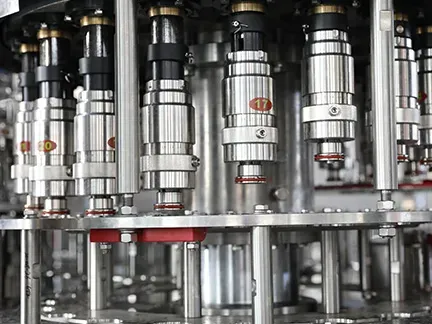
How Juice Filling Machines Work: Core Principles and Key Selection Criteria
Modern juice filling equipment makes sure liquids get transferred accurately and safely into containers through three main methods: gravity, pressure, and vacuum systems. Gravity fillers work great for straightforward, thin juices such as apple or grape juice. They can hit about 0.5% accuracy when filling non-foaming products according to what the industry standards say these days. For thicker stuff like NFC juices or pulpy blends including mango or carrot ginger mixtures, pressure systems come into play. These systems push the juice through nozzles with controlled air or pumps, which helps reduce oxidation while still managing chunks up to around 12 millimeters in size. Then there are vacuum fillers that suck out air first before filling. This matters a lot for cold pressed juices that are sensitive to oxygen. Keeping dissolved oxygen levels under 0.5 parts per million really helps maintain those valuable nutrients and extend how long the product stays fresh on shelves.
When selecting equipment, prioritize these factors:
- Juice Characteristics: Viscosity, pulp content, and carbonation dictate technology choice—vacuum for clarified, oxygen-sensitive juices; pressure for pulpy or viscous variants; gravity only for thin, stable, non-foaming products
- Production Scale: Gravity suits <500 bottles/hour; pressure systems handle 2,000+ bottles/hour; vacuum is typically mid-to-high volume with stringent quality requirements
- Hygiene Protocols: Vacuum fillers reduce contamination risk for HPP (High-Pressure Processed) and aseptic juices by eliminating air contact during fill
- Accuracy Needs: Pressure systems maintain ±0.3% accuracy with viscous fluids; vacuum achieves ±0.2% for low-viscosity premium juices
Many top manufacturers are adopting CIP systems along with IoT sensors these days to monitor fill levels on the fly, which can cut down waste somewhere around 7% each year according to some studies. When choosing equipment, it really pays to check how well it works with different containers like glass bottles, PET plastic, or cardboard cartons since the way things seal and fit varies quite a bit between these materials. Looking ahead, companies wise enough to invest in modular setups will find themselves better positioned for growth. These flexible systems let operations upgrade smoothly from basic semi-automatic machines to full rotary filling lines as their production needs grow over time.
Gravity Juice Filling Machines: Best for Simple, Low-Cost Juice Lines
Operating principle and suitability for clear, non-foaming juices
Gravity juice fillers work by letting gravity do most of the job, pulling liquid down from a high tank into waiting containers without needing any pumps or pressurized systems. The simple design works best with runny liquids such as apple or white grape juice, which are generally below 200 cP in thickness and don't create much foam during filling. Because there aren't many moving parts involved, these machines tend to cost significantly less money than their automated counterparts, sometimes around 30 to 40 percent cheaper. Maintenance is also simpler since there's less machinery to break down over time. Small businesses especially appreciate this affordability factor, as it lets them get started quickly even if they only have standard bottle sizes available. Plus, the gentle nature of gravity filling helps keep the juice looking clear and fresh after packaging.
Limitations with pulp, foam, and fill accuracy in commercial juice production
Gravity fillers run into real problems when dealing with pulpy, foamy stuff or thick liquids like orange juice or those carrot ginger blends. The bits get stuck in the nozzles and the bubbles mess with the sensor readings. Fill levels end up varying by more than 2% which means wasted product and potential compliance issues during batch runs. These machines can only handle about 10 to 20 bottles per minute at best, way too slow for most commercial operations. Carbonated drinks or anything with proteins create even more foam problems, so they just won't work in sterile packaging situations. That's why most factories save gravity fillers for simple clear juices where getting things done fast isn't as important as keeping costs down and operations straightforward.
Pressure Juice Filling Machines: Optimized for Viscous, Pulpy, and Aseptic Juice Applications
Controlled flow dynamics for NFC and pulpy juices (e.g., mango, carrot-ginger)
Juice filling machines that work under pressure typically rely on either positive displacement pumps or peristaltic pumps to handle viscous materials better. These systems keep the flow steady when dealing with Not From Concentrate (NFC) juices and those thick pulpy varieties such as mango blends or carrot ginger mixtures. This helps stop the pulp from settling at the bottom of containers while making sure particles stay evenly distributed throughout. When working with thicker liquids, the pressurized setup allows for smoother filling without causing splashes or disturbing the contents too much. According to industry data, these pressure based systems can hit around 1% accuracy when filling pulpy products which matters a lot for high end juice brands that need their labels to match what's actually inside the bottle both in terms of content claims and how it looks on store shelves.
Reduced product waste and improved headspace consistency through foam management
Modern pressure filler systems come equipped with various anti-foam technologies including timed valve operation, nozzles that go below the liquid surface, and built-in degassing features. These innovations help cut down on air bubbles getting trapped in thick juice products. The result? Less oxidation occurs and there's significantly less wasted product. What's more, these machines maintain just the right amount of empty space at the top of containers usually around 3 to 5 percent of total capacity. This careful control actually makes the juice last longer when stored under sterile conditions. Industry data shows manufacturers typically lose about 15 to 20 percent less product than with traditional gravity filling methods. And let's not forget about transportation issues either. Maintaining consistent headspace is critical because it stops leaks from happening, especially important for pulpy juice types where sediment tends to settle unevenly and put stress on container seals during shipping.
Vacuum Juice Filling Machines: Precision for Oxygen-Sensitive and Premium Clarified Juices
Oxygen exclusion and clarity preservation in cold-pressed and functional juices
Vacuum juice filling machines work really well at keeping those delicate juice qualities intact because they take out oxygen before actually filling the containers. When creating a partial vacuum inside, these machines suck all the air out of the packaging, bringing down dissolved oxygen levels to under 0.5 ppm. This is super important for cold pressed juices since when oxygen gets involved, it starts breaking down nutrients, changes colors, and affects flavors through something called enzymatic browning. Research from the 2023 Food Packaging Shelf Life Study shows that getting rid of oxygen like this can make juices last about 40% longer than regular filling methods that just use normal atmospheric pressure. Plus, the gentle flow of liquid during this process helps keep everything stable in functional drinks that have stuff floating around in them like nutrients, probiotics, or those sensitive antioxidants that get destroyed by heat.
Keeping things clear is one major benefit worth mentioning. Pressure systems tend to break down pulp particles or mess up colloidal suspensions, but vacuum filling keeps those particulates out so the juice stays visually appealing. The precise control over how much flows through stops unwanted foaming in expensive stuff like organic apple juice or berry blends packed with antioxidants where cloudiness means something has gone wrong. Industry folks have seen around 97% accuracy when using vacuum systems for runny premium juices. This cuts down on wasted product and helps meet those tough transparency requirements that many customers now expect from their drinks.
| Feature | Benefit | Impact on Juice Quality |
|---|---|---|
| Oxygen extraction | Slows oxidation | Preserves flavor, nutrients, color |
| Non-turbulent filling | Prevents particle agitation | Maintains visual clarity |
| Foam-free operation | Eliminates headspace inconsistency | Reduces packaging waste and leakage |
FAQ
What are the main methods used in juice filling machines?
Juice filling machines primarily use gravity, pressure, and vacuum systems to transfer liquids into containers with various levels of accuracy and efficiency.
How do gravity juice filling machines work?
Gravity juice fillers rely on the natural pull of gravity to fill containers without the use of pumps or pressurized systems, making them best suited for thin, non-foaming juices.
What are the benefits of using pressure juice filling machines?
Pressure systems are optimized for handling viscous and pulpy juices. They ensure even distribution of pulp and reduce oxidation, maintaining product consistency and quality.
Why are vacuum juice filling machines preferred for cold-pressed juices?
Vacuum machines reduce oxygen exposure significantly, which preserves the flavor, nutrients, and color of cold-pressed juices, extending shelf life.
What should be considered when selecting a juice filling machine?
Consider juice characteristics, production scale, hygiene protocols, and accuracy needs when selecting a machine to ensure it meets your operational requirements.
Table of Contents
- How Juice Filling Machines Work: Core Principles and Key Selection Criteria
- Gravity Juice Filling Machines: Best for Simple, Low-Cost Juice Lines
- Pressure Juice Filling Machines: Optimized for Viscous, Pulpy, and Aseptic Juice Applications
- Vacuum Juice Filling Machines: Precision for Oxygen-Sensitive and Premium Clarified Juices
-
FAQ
- What are the main methods used in juice filling machines?
- How do gravity juice filling machines work?
- What are the benefits of using pressure juice filling machines?
- Why are vacuum juice filling machines preferred for cold-pressed juices?
- What should be considered when selecting a juice filling machine?