How Beverage Filling Machine Technologies Match Liquid Properties and Production Needs
Pressure, Gravity, and Counter-Pressure Filling for Carbonated, Still, and Viscous Beverages
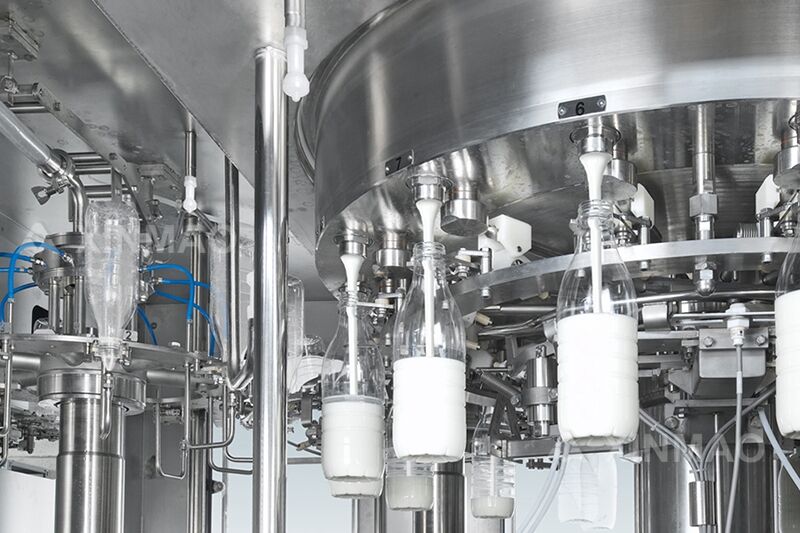
Today's filling systems use specific tech solutions tailored to different liquid characteristics and production volumes. Gravity fillers work great for things like juice and bottled water since they rely on basic gravity-fed transfers that keep costs down. When dealing with carbonated drinks, pressure systems become necessary to maintain that fizz throughout the filling process inside a sealed environment. For those really bubbly products, counter-pressure tech steps in. It balances the pressure between bottles and tanks before filling starts, which cuts down on foam and saves manufacturers around $740k each year from wasted product according to Beverage Industry reports from 2023. Viscous stuff like syrup or concentrate requires another approach altogether. Volumetric piston fillers get the job done accurately within about half a percent variance, keeping everything consistent even when moving thicker materials through production lines. All these different approaches let facilities run smoothly across various beverage types while maintaining over 95% operational efficiency most of the time.
Precision Handling of Foaming, Temperature-Sensitive, and High-Viscosity Liquids
The right engineered controls really make all the difference when dealing with tricky liquid behaviors. Take those foam-prone drinks for instance, craft beers and protein shakes tend to get all bubbly during filling. That's why many facilities now use vacuum-assisted systems that cut down on turbulence by dispensing at just the right time and speed. When it comes to temperature sensitive stuff like cold pressed juices or probiotic drinks, manufacturers have turned to sterile cold filling setups. These systems need to stay below 4 degrees Celsius throughout the whole process, so they incorporate full CIP compatibility plus constant temperature checks to keep everything stable. And what about those thick liquids that measure over 5,000 cP? Think dairy alternatives or fruit pulp blends. For these, positive displacement pumps work best with special shear sensitive valves that actually help maintain the product's texture and functionality. What's interesting is how these solutions can handle everything from small test batches right up to massive production lines capable of cranking out 30,000 bottles per hour. All this equipment meets ISO 22000 standards for food safety, constructed with sanitary welds and surfaces that are easy to clean and maintain.
Local Installation of Beverage Filling Machines: Seamless Commissioning Across Key Markets
On-Site Sanitary Integration and Regulatory-Compliant Setup in Europe, North America, SEA, and China
Installation crews on the ground help get systems up and running quickly while making sure everything meets local rules and environmental standards. Over in Europe, techs check if the facilities follow EHEDG guidelines for sanitation. They look specifically at things like welds without gaps and surfaces smoother than 0.8 microns. Across North America, the focus is different but equally important. The team makes sure machines comply with FDA regulations from 21 CFR Part 11. That means tracking materials automatically and keeping records securely during setup. For places in Southeast Asia where humidity is always high, engineers choose special electrical boxes that resist moisture damage. They also build their piping systems to stop microbes from growing inside. When it comes to China, getting GB 4806 certification for materials that touch food becomes a top priority. Pressure tests run through all pipelines before anything starts operating. According to Food Engineering 2023 research, this kind of localized knowledge actually reduces time spent commissioning by around 40%. Plus, it keeps companies away from those massive fines that can go over half a million dollars. Checking how well cleaning processes work and ensuring proper drainage helps prevent dangerous biofilms forming in tricky spots, which supports better hygiene over time.
After-Sales Service for Beverage Filling Machines: Reliability, Compliance, and Responsiveness
CIP Support, Real-Time Troubleshooting, OEM Parts Logistics, and Multilingual Field Engineering
A robust after-sales framework sustains operational continuity and regulatory alignment through four integrated service pillars:
- CIP (Clean-in-Place) system support ensures hygienic integrity with validated sanitation cycles—reducing contamination risk and manual cleaning labor by 40% versus manual washdowns.
- Real-time troubleshooting via secure remote diagnostics resolves 70% of issues within minutes, minimizing disruption during critical production windows.
- OEM parts logistics leverages regional warehousing to guarantee genuine component availability—enabling 24-hour replacement in Europe, North America, and Southeast Asia.
- Multilingual field engineering delivers on-site commissioning, repair, and audit support in local languages—enhancing clarity during regulatory inspections or urgent interventions.
All service activities follow documented maintenance protocols aligned with FDA and ISO 22000 requirements. Binding service level agreements (SLAs) enforce rapid response times for critical failures—safeguarding production output, brand reputation, and compliance posture.
Hygienic Design and Certification: Ensuring Beverage Safety and Regulatory Compliance
FDA, CE, and ISO 22000 Alignment Through Sanitary Construction and CIP-Compatible Architecture
Good hygienic design isn't just something extra added onto beverage filling machines—it's actually fundamental to their safety operation. Machines built with crevice free surfaces, using electropolished stainless steel grade 316L along with other corrosion resistant materials help get rid of those pesky spots where microbes love to hide. These problem areas account for around 23% of all contamination issues during liquid processing according to industry data. The design elements also meet important regulatory requirements. For instance, the FDA regulations under 21 CFR Part 110 specifically require smooth surfaces and properly sealed welds so pathogens don't get trapped. In Europe, getting that CE mark means having complete traceability records for materials used plus proper documentation showing how the design was verified. And when it comes to ISO 22000 standards, manufacturers need to demonstrate they can control food safety risks throughout production including effective cleaning processes. Cleaning takes significantly less time with CIP compatible architectures. Systems equipped with built in spray balls, self draining slopes and better flow paths reduce downtime by about 40% compared to older models. Modern equipment now incorporates real time biofilm detection technology alongside electrolytic passivation methods, which changes the whole game when it comes to compliance. Instead of just documenting problems after they happen, these advances allow companies to prevent hazards before they occur. Such comprehensive approaches make audits much easier across more than 150 different countries worldwide. Remember that equipment failing to meet standards costs businesses an average of $740 thousand per recall as reported by Ponemon Institute back in 2023.
FAQ
What are the key technologies used in beverage filling machines for different types of beverages?
Beverage filling machines utilize gravity, pressure, and counter-pressure systems depending on the beverage type. Gravity fillers are ideal for liquids like juice and water, pressure systems suit carbonated drinks, and counter-pressure techniques cater to carbonated drinks with high fizz levels.
How do filling machines handle temperature-sensitive beverages?
Temperature-sensitive beverages are processed using sterile cold filling setups. These systems maintain a temperature below 4 degrees Celsius throughout production, integrating full CIP compatibility and continuous temperature monitoring.
What hygiene standards do beverage filling machines need to meet?
Beverage filling machines must align with FDA, CE, and ISO 22000 standards. This involves using sanitary designs, electropolished materials, and construction that prevents microbial growth to ensure safety and compliance.
How does after-sales service support operational continuity for beverage filling machines?
After-sales service supports operational continuity through CIP system support, real-time troubleshooting, OEM parts logistics, and multilingual field engineering, all following FDA and ISO 22000 maintenance protocols.
Table of Contents
- How Beverage Filling Machine Technologies Match Liquid Properties and Production Needs
- Local Installation of Beverage Filling Machines: Seamless Commissioning Across Key Markets
- After-Sales Service for Beverage Filling Machines: Reliability, Compliance, and Responsiveness
- Hygienic Design and Certification: Ensuring Beverage Safety and Regulatory Compliance
-
FAQ
- What are the key technologies used in beverage filling machines for different types of beverages?
- How do filling machines handle temperature-sensitive beverages?
- What hygiene standards do beverage filling machines need to meet?
- How does after-sales service support operational continuity for beverage filling machines?