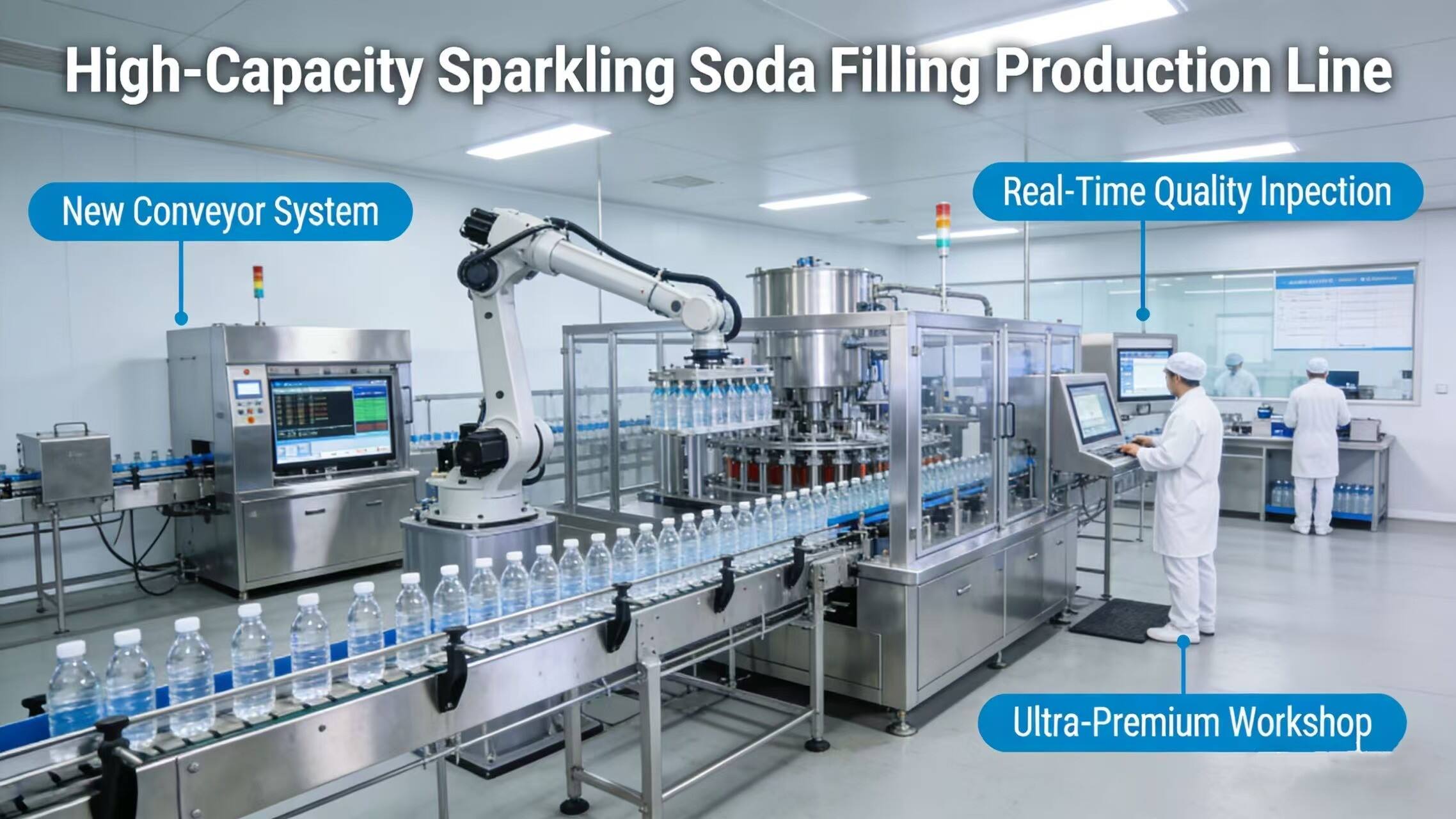
Choosing the Right Sparkling Water Bottling Line for Different Bottle Types and Sizes
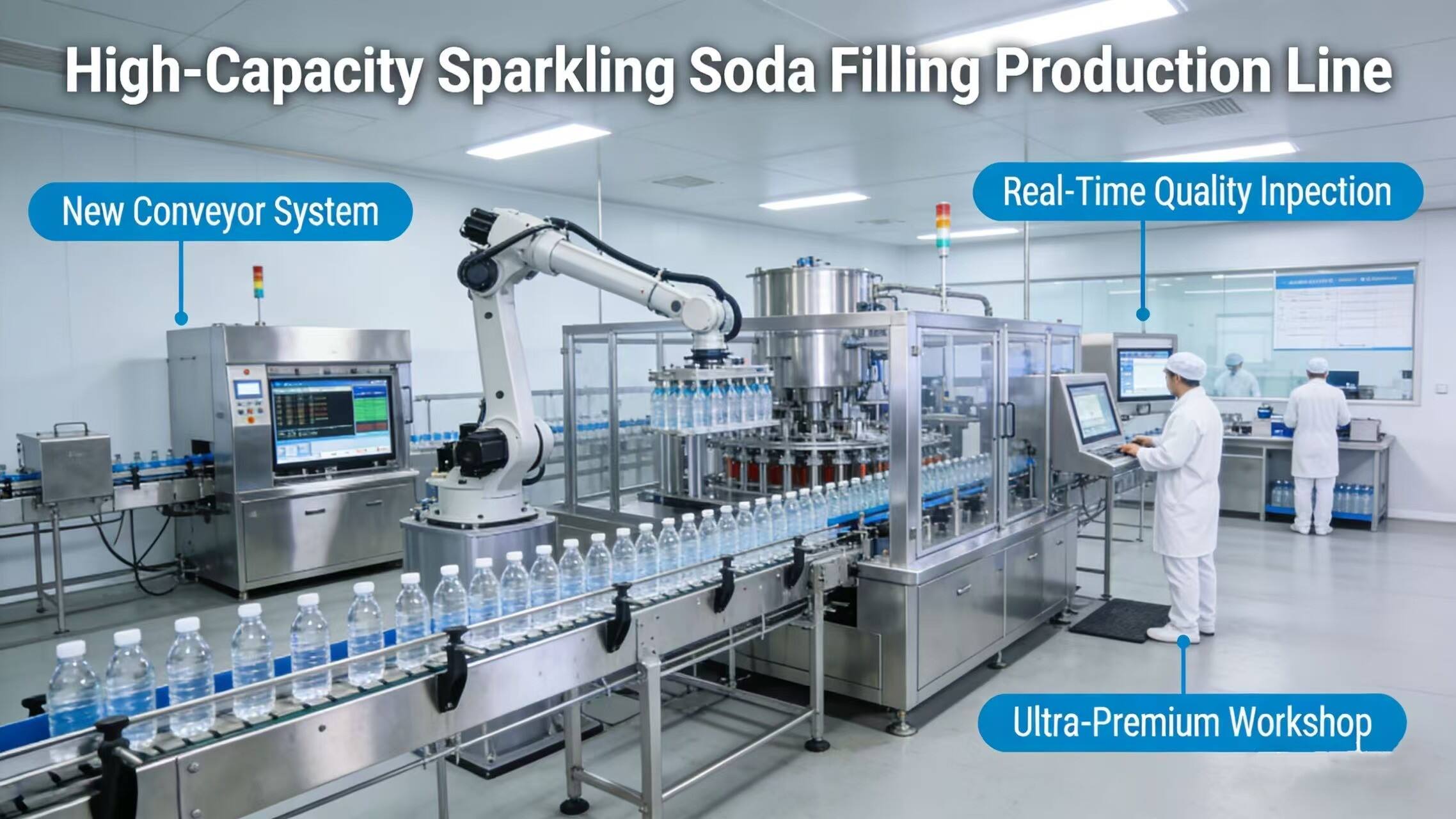
Sparkling water is gaining popularity globally, becoming an essential beverage in both the premium and everyday consumer markets. Consumer demand for diverse product types—from single-serving glass bottles to large-capacity PET bottles—poses the challenge for manufacturers to produce consistently fresh, well-effered sparkling beverages in various packaging formats.
Choosing the right sparkling water bottling line is crucial. Incorrect selection can lead to bubble loss, inconsistent product quality, and low production efficiency. The right choice ensures that every bottle of sparkling water—regardless of bottle type or size—is presented to consumers with perfect bubbles, sealed freshness, and an appealing appearance.
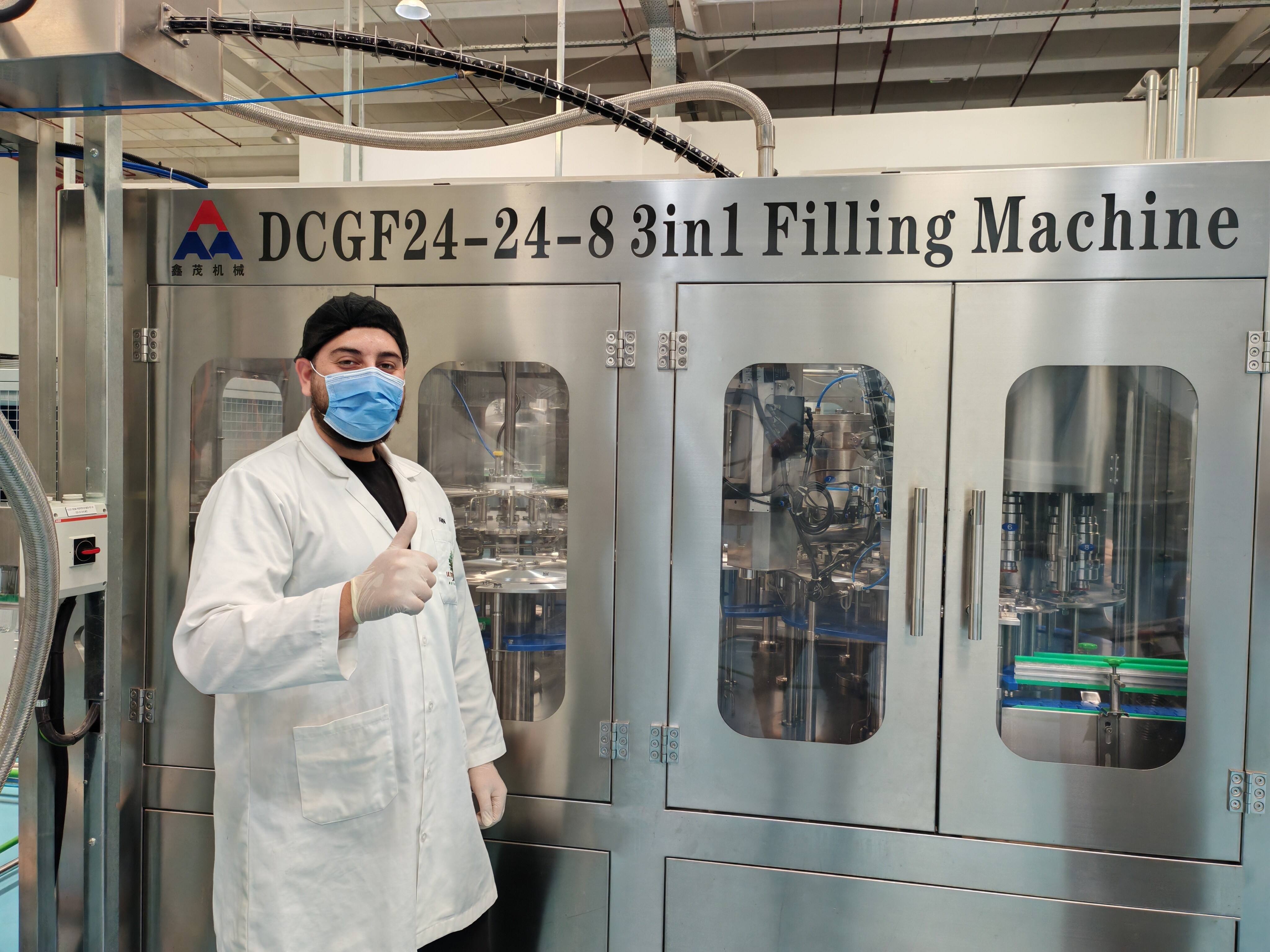
This guide will lead you through the key factors for choosing the right bottling line for your sparkling water production needs.
1. Key Considerations When Choosing a Sparkling Water Bottling Line
Understanding the core factors influencing equipment selection is essential before considering specific bottle type requirements.
Carbonation Retention
The taste and flavor of sparkling water depend on dissolved carbon dioxide. The bottling system must minimize turbulence, control temperature, and quickly seal the bottles to prevent gas escape.
Filling Speed and Capacity
High-volume plants require production lines capable of filling thousands of bottles per hour, while smaller manufacturers may prioritize flexibility and changeover speed.
Automation Level
Semi-automatic production lines are cost-effective for small-batch production but require more manual operation.
Fully automatic production lines integrate rinsing, filling, capping, and labeling functions, enabling continuous high-volume production.
Multiple Bottle Type Compatibility
Many brands use different bottle types to package sparkling water for different markets. Flexible filling lines can reduce downtime by quickly changing bottle types.
2. The Impact of Bottle Material on Filling Line Selection
Different bottle materials require specific handling, filling, and sealing solutions.
PET Bottles
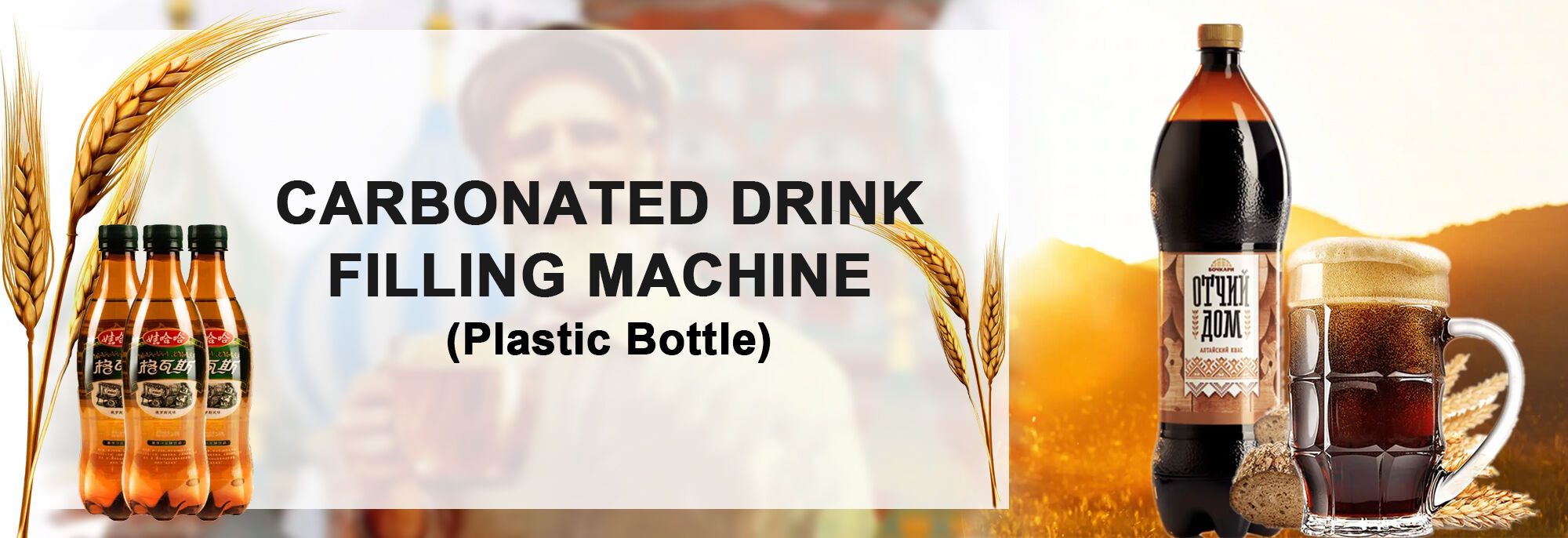
Advantages: Lightweight, not easily broken, low transportation costs, suitable for high-speed filling lines.
Challenges: PET is more permeable to carbon dioxide than glass, therefore proper capping and storage conditions are crucial.
Considerations for Filling Lines:
High-speed rotary filling machines equipped with precise carbon dioxide control.
Bottle cap sorting and capping machines ensure consistent sealing.
Glass Bottles
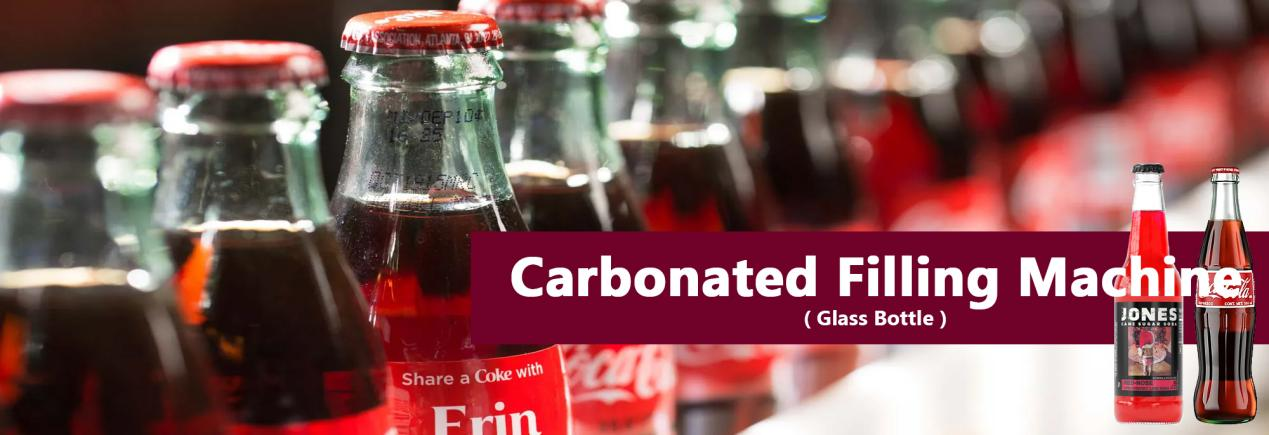
Advantages: Excellent carbonation retention, premium brand image, fully recyclable.
Challenges: Heavier and more fragile, requiring gentler handling and spacing.
Filling Line Considerations:
Gravity or counter-pressure filling systems to prevent foaming.
Dedicated conveyor belts and neck handling devices to reduce breakage.
Compatible with crown caps or screw caps.
Aluminum Bottles (if applicable)
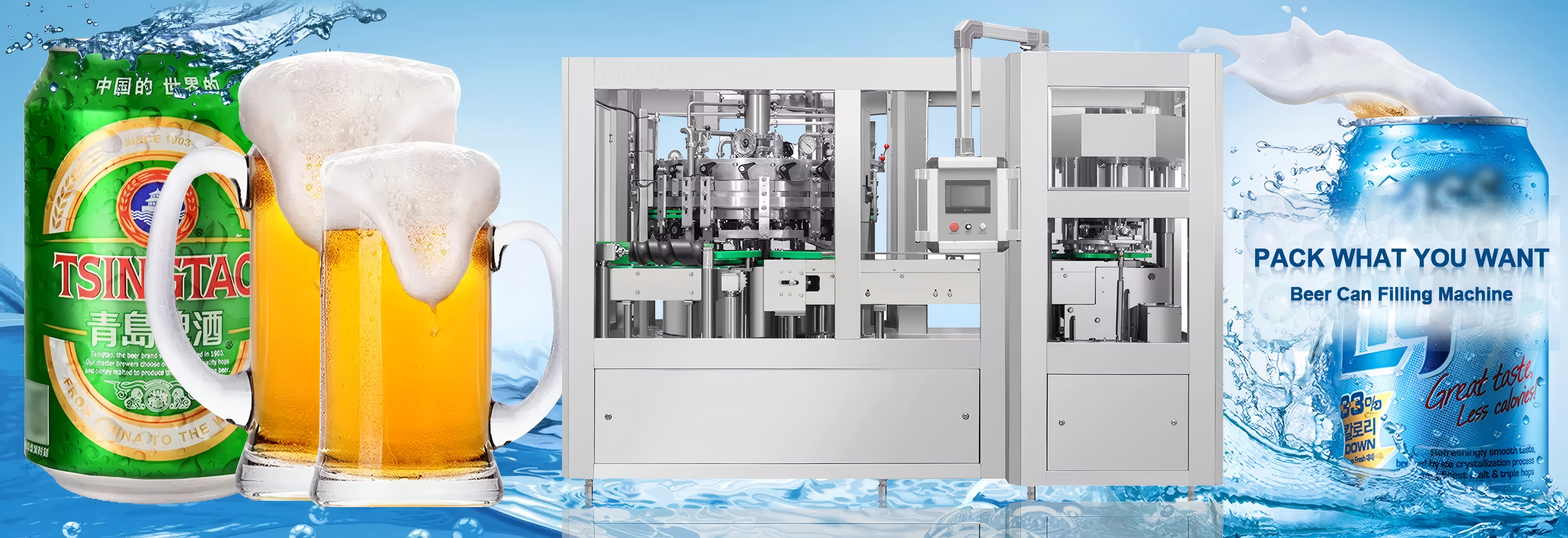
Advantages: Excellent light and gas barrier properties, premium appearance, durable and easy to transport.
Challenges: Requires specialized sealing equipment.
Filling Line Considerations:
Sealing machines for aluminum cap applications.
Careful temperature control to avoid pressure issues.
3. The Impact of Bottle Size on Line Configuration
Bottle size directly affects filling speed, handling methods, and carbonation control.
Small Bottles (250ml–500ml)
Suitable for on-the-go consumption and premium retail.
High-speed production lines can quickly fill and cap small bottles while maintaining carbon dioxide levels. The smaller neck diameter requires precision capping heads.
Medium Bottles (500ml–1L)
This is the optimal size for balancing volume and carbonation retention.
Suitable for standard carbonated beverage filling speeds, with a lower risk of carbon dioxide loss if the seal is good.
Large Bottles (1L–2L)
Commonly used for family-sized sparkling water.
Filling speeds must be slowed down to reduce foaming and prevent carbon dioxide loss.
Heavier bottles require more robust conveyor belts and clamping systems.
4. Special Cap Types and Their Impact on the Filling Process
Cap type is another important factor in selecting a production line.
Standard Carbonated Beverage Caps (28mm): Widely used in PET sparkling water bottles, providing a reliable carbon dioxide seal.
Motion Caps: Require a vibratory cap feeder and a dedicated capping system.
Crown cap: The traditional sealing method for glass bottles, requiring a high-precision capping machine.
Multi-functional filling lines can integrate multiple capping systems or allow for quick tool changes between different cap types.
5. Customization of Multi-Bottle Type Lines
Manufacturers often need to handle multiple bottle types and sizes on the same line. This requires:
Adjustable filling heads – capable of accommodating different neck heights and diameters.
Quick part changeovers – minimizing downtime between format changes.
Multi-cap systems – allowing easy switching between screw caps, crown caps, or motion caps.
Integrated rinsing, filling, and capping modules – simplifying processes and increasing efficiency.
Conclusion
Choosing the right soda filling line requires consideration of bottle material, size, cap type, and production flexibility. PET bottles, glass bottles, and aluminum bottles each have different handling requirements, and bottle size affects filling speed and carbon dioxide holding pressure strategies.
For brands looking to produce soda in multiple packaging formats, a flexible, efficient, and high-quality bottling line is crucial. It ensures consistent product quality, reduces waste, and meets market demands.
With decades of experience in beverage production solutions, King Machine specializes in designing and manufacturing customizable soda bottling lines, providing precise, efficient, and reliable bottling solutions. Whether you're mass-producing PET bottled soda or glass-bottled soda for the premium market, King Machine offers tailored solutions to keep your soda fresh and bubbly.