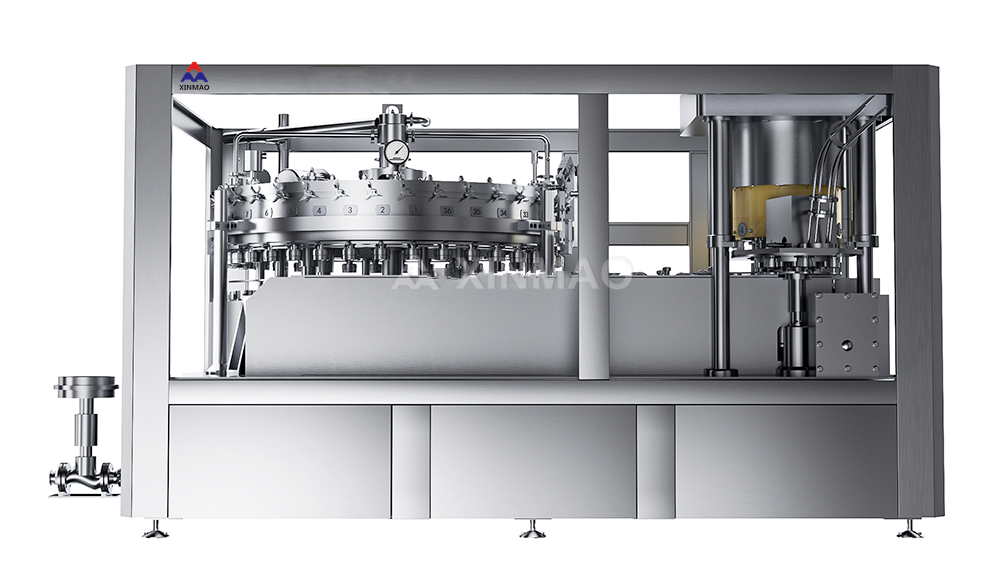
Why Multi-Beverage Bottling Machines Are Essential for Modern Beverage Producers
Beverage makers today are under constant pressure to expand their product offerings without breaking the bank on production. That's where multi-beverage bottling machines come into play. These systems let companies bottle everything from water and juice to beer and spirits all on one machine. No need for separate equipment for each product line, which cuts down on upfront costs maybe around 30% give or take depending on setup. The space saved is pretty significant too. What really matters though is how flexible these setups make operations. Producers can switch between different drinks as seasons change or when consumer preferences shift, without having to tear apart whole production lines just to accommodate new products.
When it comes to filling non-carbonated beverages such as water and juice, manufacturers typically use gravity fillers made from FDA approved materials to keep things clean. For carbonated drinks like beer and soda, they need special pressurized counter-pressure fillers so the bubbles stay intact. And then there's liquor bottling which requires alcohol resistant seals plus really accurate volume controls around plus or minus half a percent because these high ABV products demand precision. Modern equipment now features what are called PLCs or Programmable Logic Controllers. These smart controllers automatically tweak settings like how fast the machine fills bottles, adjusts temperatures, and manages pressure levels whenever operators switch between different product types. According to recent data from packaging efficiency reports released in early 2023, this kind of automation can cut down changeover times by roughly forty percent compared to older methods.
This operational flexibility directly impacts profitability: beverage companies using multi-purpose systems report 22% higher production uptime and 15% lower per-unit costs compared to dedicated single-beverage lines. As consumer preferences fragment across categories, adaptable bottling technology transforms production constraints into competitive advantages.
How Bottling Machines Adapt to Key Beverage Requirements: Water, Juice, Beer, and Liquor
Water & Juice: Gravity Fillers and Sanitary Design for Non-Carbonated, Low-Risk Products
When it comes to bottling non carbonated drinks such as water and various fruit juices, keeping things clean is absolutely essential for manufacturers. Most facilities rely heavily on gravity filler systems because they work so well for these kinds of products. These machines fill containers based purely on the weight of the liquid, which helps maintain accuracy without harming sensitive ingredients. The equipment itself is built from food grade stainless steel with no hidden corners where bacteria might hide, something that satisfies all FDA requirements. Many modern installations also feature built in cleaning systems that make sure everything stays spotless between batches. This attention to detail really matters for certain types of juice that react badly to oxygen exposure. According to recent industry reports from 2023, nearly a quarter of all quality problems with packaged juices actually come down to how well the containers were kept free from contaminants during processing.
Beer & Soda: Counter-Pressure Fillers and CO₂ Management for Carbonation Integrity
For carbonated beverages, special counter-pressure filling equipment is needed to keep those CO₂ levels just right. The process starts by flushing out air from bottles using CO₂ gas before actually pouring in the drink. Then comes the actual filling stage where liquid gets injected at exactly the same pressure as what's inside the beverage itself. This helps avoid all that pesky foaming and keeps most of the carbonation intact. According to some research on how well carbonation stays put during filling, these machines retain around 99.5% of the bubbles compared to older gravity based methods. Modern systems also incorporate temperature controlled areas along with various pressure sensors throughout the line. Maintaining this consistency in fizz isn't just nice to have either. People really notice when soda isn't properly carbonated. Studies show that even a 15% drop in carbonation makes many consumers toss aside their drinks completely.
Liquor & Spirits: Alcohol-Resistant Materials and Precision Volume Control for High-ABV Products
When dealing with high alcohol content spirits, the equipment needs special seals that can stand up to ethanol and volumetric piston fillers become essential. Most facilities switch out regular rubber gaskets for EPDM ones since standard materials just fall apart when exposed to strong alcohol over time. The fill heads need to be spot on too, delivering around half a percent accuracy in volume measurements. This isn't just about meeting regulations either it directly affects bottom line profits. Top producers are now installing flow meters that automatically adjust based on how thick or thin the liquid is. These systems handle all sorts of products from regular 40 proof vodka right up to super concentrated 95% neutral grain spirits without any leaks or waste during the bottling process.
Enabling Fast, Reliable Changeovers Between Beverages with Modular Bottling Machines
Quick-Change Tooling and CIP-Compatible Components Reduce Downtime by Up to 40%
The modular design of modern bottling machines comes with quick release features on fill heads, capping arms, and those conveyor guides that make changing formats possible within just about 15 minutes. These systems also have built in cleaning processes that take care of residue buildup whenever they switch from something like fruit juice to spirits production. No need for workers to manually disassemble parts anymore, plus everything stays clean according to health standards. Factories report around a 40 percent drop in downtime compared to older fixed setup machines. What does this mean practically? Beverage manufacturers can actually produce several different drinks during one workday without stopping operations for expensive cleanups between runs.
Programmable Logic Controllers (PLCs) Auto-Adjust Fill Parameters by SKU and Beverage Type
Programmable Logic Controllers keep exact parameters for every product code, handling everything from beer carbonation levels to spirit fill amounts and juice thickness standards. The system actually senses when different containers come through the line and makes adjustments to pressure settings, temps, and fill speeds all on its own, no need for anyone to manually reset anything. This setup stops those expensive liquor bottles from getting overfilled while keeping oxygen out of sensitive juice products that would spoil quickly otherwise. Plants that switched to this automation reported around a 90% drop in mistakes during product changes, which means less wasted product and fewer headaches for production managers trying to meet quality standards across multiple beverage types.
Bottle Format Flexibility: Supporting PET, Glass, and Specialty Closures Across Beverage Lines
Modern bottling machines must accommodate diverse container formats—from lightweight PET to premium glass—while ensuring compatibility with specialized closures. This versatility minimizes changeover times and supports sustainability through material optimization, allowing producers to respond swiftly to packaging trends across water, juice, beer, and liquor segments.
OTR-Sensitive Applications: How Cap and Seal Selection Varies for Juice vs. Liquor Stability
Juice products really need packaging with low Oxygen Transmission Rates (OTR) to stop them going off and keep them fresh longer. That's why we see things like induction seals or those special oxygen scavenging liners being used so much in this sector. On the other hand, when it comes to sealing liquor bottles, the focus shifts somewhat. Manufacturers look for materials that can stand up to alcohol, such as polyphenolic liners, plus they want clear tamper evidence features since most spirits don't react badly to oxygen anyway given their high ABV content. Torque control remains important across both categories though. For those delicate PET juice containers, applying just enough pressure without damaging the bottle is critical. But with glass spirit bottles, the approach needs to be much firmer to ensure proper closure integrity despite the heavier weight and different material properties involved.
| Application | Key Closure Requirement | Material Consideration |
|---|---|---|
| Juice | Ultra-low OTR barrier | Oxygen-scavenging liners |
| Liquor | Alcohol resistance | Polyphenolic liners |
This contrast necessitates tailored capping systems within flexible bottling platforms, ensuring seal integrity without deformation.
FAQ Section
What are the benefits of using multi-beverage bottling machines?
Multi-beverage bottling machines allow producers to bottle a variety of drinks using one machine, which reduces equipment costs and saves space. They enable flexibility in switching between different beverages as needed, without having to disassemble production lines, thereby increasing efficiency and saving time.
How do bottling machines handle different types of beverages?
Non-carbonated beverages like water and juice use gravity fillers, whereas carbonated drinks such as beer and soda use counter-pressure fillers. Liquor bottling requires alcohol-resistant materials and precise volume control.
How do modular bottling machines reduce downtime?
Modular bottling machines have quick-change tooling and CIP-compatible components, which facilitate rapid changeovers between beverages, significantly reducing downtime by up to 40%.
What role do PLCs play in modular bottling machines?
Programmable Logic Controllers (PLCs) auto-adjust fill parameters by SKU and beverage type, maintaining exact parameters for each product, thus reducing errors and ensuring consistent quality.
How does bottle format flexibility benefit beverage producers?
Modern bottling machines can accommodate various container formats like PET and glass, ensuring compatibility with specialized closures, supporting sustainability, and allowing producers to swiftly adapt to packaging trends.
Table of Contents
- Why Multi-Beverage Bottling Machines Are Essential for Modern Beverage Producers
- How Bottling Machines Adapt to Key Beverage Requirements: Water, Juice, Beer, and Liquor
- Enabling Fast, Reliable Changeovers Between Beverages with Modular Bottling Machines
- Bottle Format Flexibility: Supporting PET, Glass, and Specialty Closures Across Beverage Lines
- FAQ Section