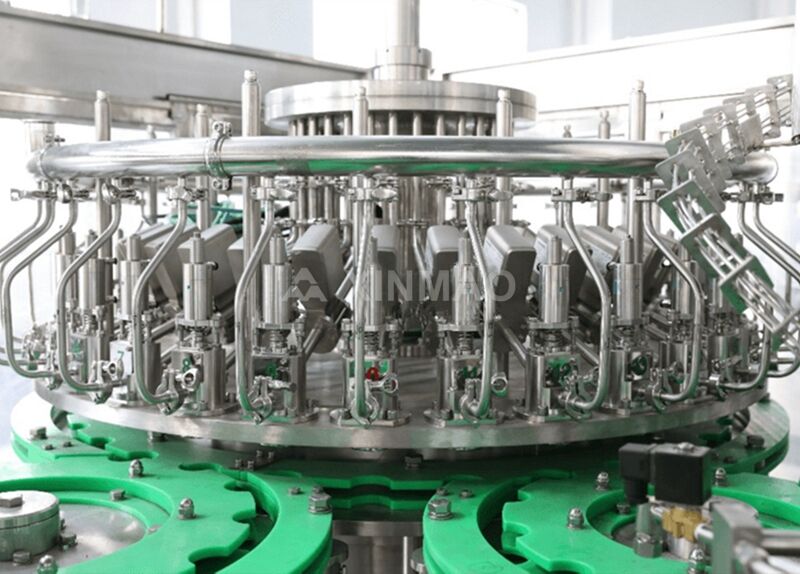
شیشے کی بوتل بھرنے والی مشینیں کس طرح محفوظ اور موثر گرم بھرائی کے عمل کی حمایت کرتی ہیں
حرارتی ایکسپریشن: مشین کی ڈیزائن کو شیشے کی بوتل کی گرم بھرائی کی ضروریات کے مطابق بنانا
جدید شیشے کی بوتل بھرنے والی مشینیں خاص حرارتی انجینئرنگ کو شامل کرتی ہیں تاکہ جوس کے درجہ حرارت تک 95°C کو برداشت کیا جا سکے، جبکہ حرارتی صدمہ اور برتن پر دباؤ کو روکا جا سکے۔ معیاری بھرنے والی مشینوں کے برعکس، ان نظاموں میں مندرجہ ذیل خصوصیات ہوتی ہیں:
- درجہ حرارت کے تیز تبدیلیوں کو برداشت کرنے کے لیے بوروسیلیکیٹ شیشے کے رابطے کے سطحیں
- پھیلنے کے لیے معاوضہ فراہم کرنے والے نوزل جو گرم شیشے میں عارضی ابعادی تبدیلیوں کو قبول کرتے ہیں
- انٹیگریٹڈ پری-ہیٹ زون جو بھرنے سے پہلے بوتل کے درجہ حرارت کو آہستہ آہستہ بڑھاتے ہیں
یہ منسق حرارتی ڈیزائن زیادہ رفتار سے پیداوار کے دوران شیشے کے ٹوٹنے کی شرح کو 0.5 فیصد سے کم کر دیتا ہے— جو غیر بہترین لائنوں کے لیے صنعتی معیار (2–3 فیصد) سے کافی کم ہے— جبکہ FDA 21 CFR حصہ 113 اور ISO 22000 کی مائیکروبیل سیفٹی کی ضروریات کو برقرار رکھتا ہے۔
درست درجہ حرارت کا کنٹرول: جوس کی استحکام اور شیشے کی سالمیت کے لیے اہم پیرامیٹرز
گرم فِل پروسیسنگ کے دوران ±1°C کی درستگی برقرار رکھنا جوس کی معیار اور کنٹینر کی سالمیت دونوں کو برقرار رکھنے کے لیے نہایت ضروری ہے۔ جدید نظام تین باہمی وابستہ پیرامیٹرز کو مسلسل نگرانی میں رکھتے ہیں:
- پروڈکٹ کا درجہ حرارت اور وسکوسٹی ، جو براہ راست فِل کی رفتار، جھاگ کے کنٹرول اور ہیڈ اسپیس کی یکسانی کو متاثر کرتے ہیں
- بوتل کی سطح کا درجہ حرارت ، جو لیبل کی چپکنے کی صلاحیت اور اگلے مرحلے کے معائنے کو متاثر کرنے والی کندنسی کو روکنے کے لیے انتہائی اہم ہے
- فِل کے بعد ٹھنڈا کرنے کا گریڈیئنٹ ، جسے باقیماندہ حرارتی تناؤ کو کنٹرول کرنے اور ویکیوم تشکیل کے دوران مائیکرو فریکچرز کو روکنے کے لیے ڈیزائن کیا گیا ہے
پیئر جائز ریسرچ جو غذائی انجینئرنگ کا جریدہ (2022) کی تصدیق کرتا ہے کہ اس قسم کی درستگی سے شیشے کے پیکیجنگ میں آکسیڈیٹو تخریب اور حرارتی دراڑوں کو کم کرنے کی وجہ سے روایتی گرم بھرنے کے طریقوں کے مقابلے میں مصنوعات کی مدتِ استعمال تک 30 فیصد تک بڑھا دی جاتی ہے۔
شیشے کی بوتلز کے لیے گرم بھرنے کی لائن کو بہتر بنانا: ناکامی کو دور کرنے سے لے کر سیل کرنے تک
گرم بھرنے کے ذریعے برتنوں کو ناکام کرنا: حرارتی علاج کیسے شیشے کے پیکیجنگ میں جوس کی معیار کو برقرار رکھتا ہے
گرم بھرنے کا طریقہ جوس میں موجود مضر بیکٹیریا کو ختم کرنے کے لیے حرارت کا استعمال کرتا ہے، اور اسی وقت شیشے کی بوتلز کے اندر کو صاف کرتا ہے۔ جوس کو تقریباً 85 سے 96 درجہ سیلسیس (یا 185 سے 205 فارن ہائیٹ) کے درجہ حرارت پر برتنوں میں ڈالا جاتا ہے۔ اس بلند درجہ حرارت کا دوہرا اثر ہوتا ہے: یہ نہ صرف جوس کو خود ہی جراثیم سے پاک کرتا ہے بلکہ برتن کے اندر کو بھی صاف کر دیتا ہے۔ اس کا مطلب ہے کہ بھرنے سے پہلے الگ سے صفائی کے اضافی مراحل یا تازگی برقرار رکھنے کے لیے کیمیائی ادویات شامل کرنے کی ضرورت نہیں ہوتی۔ یہ عمل اتنا مؤثر ہے کیونکہ یہ ایک ہی مرحلے میں نہ صرف مصنوعات کی حفاظت بلکہ برتن کی صفائی بھی یقینی بناتا ہے۔
- موثر مائکروبیل کمی (>6-لاگ کمی کا) ایچ کولی , سیچارومایس سیریویسائی ، اور ایسپرگیلوس نائیجر ، امریکی محکمہ زراعت کے فوڈ سیفٹی اینڈ انسپیکشن سروس (USDA-FSIS) کے تصدیقی طریقوں کے مطابق)
- قدرتی خلا سیل تشکیل کے طور پر مصنوعات کو ٹھنڈا اور سخت شیشے کی ساخت کے اندر اندر معاہدے
- آکسیجن کے خارج ہونے اور حرارتی زیادہ تر عرض کے انتہائی کم ہونے کی وجہ سے ذائقہ اور غذائی اجزاء کی بہتر حفاظت
شیشے کی بوتلیں سنبھالنے کے دوران درجہ حرارت کو درست رکھنا بہت اہم ہے، کیونکہ ان کی ایک ایسی حرارتی حدود ہوتی ہے جسے ہم 'تنگ حرارتی درجہ حرارت کی حد' کہتے ہیں۔ اگر درجہ حرارت زیادہ بڑھ جائے تو حرارتی صدمہ (تھرمل شاک) کا حقیقی خطرہ پیدا ہو جاتا ہے جو تمام چیزوں کو توڑ سکتا ہے۔ دوسری طرف، اگر بوتلیں گرمی میں کافی دیر تک نہ رکھی جائیں تو وہ مناسب طریقے سے استریلائز نہیں ہوں گی۔ صنعت کے زیادہ تر ماہرین کا اتفاق ہے کہ تقریباً 90 درجہ سیلسیس کے درجہ حرارت پر 15 سے 30 سیکنڈ تک کا عرصہ حفاظت، کارکردگی اور برتنوں کی مضبوطی کو یقینی بنانے کے لیے بہترین ہے۔ یہ تجویز سالوں تک کئے گئے متعدد تجربات کی بنیاد پر دی گئی ہے اور درحقیقت وفاقی ضوابط میں بھی شامل ہے (اگر آپ تفصیلات چاہتے ہیں تو '21 CFR 120.24' کو دیکھیں)۔ آج کل کے جدید بھرنے کے آلات میں بوتلیں اور نوزلز کے انتہائی اہم مقامات پر براہِ راست درجہ حرارت کے سینسرز لگے ہوتے ہیں۔ یہ خود بخود حالات کی نگرانی کرتے ہیں تاکہ آپریٹرز کو اس عمل کی دستی نگرانی کرنے کی ضرورت نہ پڑے۔ گرم کرنے کے بعد ٹھنڈا کرنے کا مرحلہ آتا ہے جو مصنوعات کی معیاری حفاظت کو برقرار رکھنے اور ان قابل اعتماد خلا کے سیلز کو پیدا کرنے میں مدد دیتا ہے جو مصنوعات کو ماہوں تک دکانوں کی شیلفوں پر تازہ رکھتے ہیں۔
مواد اور عمل کی ہم آہنگی: کیوں شیشے کی بوتلیں خصوصی شیشے کی بوتل بھرنے والی مشینوں کی ضرورت رکھتی ہیں
جویس ہاٹ فِل کے بنیادی اصول: مائیکروبیل حفاظت، ذائقہ برقرار رکھنا، اور حرارتی دباؤ کا انتظام
گلاس کی بوتلیں میں گرم جوس بھرنے کے لیے پلاسٹک یا دھات کے برتنوں کے مقابلے میں بالکل مختلف طریقہ کار کی ضرورت ہوتی ہے۔ شیشہ حرارت کو بالکل اچھی طرح نہیں چلاتا اور دباؤ کے تحت نہ تو پھیلتا ہے اور نہ ہی جھکتا ہے۔ اس لیے اگر لائن پر رکھی ہوئی خالی بوتل کے درجہ حرارت اور جوس کے درجہ حرارت کے درمیان صرف تھوڑا سا فرق بھی ہو، تو شیشے کے اندر تناؤ پیدا ہو جاتا ہے۔ یہ تناؤ اکثر بعد میں بوتل کی دیوار میں دراڑیں کی شکل میں ظاہر ہوتا ہے یا اس سے بھی بدتر، ڈھکن اور شیشے کے ملنے کے مقام پر مکمل ناکامی کا باعث بنتا ہے۔ اسی لیے زیادہ تر جوس کے پیدا کنندگان خاص شیشے کے بھرنے کے آلات میں سرمایہ کاری کرتے ہیں۔ یہ مشینیں ایسے سینسرز سے لیس ہوتی ہیں جو جوس کے درجہ حرارت اور بوتل کی حالت دونوں کو حقیقی وقت میں نگرانی کرتے ہیں، اور آپریشن کے دوران جو کچھ انہیں محسوس ہوتا ہے اُس کی بنیاد پر بھرنے کی شرح اور ٹھنڈا کرنے کے عمل کو خود بخود ایڈجسٹ کرتے ہیں۔
- آہستہ آہستہ، علاقہ وار پیش گرم کرنا جو بوتل کے درجہ حرارت کو بھرنے کے درجہ حرارت کے ساتھ ہم آہنگ کرتا ہے—حرارتی فرق کو 50°C سے زیادہ سے 5°C سے کم تک کم کرنا
- ویسکوزٹی میں تبدیلی کو سنبھالنے کے لیے مائیکرو سیکنڈ کی درستگی کے ساتھ رہنے کا وقت کا انتظام، جو اُچھی شکر یا پلپ والے جوس کے بھرنے کے دوران ہوتی ہے
- ڈھکن لگانے کے فوراً بعد خلا کا استعمال کرنا تاکہ ٹھنڈا ہونے کا عمل شروع ہونے سے پہلے سیل کو مستحکم کیا جا سکے
پورا پیکیج اس طرح کام کرتا ہے کہ وہ بیماری پیدا کرنے والے جراثیم کو 99.9 فیصد سے زیادہ کم کر دیتا ہے، بغیر کہ نازک خوشبو کے مرکبات کو متاثر کیے یا حرارت سے متاثر ہونے والے غذائی اجزاء جیسے وٹامن سی اور فولیٹ کو تباہ کیے۔ تاہم، جب صنعت کاران کے پاس شیشے کے برتنوں کی منفرد خصوصیات کو سنبھالنے کے لیے بنی ہوئی مشینری نہیں ہوتی، تو معاملات تیزی سے پریشان کن ہو جاتے ہیں۔ ان صورتوں میں ٹوٹنے کا تناسب 15 فیصد سے بھی زیادہ ہو سکتا ہے، اور اس کے علاوہ خلا کے دباؤ میں ناہمواری اور ذائقہ کے زیادہ تیزی سے آکسیڈائز ہونے جیسے مسائل بھی پیدا ہوتے ہیں۔ یہ مسائل صرف فنی پریشانیاں نہیں ہیں بلکہ یہ درحقیقت مصنوعات کی حفاظت کو خطرے میں ڈالتی ہیں اور وقتاً فوقتاً صارفین کے برانڈ کے بارے میں تصور کو بھی متاثر کرتی ہیں۔
جوس کی پیداوار کے لیے مناسب شیشے کی بوتل بھرنے والی مشین کا انتخاب
جب صحیح شیشے کی بوتل بھرنے والی مشین کا انتخاب کر رہے ہوں، تو کئی اہم عوامل ہیں جن پر غور کرنا ضروری ہے، جو ایک دوسرے کے ساتھ ہاتھ میں ہاتھ ڈال کر کام کرتے ہیں۔ پیداواری صلاحیت شاید سب سے پہلا معاملہ ہے جس پر نظر ڈالنی چاہیے۔ یقینی بنائیں کہ یہ موجودہ ضروریات کے مطابق ہو اور مستقبل میں توسیع کے لیے بھی کافی گنجائش موجود ہو، کیونکہ یہ مشینیں گھنٹے میں تقریباً 2,000 سے لے کر 32,000 تک بوتلیں بھر سکتی ہیں۔ اگر آپ ایک چھوٹی سی مشین خرید لیتے ہیں تو بعد میں مہنگی اپ گریڈنگ کی ضرورت پڑ سکتی ہے۔ اس کے بعد، یہ چیک کریں کہ آیا آلات کو مناسب ہاٹ فِل (گرم بھرنے) کی سند حاصل ہے۔ مشین کو تقریباً 85 سے 95 درجہ سیلسیس کے درجہ حرارت کو مسلسل برداشت کرنے کی صلاحیت ہونی چاہیے، خاص طور پر ان اجزاء میں جو مصنوعات کے رابطے میں آتے ہیں۔ ابعادی لچک کا بھی اہم مقام ہے۔ زیادہ تر نظام معیاری بوتل گردن کے سائز جیسے PCO 1881 یا 28 ملی میٹر اور 38 ملی میٹر کے کھلے سائز کے ساتھ کام کرتے ہیں، لیکن بوتل کی لمبائی میں ±1 ملی میٹر تک کے فرق اور شیشے کی بوتلیں کے نچلے حصے کی آنیلنگ کے بعد مختلف سطحیں بھی نظرانداز نہ کریں۔ استحکام کے لیے سٹین لیس سٹیل کی تعمیر اہم ہے۔ ایسی مشینیں تلاش کریں جو نوزل، مینی فولڈ اور ساختی سہارے سمیت مکمل طور پر گریڈ 316L سٹین لیس سٹیل سے بنی ہوں، تاکہ وہ کوروزن کے مقابلے میں مزاحمت کر سکیں اور CIP اور SIP جیسے صفائی کے عمل کے ساتھ بہترین کارکردگی دے سکیں۔ آخر میں، اس بات پر غور کریں کہ نظام آٹومیشن کے انضمام کے لیے کتنی تیار ہے۔ اوپن پروٹوکول PLCs جیسے ایتھر نیٹ/IP یا OPC UA کا استعمال کرنے والی مشینیں عام طور پر پاسٹرائزرز، کیپرز اور لیبلرز سمیت پیداواری لائن کے دیگر آلات کے ساتھ بہتر طریقے سے منسلک ہوتی ہیں۔ گذشتہ سال 'فوڈ سیفٹی جرنل' میں شائع ہونے والی تحقیق کے مطابق، اس قسم کے انضمام سے آلودگی کے خطرات تقریباً 72% تک کم ہو جاتے ہیں۔ اور ہمیں توانائی کی بچت کو بھی نظرانداز نہیں کرنا چاہیے۔ متغیر فریکوئنسی ڈرائیوز اور ری جنریٹو بریکنگ کی خصوصیات سے لیس ماڈلز عام طور پر پانچ سال کے دوران بجلی کے بل میں 18% سے 30% تک کمی لا دیتے ہیں۔ لہٰذا، جب آپ تھرمل درستگی کے بارے میں سوچ رہے ہوں، تو یاد رکھیں کہ یہ صرف مصنوعات کی معیاری کیفیت تک محدود نہیں رہی بلکہ یہ مالیاتی لحاظ سے بھی معقول فیصلہ ہے۔
فیک کی بات
گلاس بوتل بھرنے کی مشینوں میں حرارتی یکجُتی کیوں اہم ہے؟
حرارتی یکجُتی گلاس کے خاص اجزاء جیسے بوروسلیکیٹ گلاس کی سطحیں اور پیشِ گرمی کے علاقوں کو شامل کرکے حرارتی صدمہ اور برتن پر دباؤ کو روکتی ہے، جس سے ٹوٹنے کی شرح کو کافی حد تک کم کیا جاتا ہے۔
گلاس بوتل بھرنے کی مشینیں جوس کی استحکام اور سالمیت کو کیسے برقرار رکھتی ہیں؟
یہ مشینیں مصنوعات کے درجہ حرارت، بوتل کی سطح کے درجہ حرارت اور ٹھنڈا ہونے کے گریڈینٹس کو مستقل طور پر نگرانی کرکے درست درجہ حرارت کنٹرول کو یقینی بناتی ہیں تاکہ مصنوعات کی فروخت کی مدت بڑھائی جا سکے اور گلاس میں دراڑیں پیدا نہ ہوں۔
گلاس بوتل بھرنے کی مشین منتخب کرتے وقت مجھے کن معیارات پر غور کرنا چاہیے؟
پیداواری صلاحیت، گرم بھرنے کا سرٹیفیکیشن، ابعادی لچک، سٹین لیس سٹیل کی تعمیر اور خودکار کارکردگی کے انضمام پر غور کریں تاکہ پروسیسنگ لائن میں کارکردگی اور پائیداری کو یقینی بنایا جا سکے۔
موضوعات کی فہرست
- شیشے کی بوتل بھرنے والی مشینیں کس طرح محفوظ اور موثر گرم بھرائی کے عمل کی حمایت کرتی ہیں
- شیشے کی بوتلز کے لیے گرم بھرنے کی لائن کو بہتر بنانا: ناکامی کو دور کرنے سے لے کر سیل کرنے تک
- مواد اور عمل کی ہم آہنگی: کیوں شیشے کی بوتلیں خصوصی شیشے کی بوتل بھرنے والی مشینوں کی ضرورت رکھتی ہیں
- جوس کی پیداوار کے لیے مناسب شیشے کی بوتل بھرنے والی مشین کا انتخاب
- فیک کی بات