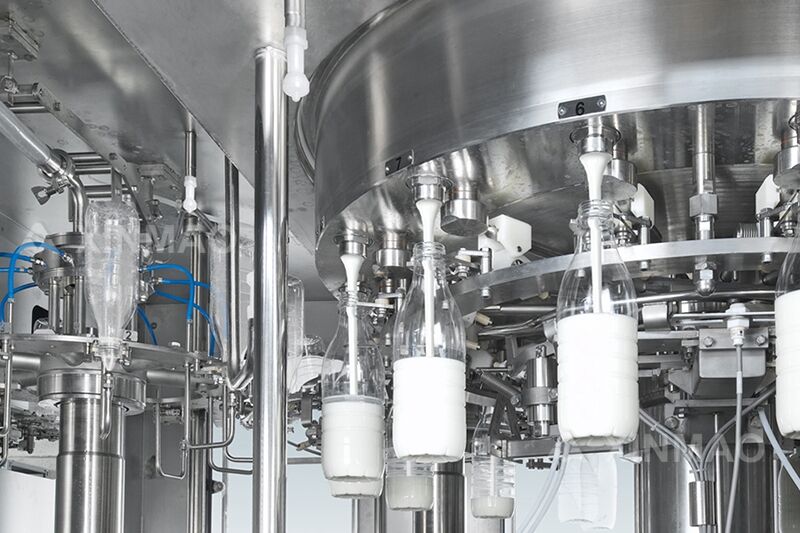
How Beverage Filling Machines Address Core Liquid Properties
Viscosity, CO₂ pressure, thermal sensitivity, and oxygen reactivity as critical selection criteria
When choosing a beverage filling machine, there are four key liquid properties that must be considered to stop spoilage and maintain product quality. The thickness of the liquid plays a big role here. Gravity fed systems work well for thin liquids like water, but when dealing with something thicker like juice or smoothies, piston based machines tend to perform better. Carbonated drinks present another challenge altogether. These need special counter pressure filling techniques to avoid excessive foaming and losses in carbonation levels that can go beyond 20%. For products that are sensitive to heat, such as fresh fruit juices, manufacturers typically follow hot fill procedures around 85 to 95 degrees Celsius according to FDA guidelines 21 CFR §113, or opt for cold aseptic methods instead. Craft beers and other oxygen sensitive beverages demand strict control over oxygen intake, usually keeping it below 0.5 parts per million through processes involving inert gas flushing. Facilities that overlook any of these important considerations often end up with inconsistent fill levels, off flavors developing over time, shorter shelf lives, and ultimately higher waste rates somewhere between 7% and 12% when they're using equipment that doesn't match their specific needs.
Why universal beverage filling machines fail: evidence from ISO 22000 and FDA 21 CFR audits
The latest ISO 22000 and FDA 21 CFR audits have uncovered serious problems with those so-called universal beverage filling machines. When these machines switch between different liquids, they just aren't safe enough. Carbonated drinks lose about 30% of their CO₂ because the pressure seals simply don't hold up. Juice processing is another issue entirely, where around one in eight batches ends up contaminated with microbes due to bad temperature changes during production. Looking at the audit numbers paints an even worse picture. About 40% of the time, these machines fail to meet fill weight standards when dealing with varying viscosities, which breaks FDA rules on proper labeling. For oxygen sensitive stuff like beer and wine, the problem gets even bigger. Standard machines tend to leak through diaphragm valves, causing spoilage issues. All these flaws lead to product recalls quite often too. The FDA has sent warning letters in roughly a quarter of cases where these universal machines were deployed, pointing specifically to cross contamination risks. At this point, it seems pretty clear that specialized equipment works much better than trying to force all products through the same system if companies want to stay compliant with regulations.
Water Filling Machines: High-Speed, Low-Complexity Precision
Gravity and Overflow Filling Technologies Optimized for Non-Carbonated, Low-Viscosity Beverages
Water bottling facilities mostly rely on gravity and overflow filling systems because they're mechanically simple and work really well with thin, runny liquids. The basic idea is pretty straightforward: these machines depend on air pressure to get the job done. When nozzles open, product flows out until the liquid reaches a sensor tube, which then stops everything right away. No need for fancy pumps or complicated pressure settings here. This setup lets production lines crank out over 24 thousand bottles an hour, and keeps fill volumes spot on within about half a percent either way. Getting this kind of accuracy matters a lot since even a small mistake adds up fast. A recent study from Food Engineering showed that just a 1% error rate could cost around $40k each year for one production line alone. Another nice thing about overflow systems is how they handle different bottle heights without needing constant adjustments, which makes them great for those lightweight PET bottles we see everywhere nowadays. Plus, most of these machines are built with stainless steel inside, so they meet all the necessary sanitation standards for regular drinks and require less cleaning and maintenance overall.
Juice and Hot-Fill Beverage Filling Machines: Safety, Stability, and Shelf-Life Trade-offs
Hot-fill protocols (85–95ºC) and microbial validation per FDA 21 CFR §113
Beverage filling machines designed for hot-fill applications typically pasteurize juice at temperatures between 85 and 95 degrees Celsius prior to packaging operations. The heating process effectively kills harmful bacteria such as E. coli and Salmonella, meeting the standards outlined in FDA regulation 21 CFR §113. During the filling operation itself, both containers and their closures get sterilized at the same time, which allows products to maintain freshness for up to twelve months without needing any chemical preservatives added. To validate these systems work properly, manufacturers conduct several tests including microbial challenge studies that confirm at least a five log reduction in pathogens, map out temperature distribution across product cold spots, and check how well seals hold up when subjected to vacuum conditions. If the system detects temperature fluctuations beyond plus or minus 2 degrees Celsius during processing, it automatically shuts down to avoid potential quality issues from incomplete pasteurization. Contemporary equipment can maintain fill level consistency below 0.1 percent variance even when operating at 90 degrees Celsius thanks to advanced recirculating heat exchanger technology now commonly integrated into production lines.
Cold aseptic vs. hot fill: evaluating modern beverage filling machine capabilities for nutrient-sensitive juices
Cold aseptic filling preserves heat-sensitive nutrients but demands stricter environmental controls. Unlike hot-fill systems, it requires HEPA-filtered ISO 5 cleanrooms (<1 CFU/m³ air), pre-sterilized containers via hydrogen peroxide or radiation, and separate tunnel pasteurization equipment.
| Parameter | Hot-Fill | Cold Aseptic |
|---|---|---|
| Vitamin C Retention | 70–85% | 92–98% |
| Capital Cost | $250k–$500k | $1M–$2.5M |
| Energy Consumption | 35–50 kW/h | 15–25 kW/h |
For delicate juices like acerola or açaí, cold filling prevents 15–30% nutrient degradation. However, hot-fill remains preferable for high-acid juices (pH < 4.6) where thermal sensitivity is less critical.
Carbonated and Beer Filling Machines: Managing CO₂ Integrity and Oxygen Exclusion
Isobaric (counter-pressure) filling mechanics and real-time CO₂ loss mitigation
Isobaric filling tech works against CO₂ loss by getting the container pressure just right compared to what's inside the beverage before any liquid actually moves. When done properly, this stops those pesky carbonation bubbles from escaping during the filling process. And trust me, losing even 10% of CO₂ makes a real difference in how good carbonated drinks taste and feel. These days, most modern filling equipment comes equipped with pressure sensors plus those fancy PLC controlled valves that tweak gas flow as needed, keeping pressure stable within about 0.1 bar range. What does all this mean? Well, manufacturers report cutting down on CO₂ waste somewhere between 18% and 22% when switching from old school methods. Plus they can crank out over 300 bottles per minute without worrying about foamy messes everywhere. Another smart touch is synchronizing the actual filling with the sealing step, which helps trap all that precious carbonation so consumers get consistently fizzy drinks right from the factory shelf to their glass.
Sanitation-critical piston and rotary systems with <0.5 ppm O₂ ingress for alcohol and craft beer
Beverages sensitive to oxygen content, especially things like beer, need filling equipment that keeps oxygen ingress below around 0.5 parts per million. At this level, oxidation starts to noticeably affect flavor profiles and cause staling over time. Piston fillers work particularly well for this application because they create tight seals and use inert gases during the process. The rotary systems are great too, especially when speed matters since they can be cleaned quickly using those standard CIP protocols that meet FDA requirements. Most modern setups feature stainless steel throughout the liquid path and include those triple lip seals which really help keep microbes out. And there are these automatic oxygen sensors now that will actually shut down the system if readings go above 0.3 ppm. For craft brewers, this kind of control makes all the difference in preserving those delicate hop notes that define their products. Wineries benefit as well by avoiding that vinegar-like spoilage problem. Shelf life gets extended anywhere from a month to two months depending on storage conditions and product type.
FAQ
What are the main liquid properties that affect beverage filling machines?
Viscosity, CO₂ pressure, thermal sensitivity, and oxygen reactivity are the core properties that affect how a filling machine should be selected.
Why are universal filling machines problematic?
Universal filling machines can lead to problems such as carbonation loss, microbial contamination, non-compliance with fill weights, and oxygen-related spoilage, leading to product recalls and quality issues.
What are the differences between hot-fill and cold aseptic filling?
Hot-fill processes are less costly but reduce nutrient quality, whereas cold aseptic filling retains more nutrients but requires higher capital investment and stricter environmental controls.
How do modern carbonated beverage filling machines preserve CO₂ and prevent oxygen ingress?
Modern machines use isobaric filling to maintain carbonation, while advanced systems keep oxygen ingress very low to prevent flavor degradation and spoilage.