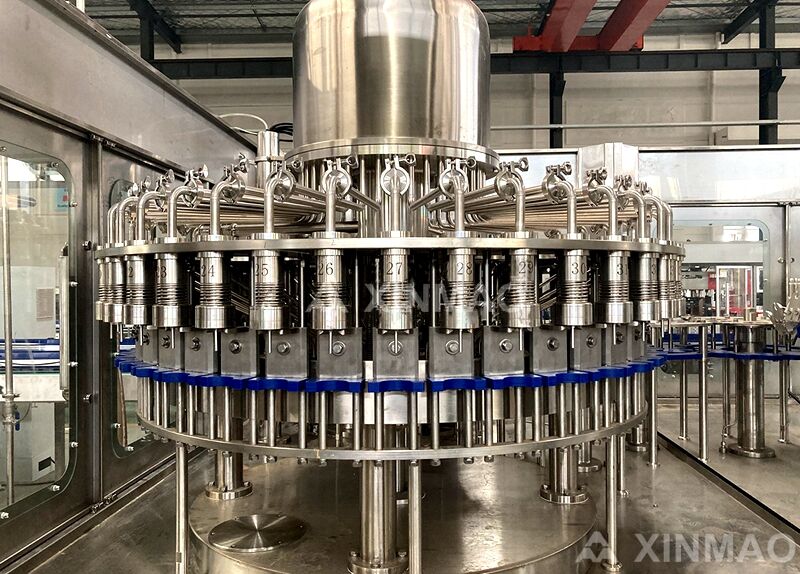
Სიხიმრის გავლენა წვენის სავსები მანქანების მუშაობაზე
Სიხიმრის გავლენა დინების სიჩქარეზე და ხახზე წვენის შევსების პროცესში
Წვენის სითხვის სისქე მნიშვნელოვან როლს ასახავს იმის განსაზღვრაში, თუ როგორ მოძრაობს იგი დამუშავების სისტემებში. როდესაც ვხედავთ 5000 cP-ზე მეტ სისქის ფორმულებს, ეს შეიძლება დაახლოებით სამ მეოთხედით შეამციროს დინების სიჩქარე, წყალზე უფრო თხელი სითხის შედარებით. მაგალითად, მანგოს გელი, რომელიც ჩვეულებრივ 12,000-დან 20,000 cP-მდე მერყეობს. ასეთი სიმკვრივის პროდუქები ზედმეტად დაატვირთავს პომპებს და დამუშავების შემდეგ ხშირად რჩება სარქვლების არხებში. რა ხდება შემდეგ? არასრული შევსება და ის შეწუხებული გათიშვები, რომლებიც არავის სურს. სისტემას უფრო მეტი მუშაობა მოუწევს, რადგან იგი 30-დან 50%-ით მეტი წნევით უნდა გადალახოს წინააღმდეგობა. ეს ზედმეტად დაატვირთავს სანაგვეებს და კლაპნებს, რის გამოც ისინი უფრო სწრაფად იცვლებიან.
Წვენის სითხვის გაზომვა: მნიშვნელობები 50,000 cP-მდე და შევსებისთვის მნიშვნელობა
Შევსების სისწორის ოპტიმიზაციისთვის საჭიროა სითხვის ზუსტი გაზომვა ბრუნვითი ვისკოზიმეტრების გამოყენებით. გავრცელებული დიაპაზონები შედის:
| Წვენის ტიპი | Სიბლანტის დიაპაზონი | Შევსების სიჩქარის გავლენა |
|---|---|---|
| Სუფთა ვაშლის წვენი | 1–100 cP | Სტანდარტული ოპერაცია |
| Პომიდვრის წვენი | 5,000–10,000 cP | 25% სიჩქარის შემცირება |
| Ბანანის პიურე | 30,000–50,000 cP | Მოითხოვს წინასწარ გათბობას |
20,000 cP-ზე მეტი სიბლანტის მქონე წვენები ხშირად მოითხოვს პისტონურ სავსებებს უფრო ფართო სადინრით, რათა თავიდან აიცილოს შეზღუდვები და შეინარჩუნოს მუდმივი გამოტანა.
Სიბლანტით გამოწვეული სავსები მანქანების დაბლოკვის გავრცელებული სიმპტომები
Იმის ნიშნები, რომ რაღაც ხდება სითხვის სიბლანტის შესახებ, ჩვეულებრივ გამოიხატება შევსების რაოდენობის შეუსაბამობით, რომელიც იცვლება 8-დან 12 პროცენტამდე, ტუმბოები უცნაურ ხმებს ამოჰყავთ მაშინ, როდესაც შიგნით აიჭერება ჰაერი, ამას დაემატება ჭკვიანი ნაკრებების წარმოქმნა სადინრებზე და ყოველ საათში ერთხელ მომხდარი გაუთვალისწინებელი გაწმენდის შეჩერებები, რაც ნამდვილად არღვევს წარმოების განრიგს. ინდუსტრიული ჯგუფის მიერ წელს გამოქვეყნებული კვლევის თანახმად, წვენის დამუშავების საწარმოებში მომხდარი უკვე ყველა უცებ შეჩერების მიზეზი სიბლანტის გაზომვის შეცდომებია. პრობლემა განსაკუთრებით უარესდება მსუბუქ ციტრუსიან სასმელებსა და მძიმე რძის ალტერნატივებს შორის გადართვისას, თუ ჯერ არ შეიცვალა მოწყობილობის პარამეტრები.
Სიბლანტიანი წვენის შევსების მანქანებისთვის ოპტიმალური ტუმბოს არჩევანი
Რატომ აღემატება პისტონური და დადებითი გადაადგილების ტუმბოები სიბლანტ წვენებთან მუშაობისას
10,000 cP-ზე მეტი სიბლანტის წვენებისთვის პისტონური და დადებითი გადაადგილების ტიპის პომპები ცენტრიფუგულ კონსტრუქციებზე უკეთესია. ეს სისტემები იძლევა 60–200 PSI გამშვებ წნევას, შეინარჩუნებს ±1%-იან სიზუსტეს სიბლანტის რყევების მიუხედავად და 97%-ით ამცირებს დაბლოკვას სივრცით მიმდინარე სისტემებთან შედარებით. დახურული խვრილები იცავს თესლიან ტექსტურას, ხოლო პროგრესული ღრუების მქონე მოდელები უხეშ ნაწილაკებს 12 მმ-მდე უმაღლესი ხარისხით ამუშავებს.
Პომპების ტიპების შედარება: პერისტალტიკური წინა ლობური და პისტონური
| Ტუმბოს ტიპი | Მაქსიმალური სიბლანტე | Მართვის ხანგრძლივობა | Ნაწილაკების გამძლეობა |
|---|---|---|---|
| Პერისტალტიკური | 15,000 cP | Ჰაიდრავლიკური მილი: 150–300 ციკლი | ≥5 მმ |
| Ლობური | 80,000 cP | Სამთვიანი სალის შემოწმება | ≥15 მმ |
| Დგუში | 50,000 cP | 6-თვიანი ბორტები/პისტონები | ≥8 მმ |
Ლობის ტიპის პომპები იდეალურია ულტრა სისქის აპლიკაციებისთვის, როგორიცაა ჭიის თესლის ინფუზიები, ხოლო პისტონური მოდელები დომინირებენ მაღალი სიჩქარის ბოთლებში, სადაც სიზუსტე მოითხოვს 300+ კონტეინერ წუთში.
Შემთხვევის ანალიზი: დანაკარგების შემცირება დადებითი გატარების სისტემაზე გადასვლით
Ტროპიკული წვენის წარმოების მწარმოებელმა საათში დანაკარგი შეამცირა 18 წუთიდან 28 წამამდე. გადაყვანის შემდეგ ორსახელური დადებითი გადატარების პომპებზე მუშაობის ხელმისაწვდომობა 99,4% გახდა 3,200 საათის განმავლობაში, პროდუქტის დანაკარგი შემცირდა 83%-ით და შეძლო 25,000 cP-იანი მანგოს ნარინჯის პიურეს პირდაპირი დატვირთვა გამოხდის გარეშე.
Მუდმივი წნევისა და ნაკადის შენარჩუნება ცვალებადი სიბლანტის შეყვანით
Მაღალი სიზუსტის სერვოკონტროლირებადი სისტემები ავტომატურად არეგულირებს პისტონის სიჩქარეს, როდესაც სიბლანტეში ცვლილება საწყისი მნიშვნელობიდან აღემატება 15%-ს. რეალურ დროში მომხდარი წნევის სენსორები იწვევს 5–15 ბრუნი/წთ-იან პომპის კორექტირებას, ვალვის დროის დასაკვირვებლად შესწორებას და ტემპერატურის მოდულაციას მიმდევრობით ჩართული გამათბობლების საშუალებით. ეს დინამიური კონტროლი ახდენს 35,000 cP დაშლილი და 8,000 cP ფოთლოვანი სასწორის გადასვლის თავიდან აცილებას იმავე პროცესში.
Წინაპირობითი თავის დიზაინი და დაბლოკვის საწინააღმდეგო ტექნოლოგია წვენის შევსების მანქანებში
Თავის დიზაინი სიბლანტე სითხეებისთვის: ამორტიზაციის ზონებისა და ნარჩენების დაგროვების მინიმიზაცია
Დღევანდელი წვენის შევსების მოწყობილობები იყენებენ რაღაცას, რასაც ჰყავს სახელი კომპიუტერული ჟიდროდინამიკა ანუ CFD, რათა გააუმჯობინოს თავისუფალი ნაწილების ფორმა. ეს ხელს უწყობს იმ ხშირად გამყინავ ადგილების აღმოფხვრაში, სადაც ხილის ბურღული ხშირად აღმოჩნდება და პრობლემებს იწვევს. ამ მანქანების შიდა ზედაპირები ძალიან გლუვია, რომლებსაც აქვთ მინიმუმ 2მმ რადიუსის მქონე მრუგი ზედაპირები, რათა შეაჩეროს სიმკვრივის მქონე სითხეების დაბლოკვა. 50,000 სანტიპუაზის მქონე სითხეებისთვის ეს ძალიან დიდ განსხვავებას ქმნის. ძველი, წრიული კონტეინერების ნაცვლად, მწარმოებლები ახლა ქმნიან წვეთისებურ განყოფილებებს. ეს ახალი ფორმები 92%-ით ამცირებს სტაგნაციის ზონებს წინა ვერსიებთან შედარებით. დამატებითი უპირატესობა ის არის, რომ თითოეული 8-საათიანი სამუშაო დღის შემდეგ დარჩენილი ნარჩენები 34%-ით ნაკლებია. უფრო სუფთა მანქანები ნიშნავს უკეთეს ჰიგიენის სტანდარტებს და საკვების დამუშავების საწარმოებში უფრო ეფექტურ ოპერაციებს.
Ხვრელების დაბლოკვის საწინააღმდეგო დიზაინის ინოვაციები: თვითგასუფთავებადი მექანიზმები და ვიწროვდებადი ბოლოები
Თაობის წინა მუხლები ინტეგრირებულია ავტომატური გასუფთავების ციკლებით, რომლებიც აქტივირდება წნევის სენსორების მიერ, როდესაც დინების წინააღმდეგობა ზედაპირულზე 15%-ით მეტია. ვარდნილი ბოლოები 25–40° კუთხით ამსრულყოფს დინებას, რაც შემცირებს გამყოფი ფენის წარმოქმნას 18%-ით ტროპიკულ პიურეში. ზოგიერთ მოდელში გამოიყენება ორმაგი მოქმედების გასუფთავება – კომპრესირებული ჰაერის უკანა დინება და საკვების სახის ხსნარის წვეთებით დაფუღვა – რაც უზრუძელყოფს დაბლოკვებს 99,6%-ით უწყვეტი 24/7 ექსპლუატაციის დროს.
Როგორ ახდენს მუხლის დიამეტრი გავლენას სიზუსტეზე და დაბლოკვის სიხშირეზე წვენის შევსების მანქანებში
Მუხლის ღერის ზომა აქვს U-ს მსგავსი მიმართება შესრულებასთან:
- 4–6მმ დიამეტრი უზრუნველყოფს ოპტიმალურ სიზუსტეს (±1,5%) სმუზიებისთვის (1,200–8,000 cP)
- 8–10მმ ღერები შეიძლება გამოყენებულ იქნას ბურღულიანი წვენებისთვის, მაგრამ ზრდის წვეთების რაოდენობას 22%-ით
- 3მმ-ზე ნაკლები დიამეტრი იწვევს ხშირ დაბლოკვებს (>3 შემთხვევა/საათში) ბოჭკოვან ნარევებში
Საველე მონაცემები აჩვენებს, რომ მინიმუმ 60მმ² გამტარობის არეა საჭიროა 14,000 cP მანგოს ნექტარისთვის, რათა შეინარჩუნოს 98% მუშაობის დრო – ეს მნიშვნელოვანი გათვალისწინებაა მანქანის კომპონენტების შერჩევისას.
Სიმკვრივის მქონე წვენების შესავსებად გამგრივების გასაუმჯობესებლად ტემპერატურის კონტროლის სტრატეგიები
Სიმკვრივის მქონე წვენების საუკეთესო შესველის ტემპერატურა: ხარისხისა და გამგრივების ბალანსი
Თერმული რეოლოგიის კვლევების თანახმად, 45–55°C (113–131°F) მდებარე ტემპერატურაზე წვენის სიმკვრივე 65%-მდე შეიძლება შემცირდეს, ხოლო გემო შენარჩუნდეს. ეს დიაპაზონი საშუალებას აძლევს შესველის მანქანებს მუშაობა 85–95% ეფექტიანობით სიმკვრივის მაღალი მაჩვენებლის მქონე სუსპენზიებზე, როგორიცაა მანგოს ნექტარი (15,000–20,000 cP), რაც ოთახის ტემპერატურაზე მუშაობის შემთხვევაში 55–65%-მდე შეადგენს. 60°C-ზე მაღალი ტემპერატურა შაქრის კარამელიზაციას იწვევს, რაც ჭიქებში გასუფთავებად ნარჩენების წარმოქმნას იწვევს.
Ტემპერატურის გავლენა წვენის სიმკვრივეზე და გამგრივებაზე: თერმული რეოლოგიის გამოცდილობიდან მონაცემები
10°C-იანი ტემპერატურის მომატება 40,000 cP-იანი დახლის წვენისთვის აგზნებს საწოლის წნევას 35%-ით. თუმცა, 50°C-ზე მაღალ ტემპერატურაზე ციტრუსის წვენებში აღინიშნება ვისკოზურობის არაწრფივი კლება პექტინის დაშლის გამო, რაც ართულებს თერმული რეჟიმის მართვას. თანამედროვე სისტემები იყენებენ რეალურ დროში ვისკოზურობის სენსორებს, რათა შეამცირონ ტემპერატურული რეჟიმი ±1.5°C-მდე და შეინარჩუნონ სტაბილური დინების სიჩქარე — 150–200 ბოთლი/წუთში.
Გამათბობლებისა და მილსაშუების იზოლაციის გამოყენება სავსების დროს ვისკოზურობის სტაბილურობის შესანარჩუნებლად
Დამცველი სარქვლის სამშრიანი იზოლაცია უჟანგავი ფოლადის მილებზე, რომელიც კომბინირებულია ჩაშენებული ზოლისებური გამათბობლებით, შესანახი აგურებისა და სავსები სადგურების შორის ტემპერატურის დაქვეითებას შეამცირებს 0.3 °C-ით მეტრში. როდესაც საქმე გვაქვს 8,000-დან 12,000 ცენტიპუაზის მქონე სიმკვრივის აკაის ნარევებთან, ჩვენი გარსიანი გაგრილების სისტემა ტემპერატურას მყარად ინარჩუნებს 4-დან 7 °C-მდე. რაც ნამდვილად შთამბეჭდავს, არის ის, რომ ეს სისტემა 92%-ით მეტ ენერგიას ზოგავს ჩვეულებრივ გაგრილების მოწყობილობებთან შედარებით. თითოეულ სავსების შესასვლელში ჩვენ თერმული სურათის მოწყობილობა გვყავს დამონტაჟებული, რომელიც მუდმივად აკონტროლებს პირობებს. თუ ის გამოავლინავს ტემპერატურის 2 °C-ზე მეტ ცვალებადობას, სისტემა ავტომატურად ახდენს კორექტირებას, რათა პროდუქი სტაბილურად და სიბლანტის ცვლილების გარეშე იდინოს.
Ცხელი სავსები წინააღმდეგ ცივი სავსების: ვისკოზური წვენებისთვის უპირატესობები, ნაკლოვანებები და მიკრობიოლოგიური უსაფრთხოება
Წვენის დამუშავების შესახებ როდესაც ვსაუბრობთ, 82-დან 95 გრადუს ცელსიუსამდე ტემპერატურის მქონე ცხელი სავსები მეთოდები ხუთი ლოგით ამცირებს პათოგენებს ამ მჟავურ ხილის წვენებში. მაგრამ აქ არის ერთი პირობა – ეს თბოგამძლეობა ხშირად არღვევს ზოგიერთ ნაზ კონცენტრირებულ კომპონენტს. მეორე მხრივ, 4-დან 10 გრადუ ცელსიუსამდე ტემპერატურაზე ცივი სავსები ხელში იკრძალებს დაახლოებით 18-დან 22 პროცენტამდე მეტ სითბოს მიმართ მგრძნობიარე კვებად ნივთიერებებს მწვანე წვენის პროდუქტებში. რა უარყოფითი? სტერილიზაციის პროცესის ჩატარება ბევრად უფრო დიდ დროს სჭირდება. 2022 წლის FDA-ის უახლესი მითითებების მიხედვით ასეპტური დამუშავების შესახებ, ზოგადად იმ წვენებისთვის, რომლებსაც pH მნიშვნელობა 4,6-ზე ნაკლები აქვთ, ითვლება ცხელი სავსები. თუმცა, ამ ნეიტრალური pH-ის ბოსტნეულის ნარევებისთვის, მწარმოებლები ჩვეულებრივ იყენებენ ცივი სავსების ტექნიკას, იმ პირობით, რომ წარმოების მანძილზე გამოიყენებენ სუფთა შეფუთვის მასალებს.
Სავსები მანქანის არჩევაზე გავლენას მოახდენს: სიბლანტე, სიჩქარე და სავსების სიზუსტის კომპრომისი
Როდესაც წარმოების მსხვილ პროდუქტებზე წვენის შევსებას აირჩევენ, მწარმოებლებს რამდენიმე ფაქტორის გათვალისწინება სჭირდებათ, მათ შორის პროდუქტის სიბლანტე (დაახლოებით 50k cP-მდე), რამდენად სწრაფად სურთ წარმოება და რამდენად ზუსტი უნდა იყოს შევსება (ჩვეულებრივ პლიუს-მინუს ნახევარი პროცენტიდან ორ პროცენტამდე). ძალიან სიბლანტე სუბსტანციებისთვის, როგორიცაა ალუბლის წვენი ან მანგოს პიურე, უმეტეს ქარხანაში მანქანები ჩვეულებრივზე დაახლოებით 15-დან 30 პროცენტამდე ნელა მუშაობს, რათა არ მოხდეს დაგროვება და შეინარჩუნონ დაახლოებით ერთი პროცენტი ერთგვაროვნობა პარტიების გასწვრივ. ასევე არსებობს კომპრომისი სიმკვრივის ან როტაციული პომპების გამოყენებით კარგ შედეგთან მიღწევას შორის და ზუსტი შევსების მიღწევა პისტონების ან პოზიტიური გადაადგილების სისტემების გამოყენებით. პრემიუმ კლასის ორგანული წვენის კომპანიები ხშირად ირჩევენ პისტონზე დაფუძნებულ სისტემებს, რადგან მათ ზუსტ გაზომვებზე განსაკუთრებული ყურადღება აქვთ, მაშინ როდესაც ჩვეულებრივი მასობრივი წარმოების მწარმოებლები ხშირად ირჩევენ უფრო სწრაფ როტაციულ სისტემებს, მიუხედავად იმისა, რომ ზოგიერთ ზუსტებას სათანადოდ მსხვერპლად უწევენ.
Სითხის სიბლანტე და მისი გავლენა სავსებ მანქანაზე: შედარებითი ანალიზი
| Სიბლანტის დიაპაზონი | Машინის ტიპი | Დინების მექანიზმი | Საუკეთესო გამოყენების შემთხვევა |
|---|---|---|---|
| 1–1,000 cp (წყალბრუსხვა) | Გრავიტაციული სავსები | Естественный поток | Საცხოვრებელი ხილის წვენები, ლიმონადები |
| 1,000–20,000 cp | Პისტონური სავსები | Მექანიკური გადაადგილება | Სმუზიები, კრემ-ფუძიანი წვენები |
| 20,000–50,000 cp | Დადებითი გადაადგილება | Ბრუნვითი ლობები | Ორехის კერაკლები, ჩიის თესლის ინფუზიები |
Ეს მატრიცა ხსნის, რატომ აწყვეტენ 68% მწარმოებელი, რომლებიც >10,000 cP სითხეებს ამუშავებენ, გრავიტაციულ სისტემებს და 18 თვის განმავლობაში პისტონურ სისტემებზე გადადიან.
Როდი აირჩიოთ პისტონური სავსებები სიმკვრივის მქონე პროდუქტებისთვის გრავიტაციული ან პომპური სისტემების ნაცვლად
Პისტონური მანქანები აუცილებელია ბურღულიანი ნარევებისთვის (>5% ბოჭკო), ცივად წნეხილი წვენებისთვის, რომლებიც 4°C-ზე დაბალ ტემპერატურაზე აივსება, და საშერის მგრძნობიარე პრობიოტური ფორმულებისთვის. გრავიტაციული სისტემებისგან განსხვავებით, რომლებიც 5,000 cP-ზე მაღლა უარყოფითად იმოქმედებენ, პისტონური სავსებები ინარჩუნებენ ±0.75%-იან სიზუსტეს 35,000 cP-ზე, რაც პრემიუმ სიმკვრივის წვენებისთვის ლიტრზე ღირებულების მიხედვით უფრო ეკონომიურს ხდის მათ, მიუხედავად საწყისი დანახარჯების მაღალობისა.
Სამრეწველო პარადოქსი: მაღალი სიჩქარის ხაზები რთულად უმკლავდებიან სიმკვრივის წვენის ფორმულებს
400 ბოთლის წუთში გატანა კარგად არ მუშაობს იმ შემთხვევაში, თუ საქმე გვაქვს სიმკვრივის მაღალი სასმელების გადამუშავებასთან. ასეთი სიმკვრივის პროდუქებისთვის საჭიროა ნაკლები სიჩქარე, რათა დაიცვას მათი ხარისხი მთელი გადამუშავების მანძილზე. წლის წინა წლის ინდუსტრიული კვლევის მიხედვით, დაახლოებით 4-დან 10 წარმოების ხაზზე გათვლილი 300-ზე მეტი ერთეული წუთში, სინამდვილეში, მუშაობს დაახლოებით მისი საშუალოდ 2/3 სიმძლავრით, როდესაც მუშაობენ 15,000 სენტიპუაზზე მეტი სიმკვრივის სასმელებზე. ძირითადი პრობლემები? საწოვები ბევრად უფრო ხშირად იბლოკება, რაც იწვევს გაწმენდას ყოველ 45-90 წუთში ერთხელ, 8 საათის ნაცვლად, რომელიც არის ჩვეულებრივი შეჩერებების ინტერვალი შემარჩენლობისთვის. პომპებიც უფრო სწრაფად იცვლება, სადეზები კი დაახლოებით სამჯერ უფრო სწრაფად იმატება, ვიდრე ჩვეულებრივ. ასევე არსებობს არაერთგვაროვანი სავსების სიჩქარის პრობლემა, რაც იწვევს დაახლოებით 6-დან 9 პროცენტამდე ყველა კონტეინერის ხელახლა დამუშავების საჭიროებას. ჭკვიანმა წარმოებლებმა დღესდღეობით შემოიღეს შერეული სისტემები. ისინი განკუთვნილ პისტონურ ხაზებს ათავისუფლებენ სიმკვრივის მაღალი სასმელებისთვის, ხოლო მსუბუქი პროდუქებისთვის ინახავენ ცალკე მაღალი სიჩქარის როტაციულ სავსებებს. ეს მიდგომა ტიპიურად აამაღლებს მთლიანი მოწყობილობის ეფექტიანობას 19-დან 27 პროცენტულ წერტილამდე უმეტეს წარმოებაში.
Ხელიკრული
Რა არის სასურველი თბორბადობის დიაპაზონი წვენის შევსების მანქანებისთვის?
Სასურველი თბორბადობის დიაპაზონი იცვლება წვენის ტიპისა და გამოყენებული შევსების მანქანის მიხედვით. ზოგადად, 10,000 cP-ზე დაბალი თბორბადობის მქონე წვენები შეიძლება შეივსოს გრავიტაციული შევსების მანქანებით, ხოლო ამ მაჩვენებელზე მაღალი თბორბადობის შემთხვევაში საჭიროა პისტონური ან პოზიტიური გადაადგილების მქონე შევსების მანქანები.
Როგორ влияет вязкость сока на производительность машины для розлива?
Высоковязкие соки замедляют скорость потока, увеличивают требования к давлению и могут вызывать засорение, что приводит к неполному наполнению и частым остановкам для очистки.
Почему поршневые дозаторы рекомендуются для вязких соковых продуктов?
Поршневые дозаторы обеспечивают постоянную точность дозирования и эффективно справляются с пульпообразными и богатыми клетчаткой соками, что делает их идеальными для формул с вязкостью выше 5000 сП.
Какие стратегии контроля температуры могут улучшить текучесть при розливе вязких соков?
Სასმელების გათბობა 45–55°C-მდე ზრდის მათ მოძრაობადობას ვისკოზურობის შემცირებით, ხოლო არომატის შენარჩუნებას უზრუნველყოფს. გამათბობლებისა და მილопროვოდების იზოლაციის გამოყენება უზრუნველყოფს ტემპერატურის სტაბილურობას და სითხის მუდმივ ვისკოზურობას სავსების დროს.
Შინაარსის ცხრილი
- Სიხიმრის გავლენა წვენის სავსები მანქანების მუშაობაზე
-
Სიბლანტიანი წვენის შევსების მანქანებისთვის ოპტიმალური ტუმბოს არჩევანი
- Რატომ აღემატება პისტონური და დადებითი გადაადგილების ტუმბოები სიბლანტ წვენებთან მუშაობისას
- Პომპების ტიპების შედარება: პერისტალტიკური წინა ლობური და პისტონური
- Შემთხვევის ანალიზი: დანაკარგების შემცირება დადებითი გატარების სისტემაზე გადასვლით
- Მუდმივი წნევისა და ნაკადის შენარჩუნება ცვალებადი სიბლანტის შეყვანით
-
Წინაპირობითი თავის დიზაინი და დაბლოკვის საწინააღმდეგო ტექნოლოგია წვენის შევსების მანქანებში
- Თავის დიზაინი სიბლანტე სითხეებისთვის: ამორტიზაციის ზონებისა და ნარჩენების დაგროვების მინიმიზაცია
- Ხვრელების დაბლოკვის საწინააღმდეგო დიზაინის ინოვაციები: თვითგასუფთავებადი მექანიზმები და ვიწროვდებადი ბოლოები
- Როგორ ახდენს მუხლის დიამეტრი გავლენას სიზუსტეზე და დაბლოკვის სიხშირეზე წვენის შევსების მანქანებში
-
Სიმკვრივის მქონე წვენების შესავსებად გამგრივების გასაუმჯობესებლად ტემპერატურის კონტროლის სტრატეგიები
- Სიმკვრივის მქონე წვენების საუკეთესო შესველის ტემპერატურა: ხარისხისა და გამგრივების ბალანსი
- Ტემპერატურის გავლენა წვენის სიმკვრივეზე და გამგრივებაზე: თერმული რეოლოგიის გამოცდილობიდან მონაცემები
- Გამათბობლებისა და მილსაშუების იზოლაციის გამოყენება სავსების დროს ვისკოზურობის სტაბილურობის შესანარჩუნებლად
- Ცხელი სავსები წინააღმდეგ ცივი სავსების: ვისკოზური წვენებისთვის უპირატესობები, ნაკლოვანებები და მიკრობიოლოგიური უსაფრთხოება
- Სავსები მანქანის არჩევაზე გავლენას მოახდენს: სიბლანტე, სიჩქარე და სავსების სიზუსტის კომპრომისი
- Სითხის სიბლანტე და მისი გავლენა სავსებ მანქანაზე: შედარებითი ანალიზი
- Როდი აირჩიოთ პისტონური სავსებები სიმკვრივის მქონე პროდუქტებისთვის გრავიტაციული ან პომპური სისტემების ნაცვლად
- Სამრეწველო პარადოქსი: მაღალი სიჩქარის ხაზები რთულად უმკლავდებიან სიმკვრივის წვენის ფორმულებს
- Ხელიკრული