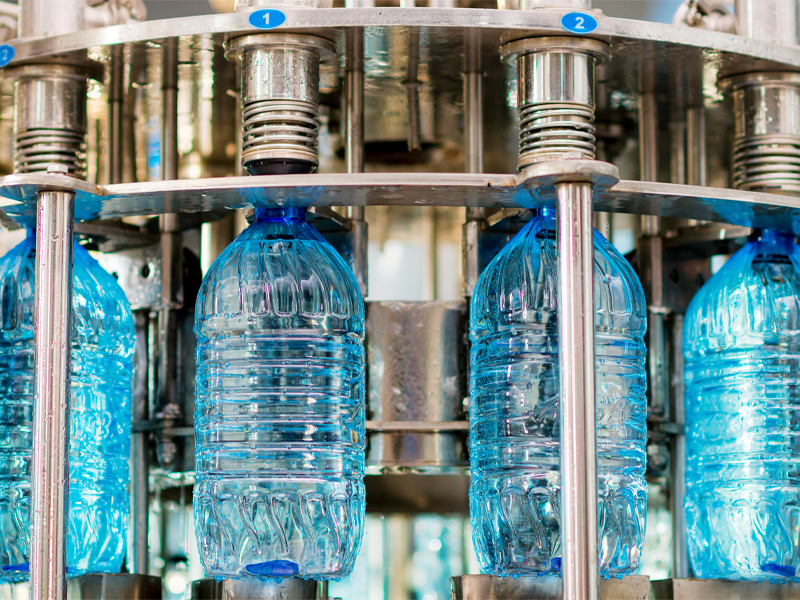
Շշի երկրաչափական ձևի համատեղելիություն. քառակուսի PET շշերի կայուն մշակման ապահովում
Քառակուսի PET (պոլիէթիլեն տերեֆտալատ) շշերի դեպի այդ ձևի անցումը առաջարկում է համոզիչ բրենդինգի և խանութային վայրում ազդեցության առավելություններ, սակայն բարձր արագությամբ լցման միջավայրերում ներմուծում է հստակ մեխանիկական մարտահրավերներ։ Կլոր պրոֆիլներից տարբերվելով՝ քառակուսի շշերը չունեն պտտման սիմետրիա և հենվում են հարթ մակերեսների վրա տեղափոխման համար, ինչը պահանջում է ճշգրիտ ճարտարագիտական հարմարեցումներ ամբողջ գծով։
Ոչ կլոր պրոֆիլների հետ կապված կայունության և համապատասխանեցման մարտահրավերներ
Քառակուսի շշերը համեմատած կլոր շշերի հետ մինչև 30 % նվազեցնում են փոխադրիչ ժապավենների և ուղեցույց ռելսերի հետ արդյունավետ շփման մակերեսը՝ մեծացնելով շշերի թեքվելու, շեղվելու կամ կանգնելու հավանականությունը տեղափոխման ընթացքում։ Այս երկրաչափական առանձնահատկությունը պահանջում է ճշգրտված աստղաձև անվայի երկրաչափություն, ցածր շփման ուղեցույց ռելսեր՝ երկկողմանի կայունացմամբ և սերվո-կառավարվող արագացման պրոֆիլներ, որոնք նվազեցնում են կողային թավալումը։ Առաջատար ՕԵՄ-ները այժմ ներդնում են իրական ժամանակում դիրքի զգայունություն փոխադրիչ շարժիչների մեջ՝ դինամիկորեն հարմարեցնելու արագությունն ու ժամանակացույցը՝ ապահովելով համապատասխանեցումը նույնիսկ 24 000 շիշ/ժամ-ից ավելի արագությունների դեպքում։
Ցանկացած քառակուսի շշի հավաստված բռնման համար պահանջվող վզի բռնման դիզայնի պահանջներ
Ստանդարտ պտտվող բռնիչները՝ նախատեսված գլանաձև վզի վերջավորությունների համար, հաճախ քառակուսի շշերի վզերի վրա կիրառում են անհավասարաչափ շառավիղային ուժ, ինչը վտանգում է վերջավորության ձևափոխումը կամ կնիքի անվավերացումը: Օպտիմալ լուծումները օգտագործում են բազմակետային, հարմարվող բռնման մեխանիզմներ, որոնք համապատասխանում են անկյունագծային վզի պրոֆիլներին՝ միաժամանակ պահպանելով ճնշման հավասարաչափ բաշխումը: Ուժի վերահսկումը կարևորագույնն է. բռնումը պետք է գերազանցի PET-ի նվազագույն պահման սահմանը (սովորաբար 25–30 PSI), սակայն չպետք է գերազանցի նրա սեղմման վերջնական սահմանը (40–60 PSI): Առաջադեմ համակարգերը ներառում են փակ օղակի ուժի հետադարձ կապ, իրական ժամանակում ճշգրտելով բռնման մոմենտը՝ պահպանելու վզի ամբողջականությունը բոլոր կայաններում՝ լվացումից մինչև կնիքադրում:
Ջրի և քառակուսի PET տարաների լցման տեխնոլոգիայի օպտիմալացում
Ծավալային ընտրությունը, մաքուր քաշը և զանգվածի հոսքը. ճշգրտության փոխզիջումները ցածր վիսկոզությամբ հեղուկների համար
Ջրի համար՝ ցածր վիսկոզության և ջերմաստիճանի փոփոխություններին զգայուն հեղուկի, լցման տեխնոլոգիայի ընտրությունը ուղղակիորեն ազդում է լցման համասեռության, տեխնոլոգիական գծի արագության և կարգավորող սահմանափակումների պահպանման վրա (օրինակ՝ FDA 21 CFR §101.105, ԵՄ ուղեցույց 2007/45/EC): Ծավալային լցող սարքերը, որոնք օգտագործում են կալիբրված հոսքի չափիչներ և սերվո-կարգավորվող փականներ, ապահովում են ±1 % ճշգրտություն մինչև 36 000 շամփանյայի շշի ժամը (bph) արագությամբ և սկզբունքորեն անկախ են տարայի ձևից՝ դարձնելով դրանք իդեալական քառակուսի PET տարաների համար: Քաշի (լիցքավորման բջիջների) հիման վրա աշխատող համակարգերը ապահովում են ավելի ճշգրիտ վերահսկում (±0,5 %), իրական ժամանակում չափելով լցված զանգվածը և հաշվի առնելով խիստ փոքր խտության տատանումները և տարայի քաշի տատանումները՝ ինչը արժեքավոր է թեթև PET տարաների օգտագործման օպտիմալացման ժամանակ: Զանգվածային հոսքի չափման համակարգերը տեսականորեն անզգայուն են ջերմաստիճանի փոփոխությունների հետևանքով առաջացած խտության շեղումների նկատմամբ, սակայն դրանք ավելի թանկ են և բարդ, իսկ սովորական ջրի լցման համար դրանց օգտագործումը հազվադեպ է արդարացված: Իրականում ծավալային համակարգերը գերակշռում են բարձր արտադրողականության գծերում, իսկ քաշի հիման վրա աշխատող համակարգերը առավել արդյունավետ են այն դեպքերում, երբ ճշգրտության պահանջը արդարացնում է արտադրողականության նվազեցման զոհաբերությունը՝ օրինակ՝ caրգավորված աղբյուրային ջրի կամ տարբեր ծավալներով լցվող SKUs-ների դեպքում:
Գրավիտացիոն լցնողները և փականավոր/պոմպային լցնողները. համասեռություն, արագություն և ինտեգրում ջրի շշերի լցման մեքենայի գծերի հետ
Գրավիտացիոն լցնողները՝ հիմնված բարձրադիր ռեզերվուարից ժամանակավորված հոսքի վրա, մեխանիկորեն պարզ են և տնտեսավարության տեսանկյունից շահավետ, սակայն տանկի մակարդակի իջնելու հետ մեկտեղ նվազում է լցման արագության հաստատունությունը: Այդ անկայունությունը ավելի է աճում քառակուսի տարաների դեպքում, որոնց անհամաչափ ներքին ծավալային պրոֆիլները ավելի են սրում ցայտաղացումը և օդի կուտակումը: Ի հակադրություն, դրական տեղաշարժի փիստոնային և պերիստալտիկ պոմպային լցնողները ապահովում են կրկնվող ծավալներ՝ անկախ ճնշման գլխից կամ տարայի երկրաչափական ձևից: Պոմպային համակարգերը, հատկապես սերվոշարժիչով փոփոխական արագությամբ կառավարվող տարատեսակները, անխաթար հարմարվում են քառակուսի PET-ի անհամաչափ հատվածին՝ նվազեցնելով փրփուրի առաջացումը, վերահոսքը և լցման հետևանքով տեղի ունեցող նստեցումը: Դրանց մոդուլային կառուցվածքը նաև թույլ է տալիս հարմարեցնել դրանք ստորին գծի կափարիչների, պիտակավորիչների և տուփերի մեջ տեղավորող սարքերի հետ՝ ապահովելով ամբողջ գծի ավտոմատացումը առանց սահմանափակումների: Նոր կամ մոդերնիզացված ջրի արտադրական գծերի համար, որոնք մշակում են քառակուսի PET տարաներ, պոմպային լցնողները համարվում են արդյունաբերության ստանդարտ լուծում՝ համատեղելով արագությունը, ճշգրտությունը և երկարաժամկետ սպասարկելիությունը:
Արտադրական հզորության համաձայնեցում. Արտադրանքի ծավալի համապատասխանեցումը պահանջարկին և գծի ավտոմատացման մակարդակին
Ջրի շշերի լցման մեքենայի ընտրությունը պահանջում է նախատեսված հզորության համաձայնեցումը ոչ միայն ընթացիկ պահանջարկի, այլև ռեալիստական աճի տեմպերի, աշխատողների առկայության և կապիտալային սահմանափակումների հետ: Հզորության չափազանց բարձր նշանակման դեպքում առաջանում է անբավարար օգտագործում և ավելի բարձր շահագործման ծախսեր (OPEX), իսկ չափազանց ցածր նշանակման դեպքում՝ մշտական ավելցուկային ժամեր և բաց թողնված հնարավորություններ: Ավտոմատացման մակարդակը՝ կիսաավտոմատ, ավտոմատ կամ ամբողջովին ինտեգրված, որոշում է մեքենայի մասշտաբավորման հնարավորությունը, աշխատավորների ներգրավման աստիճանը և ընդհանուր սեփականացման ծախսերը:
Կիսաավտոմատից մինչև ամբողջովին ինտեգրված. Ջրի շշերի լցման մեքենայի մասշտաբավորումը ձեր PET արտադրական գծի համար
Կիսաավտոմատ համակարգերը՝ որոնք պահանջում են շշերի ձեռքով լցում, փակած արել և դուրս բերել, առավելագույնը 1500 շուշ/ժամ են կարող մշակել և հարմար են փորձարկման սերիաների, մասնավոր լեյբլների սկզբնավորման կամ բավականին սեզոնային աշխատանքների համար: Ավտոմատ մոնոբլոկները (լվացող-լցնող-փակած արելու համակարգերը) սկսվում են մոտավորապես 6000 շ/ժ-ից և մինչև 24000+ շ/ժ են մեծացվում սերվո սինխրոնացման միջոցով, ինչը թույլ է տալիս հաստատուն տակտային ժամանակի համապատասխանեցում և նվազագույն օպերատորային միջամտություն: Ամբողջովին ինտեգրված գծերը ներառում են տեղում պիտակավորում, տեսողական ստուգում և տուփերի փաթեթավորում՝ հասնելով >30000 շ/ժ արտադրողականության և <1,5 օպերատորի մեկ շիֆտում: Ընտրելիս առաջնային հաշվի առեք մոդուլային կառուցվածքը. ընտրեք այնպիսի հարթակներ, որոնք թույլ են տալիս փուլային արդիականացումներ (օրինակ՝ պիտակավորումը ինտեգրելուց առաջ սերվո լցնողների ավելացում), որպեսզի ներդրումների փուլային իրականացումը համապատասխանի պահանջարկի աճին:
PET-ի հատուկ մեխանիկական ամրություն. Դեֆորմացիայի կանխում և երկարաժամկետ հուսալիության ապահովում
Վակուումի/ճնշման առաջացրած PET շշերի դեֆորմացիա և դրա կանխման միջոցառումներ
Քառակուսի PET շշերը յուրահատուկ վտանգի են ենթարկված կողային պատերի փլուզման՝ հատկապես տաք լցման հետևանքով սառեցման ընթացքում կամ փակած կափարիչների ժամանակ ստեղծվող վակուումային պայմանների դեպքում: Չնայած PET-ը ցուցաբերում է հիասքանչ ձգվածության ամրություն (մինչև 55 ՄՊա) և քիմիական դիմացկունություն, սակայն նրա ծռման մոդուլը կտրուկ նվազում է ապակենման ջերմաստիճանից վեր (մոտավորապես 70 °C), ինչը նվազեցնում է գծի տաքացված հատվածների կոշտությունը: Դեֆորմացիայի վտանգը մեծանում է անհավասար պատի հաստության, սուր մասնատված մակերեսների անցումների և բավարար ամրացման բացակայության պատճառով: Հակազդման միջոցները սկսվում են գծի սկզբում. նախնական ձևավորված մասերի դիզայնը պետք է ապահովի պատերի հավասարակշռված բաշխում՝ ստուգված CT սկանավորմամբ, ինչպես նաև ներառի թեթև ձևավորված եզրեր կամ միկրո-կոնտուրներ հարթ կողային մակերեսներում՝ բարձրացնելու ճկվելու դիմացկունությունը: Սարքի վրա կիրառվող միջոցների մեջ են մտնում վակուումի մեկուսացման կափարիչները, որոնք հավասարակշռում են գլխավոր տարածքի ճնշումը կափարիչները փակելուց առաջ, և ծրագրավորվող ճնշման համակարգավորման մոդուլները, որոնք պահպանում են թեթև դրական ճնշում գլխավոր տարածքում սառեցման ընթացքում: Այս միջոցները՝ հաստատված գծի արագության աստիճանաբար մեծացնող պրոֆիլների հետ միասին, պահպանում են կառուցվածքային հավատարմությունը լցման պահից մինչև պալետավորումը:
Հաճախադեպ տրվող հարցեր
Ինչու՞ են քառակուսի PET շշերը ավելի դժվար մշակել, քան կլոր շշերը
Քառակուսի PET շշերը չունեն պտտական սիմետրիա և ունեն փոքրացված շփման մակերեսներ տրանսպորտյորային համակարգերի հետ, ինչը դրանք ավելի խոցելի է դարձնում թեքվելու, շեղվելու կամ կանգնելու համար բարձր արագությամբ տեղափոխման ժամանակ:
Ինչ են քառակուսի PET տարաների համար ծավալային լցման համակարգերի առավելությունները
Ծավալային լցման համակարգերը ապահովում են ±1 % ճշգրտություն, հեշտությամբ հարմարվում են քառակուսի շշերի ձևին և ապահովում են բարձր համասեռություն՝ մինչև 36 000 շուշ ժամում արագությամբ
Ինչպե՞ս են դրական տեղաշարժի պոմպային լցման սարքերը օգտակար լինում քառակուսի PET շշերի արտադրության համար
Դրանք ապահովում են հաստատուն լցման ծավալներ՝ անկախ շշի երկրաչափական ձևից, միաժամանակ նվազեցնելով փրփուրի առաջացումը, ցայտասպանությունը և լցման հետևանքով առաջացող նստեցումը, ինչը դրանք դարձնում է իդեալական քառակուսի PET շշերի համար
Ինչ են քառակուսի PET շշերի ձևափոխման ռիսկերը արտադրության ընթացքում
Քառակուսի PET շշերը ավելի վտանգված են ջերմային ցիկլերի ժամանակ կողային պատերի փլուզման հանդեպ՝ պայմանավորված պատերի անհավասար հաստությամբ և բարձր ջերմաստիճաններով, որոնք նվազեցնում են կոշտությունը: Ճիշտ դիզայնը և ճնշման համակշռման ռազմավարությունները արդյունավետորեն նվազեցնում են այս ռիսկերը:
Ինչպե՞ս կարող է արտադրական հզորությունը համապատասխանել PET շշերի լցման մեքենաների պահանջի աճին:
Մոդուլային համակարգերի կամ փուլային արդիականացման տարբերակներ ունեցող հարթակների ընտրությունը ապահովում է մասշտաբավորելիությունը, ինչը հնարավորություն է տալիս արտադրողներին համապատասխանեցնել հզորությունը աճող շուկայական պահանջներին՝ միաժամանակ նվազագույնի հասցնելով սկզբնական ներդրումները:
Բովանդակության ցուցակ
- Շշի երկրաչափական ձևի համատեղելիություն. քառակուսի PET շշերի կայուն մշակման ապահովում
- Ջրի և քառակուսի PET տարաների լցման տեխնոլոգիայի օպտիմալացում
- Արտադրական հզորության համաձայնեցում. Արտադրանքի ծավալի համապատասխանեցումը պահանջարկին և գծի ավտոմատացման մակարդակին
- PET-ի հատուկ մեխանիկական ամրություն. Դեֆորմացիայի կանխում և երկարաժամկետ հուսալիության ապահովում
-
Հաճախադեպ տրվող հարցեր
- Ինչու՞ են քառակուսի PET շշերը ավելի դժվար մշակել, քան կլոր շշերը
- Ինչ են քառակուսի PET տարաների համար ծավալային լցման համակարգերի առավելությունները
- Ինչպե՞ս են դրական տեղաշարժի պոմպային լցման սարքերը օգտակար լինում քառակուսի PET շշերի արտադրության համար
- Ինչ են քառակուսի PET շշերի ձևափոխման ռիսկերը արտադրության ընթացքում
- Ինչպե՞ս կարող է արտադրական հզորությունը համապատասխանել PET շշերի լցման մեքենաների պահանջի աճին: