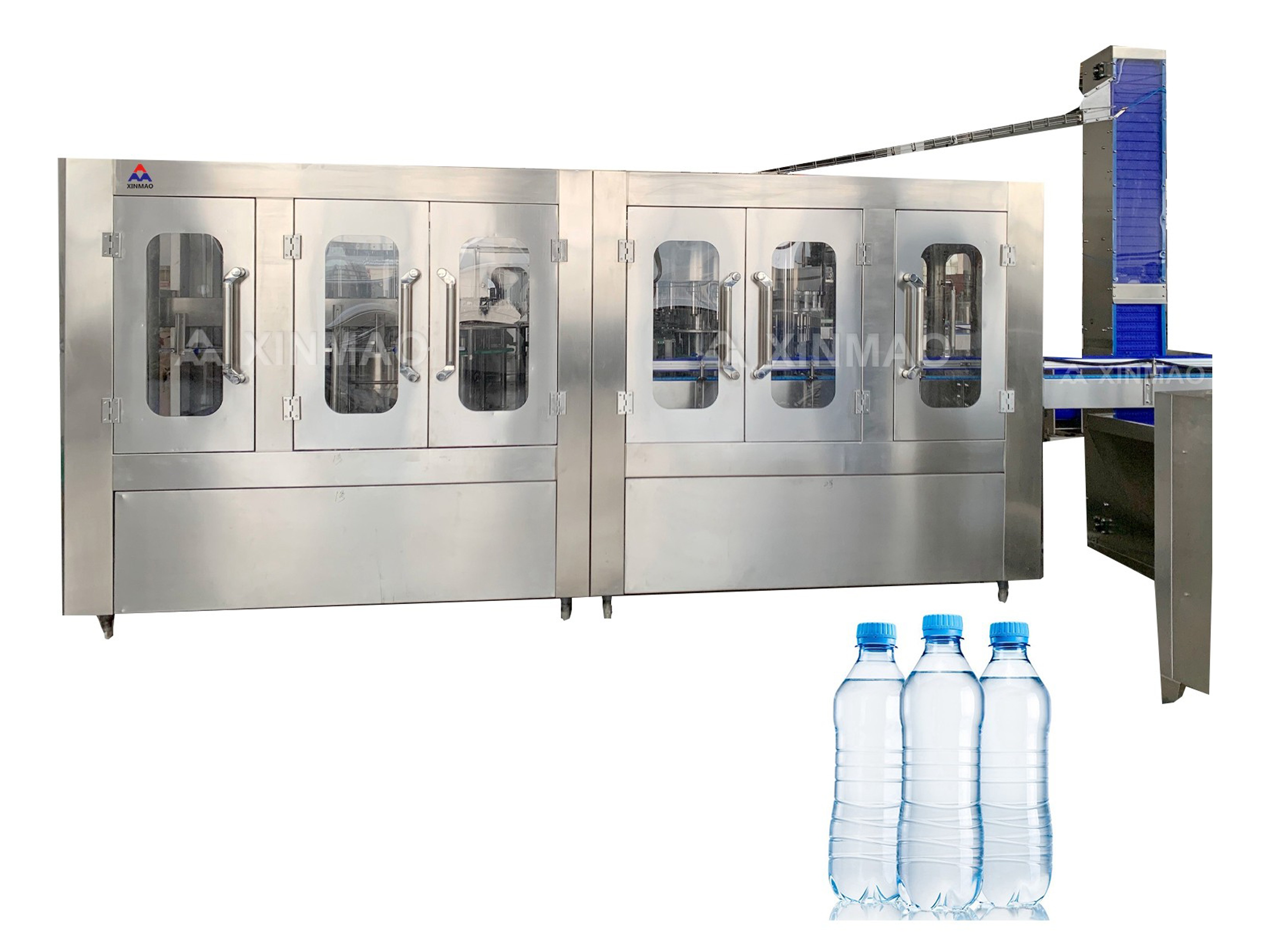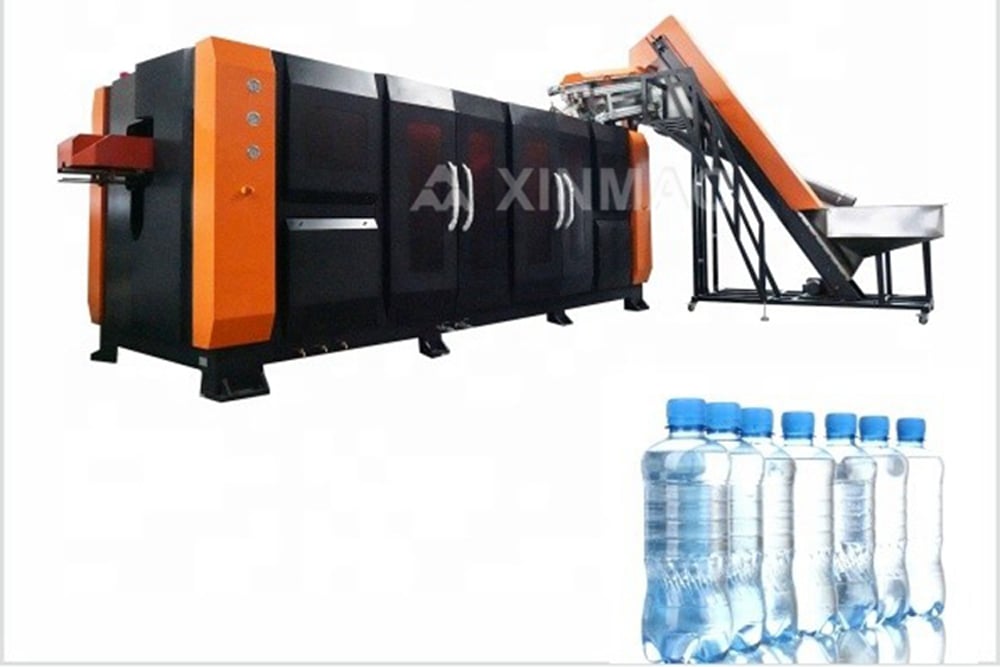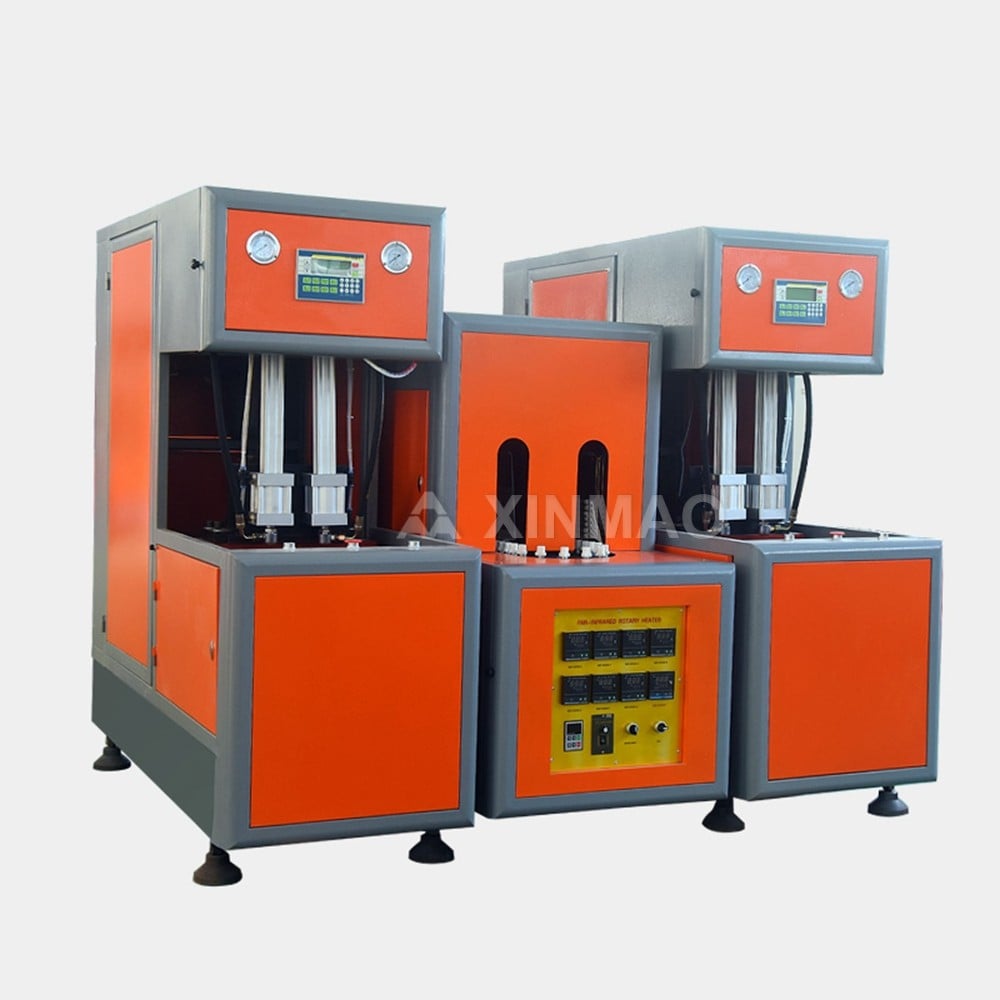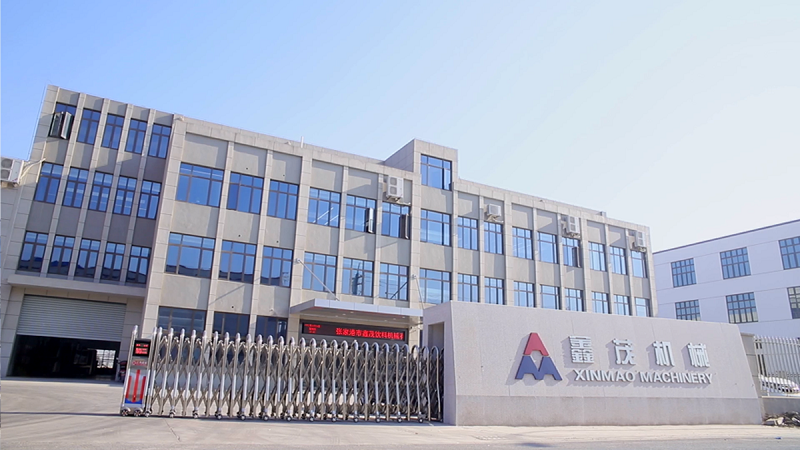
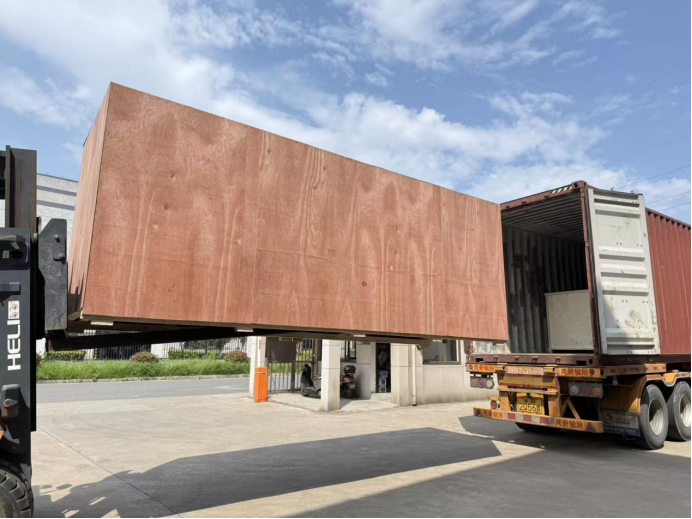
5 jen 2026, pandan yon peryod kòm pa gen pli pli nan sèzon pli mòn sou pati sid la nan Chine, Zhangjiagang te genyen yon jou soley epi klè ki te rar. Soley la te brile fò sou bati modèn anpil nan Zhangjiagang Xinmao Beverage Machinery Co., Ltd., epi li te fè yo brile ak yon lèm or brilant. Menm nivo aktivite a te genyen nan atelye a: yon atmosfè aktif epi ordone, ak machin yo ki te fè brui. Travayè yo te leve deyè yon kontene ak dènye lot kafou wo ki te ekri "Xinmao Machinery" sou yo. Machin sa yo te pou yon liy pwodiksyon konplè pou bòt dlo ak kapasite senk galon ki te pral nan Mozambik nan oryantal Afrik. Etikèt angleyis ki te sot vini nan kafou sa yo epi mo "Maputo" (kapital Mozambik) te anonse kominisman vwayaj sa a atravè Osen Indien.
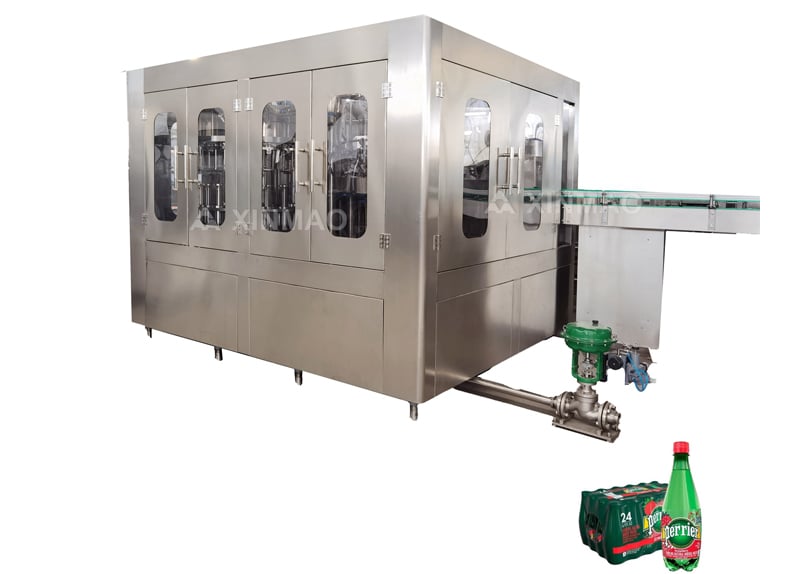
Nan yon atelye estandarize ki gen 7,000 met kare, liny produksyon anpil pèp pral Afrik la se ap dekonpose, emballaje ak prepare pou sòti. Soti nan filtre presi ak logman memran RO sistè twatman dlo a, rive nan inite entegre pou rase, ranpli ak fèmen bòtèl machin ranplisaj la, epi rive nan machin etiketaj otomatik ak machin emballaj pa soudi pou emballaj anpil pèp, chak ekipman pase yon ispeksyon kalite sèvè. Yon ispektè kalite eksperimante, ki tenn rapò esè a nan men li, ap fin konfime paramèt kabinet kontwòl PLC a. Li ekize soud nan frons li epi li di: « Klima nan Afrik la cho ak kwalite dlo a diferan de nòt. Nou te optimize sistè sa a spesifikman ak kòmponan elektik ak kanalizasyon rezistan kòròzyon pou adapte l nan kondisyon chof ak omyisite eleve. »
Xinmao Machinery te asire ordir sa a sòti nan Mozambik pa sèlman paske pwodui yo sepiye, men tou paske kapasite sèvis yo kominisyon tout kou chenn sipleman. Selon jènèral sèvè ki te sou plas, ekspò sa a genyen pa sèlman inite prensipal la, men tou yon solisyon konplè ki gen konsiltasyon pwosesis, desen implanasyon fabrik, instalasyon ak mete an sirvis, ak fòmasyon teknik sibsekan. Nan yon kòn atelye a, kèk inizye te reyini anpil sou yon ordinate, yo testen yon diagram instalasyon simulasyon 3D. Yo pral vole nan Maputo aprè ekipman yo rive pou dirije travayè lokòl yo nan konpleksyon instalasyon ak mete an sirvis. Modè "tout prèt" sa a se yon mikrokozim transfo mounfaktirè Chinywa a sòti nan vann pwodui pou vann sèvis.
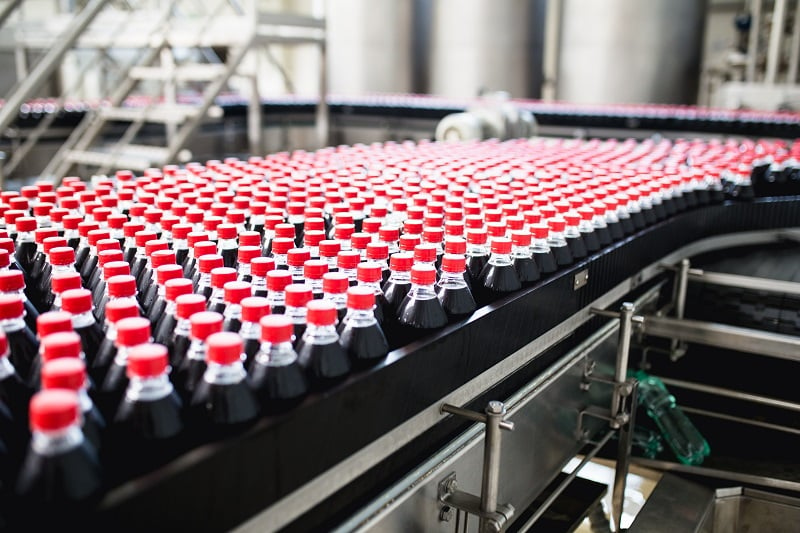
Poukisa liy pwodiksyon bòt dlo 5 galon (apwoksimanman 18,9 lit) popilè nan Mozambik? Repons lan reze nan yon lojik mache fò. Kòm yon peyi en devlopman, Mozambik ap viv yon urbanizasyon rapid, men rezo sèvis dlo mounisipal l pa ekilibre epi pri bòt dlo a relatifman wo. Dlo bòte kapasite gwo a devene yon nesesite pou menaj ak biro nan vil yo. Yon liy pwodiksyon estanda 5 galon, ki kapab pwodui ant 300 ak 1500 bòt pa è, konplèteman reponn bezwen gwo eka pou distribisyon dlo pòtè nan vil afrikèn meyen.
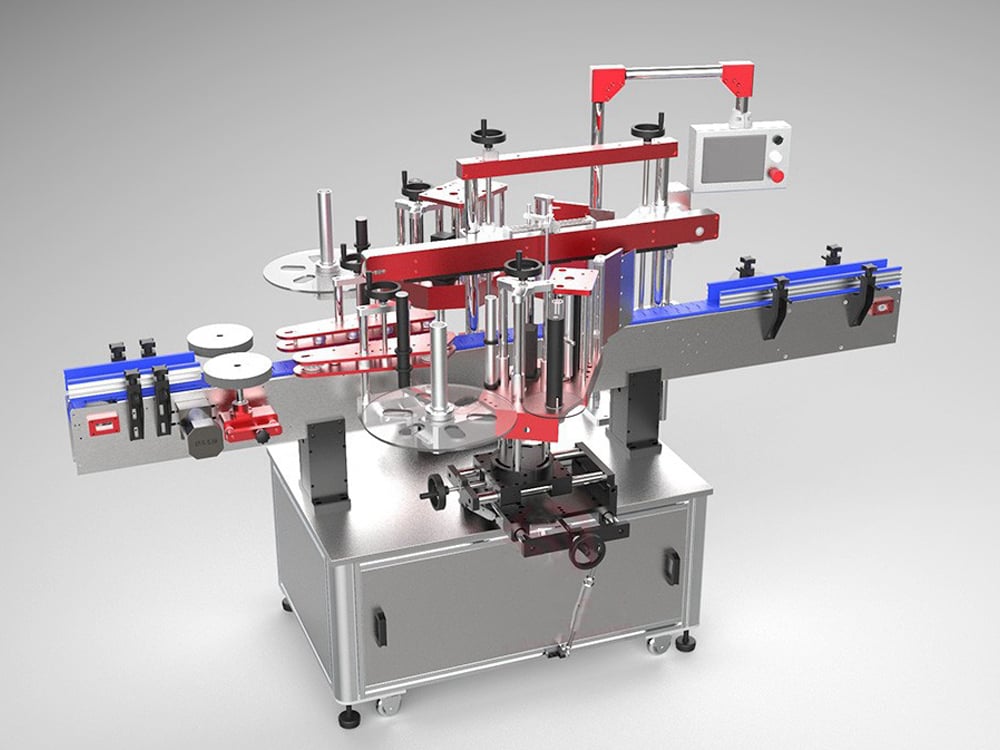
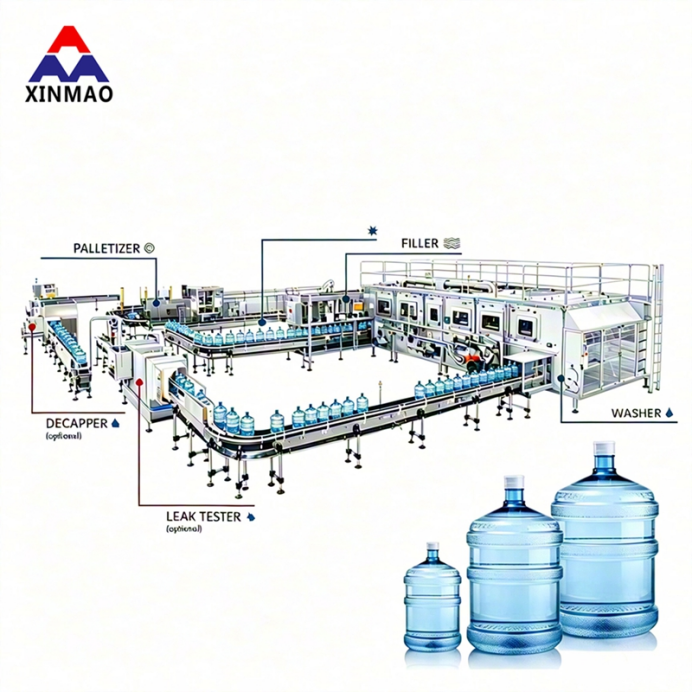
Valè kò ak kouche sa a se nan nivo otomatizasyon ak adaptebilite li a. Li genyalman konpoze de yon makin kapab kapote bòtè otomatikman, makin lave bòtè anpè ak ekstè, yon makin ki fè rinyaj, ranplisaj ak kapotaj toutanpè ak kontwôl pa yon PLC, yon kòb insepksyon otomatik ak yon makin etikèt. Kominan esansyèl tankou mòtè, PLC ak roulman sòti de mark mondyal pou asire bon fonksyone manm nan kondisyon kote kouran anpil varyab. Pou kliyan mwanzbik, sa vle di yo kapab pwodui dlo pou konsonmasyon sèk ki respekte standad sante mondial ak yon kantite limitè travayè eksper, epi sa bay yon peryod retou rapid sou envesisman—yon sitiyasyon gany-gany ki amelyore kondisyon viv moun yo ak gene pwofit.
 Novèl Chaud
2026-08-04
2026-07-28
2026-07-31
 EN
EN