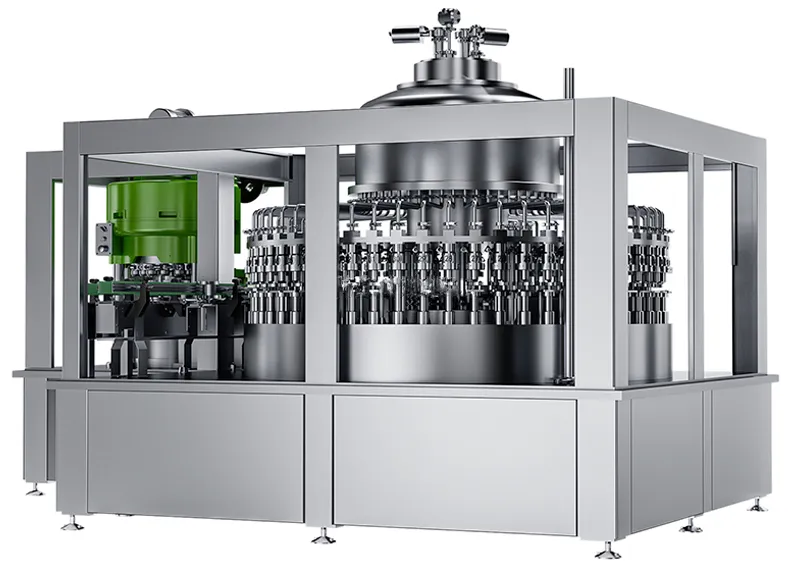
What Makes a Can Filling Machine Safe for Carbonated Soft Drinks?
A can line ran a carbonated energy drink at high speed, and the seamer's seam setting had drifted. At the vent star, a can with a weak double seam let CO2 and product spray sideways, soaking the floor and the operator's bay. The line stopped, the seam was reset, and a pressure-relief check found a stuck vent. The can filling machine was not unsafe by design — its safety depended on three systems working together: pressure control, seam integrity, and guarded motion. Miss one and carbonated product turns hostile fast.
Carbonation Raises the Stakes
Still water in a can is calm. Carbonated soft drink holds gas under pressure, so every open point is a potential jet. A can filling machine must contain that pressure through fill, seam, and vent, then release it only where designed. Safety is really pressure discipline.
Three Systems, One Job
Containment, seaming, and controlled venting share the goal of keeping CO2 where it belongs. A can filling machine that scores well on one but ignores another fails at the worst moment — during a changeover or a pressure spike.
Risk Analysis: Where It Breaks
Overpressure Events
A blocked vent or a stuck valve lets bowl pressure climb. A can filling machine without working relief dumps that energy through the weakest seal — often a can — and sprays product. Relief valves and interlocks exist exactly for this, and they need testing.
Weak Double Seam
The seamer sets the final containment. A worn chuck or wrong roll leaves a thin seam that fails under carbonation. A can filling machine with poor seam control turns every can into a small pressure vessel with a bad lid. Seam measurement is not optional.
Fast, Uncontrolled Venting
Venting a can too quickly foams and can lift the lid before the seam sets. A can filling machine with a mistuned snift star loses product and risks spray near operators. The vent step must match the drink's foaming tendency.
Hygiene and Moving Guards
Stagnant rinse water and open guards invite both microbes and injury. A can filling machine in a food line must clean without traps and guard every pinch point, or it fails audit and OSHA alike.
Professional Analysis: The Safety Design
Counter-Pressure and Relief
Like bottle fillers, a can filling machine uses counter-pressure so CO2 stays dissolved. The bowl and seamer run under controlled pressure with relief valves set below the can's rating. Those valves are the last line; they should lift on test, not silently seize.
The Double Seam
The seamer folds the lid into the body in two rolls — the double seam. A can filling machine holds seam thickness and tightness within tight limits because carbonation magnifies any gap. Daily seam teardown and measurement catch chuck wear before a failure reaches the line.
Vent Control
The snift star bleeds pressure as the seam sets. A can filling machine tuned to the recipe keeps the lid seated while gas escapes gently. Foam rate, not a fixed timer, should drive the setting, since sugary drinks foam more.
Authoritative References and Standards
Machine Safety and Food Hygiene
ISO 13849 governs the safety controls — guards, interlocks, E-stops — on a can filling machine. ISO 14159 and 3-A shape hygienic design so the line cleans without dead legs; ISO 22000 sets the food-safety system around it. These turn a pressure line into an auditable, safe asset.
Electrical and Workplace
NFPA 79 covers the electrical design of the industrial machinery; NFPA 70 frames the wiring and current limits. ANSI B11 addresses machine safety in the US, and OSHA sets the rules operators follow. CE marking ties the can filling machine to the EU Machinery Directive 2006/42/EC with Low Voltage and EMC. Demand the certs in writing.
Practical Value: Specifying and Running It
How to Select
Require documented relief-valve settings below can rating, a seamer with seam measurement tools, and a tunable snift star. A can filling machine should show guard interlocks and CIP access in the quote. Get a reference run on your drink and can before signing.
Inspection on Arrival
Test relief valves, measure a seam teardown, and run a timed trial recording foam and vent spray. For a can filling machine, document fill pressure variance and any leak. Keep certs and the test report with the line serial for the audit file.
Safe Use Steps
Train operators on guards, E-stop, and the vent step. A can filling machine should alarm on pressure deviation or seam drift, not run blind. Never bypass interlocks for speed; a saved minute is nothing against a CO2 spray incident or a crushed hand.
Care and Maintenance
Sanitize on schedule, recalibrate pressure sensors, and measure seams daily. Replace seamer rolls before wear shows in the product. XM Filler provides setup cards, spare lists, and seam specs so the can filling machine stays safe and the carbonated line runs without surprise releases.
Real-World Takeaway
A can filling machine is safe for carbonated soft drinks when pressure relief, seam integrity, and guarded motion all work together — verified, not assumed. Specify the systems, test them on arrival, and maintain them on a schedule, and the line contains the fizz instead of spraying it.
Frequently Asked Questions
Question: Why is a can line riskier than a still-water line?
Answer: Carbonated soft drink holds CO2 under pressure, so every open or weak point is a potential jet. A can filling machine must contain pressure through fill, seam, and vent, then release it only by design. Still water has no gas load, so the same seam or vent fault stays harmless. Pressure discipline is the difference.
Question: What prevents overpressure on a can filler?
Answer: Relief valves set below the can's pressure rating, plus interlocks that alarm on deviation, sit on the bowl and seamer. A can filling machine should lift those valves on test, not let them seize. Blocked vents or stuck valves are the usual triggers, so routine relief testing and pressure-sensor calibration are non-negotiable.
Question: How important is the double seam?
Answer: Critical. The seamer sets final containment; a thin or loose double seam fails under carbonation and sprays product. A can filling machine needs seam thickness and tightness held in tight limits, with daily teardown measurement to catch chuck wear. The seam, not the filler, is what actually keeps the lid on under pressure.
Question: Why tune the vent step to the drink?
Answer: Venting too fast foams and can lift the lid before the seam sets, spraying CO2 near operators. A can filling machine with a snift star tuned to foam tendency keeps the lid seated while gas escapes gently. Sugary drinks foam more, so recipe data, not a fixed timer, should drive the vent setting.
Question: Which standards apply to a safe can line?
Answer: ISO 13849 for safety controls, ISO 14159 and 3-A for hygienic design, ISO 22000 for food safety, NFPA 79 and NFPA 70 for electrical, ANSI B11 and OSHA for machine and workplace safety, and CE under the EU Machinery Directive with LV and EMC. XM Filler supplies these certs so the can filling machine passes audit.
Question: How is seam safety checked in daily use?
Answer: Measure a seam teardown each shift — body hook, cover hook, seam thickness, and tightness — against the spec, and watch for chuck or roll wear. A can filling machine should also alarm on seam drift during runs. Keep records with the line serial; a trend toward the limit means replacing rolls before a weak seam reaches a carbonated can.