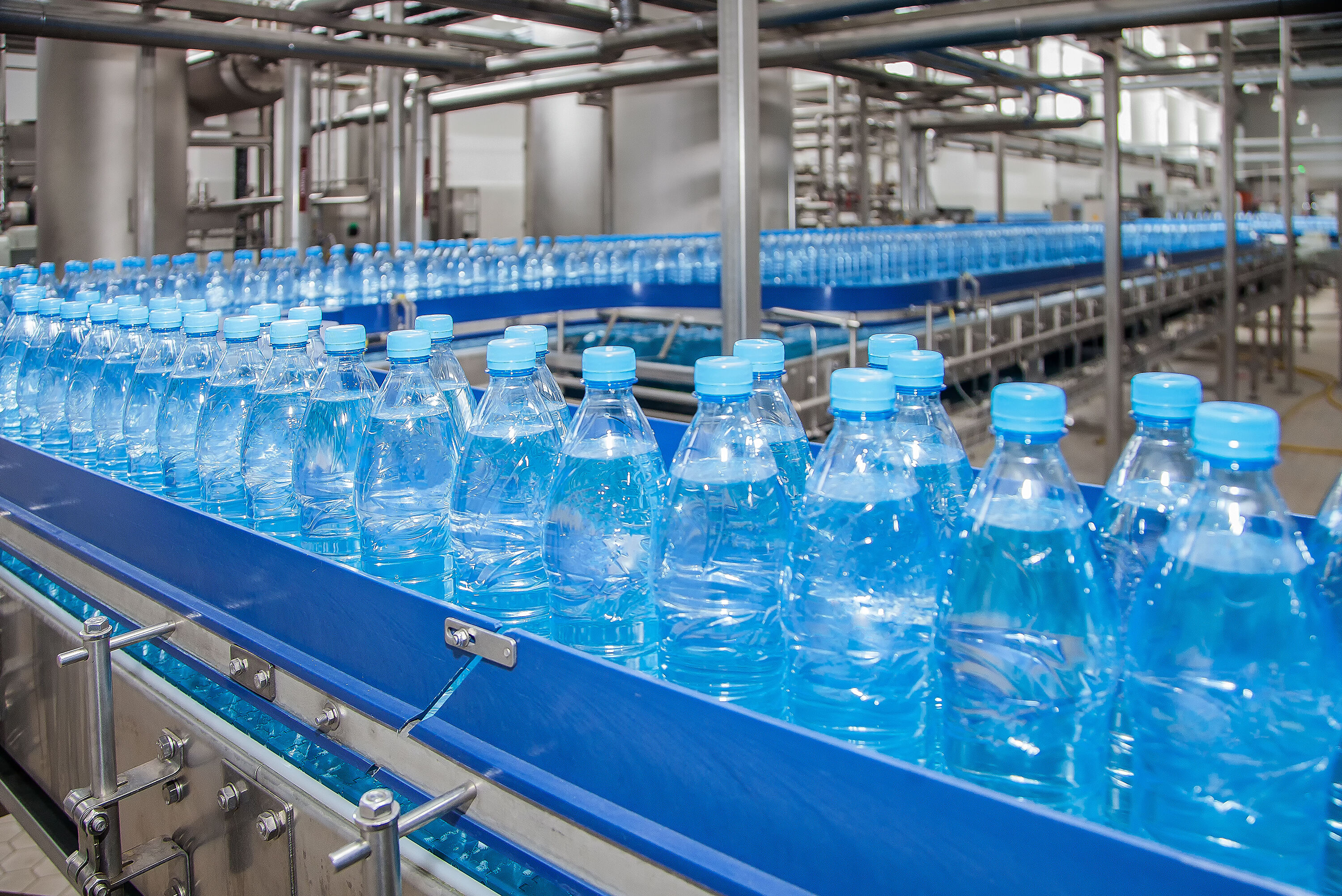
Automation and Integration in Water Filling Line Operations
Modern water filling lines leverage automation technologies to achieve precision and operational scalability. By integrating programmable logic controllers (PLCs) and servo-driven mechanisms, manufacturers reduce human error while maintaining throughput speeds exceeding 500 containers per minute.
The Role of PLC Control Systems in Filling Operations
PLCs coordinate fill volume adjustments, container positioning, and valve timing with 0.1-second response accuracy. These systems replace manual calibration processes, achieving ±1% volume consistency across 98% of production batches—a critical requirement for large-scale beverage bottling.
Servo Motor-Based Filling Systems for Precision Control
Servo motors enable real-time nozzle height adjustments during high-speed operations, compensating for container deformation or positioning errors. This technology reduces overfilling waste by 20% compared to traditional mechanical actuators while maintaining fill speeds above 300 BPM.
Integration of Filling Machines with Capping, Labeling, and Conveyors
Centralized control protocols like Modbus TCP synchronize filling stations with rotary cappers and label applicators. A leading European bottler eliminated 45 minutes/hour of transitional downtime by aligning conveyor speeds with filler discharge rates through PLC-mediated feedback loops.
Efficiency Improvements Through Automatic Filling Machines
Automated lines reduce changeover times from 90 minutes to under 15 minutes through preset container profiles. Facilities report 35% higher monthly output after upgrading to servo-driven fillers with integrated CIP (Clean-in-Place) systems—achieving ROI within 14 months via labor cost reductions.
Precision and Consistency via Sensor Technology in Water Filling Line
High-Precision Sensors for Real-Time Volume Measurement
Today's water filling systems rely on flow meters, ultrasonic tech, and capacitive probes to hit around half a percent accuracy when filling containers. The equipment constantly checks for things like liquid thickness and pesky air bubbles as they happen, then tweaks how fast stuff comes out of the nozzles almost instantly. Take servo-driven piston fillers for instance these bad boys handle all sorts of tricky situations where regular fills just won't cut it. They tackle problems with foamy products that cause messes during production runs. According to recent packaging efficiency data from last year, companies have seen savings between 2 to 5 percent less wasted product thanks to these advanced systems.
Impact of Environmental Factors on Filling Consistency
Temperature swings and humidity variations can alter liquid density, leading to underfills. Advanced sensors compensate by calibrating fill volumes dynamically—a 10°C temperature rise typically requires a 1.2% flow rate adjustment. Manufacturers using climate-controlled filling chambers report 18% fewer production halts due to environmental drift.
Closed-Loop Feedback Systems for Dynamic Calibration
| Sensor Type | Function | Benefit |
|---|---|---|
| Flow meter | Tracks volumetric throughput | ±0.3% accuracy in high-speed filling |
| Level sensor | Monitors bottle fill height | Prevents overfills in tilted containers |
| Pressure transducer | Maintains line pressure stability | Reduces foam generation by 27% |
These interconnected systems self-adjust every 50 ms, maintaining ISO 9001-compliant fill levels even at 400 BPM.
Case Study: Reducing Fill Variation by 40% Using Advanced Sensors
One drink manufacturer installed radar sensors along with some smart AI systems on their water bottling line back in 2023. This tech upgrade cut down on fill inconsistencies quite dramatically, bringing them down from around 2.1% all the way to just 1.3%. The company spent about $740k on these improvements, but they actually got their money back within 11 months thanks to less wasted product and fewer rejects during quality checks. The production team was especially happy with how things turned out for carbonated drinks. They saw roughly 15% better results when making fizzy water products because the new system handles those tricky bubbles much better than before. No more fighting against constant foaming issues that used to ruin so many batches.
Smart Monitoring and Data-Driven Decision Making in Water Filling Line
Real-Time Monitoring and Remote Control via HMI and Cloud Platforms
Water filling lines today are equipped with HMI panels and connected to cloud platforms, giving plant managers constant access to important production numbers such as how fast bottles get filled and what state the machines are in. The ability to tweak machine settings from anywhere using smartphones or tablets has become essential for companies running multiple facilities across different locations while keeping up with massive production demands. According to recent industry findings from the 2023 report on automation trends in beverage manufacturing, these cloud connected systems cut down on those pesky human mistakes when recording data manually by around 27%. That kind of accuracy makes all the difference when trying to maintain quality standards across large operations.
Production Dashboards and KPIs for Operational Oversight
Centralized dashboards track key performance indicators such as Overall Equipment Effectiveness (OEE) and mean time between failures. One mineral water producer achieved 18% higher throughput after implementing visual KPI displays that highlighted bottlenecks in capping synchronization.
Integration with ERP/MES and Traceability Systems
Advanced water filling lines now synchronize with Enterprise Resource Planning (ERP) systems to automate inventory updates when batches are completed. This integration reduces material waste by 14% through real-time raw material tracking. Serialized coding systems simultaneously enable full product traceability from filler to retailer.
Balancing Data Overload with Actionable Insights
While modern sensors generate 2.4TB of data daily in a typical water bottling plant, AI-powered analytics tools filter operational noise to highlight critical trends. A recent implementation at a spring water facility used machine learning to identify 22 recurring micro-stoppages in label applicators, enabling preventive adjustments that boosted uptime by 19%.
Predictive Maintenance and IIoT for Minimizing Downtime in Water Filling Line
IoT-Enabled Machines for Continuous Health Monitoring
Water filling operations today are making good use of Industrial Internet of Things (IIoT) technology to keep an eye on how well their equipment is running right now. They install things like vibration detectors, heat sensing cameras, and pressure gauges throughout all sorts of machinery including pumps, valves, and those long conveyor belts. One big name in beverages saw their motor breakdowns drop by about 22 percent once they started using these smart monitoring systems, Packaging Trends noted back in 2023. What makes this so valuable? These setups catch problems before they get bad, alerting operators when bearings start wearing down, lubricants aren't working properly, or parts aren't aligned correctly. Maintenance records show these three issues alone account for nearly two-thirds of all mechanical breakdowns, which explains why companies are getting serious about adopting such technologies.
Predictive Maintenance Algorithms Reducing Downtime by 30%
Smart systems now crunch through years worth of equipment performance records alongside live data from industrial internet of things sensors, giving pretty accurate predictions about when parts might fail - around 89% right most of the time according to tests. These machine learning tools have gotten really good at spotting those sudden temperature jumps in filling nozzles that usually mean seals are about to go bad. Maintenance teams can then swap out worn parts during regular shutdown periods instead of waiting for breakdowns. Plants that implemented this approach report roughly 23 percent fewer unexpected stoppages than those sticking with old school maintenance schedules. The math adds up too: factories save about $180,000 each year on lost production time per line, as noted in recent food manufacturing industry reports.
Maintenance Optimization Through Vibration and Thermal Sensors
Looking at vibration patterns through spectral analysis can spot imbalances in rotating parts anywhere between 12 to 18 days prior to complete breakdown. When it comes to those servo driven capping heads, thermal sensors pick up when friction starts going up abnormally, which is basically the system saying "time to replace those bearings." One real world example stands out where a plant saw their gearbox replacement rate cut down by almost half once they started using this dual sensor approach. Maintenance expenses dropped significantly too, going from around $4.20 per unit down to just $2.55 according to Beverage Production Journal in 2024. These kinds of savings add up fast across production lines.
Addressing Cybersecurity Risks in Connected Filling Lines
While IIoT connectivity improves reliability, it introduces vulnerabilities—unsecured devices account for 31% of manufacturing cyber incidents (ICS Cyber Security Report 2023). Robust encryption (AES-256), role-based access controls, and firmware signature verification mitigate risks. Facilities conducting quarterly penetration tests reduce breach attempts by 78%, maintaining operational continuity without compromising data integrity.
AI and Digital Twins: The Future of Water Filling Line Optimization
Digital Twins for Simulating Filling Line Performance
Digital twin tech builds virtual copies of actual water filling lines so operators can run simulations across different production situations. The system looks at factors such as flow speed, pressure shifts, and equipment degradation points to fine tune output while keeping real operations running smoothly. For instance, engineers might want to see what happens if the product suddenly gets thicker or check power usage during busy periods when demand spikes. According to recent industry findings, companies that implement these digital duplicates typically cut down their changeover time by around 15 to 20 percent when they need to switch from one bottle size to another or alter the type of drink being produced.
AI-Powered Quality Control and Defect Detection
AI vision systems today can check anywhere from 500 to over 1,200 containers every single minute, spotting tiny flaws in seal integrity, proper fill levels, and how labels are aligned on packages. Traditional optical sensors just can't keep up with this kind of flexibility. Deep learning models actually learn when faced with different bottle shapes or new label designs, so there's no need to constantly tweak settings manually. According to some research done in the bottling industry last year, companies saw around a 38% drop in false rejection rates after switching from old rule-based inspection methods to AI powered ones. This means fewer unwarranted stoppages on production lines. What makes these systems really valuable is their ability to connect specific defect patterns back to actual machine performance metrics, which helps manufacturers figure out what's causing recurring quality problems instead of just treating symptoms.
AI-Integrated Production Lines Adapting to Demand Fluctuations
Modern filling lines can now tweak their own production speed and package setups automatically, all thanks to live sales numbers, stock counts, and those pesky seasonal demand predictions we all love. Take summer for instance when drinks really take off. The smart systems behind the scenes will focus on making smaller batches of those premium priced items that actually make money, but still keep enough inventory around so nothing gets backordered. And here's something interesting about energy savings. These machine learning programs actually schedule those power-hungry capping machines and label applicators to run when electricity rates are lowest. We're talking about running them late at night or early morning when nobody else needs power. This simple shift has helped cut down annual operating expenses somewhere around 12 percent in many facilities across the country.
Future Trends: AI, IoT, and Data-Driven Bottling Automation
By 2030, water filling operations are likely to become almost completely autonomous thanks to the combination of 5G connected sensors, edge computing power, and generative artificial intelligence. New tech developments such as self-adjusting fill heads paired with blockchain-based tracking systems are already making their way into factories, cutting down on the need for human quality control while keeping everything in line with regulations. According to market experts, we might see bottling plants running non-stop with robots doing all the work from production to maintenance. Some forward-thinking companies are even experimenting with AI-generated bottle designs that reduce material waste and improve how liquids flow during the filling process, something that would have been unthinkable just a few years ago.
FAQ
What does automation in water filling lines entail?
Automation in water filling lines involves using technologies such as programmable logic controllers (PLCs) and servo-driven mechanisms to enhance precision, reduce human errors, and maintain high-throughput speeds.
How do PLC systems improve filling operations?
PLC systems improve filling operations by coordinating adjustments in fill volume, container positioning, and valve timing with high accuracy, leading to consistent production results.
Why are servo motors used in filling systems?
Servo motors are used in filling systems for real-time adjustments, ensuring precision in operations by compensating for container deformation or positioning errors.
What is the role of high-precision sensors in filling lines?
High-precision sensors provide real-time volume measurements, adjust for thickness and bubbles, and ensure accuracy, minimizing product waste.
How does AI contribute to filling line operations?
AI enhances filling line operations by enabling quality control, defect detection, demand adaptation, and operational efficiency through machine learning and advanced data analysis.
Table of Contents
- Automation and Integration in Water Filling Line Operations
- Precision and Consistency via Sensor Technology in Water Filling Line
- Smart Monitoring and Data-Driven Decision Making in Water Filling Line
- Predictive Maintenance and IIoT for Minimizing Downtime in Water Filling Line
- AI and Digital Twins: The Future of Water Filling Line Optimization
- FAQ